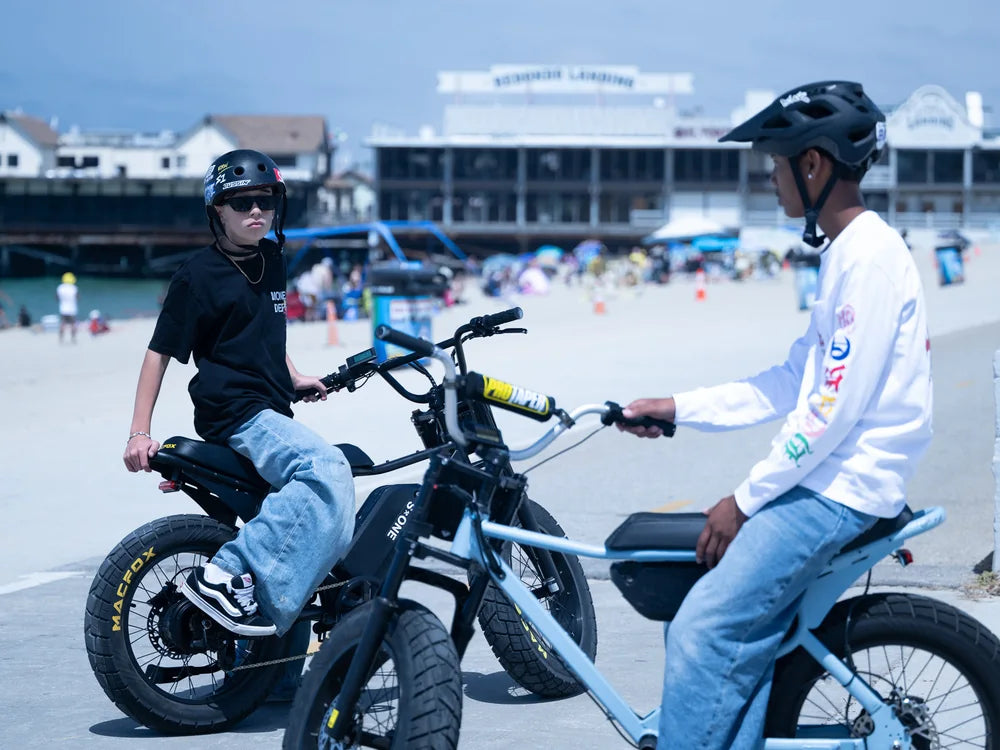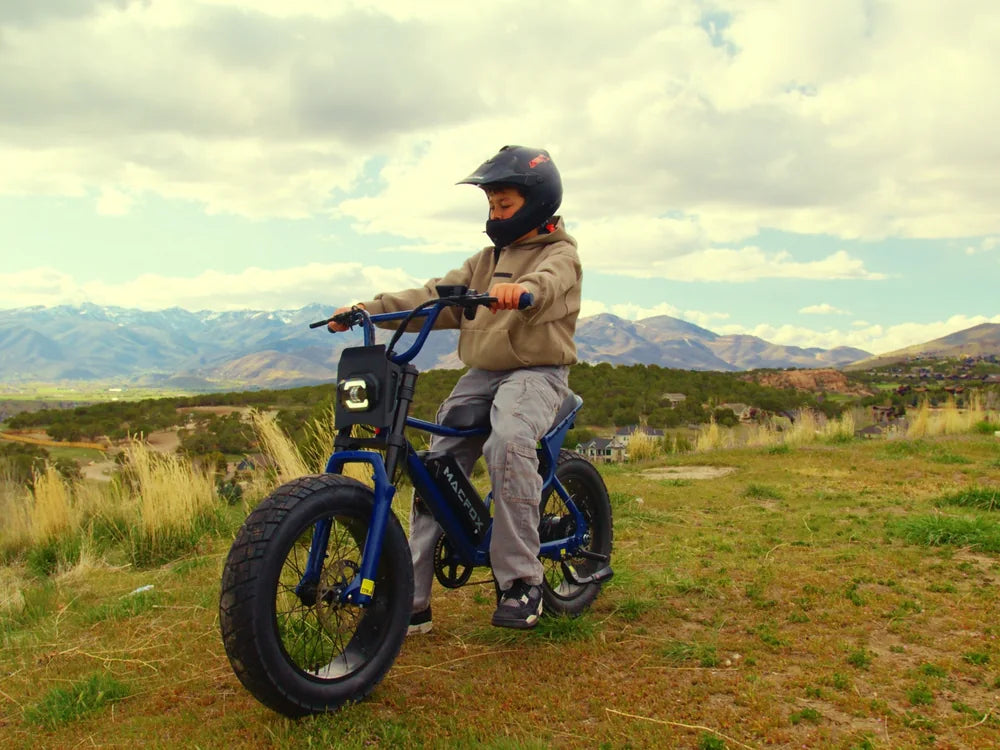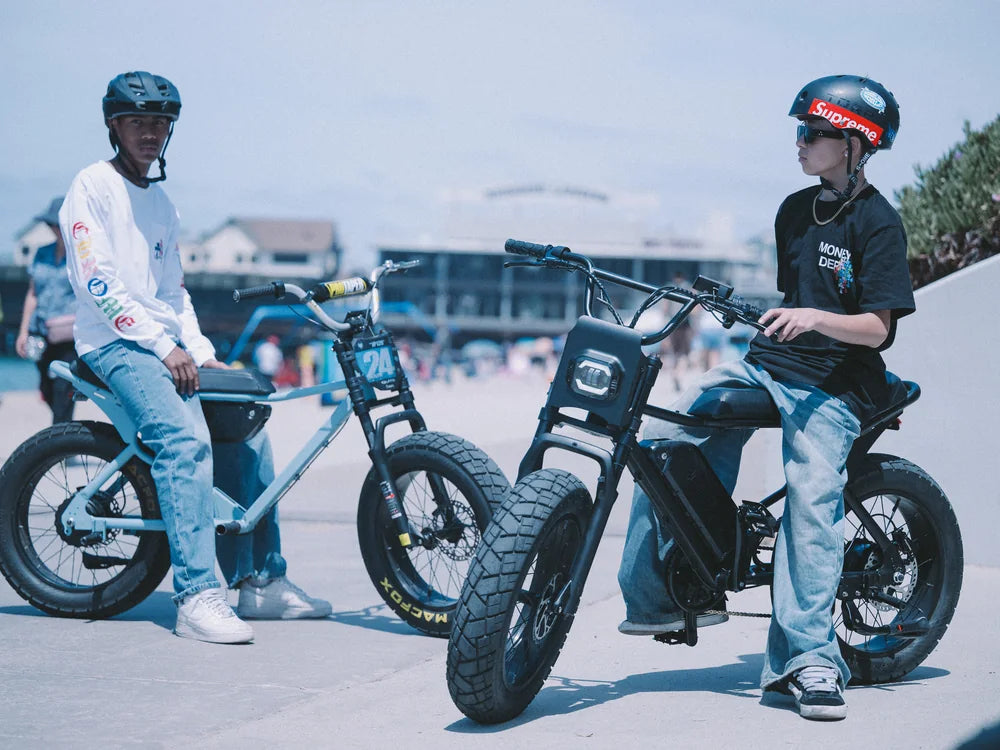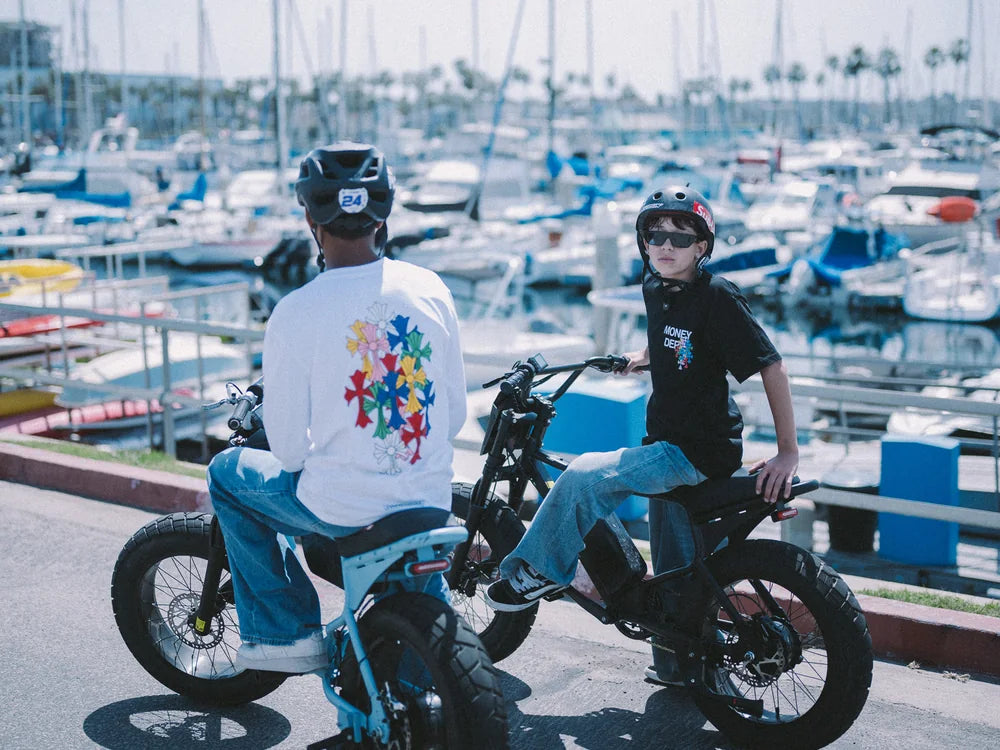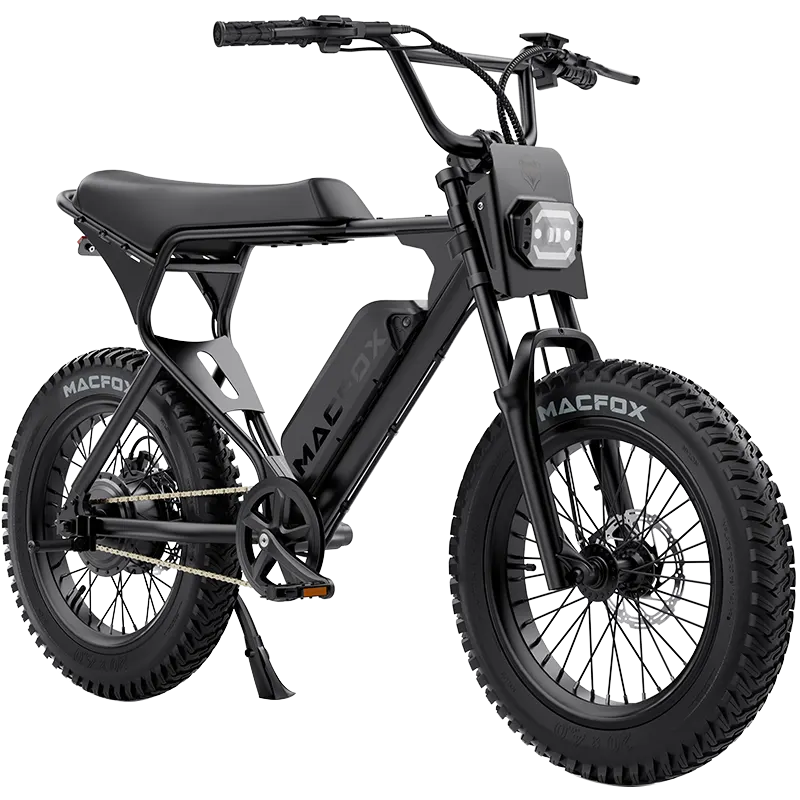

When your teen says everyone has an e-bike, that sentence is not enough reason to buy one. It is, however, enough reason to ask what problem they are trying to solve. They may be missing rides to a meeting place, falling behind on longer trips, or feeling left out of plans that now happen on wheels. Hear that first. Then decide from your teen's control, the actual route, local rules, and the bike itself whether the answer is buy, test first, or not yet.
If your first response is, “You only want one because your friends do,” your teen may hear that the social problem does not matter. If you immediately say yes because you hate seeing them left out, the decision can move faster than the facts. Neither reaction gives you the information you need. A better conversation takes the feeling seriously without letting the friend group choose the bike.

Hear the Real Request Behind “Everyone Has One”
“Everyone has one” may be shorthand for several different requests. Your teen may want transportation to the place where friends meet. A regular bike may cover the same route, but not at the same pace or over the same distance. They may want the street style and independence they see in the group. Or they may simply want the same larger, faster-looking vehicle as a friend.
Those motives do not lead to the same answer. Start with the moment that triggered the request: “Tell me about the last time you could not go with them.” That question is more useful than asking your teen to defend why they deserve an e-bike. It shows whether the problem is a missed activity, a transport gap, a pace difference, or mainly a product comparison.
The American Academy of Pediatrics' guidance on listening to teens recommends listening without immediate judgment, avoiding a parental alarm response, and using concrete conversation instead of a lecture. That approach fits this decision well. You can acknowledge that being left behind hurts without promising to buy anything that day.
Listening also gives your teen a fair role in the decision. They can explain what they are trying to join, while you remain responsible for deciding whether the vehicle and the plan make sense.
Turn the Claim Into a Checkable Scenario
Do not spend the whole conversation proving that “everyone” really means three friends rather than ten. The number is less important than the plan. Ask for details that can be checked:
- Which friends are riding, and what vehicles are they actually using?
- Where do they go, on which route, and at what time of day?
- How often does the plan happen?
- What does your teen miss now: the destination, the trip together, or both?
Ask to see the make and model instead of relying on the name the group uses. Teens may call very different electric two-wheelers “e-bikes,” even when their equipment, allowed use, and control demands are not the same. A friend's parent can help confirm the route, meeting point, and vehicle without turning the conversation into an investigation.
Then look at the route together. A short trip on quiet neighborhood streets is a different request from keeping pace with friends across busy intersections or on a route your teen has never ridden alone. If the real destination is reachable by regular bike, walking, or a ride to the meeting point, an e-bike may be one option rather than the only way to stay included.
Other parents can provide facts, but their approval is not a vote your household has to follow. Their teen may have different experience, a different route, or different rules. The point of checking is to replace social pressure with a real scenario you can evaluate.
Decide for Your Teen and the Actual Route
Once the scenario is clear, bring the decision back to the person who will use the bike. Can your teen start, stop, turn, park, and walk the bike without being overpowered by its size or weight? Do the intended streets, school rules, local requirements, parking, and charging setup support the plan? A friend group's favorite model cannot answer those questions.
Use the teen e-bike readiness checklist for the broader control, route, and responsibility review. Keep the discussion here tied to the claim that started it: does this e-bike solve a genuine participation or transportation problem for this teen on this route?

Be careful with the instinct to prevent your teen from “falling behind” by matching the fastest or most imposing bike in the group. The choice should lower the difficulty of ordinary starts, stops, turns, and parking—not raise it to match somebody else's pace. A bike that looks exciting but is difficult for your teen to manage does not solve the original problem well.
You can also separate the social request from the product request. It may be reasonable to help your teen reach the same destinations while saying no to the particular vehicle their friends use. That is not ignoring the need; it is choosing a safer way to meet it.
If It Is “Not Yet,” Give a Real Next Step
A bare “no” leaves your teen with the same missed plans and no idea what could change. If the answer is not yet, name the actual blocker. It might be an unapproved route, difficulty controlling the bike, unclear school or local rules, no secure place to park and charge, or a budget that does not cover the whole setup.
Then choose a next step that addresses that blocker without quietly promising a purchase:
- Use a regular bike for a route that already works, even if the group meets at the destination rather than traveling together.
- Drive your teen to the meeting point so they can join the activity while the e-bike decision remains open.
- Arrange a supervised rental or test ride with an appropriate bike.
- Practice the specific control skill that is missing, then review the decision on an agreed date.
For the test itself, use the teen e-bike control guide to identify the fit and control factors worth comparing rather than judging from a friend's quick demonstration. Then watch how the bike feels during the ordinary actions your teen would repeat, not whether they can make it move once.
A review date matters. “We will talk about it again after we check the school route and complete a supervised test ride” is concrete. “Maybe later” can sound like a permanent refusal with softer words. In the meantime, keep working on the specific activity your teen is afraid of missing. Inclusion does not have to wait for the purchase decision.
If You Buy, Choose for the Use, Not the Fastest Friend
A yes to an e-bike is not a yes to any e-bike. Start with the models that fit your teen, work for the verified route, and can be used within the rules that apply. Among those approved choices, let your teen have a meaningful say in color and style. Personal expression belongs in the decision, but only after the practical fit is established.
Complete a supervised test ride before ordering whenever possible. Afterward, compare only the bikes that passed the control, route, and household checks. Use the official electric bike collection to compare current configurations and review product information, warranty details, and the support path before buying. Ordering through the official site also keeps the purchase tied to a clear order record instead of a friend's memory of a model or an altered bike.

Once the purchase decision is made, the social setting still needs boundaries. Use the parent guide to teen e-bike group rides to address route changes, pace, passengers, lending, phones, and what happens when the group makes a different plan. Those are post-purchase rules; they should not be confused with the first decision about whether to buy.
The strongest answer to “everyone has one” is not an automatic yes or no. It is a decision your teen can understand: you listened to what they were missing, checked whether an e-bike would genuinely help, and chose the next step from their real use rather than somebody else's bike.
FAQ
Does having friends with e-bikes mean my teen needs one?
No. It shows that an e-bike may be part of the group's transportation or social plans, but it does not prove that the same vehicle suits your teen. Check what activity is being missed, the actual route, your teen's control, and the rules that apply before deciding.
How can I verify “everyone has one” without interrogating my teen?
Do not focus on catching an exaggeration. Ask about the last missed plan, the destination, route, time, friends involved, and vehicles they use. If necessary, confirm practical details with another parent in the same way you would check any shared teen activity.
Can we rent or test ride before buying?
Yes. A supervised rental or test ride can reveal whether the bike fits, starts smoothly, stops predictably, turns comfortably, and can be parked or walked without a struggle. Use an appropriate bike and follow the rules of the test location.
Should I buy the same model or speed as my teen's friends?
Not for that reason alone. Choose from bikes that fit your teen and the verified route. A friend's pace, modifications, or preferred model should not raise the speed, size, or control demands your teen must manage.
How can I reduce the feeling of exclusion if we wait?
Solve the immediate gap separately from the purchase. Help your teen reach the meeting point, use a regular bike on an approved route, arrange a supervised test, or agree on a skill and review date. Waiting should not mean pretending the missed social plan does not matter.