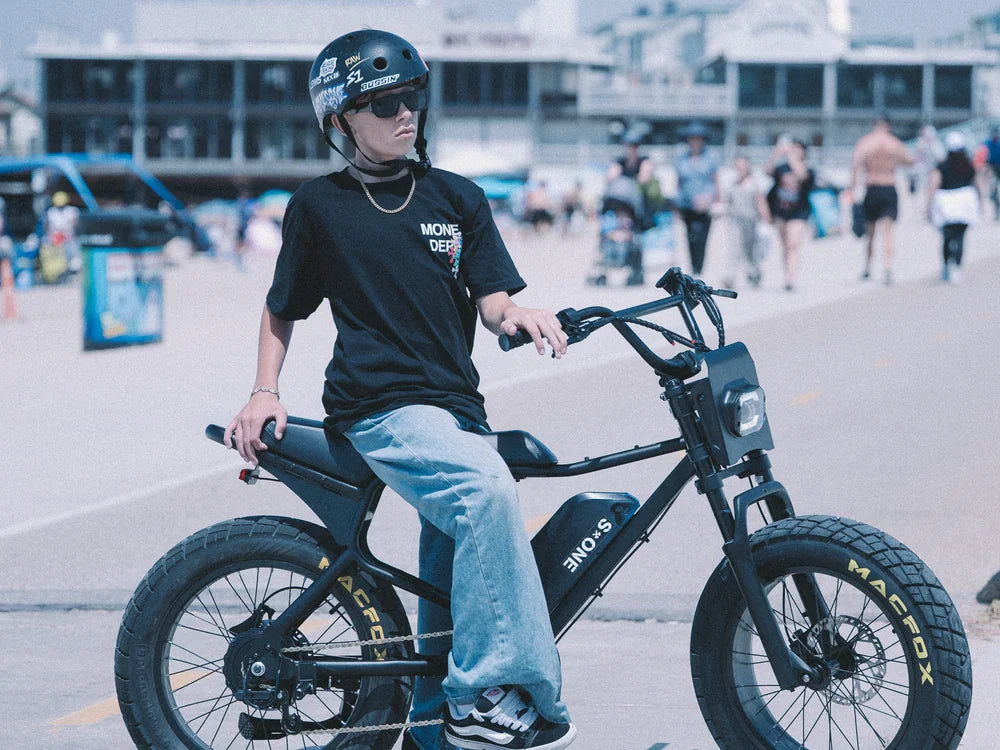

After-school e-bike rules should make four things clear before your teen rides away: where they are allowed to go, when they need to check in, whether the route can change, and what time they need to be home. "Be safe" is not enough on its own. A clear time-and-place plan lets your child enjoy more independence without leaving you guessing where they are.
This matters because after school is not the same as a fixed morning route. A teen may want to stop at a friend's house, meet someone near a park, ride to a court, or take a short neighborhood loop before homework. Those are normal reasons to want an e-bike. The job of the rule is not to erase that freedom. It is to make the freedom specific enough that both sides can trust it.
The Rule Is About Trust, Not Just Permission
Many parent-teen arguments start because the rule sounds simple to one side and vague to the other. A parent says, "Come straight home." A teen hears, "I can stop somewhere close if it is only for a few minutes." A parent says, "Do not go too far." A teen asks, "What counts as too far?" The bike is not always the real problem. The unclear rule is.
A better after-school rule names the plan out loud: the allowed place, the route, the check-in point, and the return time. That gives your teen less room to negotiate in the moment, but it also gives them less reason to feel accused afterward. They know what counts as a good ride. You know what you are actually approving.
This also keeps the conversation from becoming a punishment script. Your teen is not asking for a bike because they want a lecture every afternoon. They usually want a little control over their day: not waiting for every ride, not being the only person who cannot go somewhere nearby, not feeling like every plan depends on an adult's schedule. Clear rules make that independence easier to keep.

Choose Approved Places Before You Talk About Distance
Distance is an easy rule to say, but it is not always the best rule to use. A place that is half a mile away can still involve a confusing crossing, a busy driveway, or a parking area where bikes get moved around. Another place slightly farther away may be calmer, familiar, and easy to check.
Start with approved places, then think about distance. Your teen should know which destinations are normal yeses, which destinations need another check, and which destinations are off the list for now.
Places That Can Be Approved
Good after-school destinations are usually familiar and easy to describe: a friend's house where you know the address, a nearby basketball court, a community park, a small store on an approved route, a school-area pickup point, or a regular neighborhood hangout where your teen has permission to be.
The real question is not only "How far is it?" Ask whether the place has a predictable route, a safe place to park, enough daylight, phone reception, and a clear way for your teen to leave if the plan changes. If your child cannot explain where the bike will be parked or how they will get home, the place is not ready to become automatic.
Places That Need Another Yes
New places should not become instant yeses just because they are nearby. A different friend's house, a larger group meetup, a busier road, a shopping area, a path your teen has never ridden, or a stop after dark should be treated as a new decision.
That does not mean the answer has to be no forever. It means your teen needs to ask before the ride, not after they are already there. If the main question is where the route itself should begin and end, use the teen e-bike route boundaries guide as the deeper layer. This page is only about the after-school time-and-place rule.
Set Times for Leaving, Arriving, and Getting Home
A return time is useful, but it is not the whole time rule. After school, parents usually need three moments to be clear: when the teen leaves school or home, when they arrive at the approved place, and when they are heading back. If only the final time is clear, everyone may still argue about what happened in between.
Decide Whether Your Teen Comes Home First
Some parents want the bike home first, then a second approved ride afterward. That works well when homework, bags, chargers, or sports gear need to be handled before the afternoon becomes social. Other parents allow a direct ride from school to an approved destination. That can also work, but it needs a stronger check-in habit.
Either rule is fine if it is consistent. The problem is switching by mood. If your child never knows whether "home first" is required, they will treat it like a negotiation. If direct-to-destination is allowed only on certain days, write down what makes those days different: daylight, weather, route, destination, and who is going.
Use a Real Home Time, Not "Soon"
"Be back soon" is an argument waiting to happen. A teen may think soon means after one more game, one more stop, or one more friend. A parent may think soon means before dinner, before dark, or before they start worrying. Use a real time instead.
The home time should match daylight, weather, homework, dinner, the route, and your teen's current reliability. If your child is late once, do not automatically turn that into a permanent ban. First ask what happened. Was the route too tight? Did they forget to send a message? Did a friend change the plan? Did they ignore the rule? Each answer calls for a different response.
If you want the whole agreement in one place, put these time rules into a simple parent-teen e-bike riding agreement. That keeps the daily conversation from starting over every afternoon.
Route Changes Need a Stop-and-Ask Rule
The most common after-school problem is not the original plan. It is the change: a friend wants to go somewhere else, a shortcut looks faster, a store stop gets added, or a small loop turns into a longer ride. A teen may see that as normal flexibility. A parent sees the approved plan disappearing.
Use two route categories: approved route and ask-first route. An approved route is the one your teen can ride without another message. An ask-first route is anything different, even if it looks close. The key rule is simple: stop first, message first, wait for the answer, then ride. No texting while moving, and no "I already went because it was nearby."
Official bicycle safety guidance also points riders toward predictable riding, paying attention, and using proper lights and visibility when conditions require it. You do not need to turn every afternoon into a safety class, but the basic habit matters: the rider should be looking at the route, not making decisions on a phone while moving. The official reference is NHTSA bicycle safety guidance.

Friends Can Join Only If the Plan Stays Clear
Friends are part of the reason after-school rides matter. A teen may want to meet someone, ride together for a few blocks, or stop at the same park. That is not automatically a problem. The problem is when the friend changes the plan faster than your child knows how to handle.
Before allowing friends to join, decide what your teen must tell you: who is riding, where they are meeting, how many people are involved, whether everyone is going to the same place, and what your child should do if someone starts riding in a way that breaks the rule. Do not assume that more riders means more safety. One friend who ignores stop points, rushes turns, or pushes a new destination can make the ride harder to manage.
This article is not the full group-riding guide. For the bigger question of how teens should ride with friends, what parents should approve, and when a group ride should not happen, use the teen e-bike group rides guide. For after school, the rule is narrower: friends can join only if the original time, place, route, and home check-in stay clear.
Parking and Meeting Points Should Be Fixed
Many after-school problems happen after the ride itself. Your teen gets to the place, parks in a different spot, waits by another entrance, moves the bike to be closer to friends, or cannot explain exactly where they are. That can turn a normal ride into a stressful search.
For each approved place, choose a parking point and a meeting point. The parking point is where the bike should be locked or kept. The meeting point is where your teen should wait if plans change, a pickup is needed, or the group separates. Those can be the same place, but they should be named before the ride.
This is different from a full school-parking or theft-prevention conversation. If you need that layer, use the teen e-bike parking at school guide. For after-school rules, the immediate goal is simpler: your child should not be improvising where the bike goes or where you can find them.

When to Pause After-School Riding
Pausing after-school riding should not be framed as "you lost the bike forever." It should mean the rule is not stable enough yet. That distinction matters because a teen who feels punished may hide more next time, while a teen who understands the exact problem has a better path back.
Pause the after-school ride if your teen changes routes without asking, repeatedly misses the home time, turns off check-ins, lets friends pull the plan somewhere else, rides when the light or weather has changed, or cannot explain where they parked. Also pause if school, community, or local rules change and you have not reviewed them together.
Sometimes the problem is not attitude. It may be skill. If your child is still shaky with starts, stops, parking, turns, or short routes, go back to the first-week e-bike practice plan before adding more independence. A short reset is better than pretending the same mistake will disappear on a busier afternoon.
Choose a Bike That Makes the Rule Easier to Follow
The bike does not replace the rule, but it can make the rule easier or harder to follow. A good after-school e-bike for a teen should be manageable at low speed, easy to park, clear enough for short neighborhood routes, and recognizable enough that the rider feels proud using it without needing to show off.
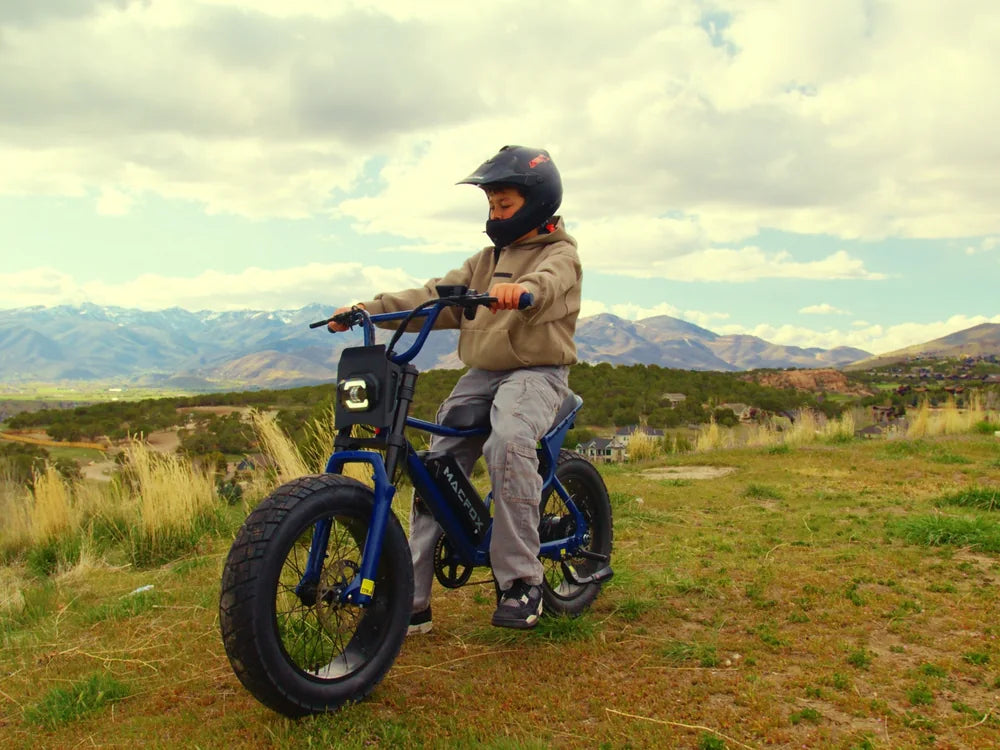
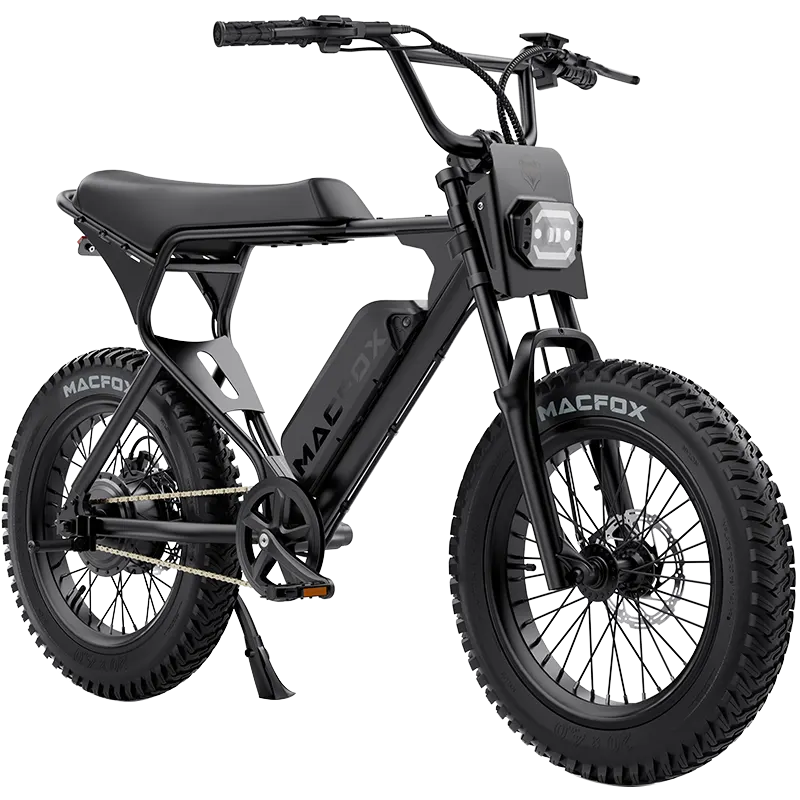
The Macfox X1S fits the classic neighborhood and school-area role well: a moped-style look, long seat, fat tires, and a street-ready feel for routine short rides. The Macfox M16 is better when the priority is a smaller body, easier control, and a lower-pressure ride for shorter or newer teen riders. The Macfox X7 brings wider fat-tire presence and stronger grip feel for riders who still need to stay within approved streets, places, and times.
If you are still comparing models, start from the actual after-school plan instead of the longest possible spec list. Where will your teen go? How will they park? What time will they be home? How much bike can they manage calmly at low speed? The broader electric bike collection can help you compare the lineup after the route and rule are clear.
After-school e-bike freedom works best when it feels earned, not improvised. Your teen should know the place, the time, the route, and the check-in before the ride starts. You should know what counts as a successful ride without turning every afternoon into a debate. The clearer those rules are, the more room there is for trust.
FAQ
Can a teen ride an e-bike straight from school to a friend's house?
Yes, if the friend's house is approved in advance, the route is clear, the parking point is known, and your teen sends the agreed check-in when they arrive. If any of those pieces are missing, make it an ask-first ride.
What should my teen do if they want to change the route?
They should stop in a safe place, send a message, and wait for a yes before changing the route. Route changes should not be decided while moving, and "it was close" should not become an excuse after the fact.
Are after-school rides with friends safer?
Not automatically. Friends can make a ride more visible and more fun, but they can also create pressure to go farther, ride faster, or change plans. The friend rule should be about who is riding, where they are going, and what your teen does if the group stops following the plan.
Do parents need to check the route every day?
At the beginning, check more often. Once your teen has shown steady judgment on the same route, you can shift to a fixed approved route plus a clear ask-first rule for any changes.
When should after-school e-bike riding pause?
Pause it if your teen misses check-ins, changes routes without permission, repeatedly comes home late, follows friends into unclear plans, rides after conditions change, or still struggles with basic control and parking. The pause should explain what needs to improve before the next ride.