
If a school confiscates a teen's e-bike, the teen should first find out where the bike is being held, save the written notice, and contact a parent without trying to unlock or remove it. The parent should then confirm the stated reason, the pickup rules, and whether the teen's permission to bring the bike onto campus has also been suspended. At pickup, document the bike and its accessories before leaving. Getting the bike back and getting permission to bring it back to school are two separate tasks.
That distinction helps everyone slow the situation down. A parent may be worried about an expensive bike sitting out of sight. A teen may feel embarrassed, angry, or afraid that one mistake has ended a routine that made school days easier. Neither feeling needs to decide the next move. The fastest useful response is a calm record of what happened, followed by the exact step the school requires.

What the Teen Should Do Before Leaving School
The teen's first job is not to win the argument. It is to make sure the bike can be located and the parent receives accurate information. Trying to unlock the bike, remove it from school custody, or continue arguing beside it can turn a fixable school issue into a larger conflict.
Before leaving campus, the teen should collect four facts:
- Where the bike is: Ask which office, administrator, security employee, or other staff member is responsible for it.
- Why it was taken: Save the written notice. If there is no notice, record the time, place, staff member, and reason that was given.
- Who may collect it: Do not assume the teen or a friend can pick it up.
- When pickup is allowed: Confirm the day, time window, entrance, and any documents or keys a parent needs to bring.
A short message to a parent is enough: “My bike is being held in the main office. They said it was because of the parking permit. A parent has to pick it up after school. I have the notice.” Facts like these are more useful than a long message about what classmates think happened.
Feeling singled out in front of friends is difficult, especially when the bike represents independence. Staying calm does not mean agreeing with every part of the decision or giving up the chance to explain. It keeps the explanation from being buried under a second problem. The teen should also avoid posting guesses in a group chat or asking a friend to retrieve the bike.
Find Out Which Rule Triggered the Confiscation
A school may hold an e-bike for very different reasons: a missing permit or sticker, parking outside the approved area, riding where students must walk, a helmet or behavior issue, a campus restriction, or a bike the school believes does not meet its rules. The right response depends on which reason is actually written down.
Parents should check the school email, student handbook, permit portal, or notice instead of relying on a summary from another student. Ask two separate questions: “What do we need to do to collect the bike?” and “What must happen before it can return to campus?” Some schools release a bike to a parent while keeping the student's campus riding permission suspended until another condition is completed.
Campus access and public-road rules are not the same decision. A bike may be returned by the school without being approved for campus again, and a campus restriction does not automatically settle whether it may be used elsewhere. For broader age, classification, helmet, and local-rule questions, use the youth e-bike laws guide for parents. Keep the school conversation focused on the written campus rule that triggered the incident.
If the family believes the notice is incomplete or incorrect, ask for the school's normal review or appeal route and keep the discussion factual. The useful question is not “Who is against e-bikes?” It is “Which written condition does the school say was not met, and what evidence or step resolves it?”
Document the Bike When a Parent Picks It Up
Some school systems explicitly require a parent or guardian to collect a confiscated e-bike. Confirm that rule before traveling to campus. Bring the notice, identification, the bike key, any permit information, and ownership details the school requested. If a different adult will attend, get approval rather than assuming the school can release the bike to that person.
Before taking the bike away, check and record:
- the frame and serial number;
- the battery, display, key, and charger if the charger was also held;
- the front and rear lights, mirrors, phone mount, lock, and other removable accessories;
- the tires, brake levers, handlebar, seat, pedals, and any visible marks;
- the name of the staff member releasing it and any receipt or incident number.

Take clear photos while the bike is still at the pickup location. If something appears missing or damaged, ask the staff member to add it to the record before leaving. That is more useful than arguing about responsibility in the parking lot. Keep copies of the pickup receipt, the original notice, the staff contact, and any deadline for the next step.
If the notice came from law enforcement, includes a citation, or says another agency has custody of the bike, stop using the school pickup process. Follow the written instructions from the agency holding it. A school administrative hold and an enforcement matter are not interchangeable.
Match the Fix to the Actual Reason
Families sometimes jump straight to changing the bike or buying another one. That only makes sense when the school has clearly identified the bike itself as the issue. A missing permit, a parking mistake, and a behavior concern require different fixes.
| Reason given by the school | First action after pickup | What to confirm before returning |
|---|---|---|
| Missing permit, course, or sticker | Complete the required registration or training steps. | The school has confirmed that the permit is active and the bike may return. |
| Wrong parking location or failure to dismount | Walk through the arrival, dismount, and parking routine again. | The teen can repeat the required actions without relying on a guess. |
| Helmet or riding behavior | Address the exact equipment or behavior named in the notice. | Family expectations and school requirements now match. |
| Campus restriction for a grade or vehicle type | Activate a backup commute. | The family is not treating off-campus hiding or a different unregistered bike as a workaround. |
| Bike believed to be modified or outside school requirements | Ask which component or standard the school is referring to and document the bike's current condition. | The school has explained what evidence or configuration it will accept; do not assume a change guarantees approval. |
When the problem is parking, use the teen e-bike school parking guide to rebuild the arrival routine around the approved rack, locking point, and campus process. When the school says the bike has been modified, ask for the specific part or criterion, save photos of the current setup, and compare it with official manufacturer information. Do not keep making changes while the reason is still unclear.
The goal is not to find the quickest-looking fix. It is to make the next return uneventful. If the teen can explain what went wrong, what changed, and what the school expects next, the family has a much stronger basis for restoring the routine.
Plan Tomorrow Separately From the Long-Term Fix
The bike may be home tonight while the campus question remains open. Decide how the teen will get to school tomorrow before trying to settle every long-term detail. A school bus, a fixed ride, public transit, walking, a regular bicycle, or a confirmed carpool may be less convenient, but reliability matters more than proving a point the next morning.
The school e-bike rule backup plan can help families compare temporary options without turning one disrupted day into an open-ended commute problem. Do not send the teen back with a friend's bike, another unregistered bike, or a bike parked secretly near campus. Those shortcuts avoid the condition instead of resolving it.

Later, let the teen give a complete account without turning the conversation into a lecture. Ask what the staff member said, what the written notice says, and what the teen would do differently. A parent can be firm about the next condition without treating embarrassment as proof of dishonesty. Write down who will complete each step and when the family will check the school response again.
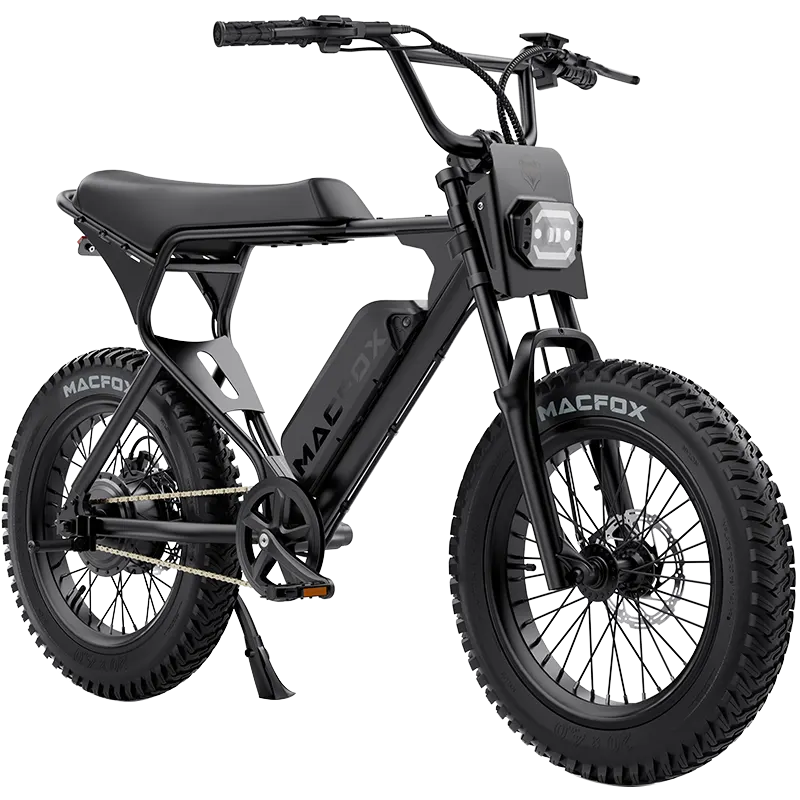
Only compare a different model if the school confirms that the bike itself is the problem and explains what it accepts. At that point, use the official Macfox electric bike lineup to verify current model details. A new purchase should solve a documented fit or configuration issue, not serve as a way around a permit, parking, behavior, or campus restriction.
FAQ
Can a Teen Pick Up the E-Bike Without a Parent?
Only if the school says the teen is an approved pickup person. Some districts require a parent or guardian to collect a confiscated e-bike after school. Confirm the person, location, time, and required documents before anyone goes to the office. Do not send a friend to try.
Does School Confiscation Mean the E-Bike Is Illegal on Public Roads?
Not necessarily. A school may have its own permit, parking, dismount, grade, or campus-access rules. Public-road use is governed separately by applicable state and local requirements. Check both sets of official rules instead of assuming that one decision answers the other.
What Should a Parent Do If the School Says the Bike Was Modified?
Ask which part or standard caused the concern, photograph the bike in its current condition, and compare it with official manufacturer information. Do not continue changing the bike while the reason is unclear, and do not promise the teen that returning it to an earlier setup will automatically restore campus permission.
Can the Teen Ride Back to School the Next Day?
Only after the school confirms that campus riding is still allowed or that every restoration condition has been completed. Returning the physical bike to the family does not automatically reactivate a permit, sticker, or campus privilege.
Should the Parent Buy a Different E-Bike Right Away?
Usually not. First identify whether the incident came from a permit, parking location, behavior, campus restriction, or the bike itself. A different bike does not solve the first four causes. Compare models only when the school has clearly described a vehicle requirement and confirmed what it will accept.