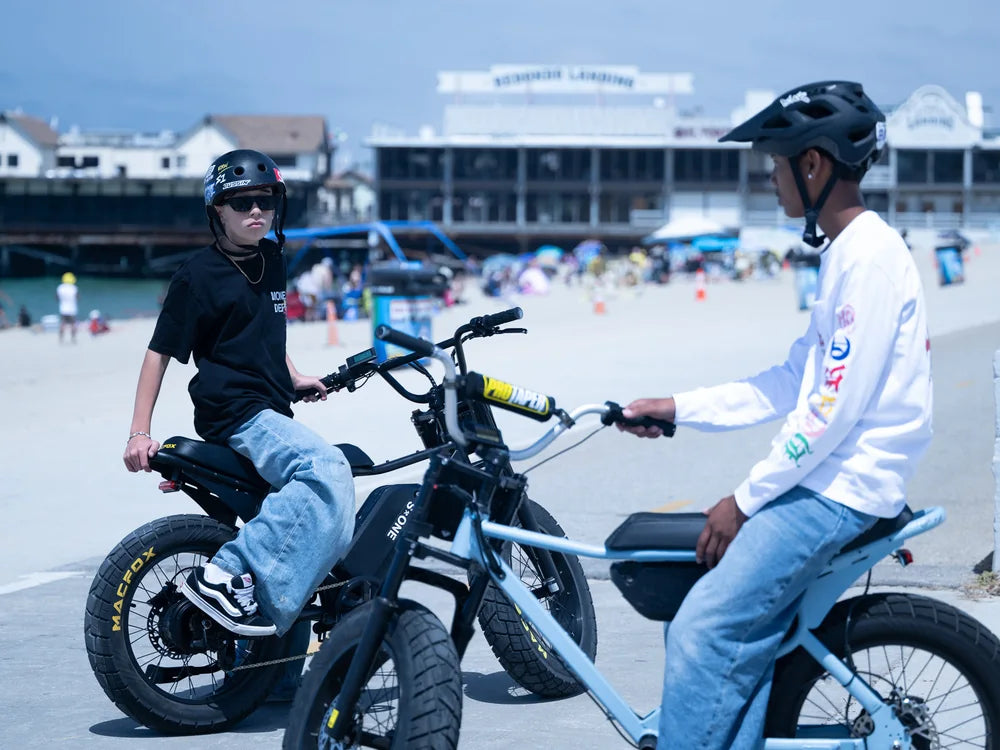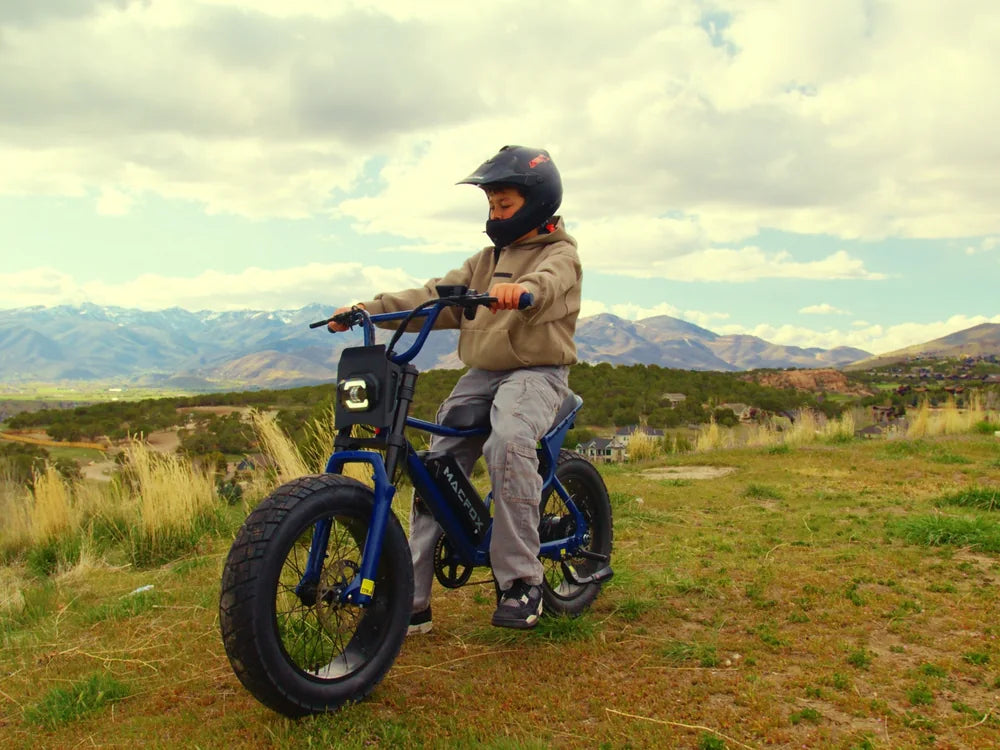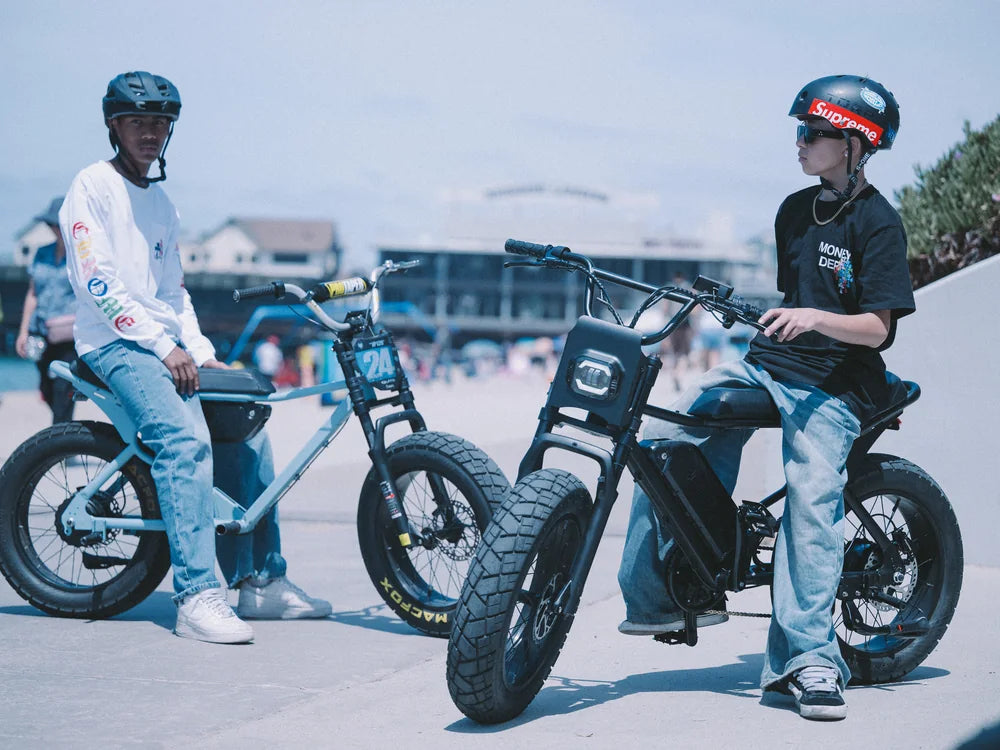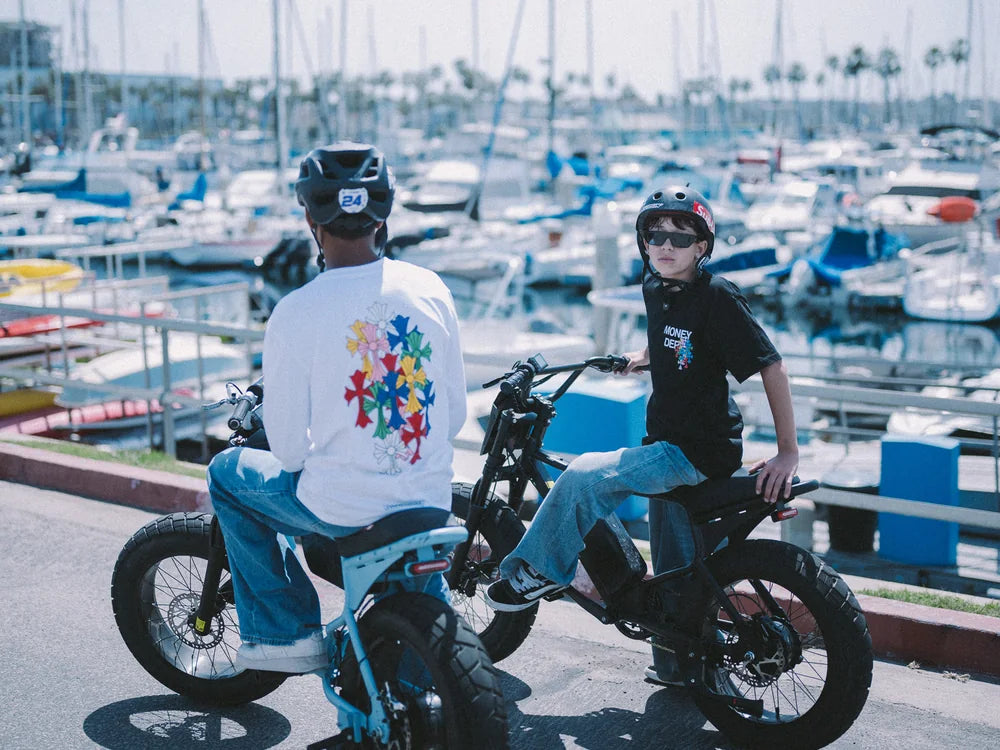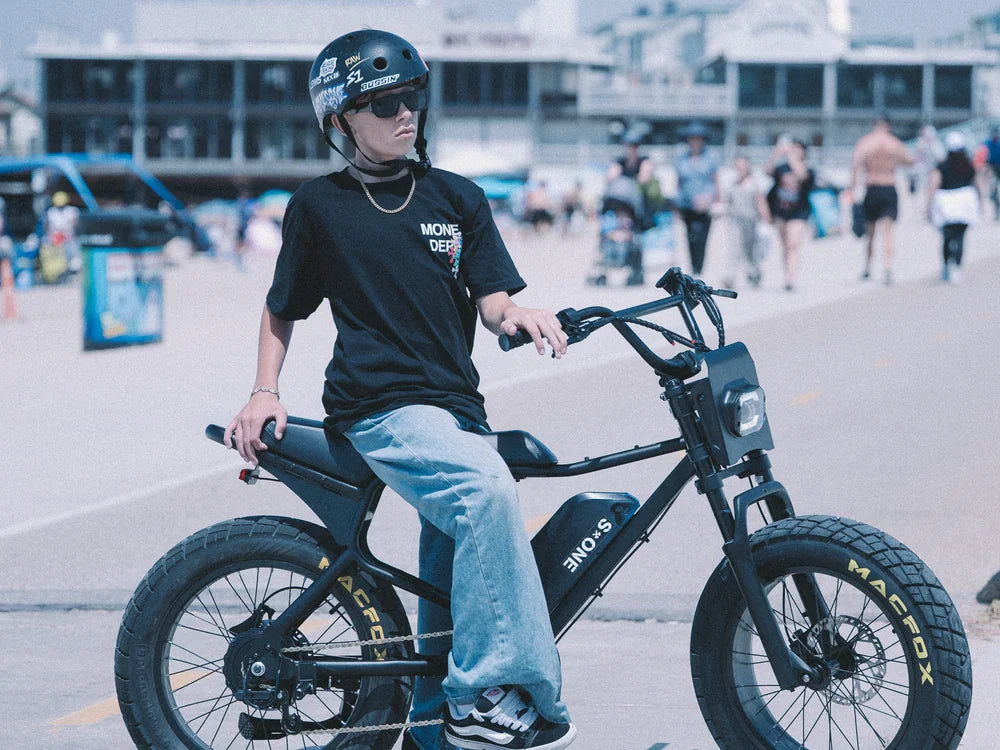

Yes, some teens can ride e-bikes with friends, but only after parents set clear rules for the route, speed, passengers, phone use, borrowing, and what to do when the group makes a bad choice. A group ride should be treated as a privilege that follows proven solo riding, not as the first test of independence.
The hard part is not whether a teen can balance the bike. It is whether the rider can stay predictable when friends are watching, when someone wants to go faster, when the route changes, or when another rider treats the bike like a toy. That is why group riding needs its own parent rules.

Why Group E-Bike Rides Are Different
A solo ride has one decision-maker. A group ride has pressure. One rider may want to race to the next stop sign, take a shortcut, film the ride, carry a friend, or ignore the route parents approved. Even a responsible teen can make worse choices when the group rewards showing off.
Parents should separate two questions: "Can my teen ride an e-bike?" and "Can my teen ride an e-bike with friends?" The second question requires more trust because the rider has to manage both the bike and the social situation.
If your family is still deciding whether an e-bike is the right next step at all, start with the teen's first e-bike. This group-ride guide assumes the rider already has basic bike control and is moving toward independent riding.
Parent Green Lights Before Group Rides
Use a simple rule: no group rides until solo readiness is already visible. A teen should be able to start, stop, turn, signal, look over a shoulder, brake before intersections, and follow a known route without reminders.
| Parent Check | Green Light | Wait If |
|---|---|---|
| Solo control | The rider can complete the route calmly alone or with a parent nearby. | The rider still swerves, brakes late, or gets nervous around cars and crossings. |
| Route memory | The rider can describe the approved route, intersections, and backup plan. | The rider only knows the destination, not the safer way to get there. |
| Rule acceptance | The rider agrees to helmet, phone, passenger, and no-loaning rules before leaving. | The rider argues that rules are unnecessary because friends do not follow them. |
| Friend group | The friends ride predictably and respect family limits. | The group is built around speed, dares, shortcuts, or filming risky moments. |

The Core Family Rules
Write the rules before the first group ride. The rule list should be short enough to remember and specific enough to enforce. If the rule depends on "use your judgment," most teens will interpret it differently in front of friends.
| Rule | Parent-Friendly Standard | Why It Matters |
|---|---|---|
| Approved route only | No route changes without a parent text or call. | Most risk changes when the route changes. |
| No passengers | No carrying friends unless the bike, local rules, and parent permission all allow it. | Extra weight changes braking, balance, and responsibility. |
| No loaning the bike | Friends do not test ride the bike without parent permission. | The owner is still responsible when someone else crashes or breaks a rule. |
| No phone riding | No texting, filming, scrolling, or headphones while moving. | Group rides already add distraction. |
| No chasing the fastest rider | Ride at the safest rider's pace, not the boldest rider's pace. | Peer speed pressure is one of the easiest ways to lose control. |
| Home-time check | The rider sends a check-in when leaving, arriving, and changing plans. | Parents need to know where the group actually is. |
These rules should apply even on short neighborhood rides. Short distance does not remove intersections, driveways, parked cars, loose surfaces, distracted drivers, or pressure from friends.
If your teen needs the house rules separated from the group-ride decision, pair this page with the teen e-bike safety rules. Use that page for everyday riding expectations, then use this page to decide when friends can be added to the ride.
Check Local Rules Before You Approve the Group
Parents should confirm where teens can ride, whether helmets are required, what e-bike classifications apply locally, and whether the planned route includes sidewalks, bike paths, parks, school property, or roads with specific restrictions. The youth e-bike laws can help you start that check; for school, park, path, or city-specific rules, confirm with the official local source before approving the ride.
Official safety guidance also matters. The NHTSA bicycle safety guidance focuses on predictable riding, visibility, helmets, and obeying traffic laws. For teen group rides, translate that into a family rule: ride like other people cannot guess what you will do next unless you make it obvious.
How to Approve the First Group Ride
Start boring on purpose. Choose one or two reliable friends, daylight, familiar streets, a short route, and a clear destination. Avoid the first ride being a long cross-town trip, a busy school-morning commute, or a ride with riders the parent has never seen before.
A good first group ride has five pieces: a fixed route, a fixed return time, a no-passenger rule, a check-in plan, and a parent-approved backup plan if the group splits. If the teen cannot repeat those five pieces before leaving, the ride is not ready.
For school transportation, use the school commute safety guide before approving friend rides around campus or pickup zones. School rides add backpacks, time pressure, buses, cars, and other students, so the social layer gets more complicated.
What to Do When Friends Ride Faster or Break Rules
The most useful question to ask your teen is not "Will you be safe?" It is "What will you do if your friends are not?" A teen needs a script before the moment happens.
Give them simple lines they can actually use: "I have to stay on the approved route," "I'm not carrying anyone," "I'm not lending the bike," "I'm heading home if you keep racing," or "My parents track check-ins, so I need to stop here." The sentence does not have to sound perfect. It has to give the rider a way out.
If a group regularly rides modified, high-speed, or not-street-appropriate machines, do not approve your teen to follow along just because the destination is normal. A compliant electric bike should not be treated the same as a high-speed mini-moto or a modified e-moto.

Model Fit: Match the Bike to the Group-Ride Reality
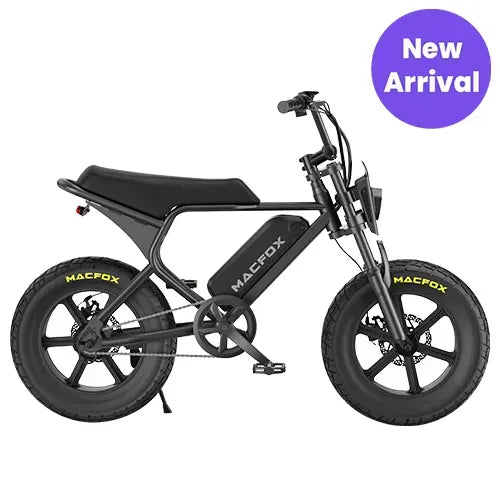
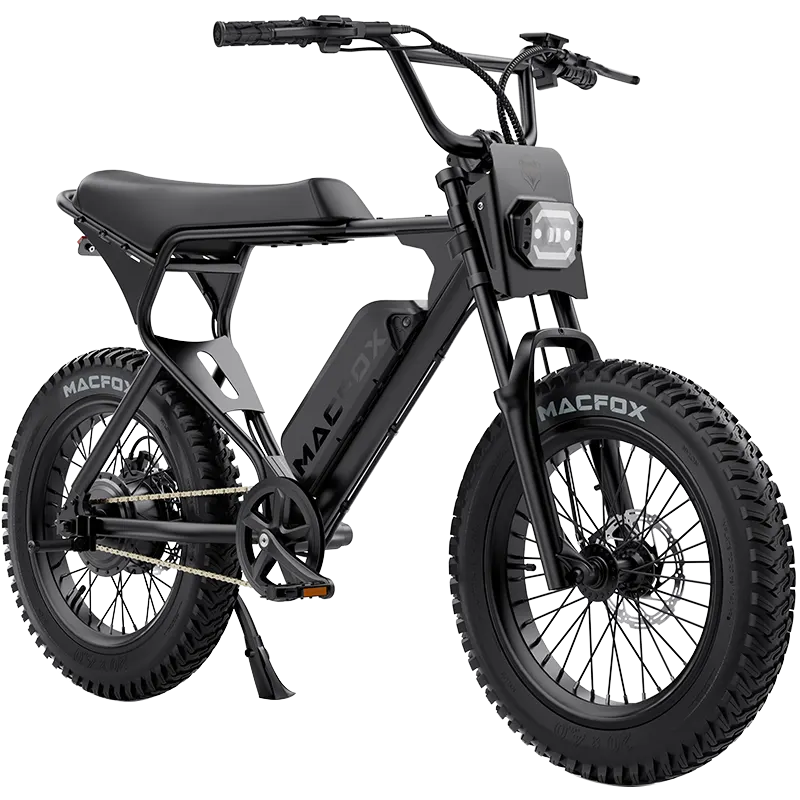
For Macfox, the product story should stay focused: teens and young riders need style, independence, and control within family-approved rules. The model choice should support that, not encourage parents to buy the most powerful-looking option by default.
| Model | Best Parent-Facing Role | How to Explain It |
|---|---|---|
| M16 | Compact youth entry point | Small body, easy control, 16x4.0 fat tires; a better fit when the rider needs confidence before bigger bikes. |
| X1S | Classic daily commuter style | Macfox's core punk-style model for familiar routes, daily independence, and personal expression. |
| X7 / X7L | Wider-tire stability lane | 20x4.5 / 20x5.0 fat-tire presence for stronger grip confidence and a bolder riding look. |
| X2 | Advanced route upgrade | Full suspension and longer range for more complex routes; not the default answer for a first teen group ride. |
If the parent is still choosing between models, the key question is not which bike looks coolest in the group. The better question is which bike the teen can control calmly when friends are nearby.
Copy This Parent Rule Set
Before you approve the first group ride, send or print this version:
You can ride with friends only on the approved route, during the approved time, with your helmet on. No passengers, no lending the bike, no phone use while moving, no chasing faster riders, and no route changes without asking first. If the group breaks those rules, you come home or call us.
That rule set is clear, short, and easy to remember. You can adjust details for your home, but avoid making it so long that nobody follows it.
When to Say No for Now
Say no to group rides if the teen is still learning basic control, hides route details, wants to carry friends, treats local rules as optional, keeps checking their phone while riding, or chooses friends who make unsafe riding look normal.
Also say no if the group ride is really a stunt session, a race, or a way to follow riders on faster modified machines. Parents do not need to approve every social plan just because the bike is capable of moving.
Parent Decision Summary
Teens can ride e-bikes with friends when solo control, route knowledge, local rules, bike fit, and family limits are already in place. Start with one short, familiar, daylight route and a small group. If the first rides are calm, expand slowly.
If the teen cannot say what they will do when friends pressure them, they are not ready for group rides yet. The goal is not to remove freedom. The goal is to make independence repeatable, legal, and safe enough that parents can keep saying yes.
FAQ
Should teens ride e-bikes with friends before riding alone?
No. Solo control should come first. A group ride adds social pressure, route changes, distraction, and more decisions.
How many friends should be in the first group ride?
Keep it small. One or two reliable friends is easier to manage than a large group where nobody feels responsible.
Should parents allow passengers on teen e-bike rides?
Only if the bike, local rules, route, and parent permission all allow it. For most first group rides, the simpler rule is no passengers.
What if my teen's friends ride faster bikes?
Do not approve a ride where your teen has to chase faster or modified bikes to stay with the group. The safest rider's pace should set the ride, not the fastest rider.
Where should I send a parent who is still unsure?
Start with the teen e-bike vs regular bike comparison, then review safety rules and local law basics before choosing a model or approving a route.