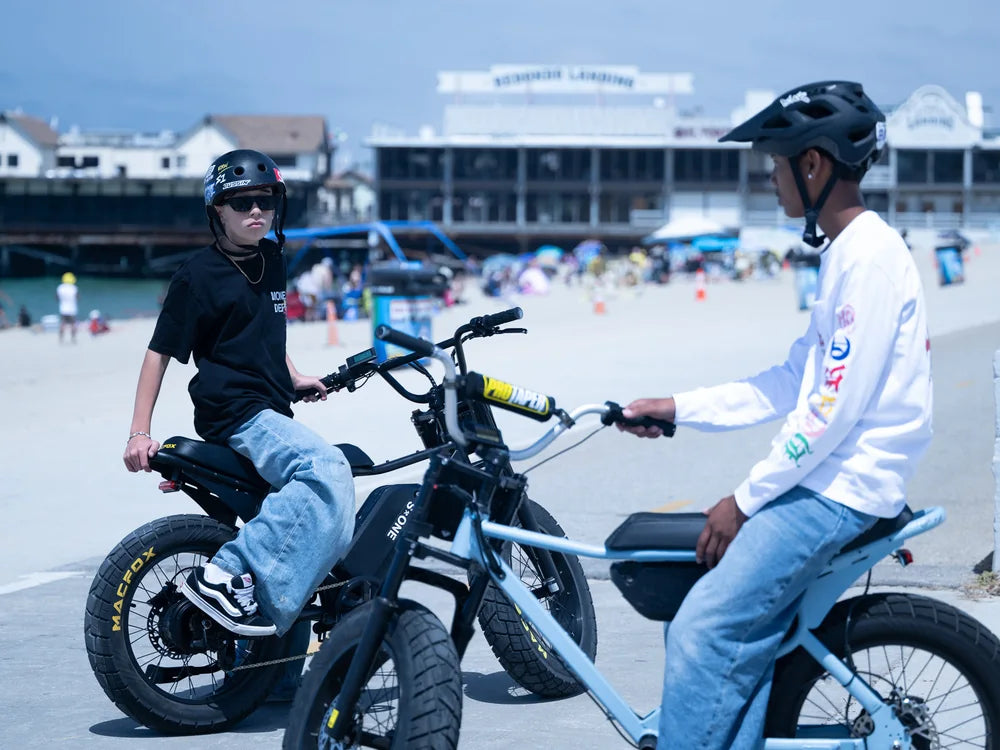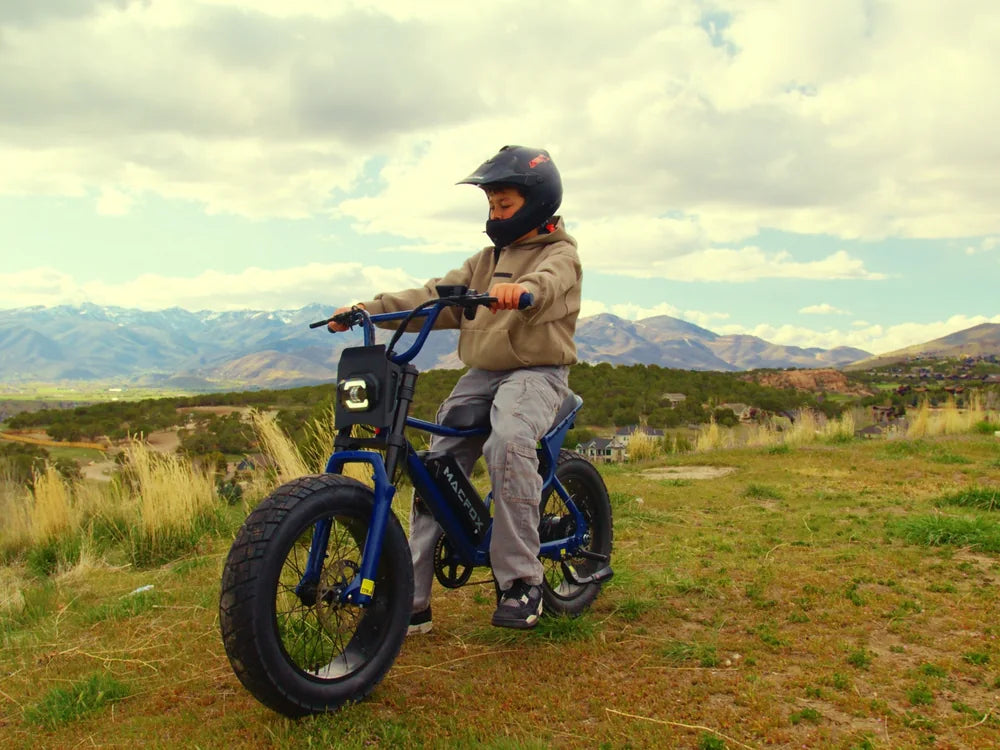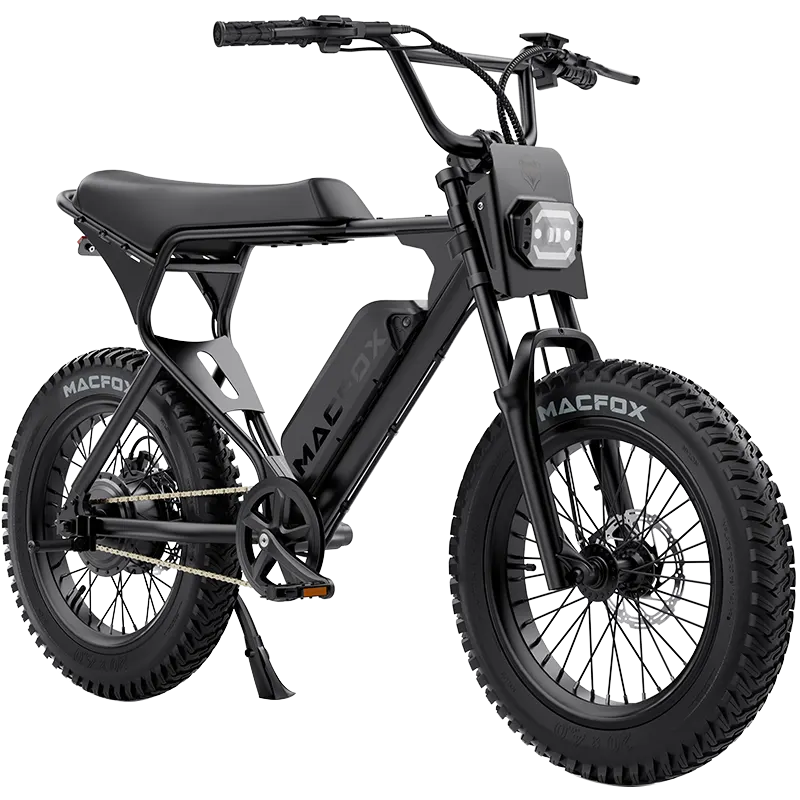

If the adults responsible for the same teen disagree about buying an e-bike, the answer for now should be “not yet,” not one private yes followed by another adult's veto. Pause any promise or payment. Then work out whether the disagreement is about the need for an e-bike, the teen's readiness, the specific bike, the route, the rules, or the cost. Your teen should be heard, but should not have to shop for approval from whichever adult seems most likely to say yes.
One adult may picture more independence, easier trips to school or activities, and fewer rides in the car. Another may picture traffic, a bike that is too difficult to control, an expensive purchase that sits unused, or being responsible if something goes wrong. Neither concern should be dismissed as “too strict” or “too relaxed.” A useful decision begins when both adults stop arguing about the idea of an e-bike and start looking at the same teen, the same bike, and the same everyday trip.

Name the Real Disagreement Before Choosing a Side
“I think an e-bike would be good for them” and “I do not think they should have one” sound like opposite conclusions, but they often come from different questions. One adult may be deciding whether the teen needs a better way to reach friends or activities. The other may be deciding whether the particular bike the teen sent in a link is appropriate. Those are not the same argument.
Start by finishing this sentence separately: “I would be more comfortable with this decision if I knew...” The answers usually reveal the real gap. It may be whether the teen can control the bike, whether the planned route is reasonable, whether the vehicle is actually an e-bike suited to everyday riding, or whether the full cost can be handled without creating another disagreement later.
Try to place the disagreement in one of three buckets:
- Need: Would an e-bike solve a real transportation or participation problem?
- Readiness: Can this teen manage the responsibility and repeat safe, predictable behavior?
- Bike choice: Is the exact model manageable and appropriate for the route and rules that apply?
If the disagreement is whether an e-bike adds enough practical value over a standard bicycle, compare the two options against the actual trip rather than treating one as automatically better. The teen e-bike versus regular bike comparison can help both adults identify what would really change for this teen.
If the request began with friends, do not treat that as proof that the need is fake. Read what “everyone has an e-bike” may really mean, then bring the conversation back to the actual trip your teen wants to make. Social pressure can start the request without being allowed to choose the vehicle.
Put the Same Teen, Bike, and Route on the Table
Do not ask the abstract question, “Are e-bikes safe for teens?” Ask the narrower question both adults can actually answer: “Can our teen manage this bike on this route under the rules that apply?” That wording forces the conversation away from the best-case and worst-case images each adult may be carrying.

Use the exact product, not a screenshot of a similar-looking vehicle. Confirm its size, weight, controls, intended use, and whether your teen can comfortably get on, stop, turn, park, and walk it. Then map the real route. A quiet neighborhood trip to a friend's home is a different decision from a school commute with busy crossings, a narrow shoulder, or campus restrictions.
The teen matters just as much as the bike. Consider what you have already seen on a regular bicycle: calm stops, awareness at driveways, willingness to wear a helmet, and the ability to follow an agreed route even when friends want to change the plan. Avoid debating maturity as a personality label. Use behavior both adults have actually observed.
The teen's first e-bike guide can help both adults review the same buying factors. Use it as shared background, not as a vote for buying. A guide can clarify the bike; it cannot decide whether your teen and route are ready.
Budget should also mean the same thing to both adults. Discuss the bike, helmet, lock, storage, charging, routine maintenance, and who handles support if something needs attention. A teen offering to pay part or all of the purchase price may change the budget conversation, but it does not settle fit, route, supervision, or daily responsibility.
Agree on the Minimum Conditions for a Yes
Parents do not need identical levels of enthusiasm. They do need a shared minimum standard. The adult who is more comfortable should not quietly lower the standard, and the more cautious adult should not keep adding new conditions whenever the teen meets the previous ones.
Keep the minimum conditions limited to the issues that would genuinely change the decision. For example:
- the teen can control and park the exact bike without being overpowered by its size or response;
- the intended route and destination are allowed and manageable;
- both adults and the teen accept the same expectations for helmets, phones, passengers, lending, and route changes;
- there is a workable place to lock, store, and charge the bike;
- the purchase and ongoing ownership costs have an agreed plan.
If the disagreement is mainly about the teen rather than the product, use the teen e-bike readiness checklist. Do not recreate the entire checklist during an argument. Each adult should review the same signs, then compare where their observations differ.
A condition should have a clear result. “Show more responsibility” is too vague. “Complete the agreed route calmly on a regular bike, follow the helmet and phone rules, and review the decision again after the practice period” gives the teen something real to understand. It also prevents “not yet” from quietly becoming a permanent no.
Let Your Teen Join Without Making Them the Referee
Your teen should have a voice because the bike is meant to serve their daily life. Ask them to explain the trip they want to make, who they expect to ride with, where the bike would be parked, and which limits they are prepared to accept. Listen for details rather than a sales pitch.

What the teen should not have to do is manage the relationship between adults. Avoid asking them to carry messages such as “Tell your dad why this is safe” or “Your mom is the one saying no.” That turns a buying decision into a loyalty test. It also encourages the teen to present a different version of the plan to each person.
A better structure is one shared conversation followed by an adult-only discussion. The teen explains the need and answers questions once. The adults then compare concerns privately and return with one response:
- Yes, if: the agreed conditions are already met.
- Not yet, because: one or more named conditions still need evidence.
- No to this bike, but not the whole idea: the use makes sense, while the current model does not.
Use “we” only after the adults have actually reached the same answer. “We understand why you want it, and we need to see how you handle this route first” is fairer than one adult presenting the other as the obstacle. If the answer is not yet, give the teen the next review date and what will be considered then. Do not promise a purchase; promise a real review.
Use Shared Evidence to Finish the Decision
Some disagreements cannot be solved at the kitchen table. One adult may believe the bike will feel manageable while the other sees its size or power delivery as the main problem. A supervised test ride, with both adults watching the same ordinary actions, can replace two assumptions with one experience.
The test should answer the disputed question, not prove that the teen can make the bike move. Watch starts, early braking, slow turns, parking, walking the bike, and how the teen responds when asked to stop or change direction. Agree on these observations before the ride so both adults use the same standard instead of turning the test into competing commentary.
If a test ride is not available yet, observe the teen on a regular bike along the planned route or a quieter version of it. The point is not to wear down the cautious adult. It is to collect the missing information both adults agreed would change the answer.
After the test, compare only the bikes that passed the fit, control, route, and responsibility checks. Review the available electric bikes together so both adults are looking at the same current model information. Purchasing through the official site also gives them a direct record of the model selected and the brand's support channel instead of relying on a forwarded listing or a friend's description.
The final answer can be yes now, compare a more suitable bike, or wait until a specific condition is met. Once the adults agree to buy, review the teen e-bike safety rules together and write down the route, helmet, passenger, phone, charging, and check-in expectations that apply at home. Those rules belong after the purchasing adults are aligned; they should not be used to hide an unresolved disagreement between them.
FAQ
What If One Parent Already Promised to Buy the E-Bike?
Pause the promise before money changes hands. The adult who said yes should acknowledge the premature commitment without blaming the other parent. Then both adults should identify the unresolved issue and give the teen one revised answer. Keeping a promise matters, but so does correcting a decision that was made without the other responsible adult.
Can Parents Still Say Not Yet If the Teen Will Pay?
Yes. Paying addresses who covers the purchase, not whether the bike fits, where it may be used, who manages storage and charging, or whether the teen is ready for independent riding. Treat the teen's savings as evidence of commitment, not automatic permission.
Do Both Adults Have to Agree Before a Test Ride?
They do not have to agree to purchase, but they should agree on the purpose, location, supervision, and boundaries of the test. A test ride is a way to gather shared evidence. It should not be presented to the teen as a purchase approval.
What About Divorced Parents or a Teen Living in Two Homes?
Confirm the formal parenting arrangement and who is responsible for the purchase, storage, routes, and supervision in each home. Avoid giving the teen conflicting permissions for the same bike. When the disagreement involves legal decision-making authority rather than an ordinary buying discussion, use qualified local guidance instead of relying on general online advice.
Should the Teen Be Present for the Whole Discussion?
The teen should be present when describing the need, route, preferred bike, and responsibilities they are willing to accept. Adults can then discuss their own disagreement privately. Bring the teen back for the shared answer, the reason behind it, and the next step.