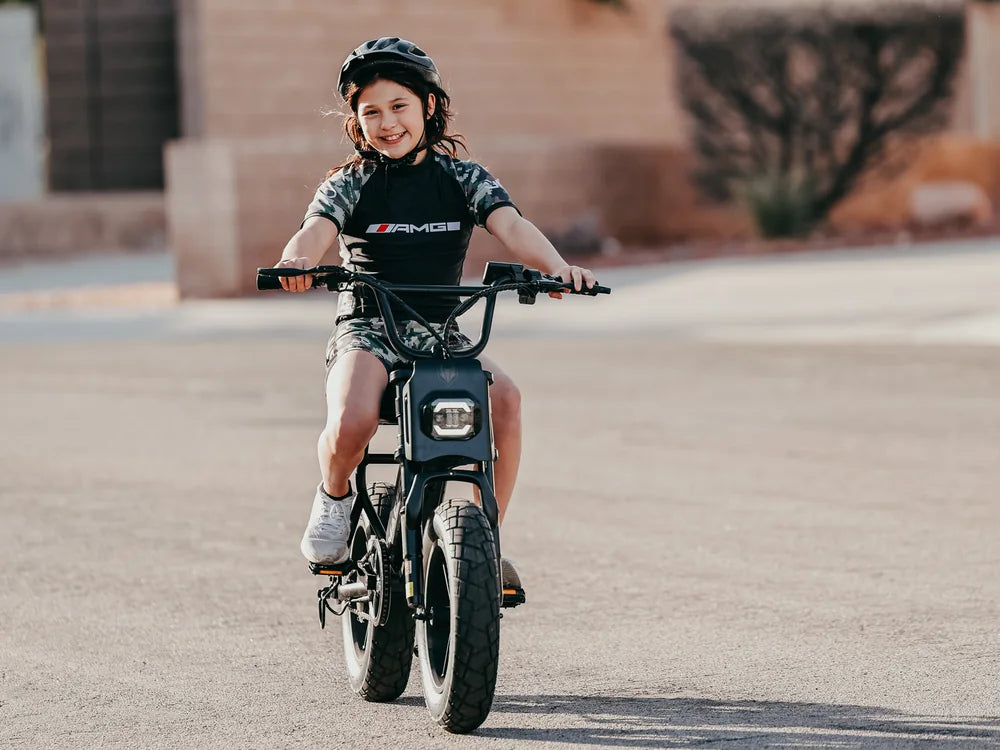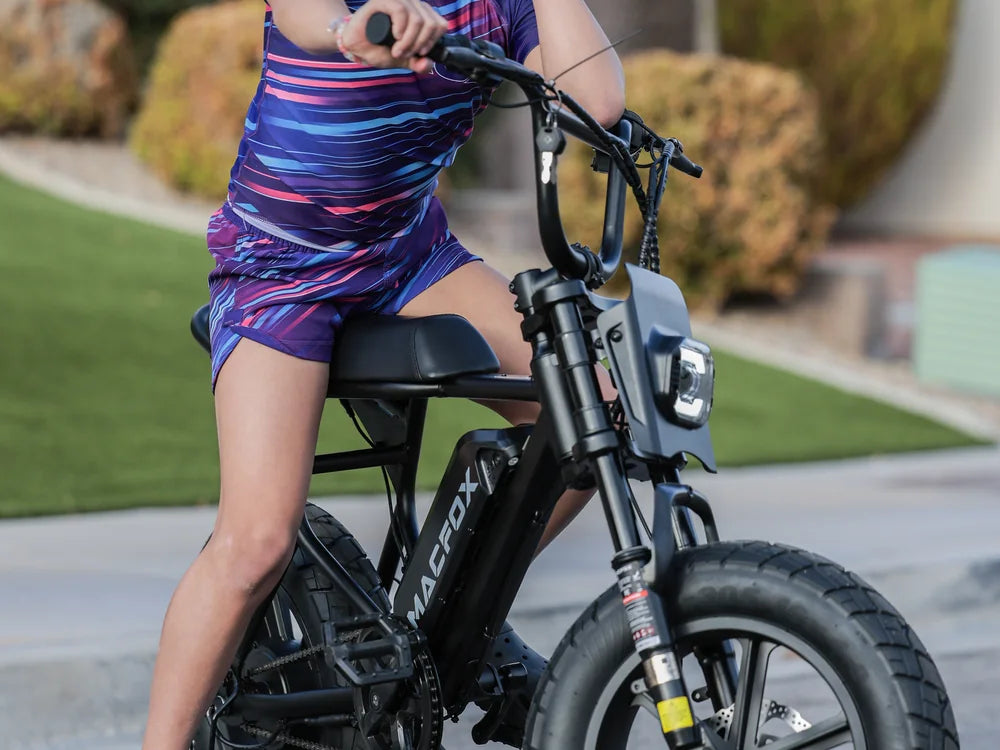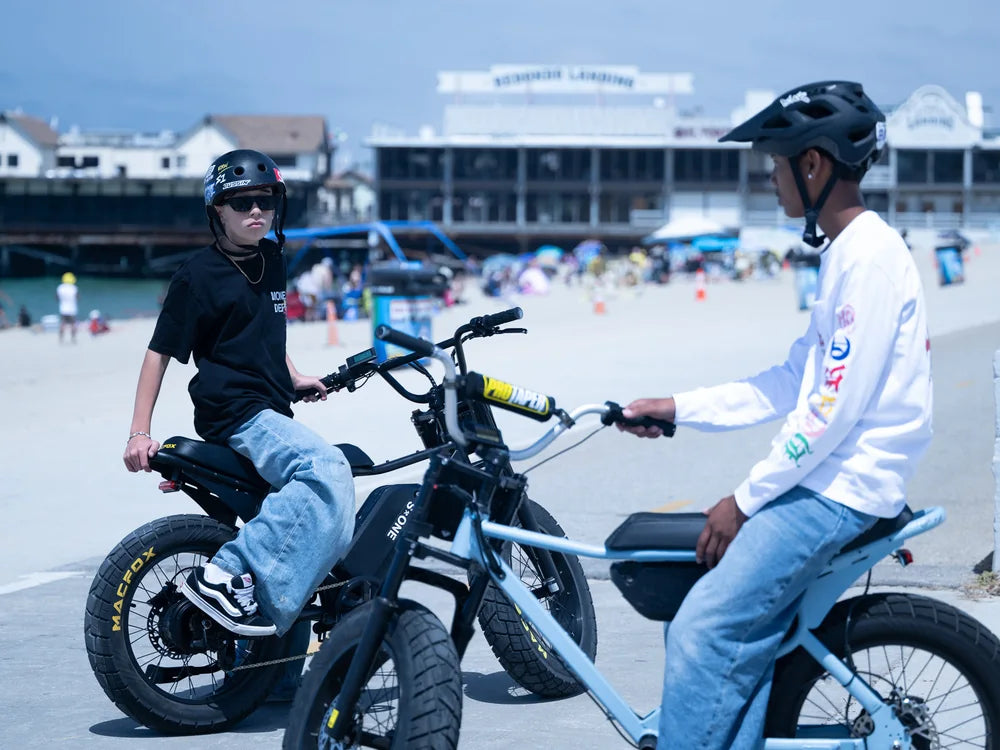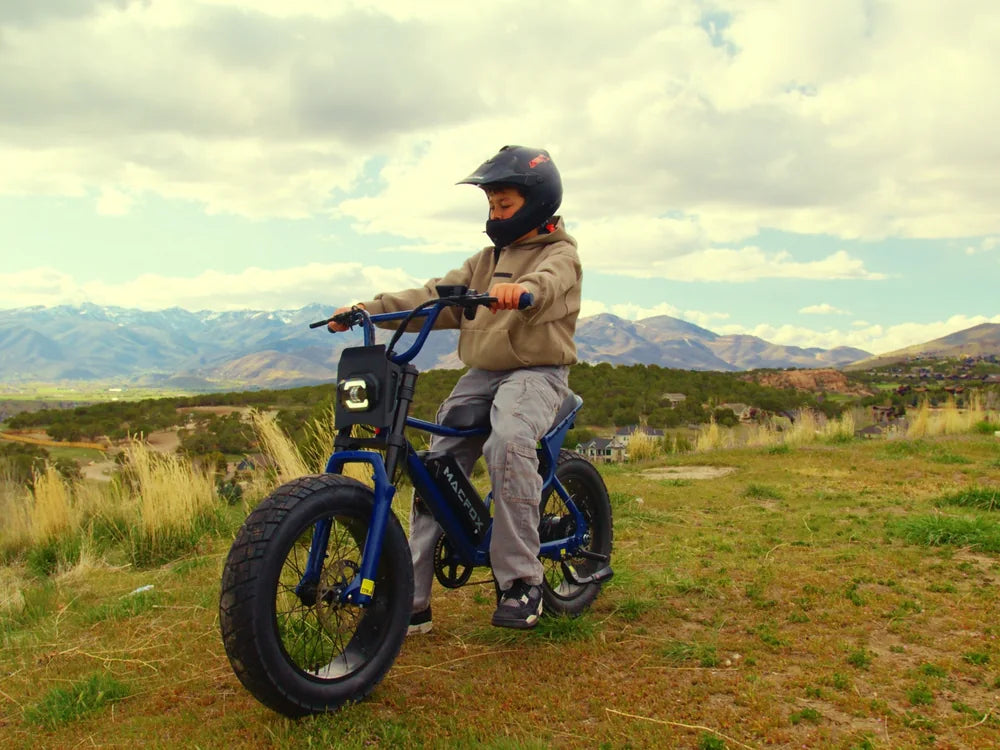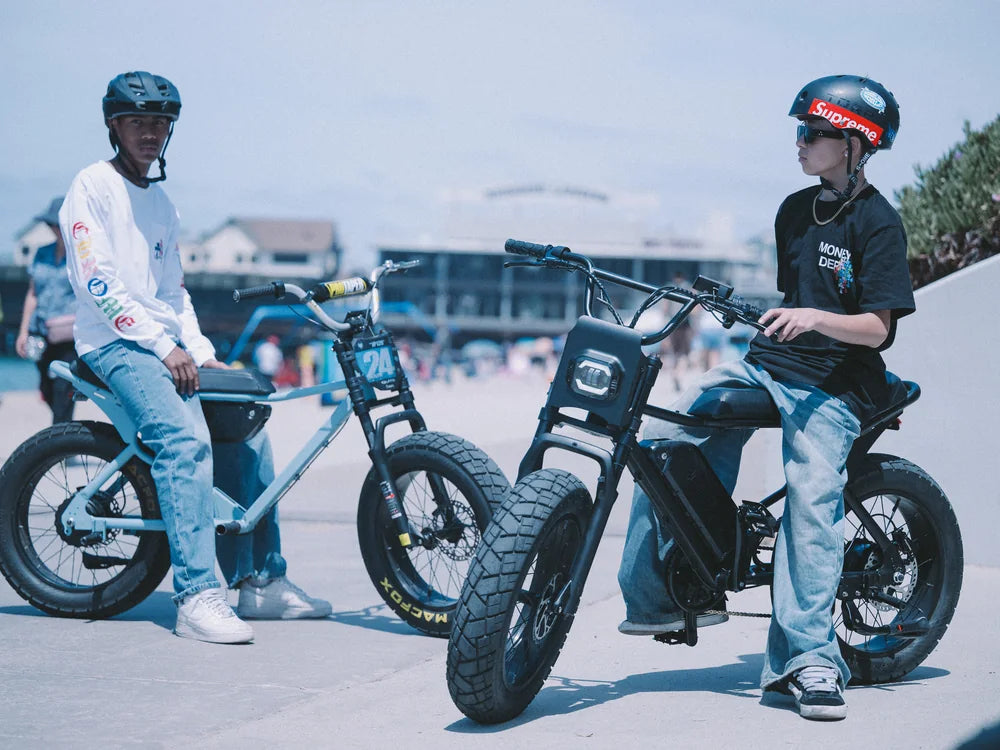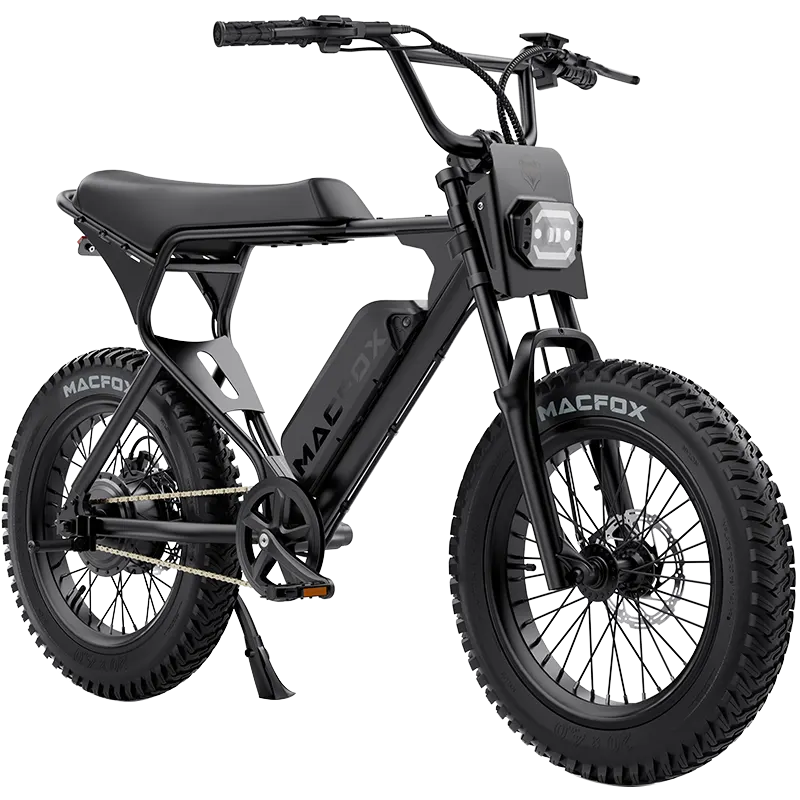

Teens can help pay for their own e-bike, but they do not need to cover a fixed percentage—or the full price—to prove they are responsible. First decide whether your teen, the intended routes, and the bike make sense together. Then agree on who pays for the purchase and the costs that follow. Their contribution should give them a real voice and real responsibility, not a way around fit, safety, school rules, or household limits.
When your teen has saved money from a part-time job, gifts, or months of setting cash aside, “I'm buying it with my own money” is not a throwaway line. It represents effort and a wish to be taken seriously. Your hesitation is not automatically a rejection of that independence. The purchase price is only one part of owning and using an e-bike. A fair decision respects the savings while making the entire plan clear before anyone checks out.

Approve the Ride Before Splitting the Price
Keep two decisions separate. The first is whether your teen should use this e-bike on the routes they actually have in mind. The second is how you will divide the cost. Saving enough money answers neither the fit question nor the route question by itself.
Before discussing percentages, confirm the basics: where the e-bike will be used, whether local and school rules allow the plan, where it will be parked and charged, and whether your teen can control it at slow speed. The teen e-bike readiness checklist can help organize that decision without turning this conversation into a complete first-bike guide.
The American Academy of Pediatrics' e-bike guidance for children and teens also emphasizes age, maturity, riding skills, training, and family expectations before a young person rides. Those considerations do not disappear because the purchase uses their savings.
If the answer is “not this bike” or “not yet,” explain which condition has not been met. A specific reason—such as an unapproved school route, a bike that is difficult to manage, or no secure charging location—gives your teen something real to solve. “Because I said so” turns a practical decision into a fight about whether their work and savings count.
Make the Contribution Mean Something Without Making It a Test
A contribution can teach useful ownership: comparing options, waiting instead of buying impulsively, and taking care of something your teen helped purchase. It should not become an arbitrary test such as “pay half or you do not deserve it.” There is no universal percentage that proves responsible riding.
Ask three questions before setting an amount:
- Where did the money come from, and how long did it take to save?
- What will they give up by spending it now?
- What other goal or emergency cushion should remain after the purchase?
The Consumer Financial Protection Bureau's guidance for talking with teens about saving recommends discussing what a young person gains, what they give up, and whether the tradeoff is worth it. Applied here, the useful question is not simply “Can you afford today's price?” It is “Will this purchase still make sense after the excitement of ordering is over?”
Be explicit about what the contribution changes. It may give your teen more say over an approved color, accessory budget, or timing. It does not silently transfer every decision. If both sides attach different meanings to the money, the conflict usually appears after payment, when it is harder to undo.
List the Whole Cost Before Anyone Commits
Do not divide only the price of the e-bike. Build one list that covers ownership from the first ride onward:
- The approved e-bike and any delivery or setup costs.
- A suitable helmet, a dependable lock, and any lights or visibility gear the route requires.
- Routine wear and maintenance.
- Damage caused by misuse, a broken family rule, or an unapproved modification.
- Lost keys, chargers, locks, or other accessories.
- A future battery replacement or larger repair that may eventually be needed.
This prevents a common bad outcome: your teen spends every saved dollar on the bike, then has nothing left for the helmet and lock that make the plan workable. It also prevents the opposite assumption—that paying for the bike once means every later cost automatically belongs to you.
The family does not need to predict an exact lifetime total. It does need to know which cost categories exist and who will respond when one appears. Readers who need the detailed cost breakdown can use the e-bike ongoing cost guide; repeating every estimate here would distract from the responsibility decision.

Choose a Split Both Sides Can Explain
The best arrangement is not the one that sounds toughest. It is the one both the parent and the teen can describe the same way a month later. Three workable starting points are:
- Fixed teen contribution: The teen contributes an agreed amount, while the parent pays the rest of the approved purchase and essential safety gear.
- Parent match: The parent matches some or all of what the teen has saved, within a total budget and a list of bikes already approved for the intended use.
- Teen-funded bike: The teen pays for the approved e-bike, while the parent covers only the safety or routine maintenance items agreed in advance.
Age, income source, family budget, and the reason for the e-bike can all change which split feels fair. A teen saving from regular work may want a different role from someone using birthday money. A parent who needs the e-bike to solve a school or activity commute may reasonably carry more of the cost than a parent considering a purely optional purchase.
Whichever structure you choose, write down who handles normal wear, misuse damage, loss, returns, future upgrades, and optional accessories. If a parent contribution is being treated as a birthday or holiday gift, keep the model decision visible instead of turning it into a surprise. The teen e-bike gift guide explains why fit and readiness still need the teen's involvement.
Set Ownership, Test-Ride, and Support Rules Before Checkout
“I paid for it, so it is mine” can mean several different things. Before ordering, decide whose account holds the order, who keeps the receipt and serial number, who completes any warranty registration, and who contacts support if something goes wrong. Your teen should know whether they may lend, sell, repaint, modify, or add parts to the bike—and which decisions still require your involvement.
This is not about taking away ownership after accepting their money. It is about making ownership visible enough that both sides know what they agreed to. If your teen pays a substantial share but you plan to control every color, accessory, and future sale without discussion, say that before payment. If you expect them to handle care and routine checks, define what that means rather than waiting for the first repair.
Complete a real test ride before the final purchase whenever possible. Your teen should be able to start smoothly, stop where intended, make slow turns, park, lock, and walk the bike without struggling. The teen e-bike control guide explains the fit and control factors worth comparing during that test.

After the test ride, compare only the bikes that passed the family's route, control, and budget checks. Use the official electric bike collection to confirm the current configuration, included items, warranty information, and support path before ordering. Keep the order record where both the parent and the teen can find it.
Finally, write down the funding and ownership terms in a place both sides can find. The payment split does not need to dominate the riding rules, but it should settle who handles maintenance, damage, modifications, and a future sale. A clear agreement lets the teen's contribution support independence instead of creating a new argument each time the bike needs something.
FAQ
Does a teen need to pay a fixed percentage to value the e-bike?
No. There is no universal contribution level that creates responsibility. The saving process, care routine, maintenance tasks, and follow-through on agreements show more than a percentage alone.
Can parents still set riding rules if the teen pays the full price?
Yes. Payment covers the purchase; it does not settle route suitability, parking, charging, household space, school requirements, or safety expectations. Those conditions should be agreed before the order is placed.
Should parents pay separately for the helmet and lock?
Either side can pay, but the budget for essential gear should be protected before the bike is ordered. A teen should not have to skip a suitable helmet or dependable lock simply to say they covered the entire bike price.
Who should pay for normal repairs and damage caused by misuse?
Agree on them separately. A family may share routine wear costs, while asking the teen to take more responsibility for damage connected to an unapproved modification, ignored maintenance, or a clearly broken agreement.
Can the teen sell or modify the e-bike later?
Do not wait until the teen finds a buyer or orders a part to decide. Set the family's ownership, resale, lending, and modification rules before purchase, including who controls the order and warranty records.