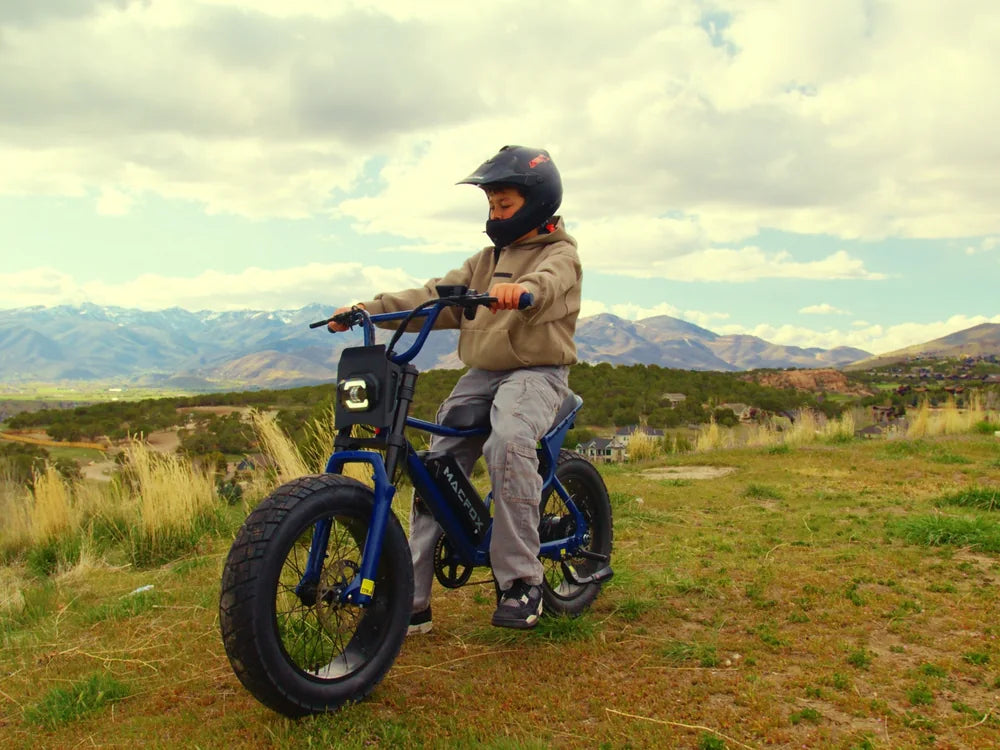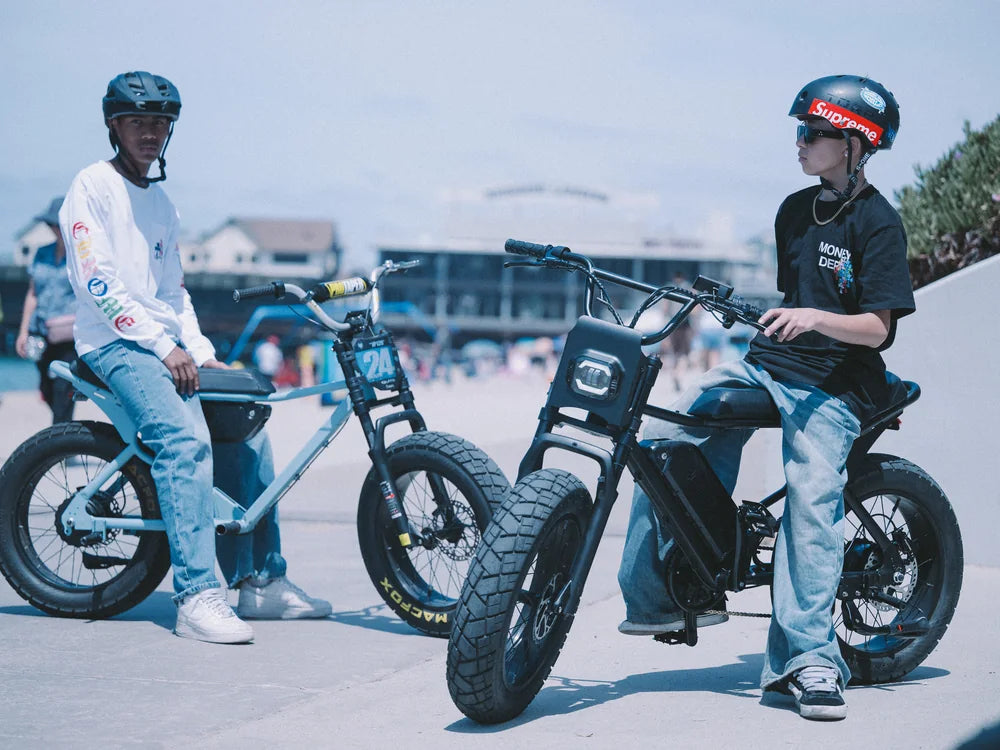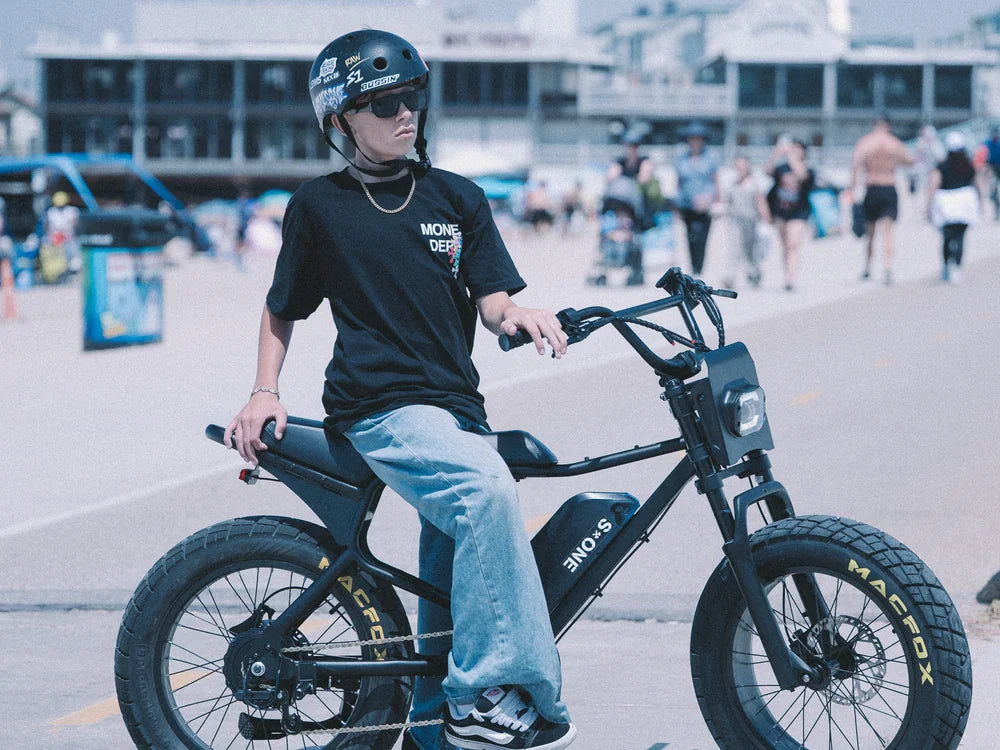

A teen has probably outgrown a first e-bike when the bike still feels cramped after basic service and any manufacturer-approved setup checks, and that cramped fit is starting to interfere with repeatable starts, stops, turns, or walking the bike. One awkward ride is not proof. Neither is asking for more speed, more range, or a newer look.
The fair way to decide is to separate three different problems: something on the bike has changed, the rider's body has changed, or the rider simply wants the bike to do a different job. That distinction keeps a teen from being dismissed when the fit really is wrong, while helping a parent avoid replacing an expensive bike before it is necessary.
Use the same familiar route and the same ordinary riding tasks that the teen already knows. The question is not whether they can force the bike to work for one more ride. It is whether the bike still supports calm, repeatable control without the rider folding themselves around it.

What Outgrowing an E-Bike Actually Feels Like
A growth spurt rarely announces itself with one perfect sign. More often, a bike that felt natural a few months ago begins to feel crowded in several small moments. The teen may bring their knees closer to the handlebar during a turn, sit in an unusual position to make room, or feel that their arms and legs no longer move freely through the same start-and-stop routine.
The useful signals are the ones that happen repeatedly:
- Knees, thighs, or arms feel crowded during normal pedaling and turning.
- A knee or another part of the body interferes with the handlebar or controls.
- Putting a foot down, restarting, or making a slow turn feels less natural than it used to.
- The teen changes posture just to create room instead of sitting in a relaxed, controlled position.
- Pushing, parking, or turning the bike by hand has become awkward after a noticeable period of growth.
Ask the teen to describe a specific moment instead of giving a general verdict. "My knee touches here when I turn left" is useful. "The bike feels old" is not enough on its own. A parent can then watch that same moment on two or three calm attempts. The goal is not to catch the teen exaggerating. It is to turn a vague disagreement into something both people can see.
Rule Out a Bike Problem Before Blaming Growth
If the bike suddenly feels harder to control from one day to the next, growth is not the first explanation. A low tire, brake drag, a loose or shifted control, damage from a fall, or an unfamiliar sound can change how a familiar bike feels. A heavier backpack or a new route with tighter turns can also make the same setup seem less comfortable.
Start with a basic condition check. Look for visibly low tires, controls that no longer sit where they normally do, rubbing or resistance when the bike rolls, and anything loose, bent, or damaged. If something seems wrong, pause the fit decision and have the bike checked. Do not ask the teen to compensate for a mechanical problem by changing how they sit or steer.
Some bikes offer manufacturer-approved adjustments; others have a more fixed moped-style riding position. Use only the adjustments described for that model and stay inside every stated limit. An adjustable part cannot solve every fit problem, and forcing an unapproved change can create a new one. After service or an allowed adjustment, repeat the same short ride before deciding that the bike is too small.
This step matters for the teen as much as the parent. If the complaint disappears after the tire, brake, or control issue is corrected, the teen has not been ignored. The actual problem has been solved without turning the conversation into an unnecessary upgrade.
Compare Today's Fit With the Teen's Own Baseline
This is not a first-time test ride. The teen already knows this bike, so the best evidence is a change from their own normal experience. Use the same bike, the same familiar short route, a similar backpack or load, and calm conditions. Changing several variables at once makes it harder to tell whether growth is really the cause.
Start with three checkpoints. First, have the teen take their usual riding position and explain whether the knees, arms, and hands still have the room they remember. Second, repeat one familiar slow turn, one normal stop and restart, and the usual walk into storage. Third, ride the short route where the problem has been noticed. Do not add a new hill, crowded path, or performance challenge.
Now compare the pattern:
| What changed | What it may suggest |
|---|---|
| The bike felt different suddenly, with no clear growth period. | Recheck condition, load, route, or a recent setup change. |
| The problem disappears after service or an approved adjustment. | The bike may still fit; keep watching the same ordinary tasks. |
| Cramped posture and body interference developed gradually after a growth spurt and remain after checks. | The bike is more likely to be physically too small now. |
| The bike fits normally, but the teen wants different range, performance, or style. | Treat it as a separate use or preference discussion. |
Repeat the baseline check on another day if the result is unclear. A continuing change from the teen's established routine is stronger evidence than one unusually tired or distracted ride. The teen e-bike control guide can supply the broader control standard when you eventually compare a different bike.

Wanting a Different Bike Is Not the Same as Outgrowing One
A teen can fit the current bike and still want something different. Friends may ride a different style. A new school route may be longer. A part-time job may create a new transport need. The teen may simply care more about color and street presence than they did when the first bike was chosen. Those are real preferences, but they are not proof that the current bike is physically too small.
Parents do not need to dismiss those preferences to keep the decision honest. Split the conversation in two. First ask, "Does this bike still fit and remain controllable?" Then ask, "Does it still do the job you need it to do?" The first question is about body position and control. The second is about route, budget, features, and personal style.
If the bike still fits but the teen wants more range or a different look, the household can discuss timing, savings, and whether the new use is frequent enough to justify another bike. If the bike no longer fits, replacement becomes a practical decision even if the teen would have preferred to keep it. Keeping these reasons separate prevents both sides from arguing about the wrong problem.
Choose the Next Bike for the Rider They Are Now
Once the current bike has clearly become too cramped, do not solve the problem by buying a bike that is too large today. A teen should be able to control the next bike now: get on, reach the brakes, turn slowly, stop, put a foot down, push it, and park it. "They will grow into it" is not a substitute for present-day control.
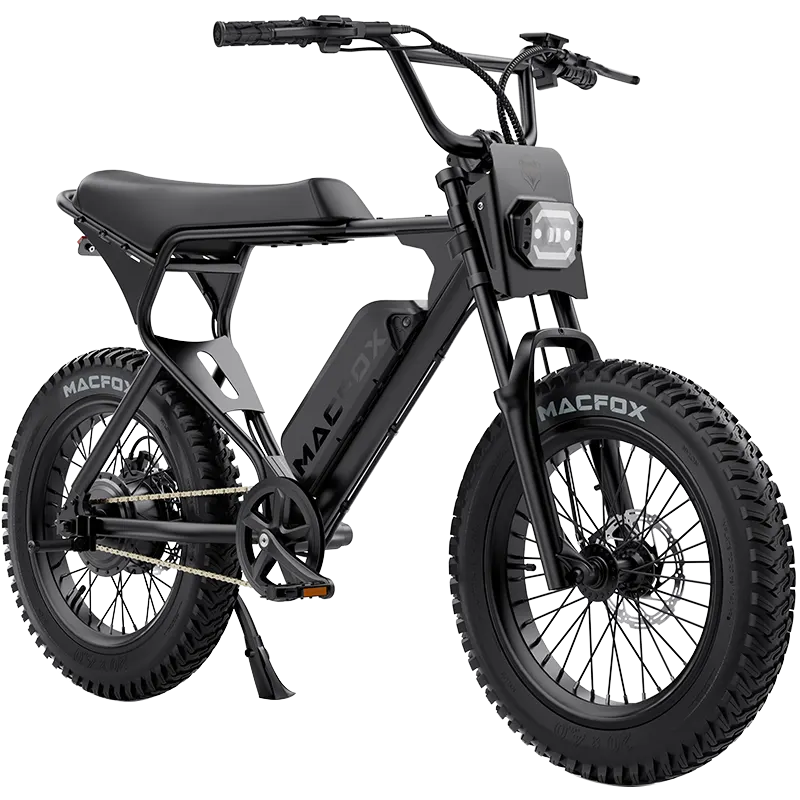
Use the Macfox e-bike size guide to narrow the models, then repeat the fit check with the actual young rider. The M16 remains useful while its compact body makes daily control easier; it should not be retired just because a birthday has passed. For a taller teen whose everyday use is street riding or commuting, the X1S can be a natural model to compare. The X7's wider fat-tire setup and more planted feel may suit a different rider and route, but only if the teen can manage its size and handling comfortably.
Moving from M16 straight to X7 is not an automatic age-based step. The M16 and X7 comparison explains the difference between compact control and a larger fat-tire feel. A teen who has outgrown M16 may find X1S more natural, while another may be ready to compare X7. The correct answer comes from fit, route, and repeatable control together.
If this feels like starting the buying process again, use the first e-bike guide for teens to revisit readiness and real daily use. Then compare the current Macfox electric bike lineup without treating the biggest model as the default upgrade.

The decision can stay simple. Fix a bike problem and retest. Keep the current bike if natural control returns. Compare a larger model only when cramped posture or control interference remains after the condition and setup checks. The next bike should fit the teen who is standing in front of you, not the taller person you imagine a year from now.
FAQ
Is Discomfort Alone Proof That an E-Bike Is Too Small?
No. Discomfort can come from a bike condition problem, an allowed setup that needs attention, a heavier load, a new route, or the rider's body changing. Check the bike and repeat the same ordinary control tasks before deciding.
Can an Adjustment Let a Teen Keep the Same E-Bike?
Sometimes. If the model provides a manufacturer-approved adjustment and it restores a natural position without exceeding any stated limit, the bike may remain suitable. Do not assume every Macfox seat or control is adjustable, and do not improvise changes outside the model's guidance.
Should Parents Buy the Next E-Bike Large Enough to Grow Into?
No. The next bike should support safe, confident control now. Extra size can make low-speed turns, stopping, pushing, and parking harder, even if the rider may eventually grow taller.
Does Wanting More Power Mean a Teen Has Outgrown the Bike?
No. Wanting different performance, range, or style is a change in preference or use, not proof of poor physical fit. Discuss that need separately from the growth-spurt fit check.
Which Macfox Model Should Come After M16?
There is no automatic next model based on age. Check the teen's current fit, low-speed control, normal route, and the role the next bike needs to serve. X1S and X7 may both be comparison options for different riders, but neither should be chosen before the teen can control it comfortably.