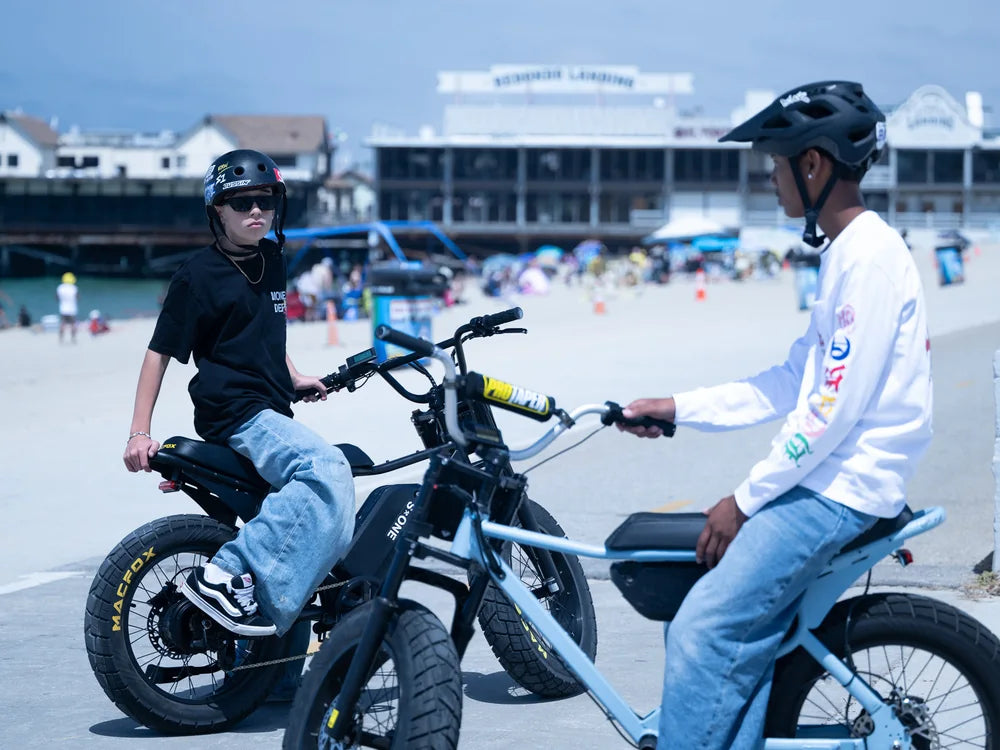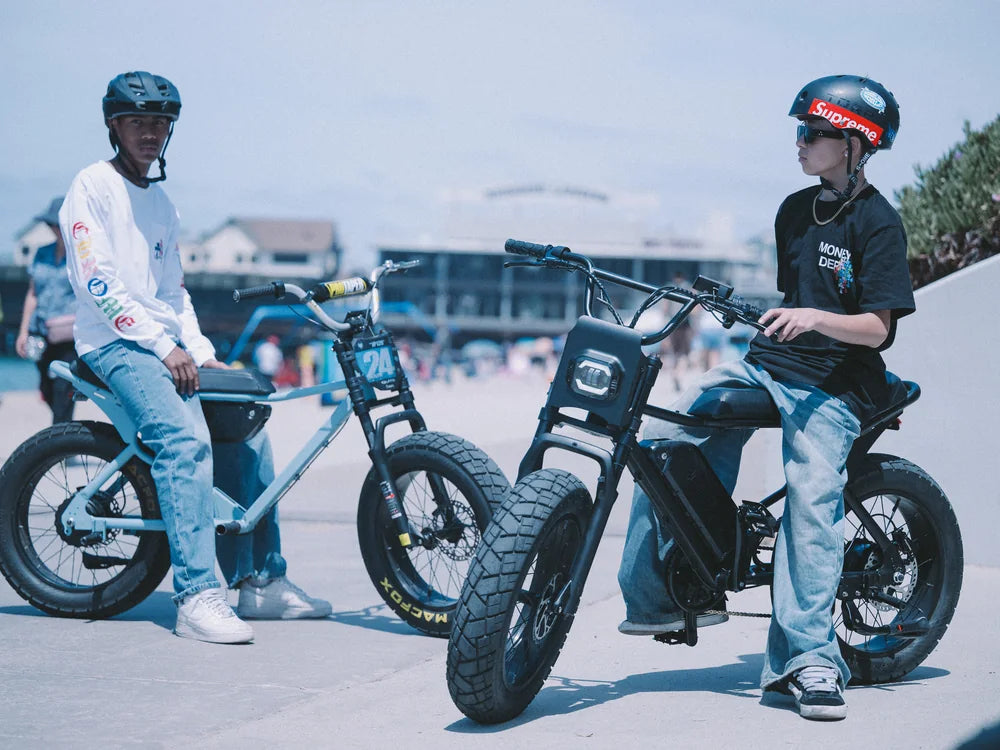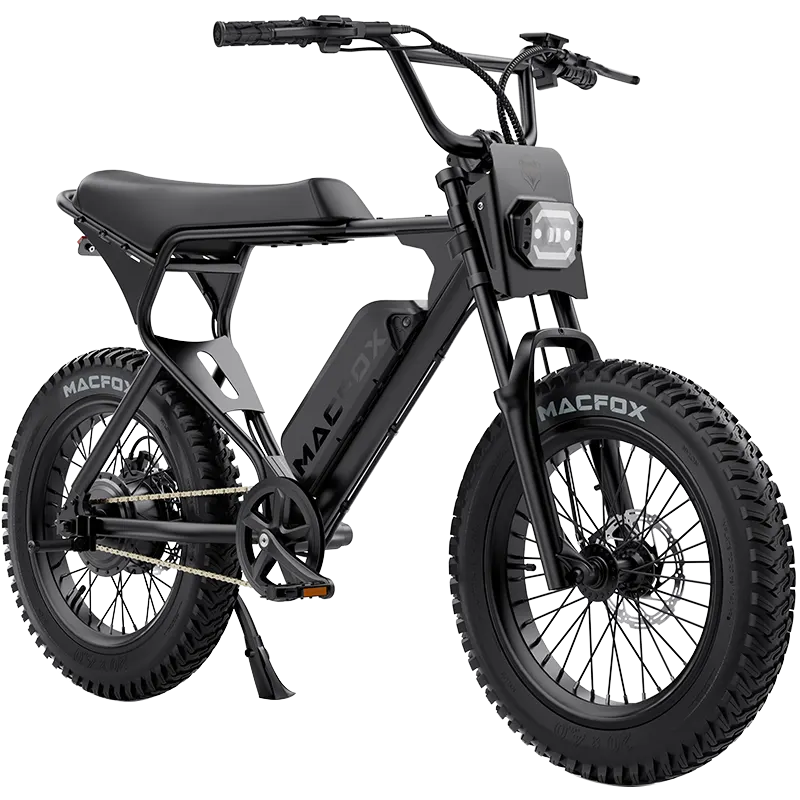

If a police officer clearly signals you to stop while you are riding an e-bike, slow down, choose a safe and visible place, stop fully, switch the bike off, and listen. Do not race home, turn into an alley, or keep moving while you try to explain. Once you are stopped, keep your hands where they can be seen, tell the officer before reaching for your phone or anything in a bag, and ask to contact a parent.
That can feel awkward, especially if friends are watching or you are worried the bike will be taken. The goal is not to win an argument on the curb. It is to keep a simple stop from becoming a larger problem, understand what happens next, and bring the right information home. You can question a decision later with a parent and the correct agency; you cannot undo the choice to ride away.

Stop the Ride Before You Explain It
As soon as you understand that the lights, siren, voice, or hand signal is meant for you, check the traffic around you. Signal that you are slowing, move out of the travel lane when it is safe, and stop somewhere the officer and other road users can see you. Avoid a blind corner, the middle of an intersection, or a place where you would block a driveway or path.
Turn off the motor assistance. Put both feet down, use the kickstand, or get off if the officer directs you to do so. Leave the bike where it is unless you are asked to move it. You may be tempted to continue another block because home, school, or a friend's house is close. Do not. A short delay in stopping can look very different from the saddle than it does to the person trying to stop you.
The California DMV's law-enforcement stop guidance advises road users to stop in a well-lit place when possible and keep their hands in clear view. Procedures and legal requirements vary by state, but the practical safety lesson carries over to an e-bike: become stationary, visible, and easy to communicate with before reaching for anything.

Keep the Conversation Simple
Listen for the reason for the stop and for any immediate instruction about where to stand or where to leave the bike. Answer clearly and truthfully. If you did not hear a question, ask the officer to repeat it rather than guessing. If you need your phone, identification, or information stored in a backpack, say where it is and ask before reaching for it.
Tell the officer that you are a minor and would like to contact your parent or guardian. That does not mean every conversation will pause immediately or follow the same process in every place. It gives the officer a clear way to involve the adult who can confirm the bike, receive instructions, and handle any later deadline.
If you think the officer has mistaken your e-bike for another kind of electric vehicle, stay calm. You can say, “I have the model information on my phone. May I show it to you?” If the disagreement continues, remember the agency, location, and paperwork so your parent can follow up. Do not grab the bike, talk over instructions, or try to prove your point by making the motor run.
This matters because riding away can become a separate issue from whatever caused the stop. In a recent community discussion, Louisville Police specifically urged parents to teach young people what to do when pulled over after some riders tried to elude officers and faced more serious consequences. The same Boulder Valley youth e-bike safety discussion also makes an important distinction: the original stop may be about riding behavior, the vehicle, or both.
Know What the Officer May Be Looking At
The first question may be about how you were riding. Common concerns include failing to stop, riding without lights, ignoring traffic directions, moving too fast for a crowded place, carrying out a stunt near other people, or using a sidewalk, path, or school area in a way local rules do not allow. You do not need to guess which one applies. Listen to the reason the officer gives and keep your answer tied to what actually happened.
The second question may be about what you were riding. An officer may look at the working pedals, class label, current settings, or visible modifications. A bike that was sold one way can create a different roadside question after parts or settings have been changed. The Riverside County Sheriff's recent e-bike enforcement report described towing and citations connected with vehicles treated as e-motos, licensing issues, and modifications. That is one local operation, not a prediction of what will happen everywhere.
Do not try to memorize every state rule during the stop. Your family should already know the local age, helmet, path, and vehicle requirements that apply to the normal route. The youth e-bike laws guide for parents is the better place to review those broader questions. Here, the useful step is to identify whether the officer is asking about your behavior, the bike's current setup, or both.
Leave With the Right Information
A stop may end with an explanation, a warning, a citation, a required class, or the bike being held. The result depends on the location, the vehicle, the behavior, prior contacts, and the officer's authority. Do not assume that a first stop always means a warning. Do not assume that seeing another teen take a safety class means your situation will work the same way.
Before you leave, listen for the action you are expected to take. Keep every paper, card, receipt, or written instruction you receive. Ask which agency your parent should contact and whether a deadline, court date, safety course, or bike-retrieval step applies. If the bike is held, do not interfere with the officer or try to ride it away. Ask for the written information your parent will need to follow up.
Local programs show why the details matter. The Mill Valley Police youth e-bike program says an officer may use an educational citation for some juvenile first offenses, with a safety class and parent conference. Other departments may use different warnings, citations, towing, or court procedures. Treat the document in your hand, not somebody else's story, as the starting point.

Tell your parent the same day. A useful message is short: where the stop happened, which agency was involved, what reason you were given, whether the bike came home, and what paper or instruction you received. Hiding it until a deadline passes takes away the adult help you wanted at the scene.
Build a Five-Step Plan Before the Next Ride
No teen needs a speech to remember during a stressful stop. A five-step plan is easier: Stop, Power Down, Listen, Contact, Keep.
| Step | What the teen does | What the parent prepares |
|---|---|---|
| Stop | Move to a safe, visible place and do not ride away. | Make “stop when clearly signaled” a firm family rule. |
| Power Down | Switch off the bike and park it as directed. | Make sure the teen knows the controls and can park the bike calmly. |
| Listen | Hear the reason and instructions before responding. | Do not expect the teen to argue a complicated rule alone. |
| Contact | Ask to call a parent or guardian. | Keep a backup adult number available. |
| Keep | Save every warning, citation, receipt, or course notice. | Check the agency, deadline, class, court, or retrieval instructions. |
Save a parent contact, a backup contact, and the bike's official model information on the phone. Parents should know the bike's current configuration rather than relying on how it looked at purchase. If the family is still comparing models, the official electric bike collection provides the current product pages to review before a supervised test ride and purchase.
The best plan starts before police are involved. Use the guide to riding safely and avoiding complaints to make everyday behavior more predictable, and set clear e-bike route boundaries so a teen knows which streets, paths, and destinations have already been approved. Those steps cannot guarantee that a stop will never happen. They can make the bike, route, and family response much easier to explain.
Being stopped does not automatically define you as an unsafe rider. What matters next is whether you stop safely, stay honest, involve the adult responsible for the follow-up, and learn exactly what needs to change before the next ride.
FAQ
Should a teen call a parent as soon as an officer stops them?
First stop safely and listen to the officer's immediate directions. Then say that you are a minor and ask to contact your parent or guardian. The timing and process can vary, but asking clearly gives the officer a practical way to involve the adult who will handle the next steps.
Can police take an e-bike during a stop?
It can happen in some places and circumstances, especially when officials believe the vehicle does not qualify for the use being made of it or another local rule allows it to be held. It is not an automatic outcome everywhere. If the bike is held, do not interfere; ask for written retrieval or contact instructions and involve a parent.
What if the teen believes the officer has the bike's class wrong?
Stay calm and offer the official model information if the officer allows it. Do not change settings, operate the motor, or turn the stop into a roadside argument. Keep the agency and document details so a parent can verify the classification and raise the question through the proper local process.
What if the teen did not realize the officer was signaling them?
Once you understand that the signal is for you, stop in the first safe and visible place. Explain honestly that you did not recognize the signal at first. Do not keep riding because you have already traveled farther than you intended.