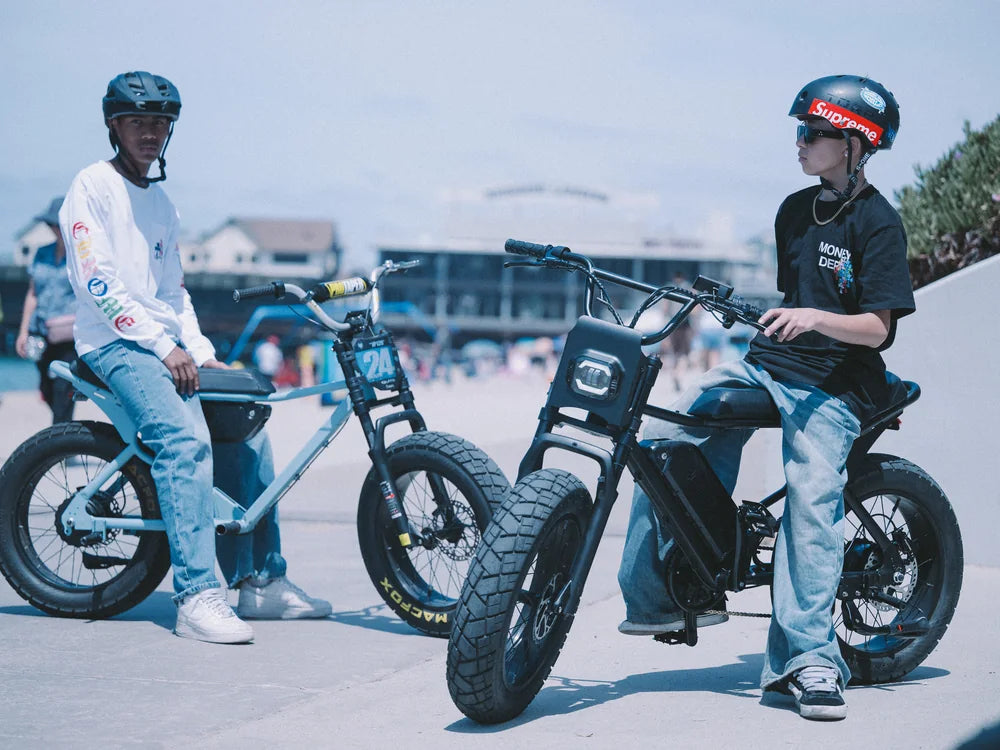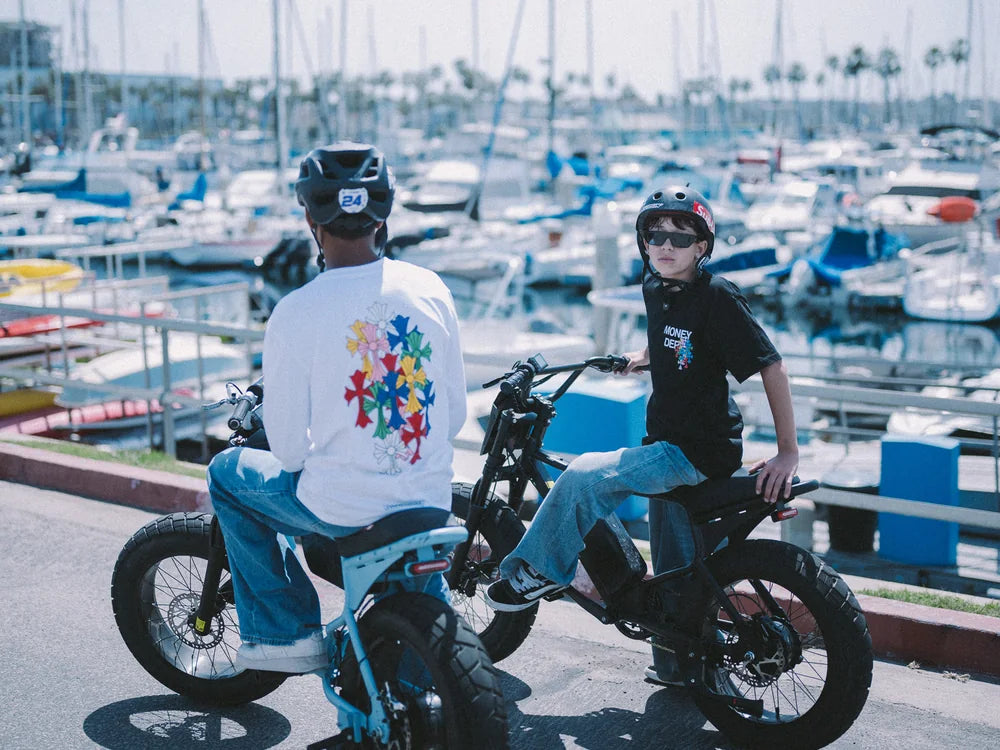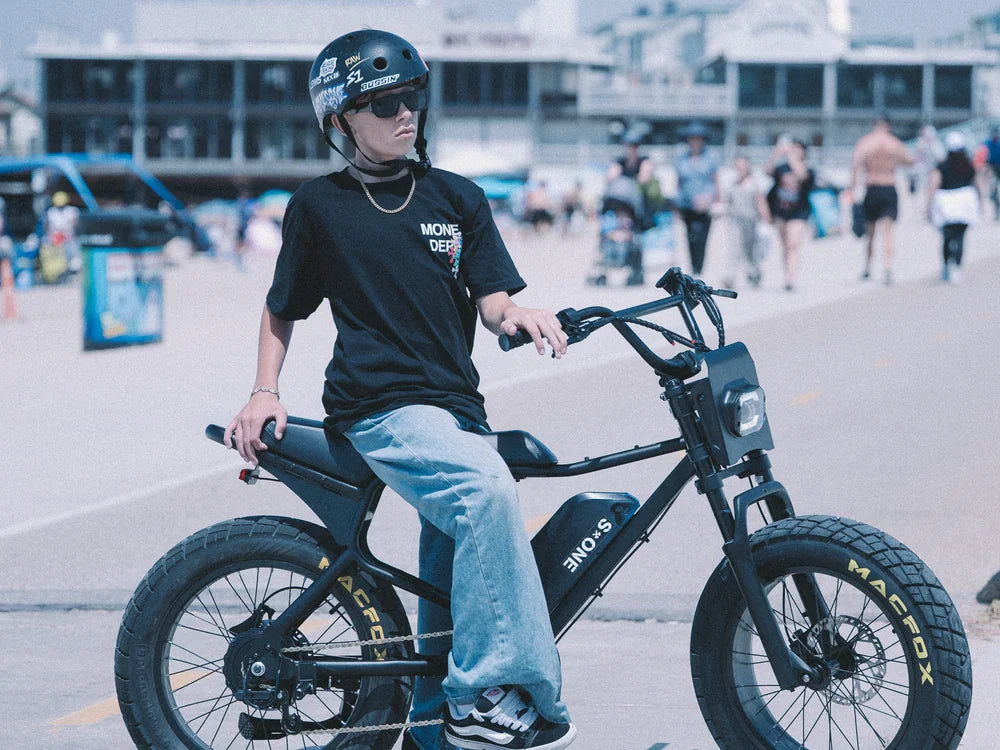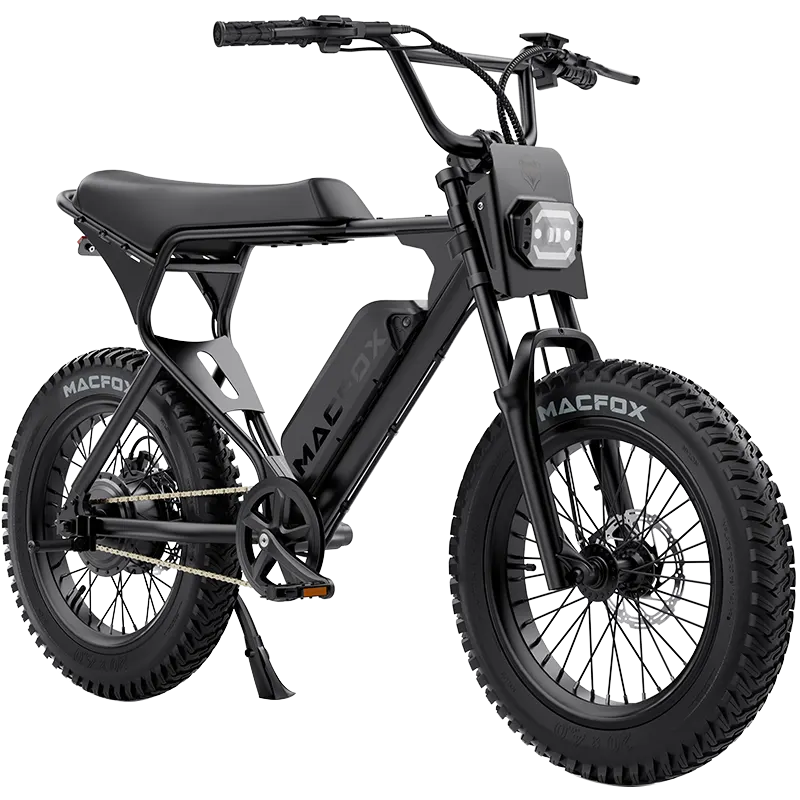

The short answer: your teen may be ready for an e-bike if they already ride a regular bike with control, follow traffic rules without constant reminders, can handle the planned route, and will accept family limits on speed, passengers, phone use, charging, and where they ride. If those pieces are not in place yet, start with supervised practice or a simpler bike before buying.
This checklist is for parents who are not just asking, "Is my teen excited?" but "Can my teen ride independently without turning every trip into a risk?" It is not legal advice, medical advice, or a promise that any bike is right for every rider. Local rules, road conditions, maturity, and family supervision still matter.
Quick Readiness Checklist
Use this as a first screen before you compare models or prices. A teen does not need to be perfect, but they should be predictable.
| Readiness Area | Ready Sign | Not Ready Yet |
|---|---|---|
| Bike control | Starts, stops, turns, looks behind, and brakes smoothly on a regular bike. | Wobbly starts, late braking, panic turns, or one-hand riding habits. |
| Rule following | Stops at signs, rides predictably, respects sidewalks and crossings. | Needs repeated reminders or treats traffic rules as optional. |
| Route awareness | Can explain the route, crossings, traffic points, and backup plan. | Only knows the destination, not the risks between home and there. |
| Family limits | Accepts speed, passenger, phone, helmet, and charging rules. | Argues that rules are unnecessary before earning trust. |
| Bike fit | Can stand, steer, brake, park, and turn the bike comfortably. | The bike feels too tall, too heavy, or too quick to manage calmly. |

Start With Skill, Not Age Alone
Age can be part of the decision, but it should not be the whole decision. A careful younger teen on a calm neighborhood route may be more prepared than an older teen who ignores rules, rides distracted, or overestimates their control.
Before you shop for a electric bike, watch how your teen rides a regular bike. Can they start without swerving? Can they brake before a turn instead of inside the turn? Can they ride slowly without losing balance? Can they look over a shoulder and keep a straight line? Those basics matter more once motor assist enters the ride.
If your teen still needs the fundamentals, use the teen's first e-bike as a broader buying guide later, but keep the first step simple: build control before adding more speed, weight, or responsibility.
Check Whether Your Teen Understands the Rules
A teen e-bike is still part of public space. That means stop signs, road position, sidewalk rules, bike-lane etiquette, school policies, local class rules, helmet expectations, and where an e-bike is allowed to go. Parents should not assume the rules are obvious just because the route is familiar.
Ask your teen to explain the rules back to you in plain language. Where do they ride if there is no bike lane? What do they do at a four-way stop? Can they ride with a passenger? Can they use headphones? What happens if a friend asks to try the bike? If the answers are guesses, the next step is a rules conversation, not a checkout page.
Because state and local rules vary, review the youth e-bike laws before you decide. The goal is not to turn the purchase into a legal lecture. The goal is to avoid buying a bike your teen cannot responsibly use in the places they actually ride.
Map the Real Route Before Buying
A teen may be ready for one route and not ready for another. A quiet ride to a nearby friend's house is different from a school commute with busy intersections, parked cars, driveways, and morning traffic. Readiness has to match the route, not the fantasy version of the route.
Walk or drive the route together first. Mark the hardest left turn, the fastest road segment, the awkward driveway, the narrow shoulder, the place where visibility is poor, and the backup route if something feels wrong. Then ask whether your teen can describe those points without help.
If the main use is school transportation, pair this checklist with the school commute safety guide. School rides add timing pressure, backpacks, crowded pickup zones, and other students. Those details can change the answer even when the bike itself seems reasonable.
Set Family Rules Before the First Ride
The best time to set rules is before the bike arrives. Once the bike is already in the garage, it is much harder to negotiate calmly. Write the rules down and make them specific enough that everyone knows what counts as a problem.
| Rule | Good Family Standard |
|---|---|
| Helmet | Helmet on every ride, even short neighborhood trips. |
| Phone | No texting, filming, scrolling, or headphones while riding. |
| Passengers | No passenger rides unless the bike, local rules, and parent permission allow it. |
| Route | Approved routes first; new routes require a parent check. |
| Charging | Use the correct charger, avoid damaged batteries, and charge where parents approve. |
| Friends | No loaning the bike out without permission. |
Rules should also come with a reset plan. If your teen breaks a rule, the answer may be a pause, a supervised ride, or a route restriction before independent riding resumes. The point is to make safe habits normal, not to create a constant argument.

Choose a Bike That Matches the Rider, Not the Bragging Point
A teen's first e-bike should be easy to control, easy to stop, and suited to the actual route. Bigger numbers do not automatically make a better teen bike. Weight, seat height, tire size, braking feel, throttle behavior, and turning space all affect whether the rider feels in control.
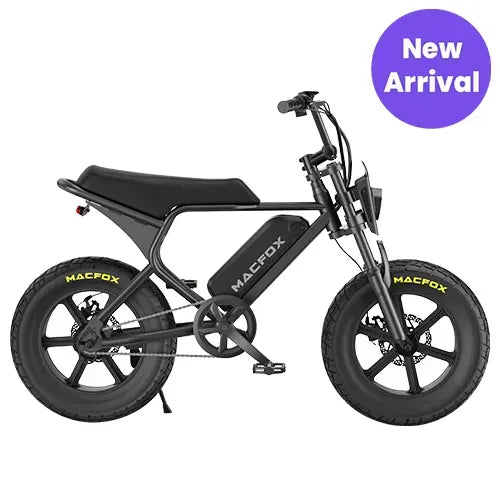
Macfox's youth and young-rider positioning is strongest when the conversation stays grounded: legal use, daily independence, personal style, and family confidence. For a smaller rider who needs a compact, easy-control feel, the M16 is the natural entry point. For a taller teen or young rider using a familiar daily route, the X1S fits the classic punk-style commuter role. For riders who need more tire presence and grip confidence, X7/X7L sits in the wider-fat-tire lane. X2 is the stronger full-suspension and longer-range choice for more complex routes, not a shortcut around readiness.
If you are deciding between an e-bike and staying with a regular bike a little longer, use the teen e-bike vs regular bike comparison. Waiting can be the right answer when the rider is not ready for the responsibility yet.
Do a Supervised Test Period
Readiness is easier to see over several short rides than in one big conversation. Start with a quiet parking area or a low-traffic neighborhood loop. Watch starts, stops, turns, lane position, eye movement, and how your teen reacts when something changes.
A good first week might look like this: one control practice ride, one short route ride with a parent nearby, one repeat of the same route, and then one independent ride only if the first three were calm. Keep the route boring on purpose. Independence should grow from repetition, not from pressure.
Use the rules for teens about e-bikes as the house-rule companion. That page can support the practical "what we expect every ride" conversation after this readiness screen.
Red Flags That Mean Wait
Buying later is better than buying into a preventable problem. Wait if your teen cannot control a regular bike smoothly, refuses helmet rules, wants the bike mainly for stunts, plans to carry friends, hides route details, wants to ride in traffic before practicing, or treats local rules as something parents worry about but riders ignore.
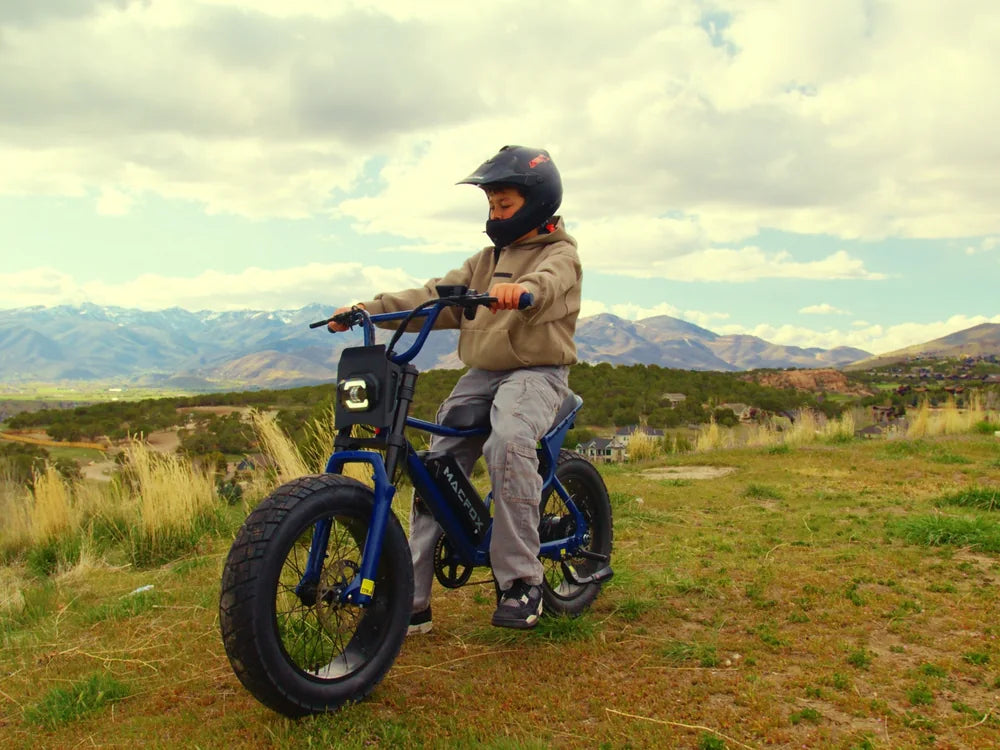
Also wait if the bike does not physically fit. A teen should be able to stand over the bike, reach the controls, turn at low speed, brake confidently, and manage parking without the bike tipping or dragging them around. If they look nervous moving the bike in a driveway, they are not ready for a busy route.

Green Flags That Mean Start Small
Move forward carefully if your teen rides predictably, accepts family limits, knows the route, understands where e-bikes are allowed, can explain what to do at crossings, and treats the bike as transportation rather than a toy to prove something.
Even then, start small. Approve one route before approving every route. Approve daylight rides before low-visibility rides. Approve solo riding before social riding. Review the first few weeks together and adjust the rules based on what actually happens.
Parent Decision Summary
Your teen is ready for an e-bike when skill, rules, route, fit, and maturity line up at the same time. If only excitement is high, wait. If only the bike looks cool, wait. If your teen can ride predictably, explain the rules, follow a known route, and accept clear family limits, an e-bike can become a practical step toward independence.
The right question is not "Can my teen ride it once?" The better question is "Can my teen ride it the same safe way next week, when friends are watching, when the route is busy, and when no parent is standing beside them?" When the answer is yes, you have a much stronger case for buying.
FAQ
What age is best for a teen e-bike?
There is no single age that works everywhere. Local rules, bike class, route risk, rider maturity, and bike fit all matter. Treat age as one filter, not the final answer.
Should a teen get an e-bike for school?
Only if the school route is realistic, legal, and practiced. School rides add traffic, timing pressure, backpacks, and crowded pickup zones, so route planning matters more than the distance alone.
Is a smaller e-bike better for a younger teen?
Often, yes. A lower, compact bike can be easier to start, stop, and park, but fit still has to be checked with the actual rider and route.
What should parents do before buying?
Watch regular-bike control, review local rules, approve one route, set family riding rules, check bike fit, and run a supervised practice period before giving full independence.