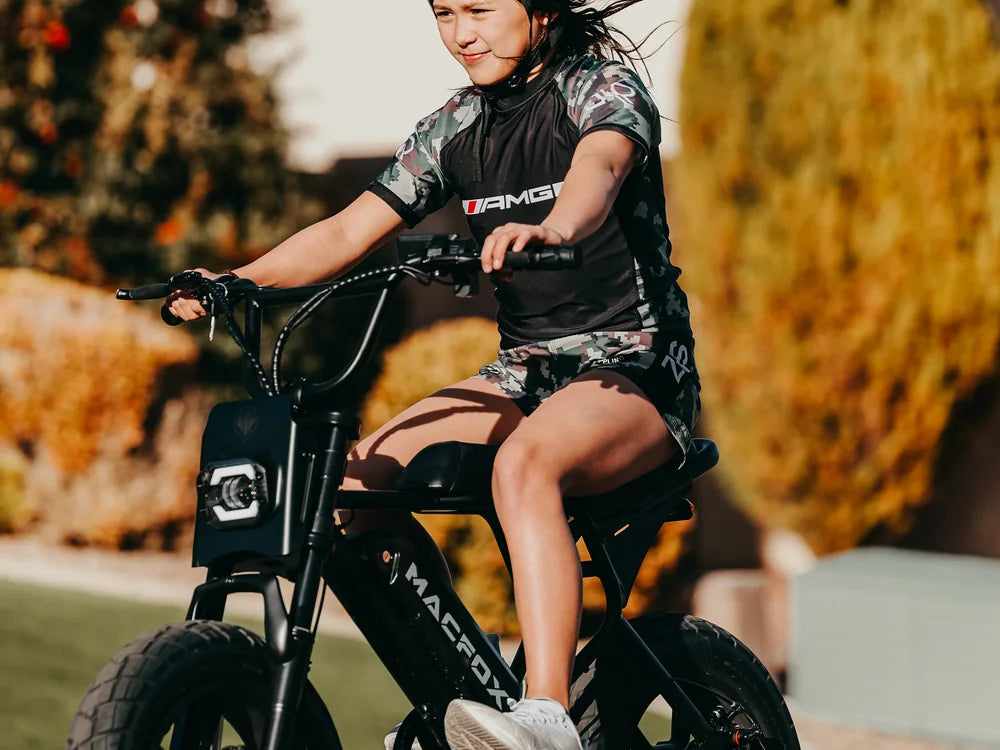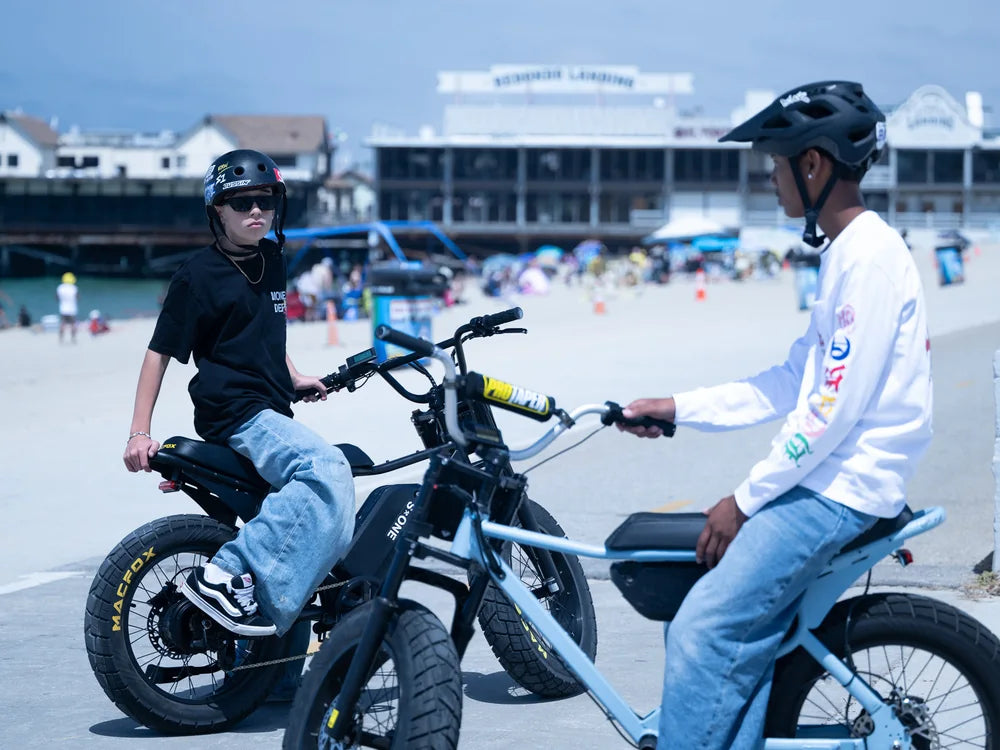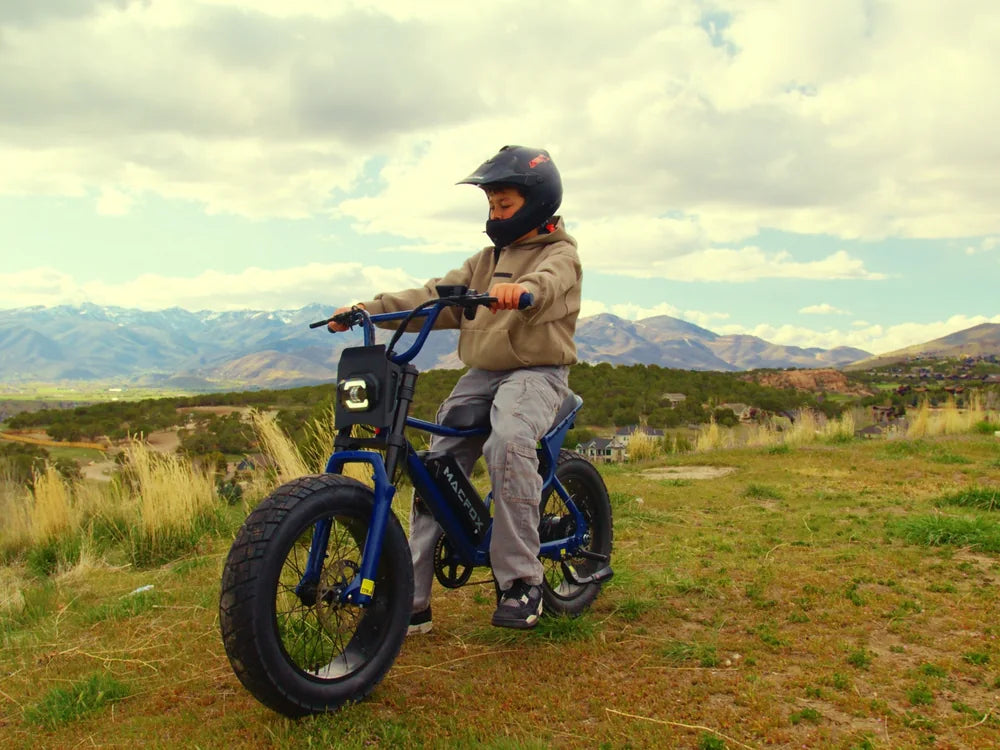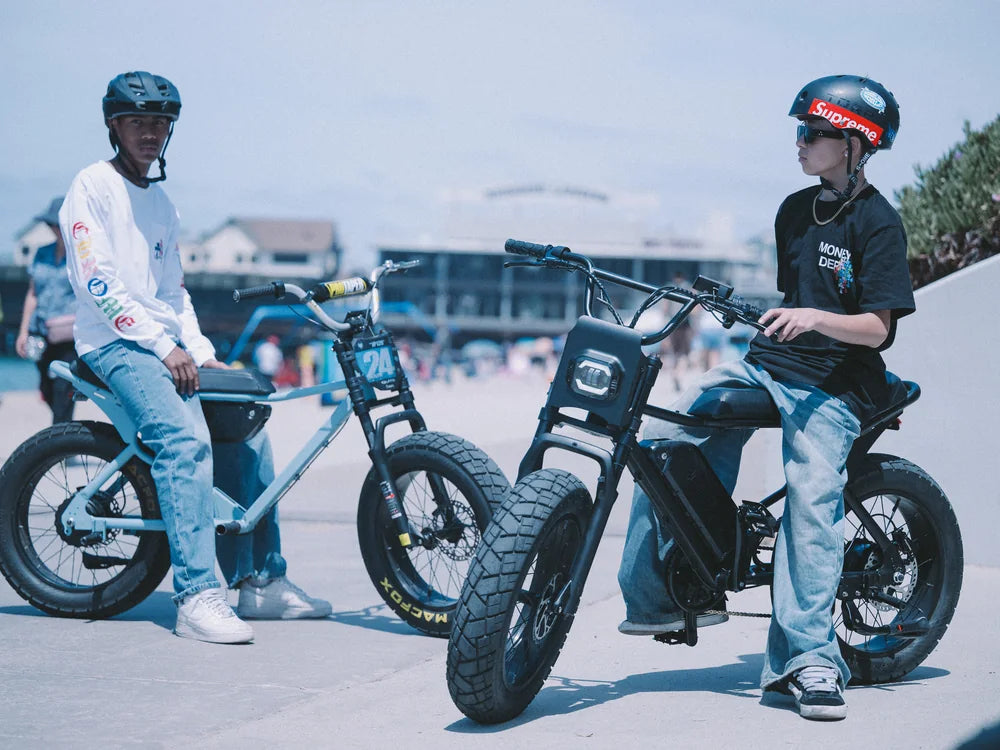

Parents and teens are more likely to enjoy an e-bike ride together when each person uses a bike that fits, the teen helps choose the destination, and both agree on pace, position, and a regroup plan before leaving. The ride should feel like time together, not a lesson with wheels.
That difference matters. A parent may picture a healthy afternoon and a chance to see how the teen handles real situations. The teen may picture being corrected at every corner or dragged along on a route they never chose. Both people can want the same outing and still expect completely different experiences from it.
The best plan gives the parent enough structure to feel comfortable and gives the teen enough ownership to feel respected. Start short, choose somewhere worth going, and leave room for conversation that has nothing to do with riding technique.

Choose a Place Your Teen Actually Wants to Visit
A family ride becomes easier to accept when it has a purpose beyond exercise. Ask where the teen would genuinely like to go: a café, a favorite store, a park, a waterfront, a photo spot, or a place to meet someone for a few minutes. The destination does not have to impress the parent. It only needs to make getting on the bike feel worthwhile to both people.
This does not mean the teen chooses without limits. A practical approach is to offer two or three destinations that fit the time, route, local rules, and current experience level, then let the teen make the final choice. An older or more experienced teen can suggest a destination first, with the parent checking whether the route makes sense.
Keep the first few rides shorter than the longest distance either person could manage. Finishing with energy left is better than proving that everyone can survive a long return trip. A pleasant stop and an easy ride home create a reason to do it again. A forced final stretch turns the outing into evidence for why the teen should decline next time.
Teens do not always reject time with a parent. They often reject activities that arrive fully planned, measured, and explained before they have any say. Giving them a real choice changes the emotional starting point without removing the parent's responsibility for the route.
Bring One Bike for Each Person
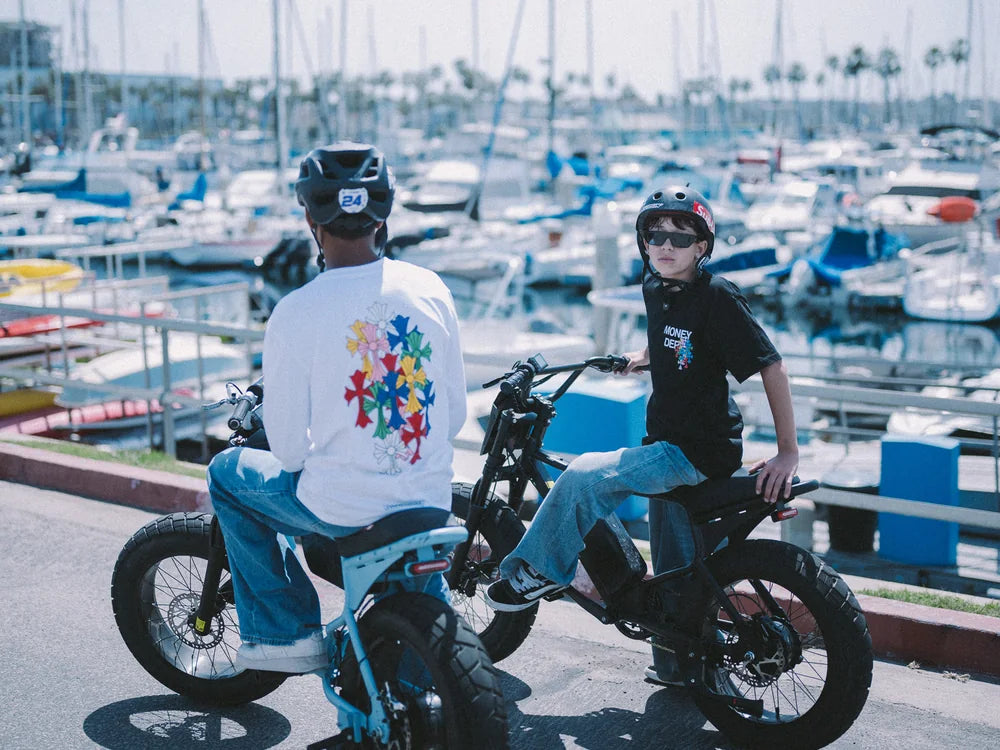
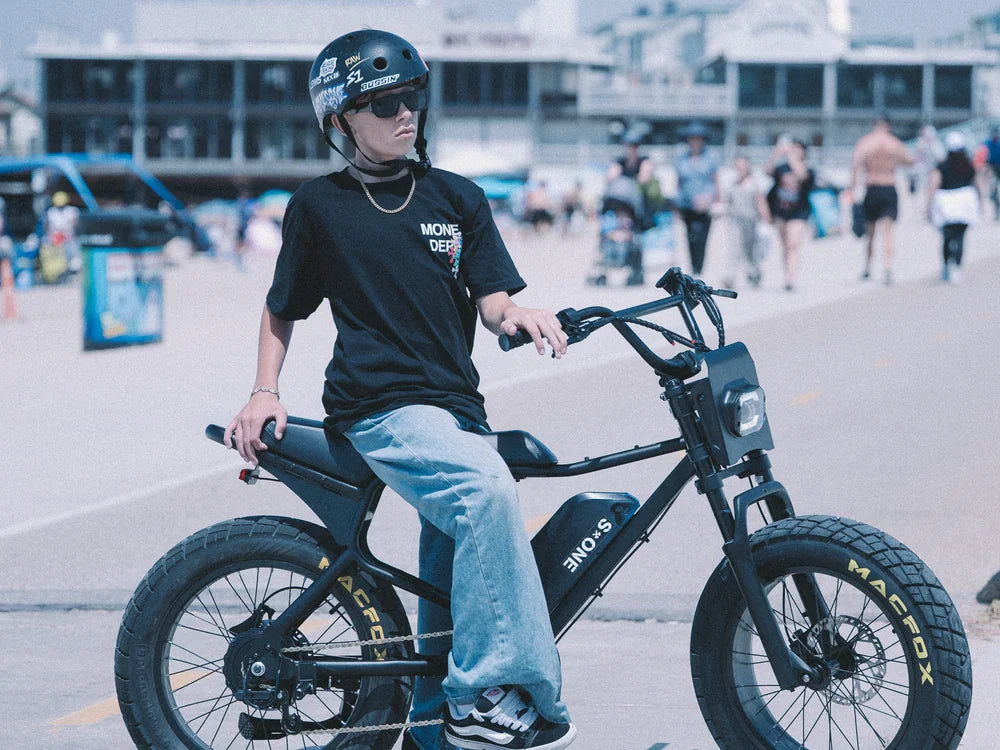
The shared part of the outing is the destination, not the equipment. The teen should ride the Macfox chosen for their own use, while the parent brings another bike that suits the parent. Do not turn the teen's familiar setup into a household share arrangement just because two people are leaving at the same time.
Before setting off, each person checks their own tires, brakes, power or ride readiness, lights when needed, and anything being carried. If either bike feels wrong or either person cannot handle it calmly that day, fix that problem first. The goal is to begin the social ride without asking one person to adapt to somebody else's setup.

Agree on Three Things Before You Leave
A long pre-ride speech can ruin the mood before the wheels move. A better conversation covers only three things: the shared pace, who rides where on each part of the route, and what both people will do if they become separated.
- Pace: Choose a speed both people can hold without chasing, sudden surges, or long waits.
- Position: Decide who leads on familiar sections and who takes the lead where traffic, crossings, visibility, or navigation become more demanding.
- Regroup: Name obvious places to stop and wait, plus one simple action if someone misses a turn or has a bike problem.
There is no universal rule that the parent or teen must always be in front. A quiet path, an open neighborhood street, and a complicated crossing are different environments. The arrangement should reflect the teen's experience, what both people can see, the route, and local riding rules. What matters is that neither person changes the plan without signaling.
Simple words work better than a private code nobody remembers. “Slowing,” “stopping,” and “need a break” are enough if both people know what they mean. Leave enough room to react if the person ahead changes speed. Riding together should not turn into riding close enough to pressure one another.
Families that still need to decide which streets, paths, or destinations are approved can use the teen e-bike route boundaries guide. Keep the full route discussion there. For the shared outing, the goal is simply to make sure both people understand today's plan.
Make the Ride Feel Like Time Together, Not a Test
A parent will naturally notice how the teen handles a driveway, a turn, another path user, or an unexpected stop. Observation is useful. Constant commentary is not. Correct something immediately when it affects safety, but save non-urgent suggestions for the next stop instead of narrating every decision from behind.
The teen also has a job beyond following. They should say when the pace feels wrong, when the bike feels different, when they need to stop, or when they do not understand the next part of the route. Independence is not silent compliance. It includes recognizing a problem early enough to speak up.
A shared ride should not contain hidden tests. Do not quietly choose a difficult crossing to “see what happens,” then score the teen afterward. If more practice is still needed, separate that task from the social ride. The first-week e-bike practice plan gives control work its own place, so every family outing does not have to become a training session.
Leave room to talk about school, music, friends, plans, or nothing important at all. That ordinary conversation is part of the value. It also gives the parent a natural sense of how the teen is feeling. Someone who stops chatting, falls behind, or becomes unusually quiet may be tired, frustrated, or uncomfortable.
Respect the teen's social boundaries too. Ask before taking a posed photo or posting the ride online. A parent may see a proud family moment; the teen may see an image being shared with classmates without permission. A ten-second question can protect the willingness to ride together again.

Finish While Both People Still Want Another Ride
The right time to turn around is not always the planned halfway point. Persistent silence, repeated stops, a clear drop in control, unexpected weather, a bike problem, or one person working much harder than expected are all valid reasons to shorten the outing. Changing the plan is not failure. It is part of making a good decision together.
At the destination or after returning home, skip the full performance review. Two questions are enough: “What should we keep next time?” and “What should we change?” The teen may want a different destination, fewer instructions, a slower return, or more time at the stop. The parent may want a clearer regroup point or a calmer crossing. Both answers can improve the next ride.
Do not use one good afternoon to approve every possible route, and do not use one imperfect moment to cancel the idea of riding together. Repeat the same manageable outing, then add distance or complexity when both people are ready. Trust grows more reliably through ordinary good decisions than through one ambitious family adventure.
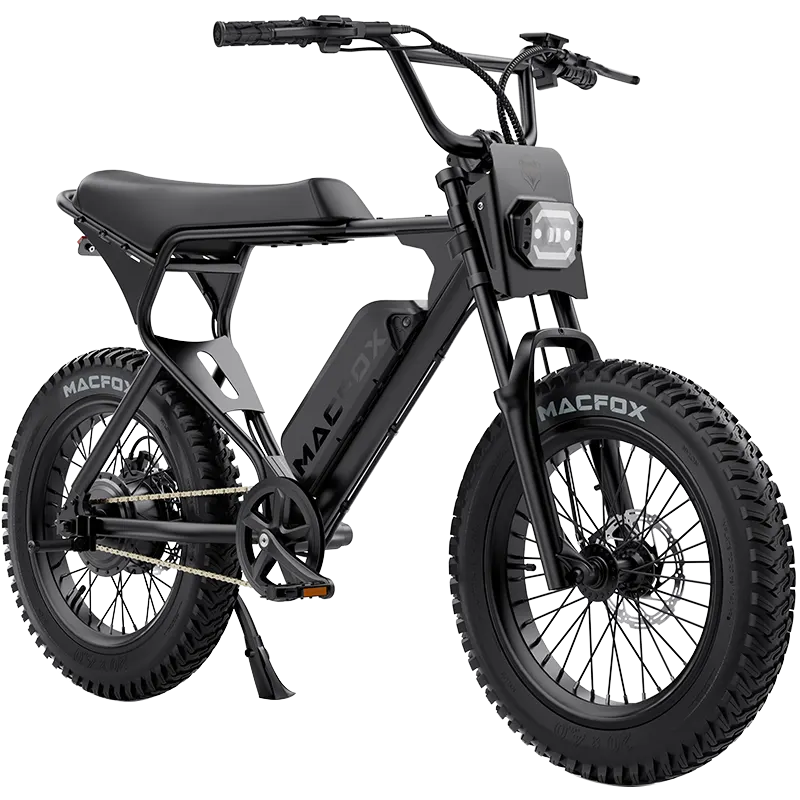
If the teen does not yet have a bike that fits this kind of outing, compare the current Macfox electric bike lineup around the teen's fit, control, and real routes. The parent's bike remains a separate decision. The shared part is the destination and the time together, not one compromise bike for two different people.
FAQ
Should the Parent or Teen Ride in Front?
There is no single position that works on every route. Decide based on the teen's experience, visibility, traffic, crossings, navigation, and local rules. A more experienced person may lead through a complicated section, while a teen can take more initiative on a familiar, controlled stretch. Agree before the position changes.
Does the Parent Need an E-Bike Too?
No. The parent needs a separate bike that fits, works properly, and can maintain the agreed pace without repeated chasing or waiting. That may be a traditional bicycle or an e-bike, depending on the parent and the route.
How Long Should the First Parent-Teen E-Bike Ride Be?
Choose a ride short enough for both people to return comfortably and still want to go again. Do not begin with a fixed mileage goal. Use the first outing to learn what pace, destination, and duration feel sustainable for this pair.
What If the Parent and Teen Ride at Very Different Speeds?
Slow down to a pace both can hold and use clear regroup points. If one person must constantly chase while the other repeatedly waits, shorten the route or change the plan. A shared ride is not a speed comparison.
What If a Teen Does Not Want to Ride With a Parent?
Do not turn the outing into an obligation. Ask whether the problem is the destination, timing, distance, constant coaching, or simply wanting a friend along. Offer a shorter choice-based ride and accept a no without treating it as a rejection of all family time. A teen is more likely to join again when the invitation leaves room for dignity and choice.