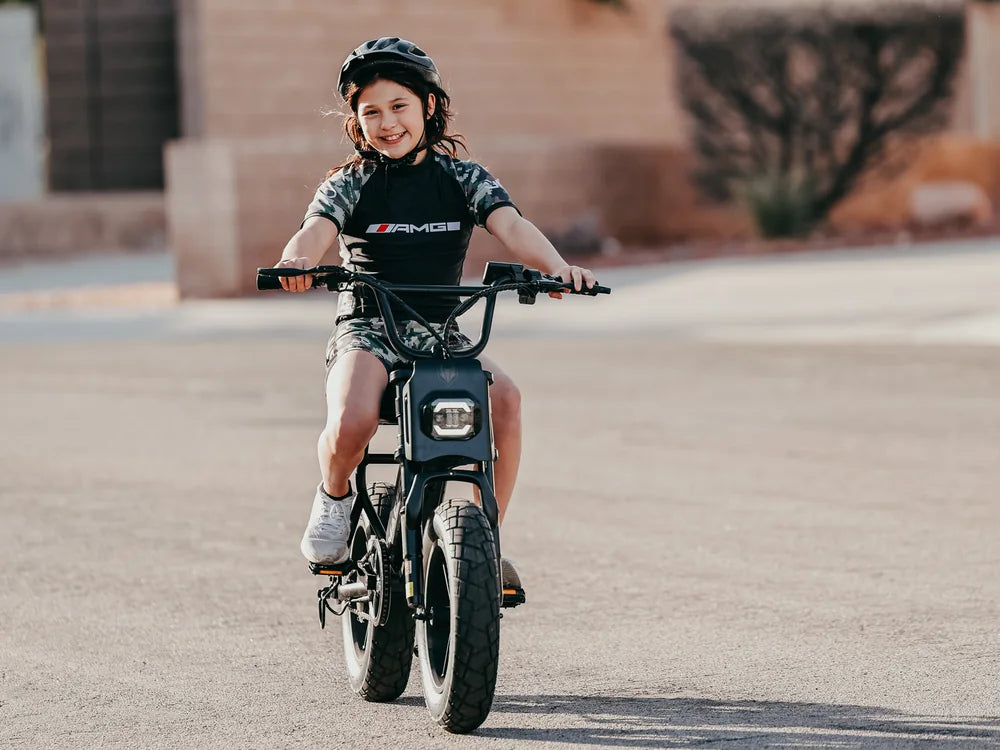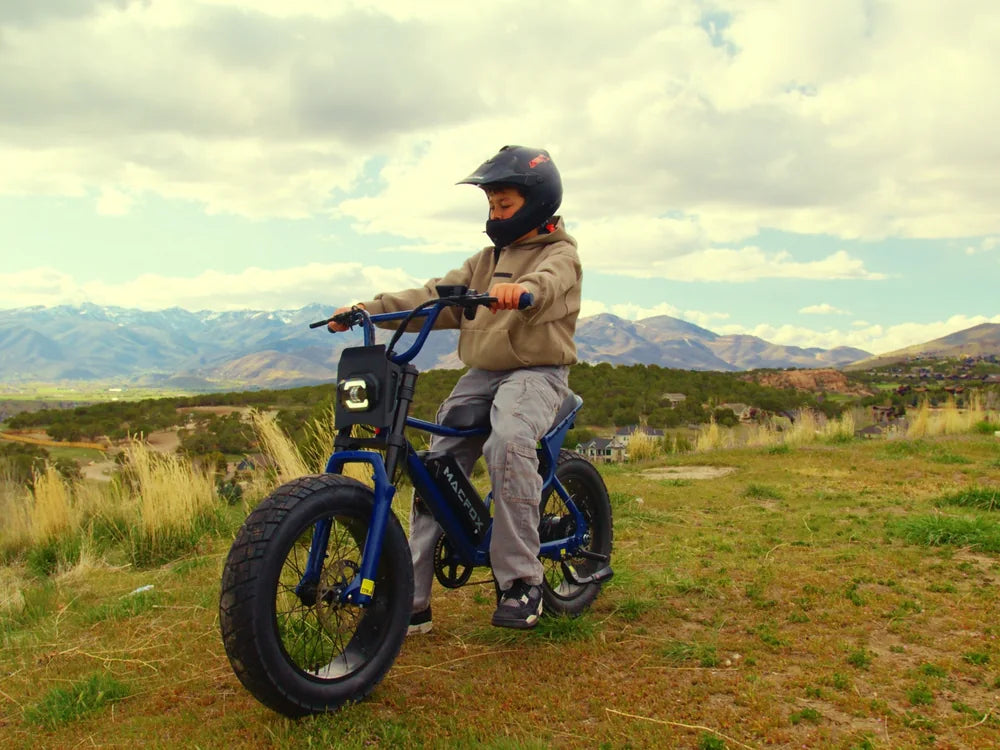

If you realize after buying an e-bike that it is the wrong vehicle for your teen, pause public and independent riding first. Keep the bike, packaging, accessories, and order records in their current condition, then identify whether the mismatch is the vehicle category, fit and control, the intended route, or a product problem. Contact the original seller before adding mileage, modifying the bike, or shipping it back. Once the problem and the seller's available options are clear, you can decide whether to return, exchange, sell, restrict its use to a genuinely suitable setting, or replace it.
That pause can feel much bigger to a teen than it sounds. The bike may already represent freedom, time with friends, or a new way to get around. Explain that the pause is about the bike, not a punishment: "We need to work out whether this bike fits the trip and whether you can control it consistently. You are part of the next decision." That keeps disappointment from turning into a fight while the practical options are still open.

Pause the Ride Before the Mistake Gets Harder to Fix
Do not use another long ride to prove that the purchase can work. If the concern involves the vehicle category, the teen's ability to start and stop reliably, the route, or the condition of the product, more riding can add risk, wear, mileage, dirt, and damage. It can also make a calm decision harder because everyone becomes more invested in defending the original choice.
Pausing does not mean deciding that the bike is permanently unusable. It means protecting time to investigate. Park it in a secure place, keep the charger, keys, manual, small parts, and order confirmation together, and photograph the bike's present condition. Note the current mileage if it is displayed. Do not unlock settings, install performance parts, cut wiring, or attempt an electrical repair while the purchase is under review.
If the battery or electrical system is damaged, unusually hot, smoking, giving off an unfamiliar odor, or behaving in a way that appears unsafe, stop riding and charging it. Move straight to the manufacturer's safety guidance and support process. A possible safety problem is not the moment for another test ride.
The clearest message to the teen is simple: the adults are stopping the situation from becoming harder to correct. They are not taking away independence as a consequence. Give a real time for the next conversation, even if the seller has not replied yet. "We will review what we know tomorrow evening" feels very different from an open-ended ban.
Work Out What Is Actually Wrong
Buyer's remorse, first-ride nerves, and a genuinely unsuitable bike are not the same problem. Before asking for a return or searching for a replacement, name the repeated mismatch. Most cases fall into one of the following groups.
- The vehicle category is wrong. The product may not be the kind of e-bike the buyer thought it was, or its equipment and operating behavior may not fit the local rules, the teen's age, the school, or the intended roads. If the category is unclear, use the e-bike versus e-moto comparison to identify what needs to be verified, then check the actual label, manual, manufacturer information, and local requirements.
- Fit or control is wrong. The teen repeatedly struggles to mount, place a foot down, push the bike, make a slow turn, reach the brakes comfortably, park, or stop where intended. One awkward first minute is not enough to prove a mismatch, but a control problem that appears again in a quiet practice setting deserves attention. The teen e-bike control guide provides a focused way to judge those behaviors.
- The everyday use is wrong. The bike can be operated, but it does not work for the original job. It may be difficult to store, push through a school entrance, lock at the available rack, charge where the household permits, or use on the actual route. A bike that works in an open parking lot is not automatically suitable for the trip it was purchased to make.
- The product itself has a problem. The buyer received the wrong item, a part is missing, shipping damage is visible, or the bike appears defective. That is a seller-support or warranty conversation, not simply a change-of-mind return. Record the condition and describe the exact symptom instead of guessing at the cause.
Ask the teen what feels wrong without turning the conversation into a test they must pass. "What part makes you hesitate?" is more useful than "You said you wanted it." A teen may notice that the bike is hard to move out of a tight space, that the brake reach feels wrong, or that the intended route is more stressful than expected. Those observations help identify the purchase problem; they do not make the teen responsible for fixing it.

Also separate a real mismatch from a request for something faster, newer, or more fashionable. Style matters to young people, but wanting a different look after checkout does not by itself make the current bike unsuitable. The decision should return to the job the bike was meant to do and the control the teen can repeat, not the excitement of another model.
Protect the Return or Exchange Option
Read the current policy from the original place of purchase as soon as the concern appears. Look for the request window, condition requirements, mileage limits if any, included items, packaging expectations, return authorization, fees, and who pays for shipping. Do not assume that a general industry practice applies to the seller that accepted the order.
When contacting support, replace "we bought the wrong bike" with a precise account. Include the order number, delivery date, current mileage, photographs, and the specific issue: incorrect item, visible damage, repeated control difficulty, unsuitable size, or a category that does not match the intended use. Ask what written return, exchange, or support options remain and what the seller wants you to do next.
Do not ship the bike back until the seller provides instructions. Keep the original box and protective materials while the request is open; the e-bike return packaging guide explains why those materials still matter without turning the decision into a packing project too early.
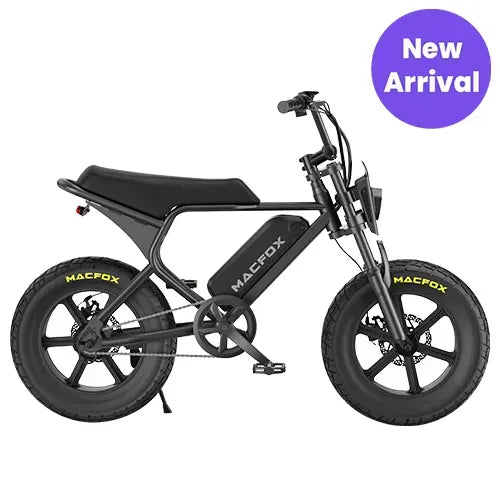
If the bike was bought from Macfox, consult the current Macfox return and refund policy and contact support before sending anything. Policies and individual eligibility can change, so the written instructions for the order control the next step.
Keep return and warranty conversations separate. A return addresses whether the purchase can be sent back under the seller's terms. A warranty addresses an eligible product problem under its own terms. A difficult fit or unsuitable route should not be relabeled as a defect, and an actual defect should not be hidden inside a vague statement about regret.
If You Cannot Return It, Choose the Most Honest Low-Loss Option
A denied return does not mean the teen must keep riding the bike. Ask the seller whether an exchange, model change, approved adjustment, or another written solution is available. If support recommends a setup change, confirm that it addresses the problem you identified rather than merely making the bike feel different.
Resale can be reasonable when the bike is safe to sell and the household no longer has a suitable use for it. Describe the vehicle category, current condition, mileage, accessories, any changes, and the reason for selling accurately. State what order documents or warranty rights, if any, can transfer. The goal is to find an informed buyer, not to move the same uncertainty to another parent.
Restricted use is only an option when a real, suitable place exists and the vehicle, local rules, teen's ability, and supervision all support that use. "Private property" is not a universal fix for an oversized, hard-to-control, or questionable vehicle. If the only way to keep the purchase is to invent a use that will rarely happen, storing or selling it is usually the more honest answer.
It is also valid to stop and do nothing for a short period. Money already spent can create pressure to keep adding time and risk to a bad fit. That cost is real, but it does not become smaller because a teen continues riding a bike that the parent no longer trusts. Preserve the condition, collect the available choices, and decide with the loss in view rather than letting the loss make the decision.

Do not make "you will grow into it" the answer to a bike the teen cannot manage now. The bike can remain parked while the household reassesses, but future height does not create present-day control. A teen who feels pushed to prove that an expensive purchase was correct may hide uncertainty, which leaves the parent with less useful information.
Replace Only the Problem You Have Confirmed
Once the original bike has a clear outcome, return to the need that started the purchase. Was the teen trying to get to school, visit friends, handle neighborhood trips, join a social ride, or express a style that feels like their own? A wrong purchase does not prove that the need was imaginary. It proves that the first vehicle did not answer it well enough.
Turn the mistake into a short list of conditions for the next comparison. The vehicle category must match the intended place of use. The teen must be able to mount, start, turn, stop, push, and park it consistently. The storage and charging plan must work at home. The route and destination must accept the bike. The seller's specifications, support path, and return information must be easy for the parent to verify before payment.
Let the teen participate in the test ride and the style decision. Let the parent verify the vehicle information, route, order records, and purchase terms. After the test ride, compare the whole experience instead of choosing from one exciting feature. Buying through the brand's official website or an authorized channel also gives both people a clearer place to check official specifications, order details, policies, and support contacts.
If the problem was compactness and low-speed handling, compare that direction rather than assuming the most powerful-looking option is better. If the teen already demonstrates reliable control and needs a familiar daily route, a commuter direction may make more sense. Macfox M16 and X1S represent different starting points in those two directions, but neither should be treated as a match until the actual teen, route, and control checks agree.
Use the broader guide to choosing a teen's first e-bike to rebuild the decision, then compare only the electric bike models that meet the confirmed conditions. The next purchase should solve the identified mismatch, not compensate for disappointment with more speed, weight, range, or equipment than the trip requires.
FAQ
Can my teen keep riding while we wait for the seller to reply?
If the doubt involves the vehicle category, stable control, braking, route permission, or product condition, do not continue public-road or independent riding while waiting. Keeping the bike in its current condition also preserves more options. A short supervised check in a suitable controlled setting only makes sense when there is no suspected product problem and the purpose is to confirm a specific fit observation, not to add another recreational ride.
Does lowering the speed fix an unsuitable e-bike?
Not necessarily. A speed setting does not change an oversized frame, excessive weight for the teen, difficult brake reach, an unsuitable vehicle category, or a route that does not allow the bike. Do not use an unauthorized modification to make the purchase appear acceptable. Fix the problem that has actually been identified.
What if the bike is too large now but the teen may grow into it?
Future growth is not a reason for daily use today. If the teen cannot mount, stop, turn, push, or park the bike consistently, keep it out of regular use. The household can decide whether storage until a later reassessment is financially sensible, but the teen should not have to practice on an unmanageable bike to defend the purchase.
Can a bike that has already been ridden still be returned or exchanged?
Only the original seller can answer for that order. Time since delivery, mileage, dirt, scratches, packaging, included accessories, and authorization steps can affect eligibility. Contact the seller promptly, describe the current condition honestly, and obtain written instructions before shipping or making further changes.
Is selling the bike the best option when a return is unavailable?
It is one option, not an automatic answer. Compare an exchange, seller-approved support, genuinely suitable restricted use, temporary storage, and resale. If selling is the most practical path, disclose the category, condition, mileage, modifications, accessories, known problems, and the reason it did not fit the original use.
Who should choose the replacement: the parent or the teen?
Both have a different job. The teen should explain the real trip, demonstrate control, and have a voice in style and comfort. The parent should verify the vehicle category, route, storage, purchase terms, and support information. A shared test and comparison is more reliable than another surprise purchase or a decision made only to recover from the first disappointment.