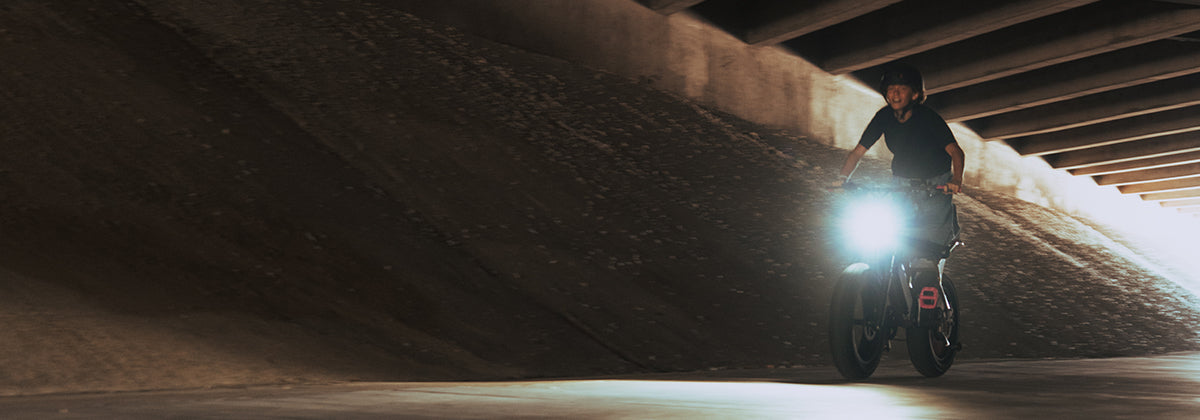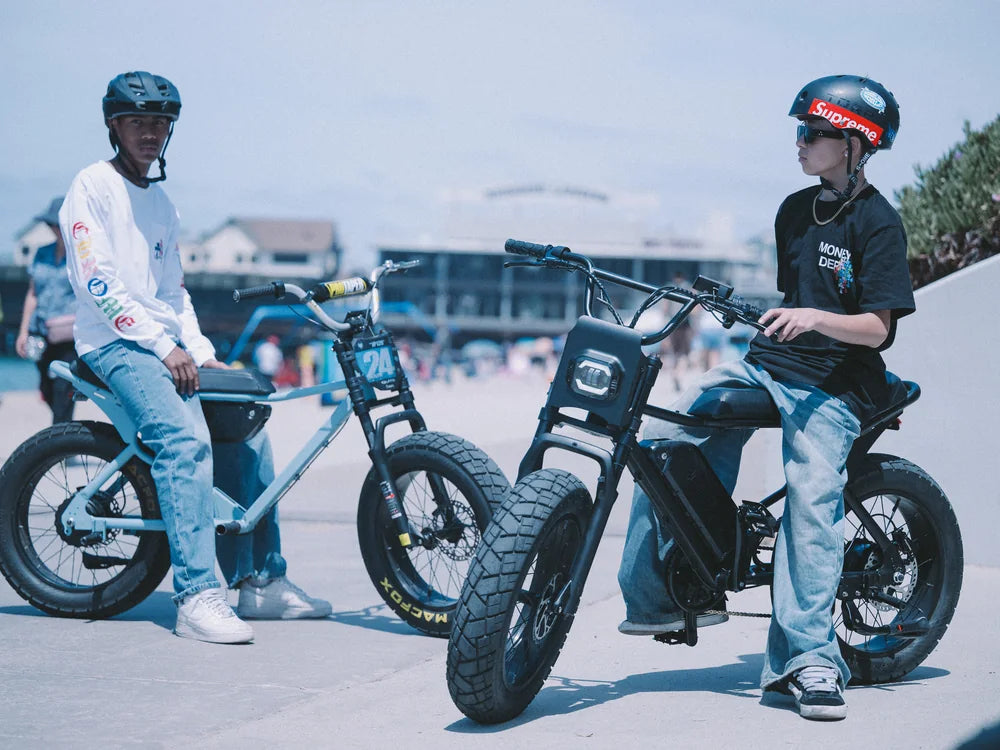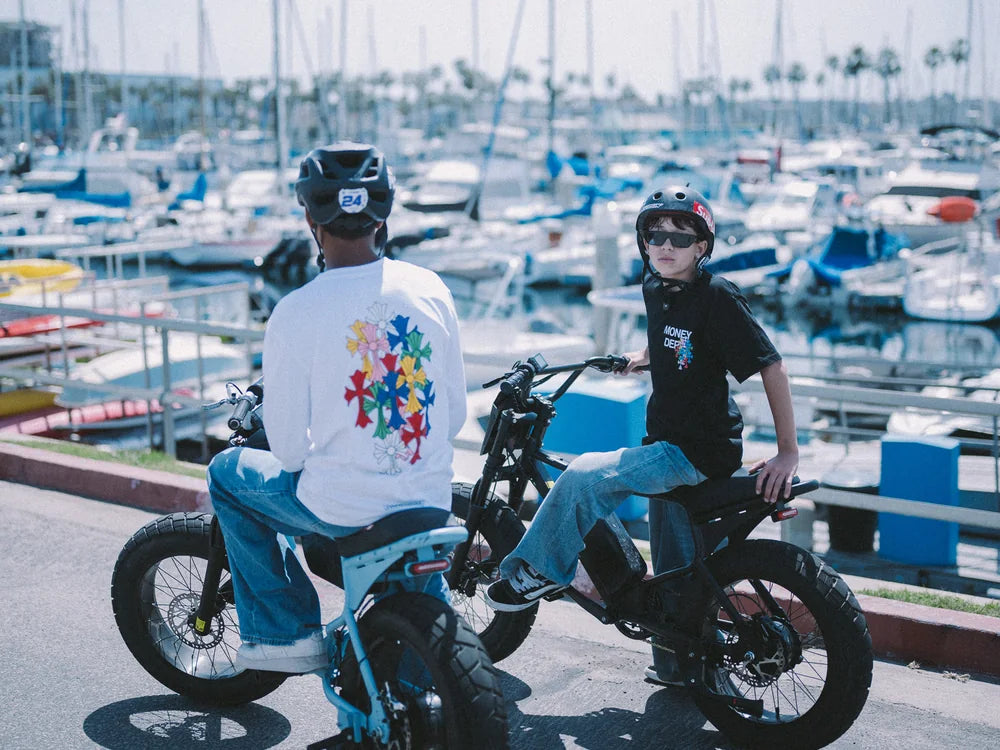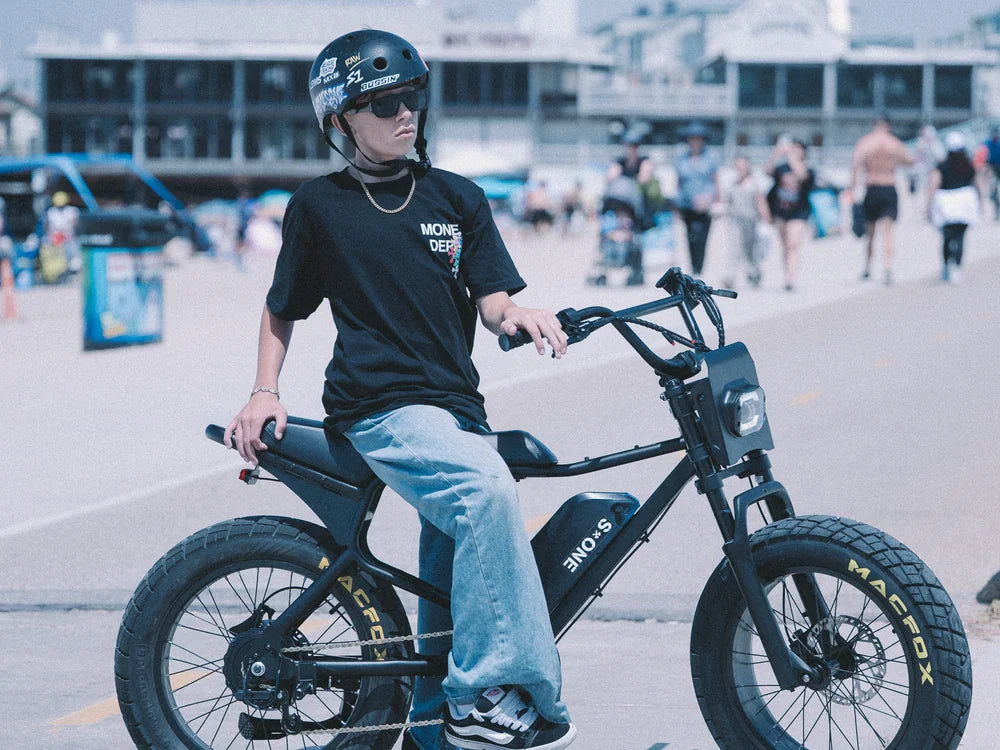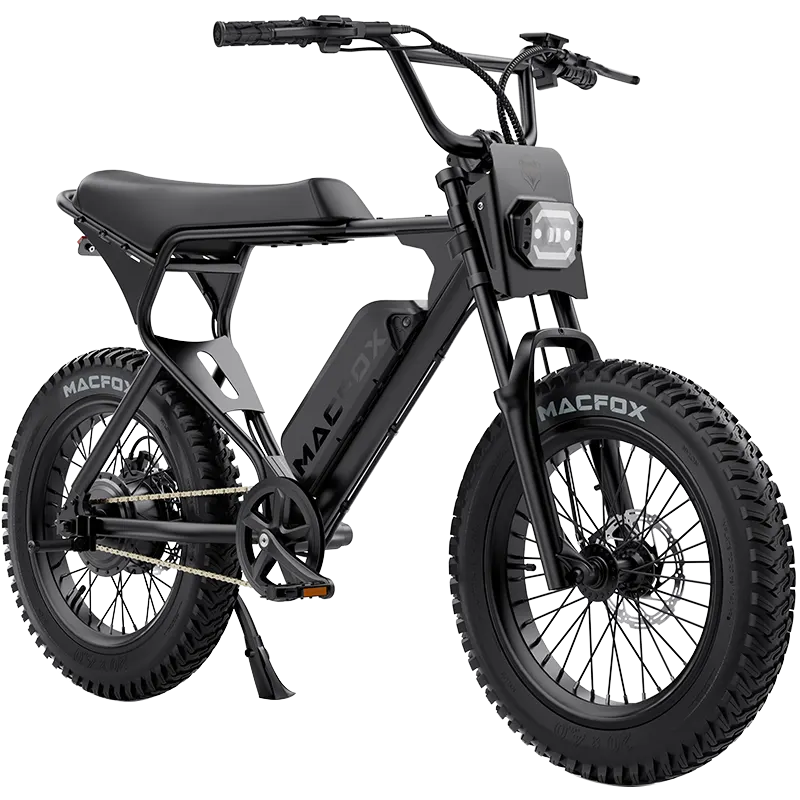

Parents should set safe e-bike route boundaries by approving one specific route first, marking where the teen may not ride, checking the route's hardest intersections, and deciding what the rider should do if traffic, friends, weather, or construction changes the plan. The rule should not be just "you can ride." It should be "you can ride this route, under these conditions."
Route boundaries matter because a teen rider's risk often changes more by location than by distance. A short ride with busy crossings, blind driveways, steep turns, or friend pressure can be harder than a longer ride on quiet streets. The route should match the rider's judgment, the bike's control feel, and the family's comfort level.

Start With One Approved Route
The first safe route should be boring on purpose. Choose one path that your teen can repeat without improvising: the same start point, same turns, same crossings, same parking spot, and same return path. Repetition helps parents see whether the rider is building a habit or only passing one lucky practice ride.
Write the route in simple language. For example: leave by the driveway, use the neighborhood street, cross at the marked signal, stay off the main road, lock the bike at the front rack, and return the same way. If the teen cannot explain the route back clearly, the route is not approved yet.
If you are still deciding whether the rider is ready for independent riding at all, use the teen e-bike readiness checklist before route planning. For families thinking specifically about school, daily school commute safety is a useful companion because the school route is often the most repeated riding pattern.
Check Local Rules Before Family Rules
Family rules should sit on top of local rules, not replace them. Before approving a route, parents should check whether e-bikes are allowed on the street, path, campus approach, park path, or sidewalk involved. Some places treat e-bike classes, rider age, speed limits, helmet rules, and path access differently.
For Macfox's youth-riding content, the cleanest public explanation is simple: legal and compliant riding comes first, then family route boundaries. The youth e-bike law guide can help parents understand why the same bike may be treated differently depending on the state, city, school route, or shared-path policy.
Once the legal layer is clear, make the household rule more specific. "You can ride to school" is too broad. "You can ride this mapped route on school days before dark, and you must call if the route changes" is much easier to enforce.
Choose Low-Conflict Streets First
A teen's first route should avoid the places where many decisions happen at once. High-speed roads, unprotected left turns, crowded parking lots, narrow shoulders, blind corners, and heavy drop-off zones all add pressure. A safer starting route usually has fewer cars, clearer sight lines, predictable crossings, and places to pull over without blocking traffic.
Parents should ride or drive the route at the same time of day the teen will use it. A calm street at noon may feel very different during school pickup, after sports practice, or near sunset. Watch for cars backing out, delivery vehicles, loose gravel, steep curbs, and intersections where drivers do not expect a young rider.

Mark No-Ride Zones Clearly
No-ride zones are not vague warnings. They should be named places: the main arterial road, the shopping-center parking lot, the hill behind the school, the unlit path after dinner, the construction area, or the friend route that crosses too many busy streets.
Teens need to know the boundary before they are tempted to negotiate it. A useful rule is: if a place requires a last-minute decision, it is not part of the approved route. The rider should stop, call, or turn back instead of inventing a shortcut. These route rules should live beside the family's teen e-bike safety rules, not replace them.
This is also where friend-ride rules matter. Many unsafe route choices happen when a friend says, "Let's go this way." If the family has not already set a friend-route rule, the group will set it for them.
Intersections Are the Real Test
Most families think about distance first, but intersections often reveal whether the route is appropriate. A teen rider must be able to slow early, choose a lane position, watch for turning cars, make eye contact when possible, and wait without feeling rushed.
Pick the hardest two or three intersections and practice them together. If the rider rolls through stops, starts before fully checking, follows another rider blindly, or gets nervous when a driver waves them through, the route needs more supervised practice.
Public safety guidance such as NHTSA bicycle safety guidance reinforces the same basic idea: predictable behavior, visibility, helmets, traffic-law habits, and attention at crossings matter even on short rides. Parents do not need to make the route complicated. They need to make the expectations repeatable.
Ride the Route Together First
Before a teen rides alone, ride the approved route together. Let the teen lead while the parent follows. Do not turn it into a lecture every block. Watch whether the rider chooses the right speed before turns, checks for cars before driveways, avoids sudden swerves, and stops where they said they would stop.
After the ride, ask three questions: Where did you feel most comfortable? Where did you feel rushed? What would you do if this part were blocked? The answers tell parents whether the teen understands the route or only memorized the directions.
If the rider still struggles with stop-and-restart control, parking, or slow turns, return to basic practice before expanding the route. A route should not be approved faster than the rider's actual bike handling.
Set Detour and Friend Rules
Every approved route needs a detour rule. Construction, road work, rain, a blocked sidewalk, or a friend changing plans should not force the teen to guess. The default rule can be simple: stop in a safe visible place, message or call, and wait for approval before choosing a different route.
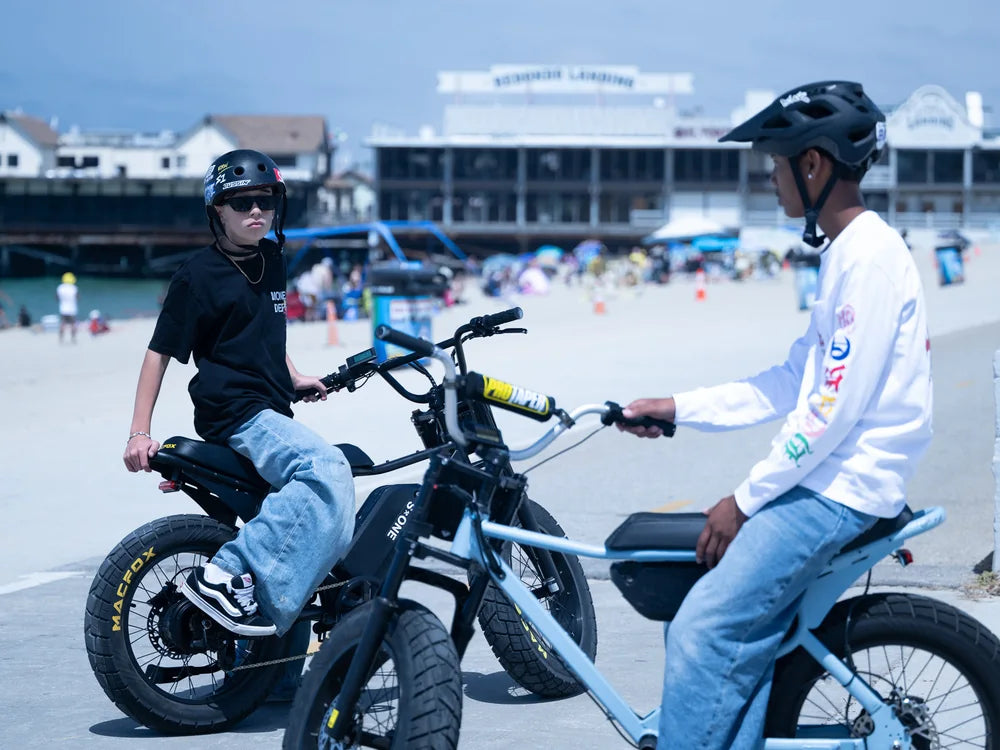
The same rule applies when friends are involved. A teen may ride well alone but make weaker decisions in a group. Parents should decide whether the teen can ride with friends, who those friends are, where the group may go, and whether the route changes if one rider wants to take a shortcut.
Use Time, Weather, and Visibility Limits
A route that works in daylight may not work in low light. A route that works in dry weather may become too risky in rain. Parents should set boundaries for time of day, visibility, and weather before the rider leaves.
Make the rule specific: no new routes after dark, no riding during heavy rain, lights on before sunset, slower speed near driveways, and no headphones that block traffic sounds. These are not extra rules for the sake of control. They are the conditions that keep the approved route the same route in practice.

Match the Route to the Bike
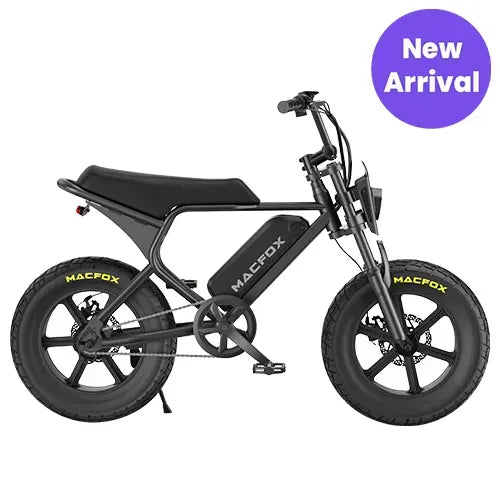
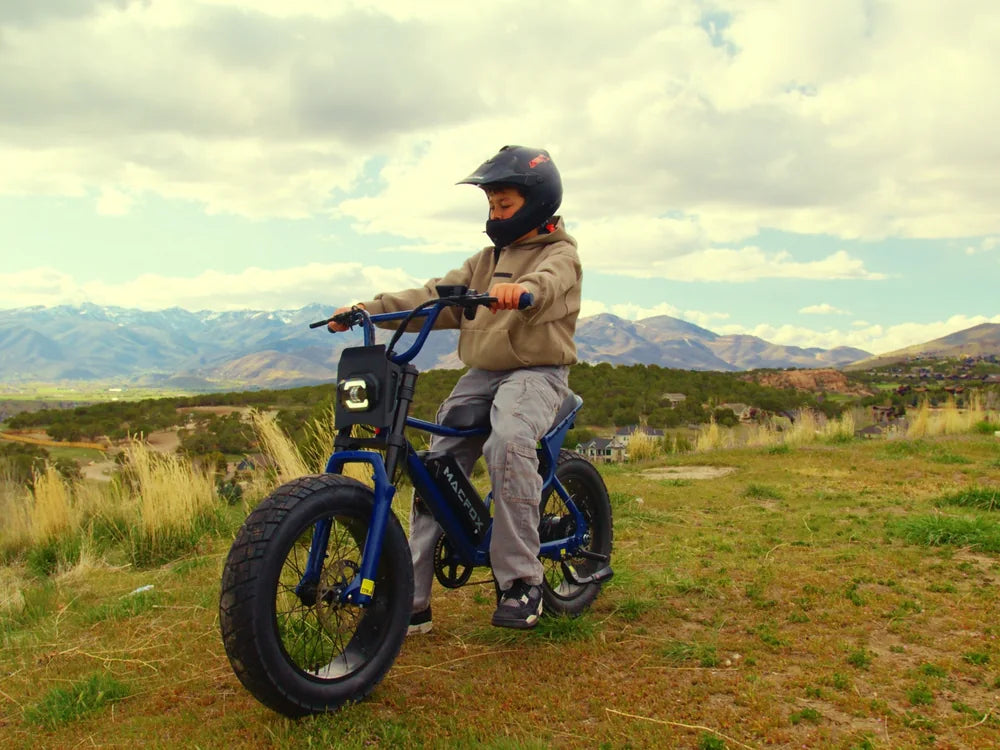
The approved route should influence the bike choice. A smaller rider on short neighborhood routes may need a compact, easy-to-control model more than a longer-range model. A rider choosing a teen's first e-bike for familiar daily streets may value a practical, style-forward commuter feel. A rider covering longer or more varied paths may need stronger stability, better comfort, or wider-tire confidence.
| Macfox Model | Route Fit | Parent-Facing Positioning |
|---|---|---|
| M16 | Shorter, familiar neighborhood routes | Compact body, 16x4.0 fat tires, and easy control for younger or shorter teen riders building independence. |
| X1S | Daily familiar routes and commuting-style riding | Classic Macfox punk-style commuter feel for young riders who want style and routine independence on approved paths. |
| X7 / X7L | Longer familiar routes where stability confidence matters | 20x4.5 / 20x5.0 fat-tire setup for stronger grip feel, bolder style, and more planted contact with the ground. |
| X2 | More complex routes for more mature riders | Full suspension and longer range for riders who genuinely need more comfort and capacity, not the default first step for every teen. |
Families comparing an electric bike for a teen should not treat the model and the route as separate decisions. The right question is: can this rider, on this bike, follow this approved route calmly and legally?
Parent Route Approval Checklist
- The route has one clear start point, destination, and return path.
- The hardest intersections have been practiced with a parent.
- No-ride zones are named, not implied.
- The teen knows what to do if the route is blocked.
- Friend rides follow the same route unless a parent approves a change.
- Time, weather, and visibility limits are written down.
- The bike fit and control level match the route.
- The rider can explain the route rules without arguing or guessing.
Route boundaries should help a teen earn more independence, not make riding feel random or punitive. Start narrow, watch the rider repeat the route well, then expand only when the current route feels calm.
When the Route Is Not Ready Yet
Wait if the teen cannot stop confidently at intersections, forgets the no-ride zones, argues about shortcuts, rides differently around friends, or does not know what to do when the route changes. Those signs do not mean the rider will never be ready. They mean the route needs more practice or a smaller first step.
The best family rule is consistent: independence grows when the teen can repeat safe decisions without drama. Macfox can support a cooler, more personal riding experience, but the approved route keeps that independence grounded.
FAQ
Can my teen change the e-bike route if traffic is bad?
Only if the family has already approved a backup route. Otherwise the safer rule is to stop somewhere visible, contact a parent, and wait before choosing a new path.
Should a teen ride on the sidewalk or bike lane?
It depends on local rules and the exact road. Parents should check local e-bike access rules, then choose the route that creates the fewest conflicts with cars and pedestrians.
How many practice rides should parents do first?
There is no fixed number. A teen should repeat the route calmly, handle the hardest intersections, and explain the detour rule before riding it alone.
What if my teen's friends want to take another route?
The approved route still applies. If friends change the plan, the teen should stop and ask for permission instead of following the group automatically.
Is a short route always safer than a long route?
No. A short route with busy crossings, blind turns, or heavy traffic may be harder than a longer route on calmer streets. Judge the conflict points, not just the distance.