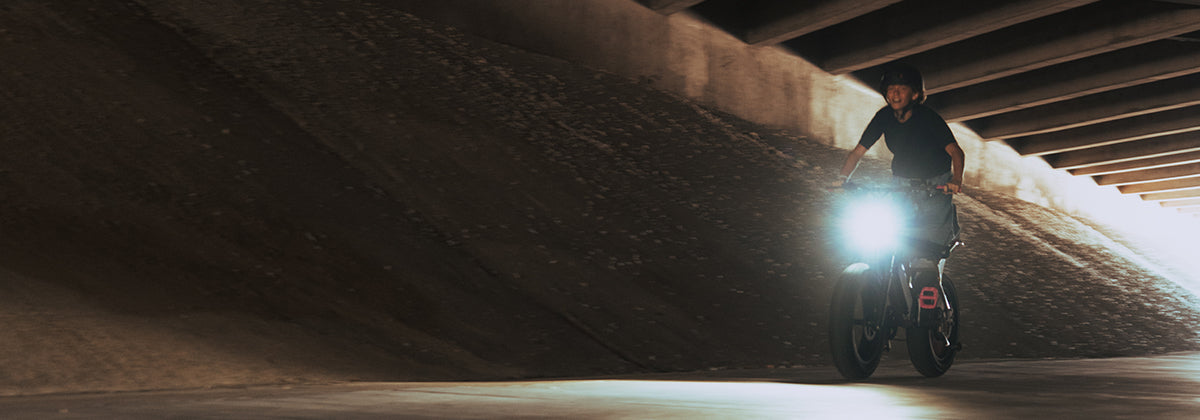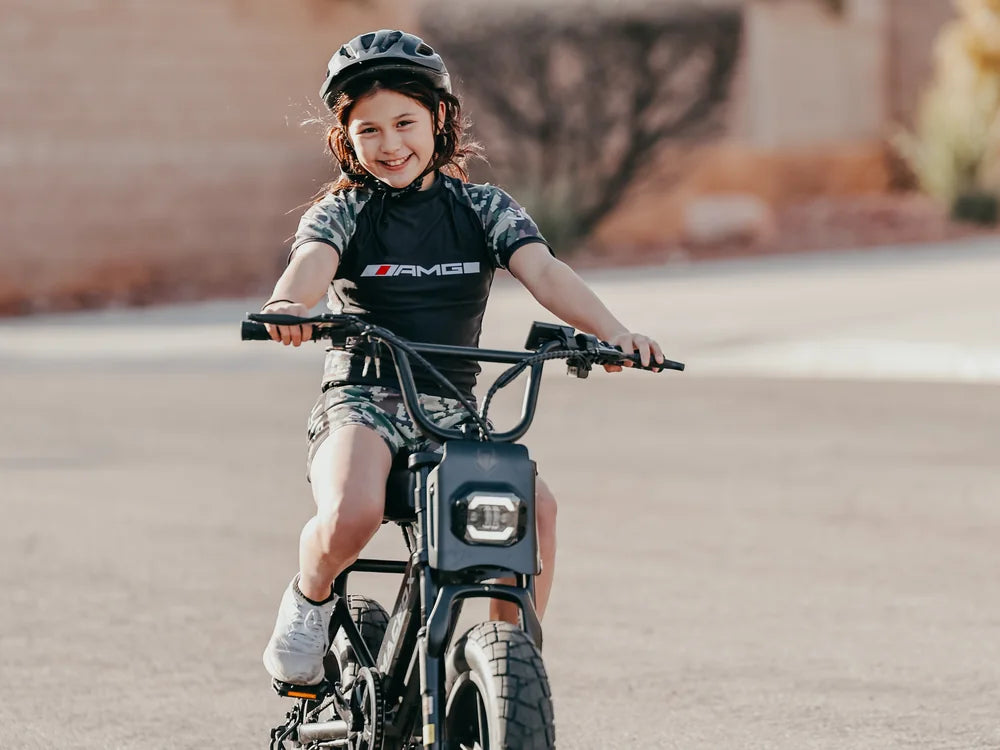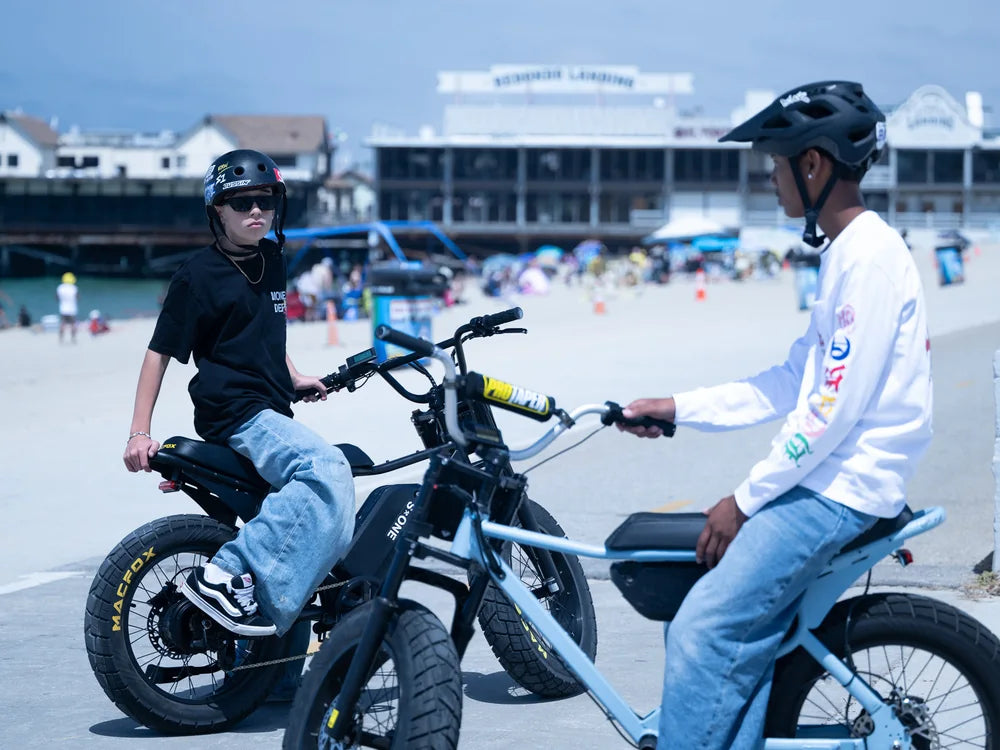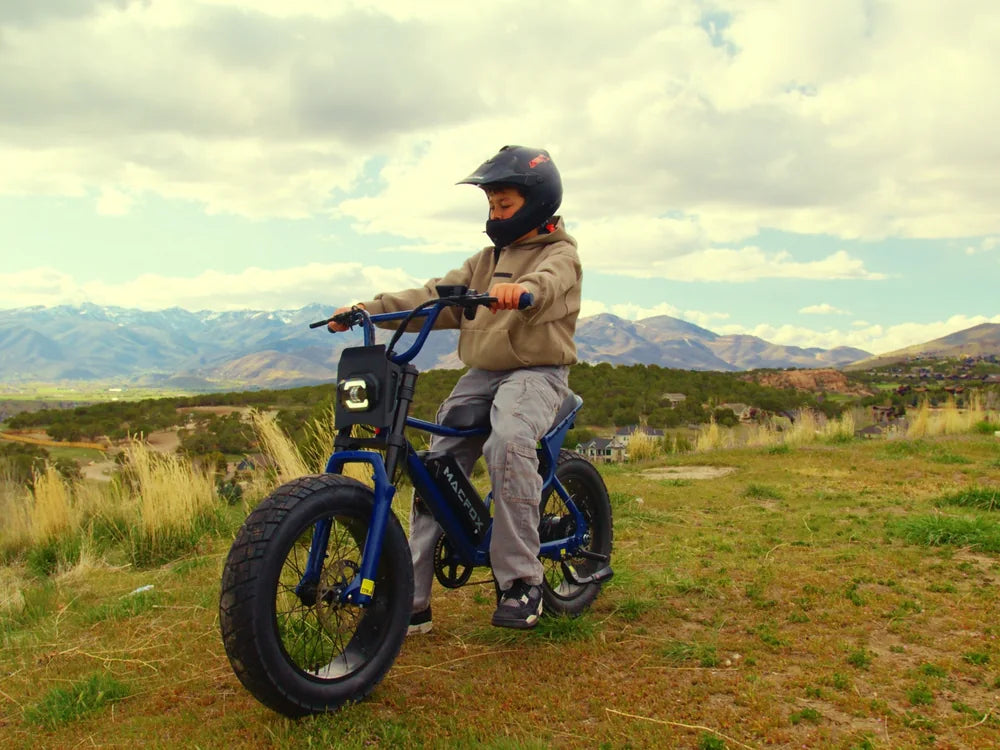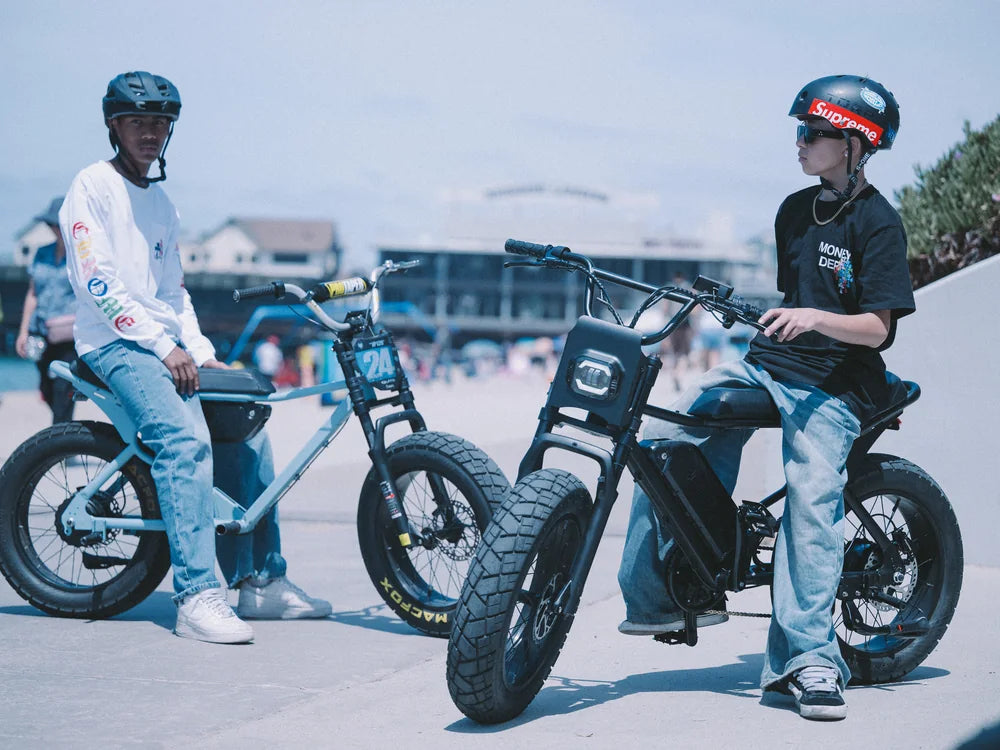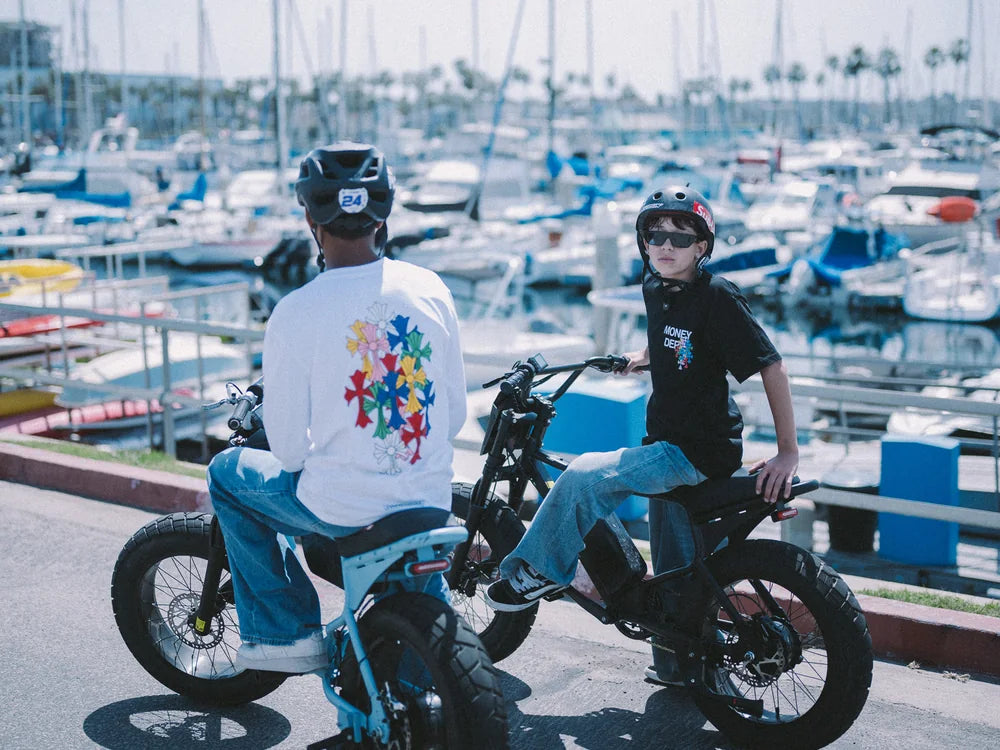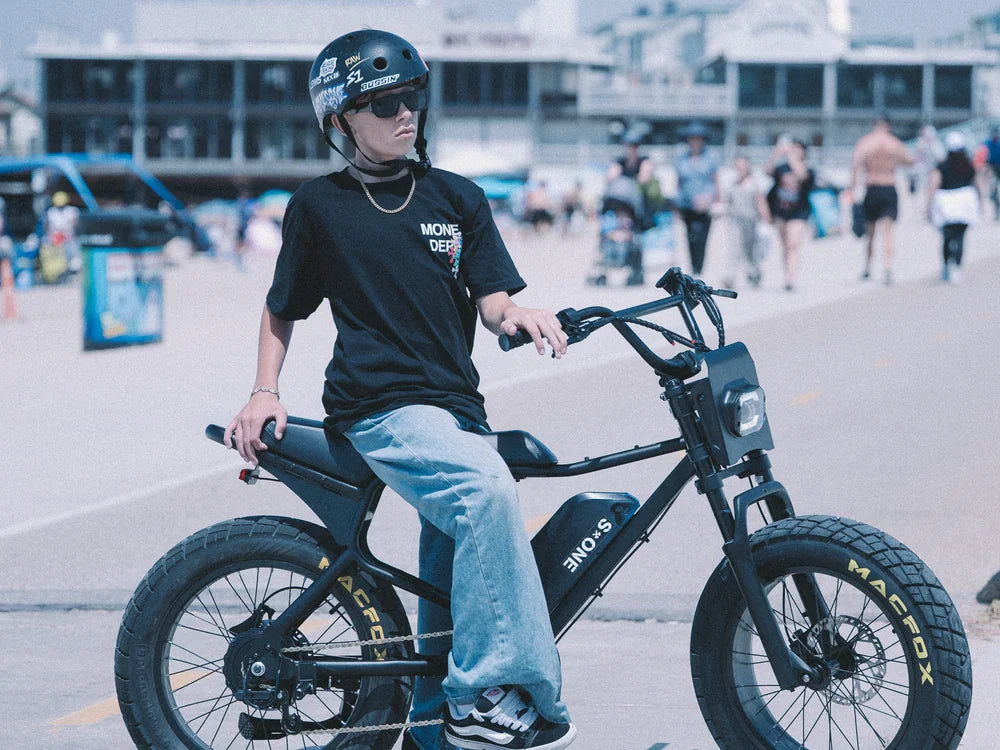

Yes, teens can ride e-bikes safely without complaints when the ride looks calm, predictable, and respectful to the people around it. Most complaints do not start because a teen has an e-bike. They start because someone feels surprised, crowded, blocked, or worried that the rider is about to lose control.
If you want more freedom on an e-bike, the goal is not to make every ride slow or boring. The goal is to ride in a way that lets parents, neighbors, pedestrians, school staff, and other drivers trust what you are going to do next. That trust is what keeps the bike from becoming a problem at home or in the neighborhood.
This guide is about everyday behavior: slowing down before people react, not turning shared spaces into a show-off spot, parking out of the way, and handling reminders without making things worse. It is not a full route-planning guide, not a speed-rule article, and not a group-ride rulebook. For those, use the teen e-bike route boundaries, the teen e-bike speed talk guide, and the teen e-bike group ride guide as the next layers.
Complaints Start When the Ride Feels Unpredictable
A teen may feel fully in control, but other people judge the ride from the outside. If they see quick acceleration near a driveway, a close pass near a walker, a sudden turn in a parking lot, or a bike left across a path, they may not know whether the rider has it handled. That is when a normal ride starts looking like a complaint waiting to happen.
The part teens often misread is this: not crashing is not the same as making people comfortable. A neighbor may complain because the ride feels too fast for the street. A parent may take the bike away because the rider looked careless around younger kids. A school staff member may say no because the bike was parked where people walk. Those are not always legal debates. They are trust problems.
A better rule is simple: ride so people can tell what you are doing before you do it. Slow early. Hold your line. Stop fully where people expect you to stop. Keep both hands ready when the area is busy. Do not make someone guess whether you saw them.

Slow Down Before People Have to React
If someone has to jump, step aside quickly, yell, or stop walking because of your e-bike, you waited too long. Safe riding around people starts before you are close to them. The earlier you slow down, the less dramatic the whole situation feels.
Watch the places where people appear suddenly
Driveways, apartment exits, school gates, shop doors, park entrances, crosswalks, and parking-lot corners all need extra space. These are places where people are not thinking about your bike first. A person may step out, a car may back up, or a younger kid may change direction without warning.
That does not mean you cannot ride through these areas when local rules allow it. It means your speed should change before the area gets complicated. Public guidance like NHTSA bicycle safety guidance keeps coming back to predictable riding, traffic-law habits, visibility, and yielding where needed. For a teen, that translates into a practical rule: do not make other people solve your speed for you.
Pass like you want to be invited back
When you pass someone walking, running, pushing a stroller, or standing near a path, give more space than you think you need. If space is tight, slow down and wait. A clean pass is not just about fitting through the gap. It is about making the person feel like you noticed them.
Use your voice or bell calmly if needed. Do not shout at the last second. Do not skim by because you know you can make it. A teen who passes respectfully is much more likely to keep permission to ride that route again.

Keep Parks, Lots, and School Areas From Becoming Trouble Spots
Many e-bike complaints come from places that were not built for fast riding: park paths, school edges, basketball courts, netball courts, field entrances, parking lots, and neighborhood gathering spots. These spaces have people moving in different directions, and many of them are not expecting an e-bike to come through quickly.
Do not turn shared spaces into a performance zone
There is a difference between having a cool bike and using every public space like an audience is watching. Fast circles, tight passes, sudden stops, one-handed riding for attention, and cutting close to friends can make the bike look like the problem even when the rider thinks they are just having fun.
The more public the place is, the more boring your riding should look. That does not kill the style of the bike. It protects it. A bike that looks good and stays controlled is easier for parents and neighbors to accept than a bike that makes people wonder what will happen next.
Friends can change how the ride looks
Riding alone and riding near friends are different. When friends are watching, it is easy to ride louder, faster, or closer than you normally would. If your friends want to race, film, cut through a court, or push into a crowded area, that is the moment that decides whether the ride stays fun or becomes the thing adults talk about later.
A simple line helps: "I'm not trying to get this route banned for me." It sounds casual, but it gives you a reason to back off without turning the moment into a lecture. If the whole group keeps making the ride look risky, use the family rules from the group-ride guide and leave the ride before the complaint lands on everyone.

Park Without Blocking the Space
Some complaints happen after the ride is over. A bike left across a sidewalk, leaned against a door, blocking a field entrance, or parked where people have to step around it can create the same reaction as bad riding. People remember the obstacle, not the brand or the model.
Choose the spot before you are in a hurry
Before making a route normal, know where the bike belongs at the destination. At school, use the approved rack or the exact place the school allows. At a park, shop, court, or friend's house, choose a spot that does not block the walkway, door, ramp, driveway, or narrow path.
"I only left it there for a minute" is not a strong defense if someone could not get through. If school is part of the routine, the teen e-bike parking guide covers locks, racks, and theft prevention in more detail. Here, the basic rule is simpler: park like someone else needs the space too.
Do not leave small problems for adults to fix
If the bike tips, blocks a gate, hangs into the path, or sits in a place someone warned you about before, move it. Do not wait for a parent, coach, neighbor, or store employee to handle it. A teen who fixes the problem quickly looks responsible. A teen who argues about it makes the bike easier to blame.
What to Do If Someone Calls You Out
Even careful riders get corrected sometimes. A neighbor may say you are riding too fast. A school staff member may ask you to move the bike. A parent may say the ride looked too close to people. The way you react can either shrink the problem or turn it into a bigger conversation.
Stop first, explain second
If someone calls you out, stop safely and listen first. Do not keep rolling while talking. Do not argue from across the street. Do not try to prove that you technically did nothing wrong before you understand what they saw.
A useful response is short: "Got it, I'll slow down here," or "I'll move it." If the person is wrong about a rule, you can check later with a parent or official source. In the moment, showing that you can respond calmly matters more than winning the argument.
Bring the issue back home before it becomes a rule
If the same person complains twice, if school says something, or if a route keeps creating tension, tell a parent before someone else does. That gives the family a chance to adjust the route, time, parking spot, or riding behavior before the answer becomes "no e-bike."
This is where independence grows or shrinks. A teen who hides small problems makes parents feel like they need more control. A teen who brings the problem back and helps solve it usually earns more trust.
Choose a bike that supports calm riding
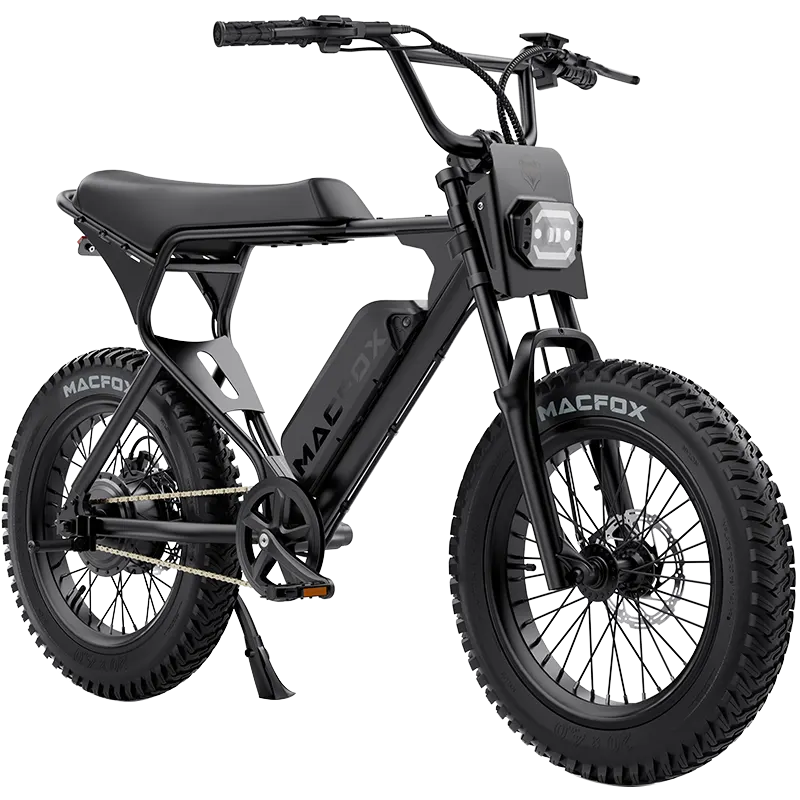
If a family is comparing a Macfox electric bike for a teen or young rider, the model should support the kind of riding that keeps permission intact: controllable starts, confident braking, stable tires, and a look the rider actually likes without pushing them to act reckless.
The Macfox M16 makes sense when smaller body size and easy control matter most. The Macfox X1S fits the classic punk-style daily ride for familiar streets and neighborhood independence. The Macfox X7 adds wider fat-tire presence and a more planted feel for riders who are ready for a larger platform.
If you already test rode a bike at a local shop or compared several options in person, bring that experience back to the official product page before buying. Check the current configuration, color, price, warranty path, and support details so the final choice is based on both real fit and official purchase information.
FAQ
Why do teens get complaints when riding e-bikes?
Complaints usually happen when the ride looks unpredictable, too fast for the space, too close to people, or careless after parking. The issue is often trust and comfort, not only whether the bike is allowed.
What should I do if someone says I am riding too fast?
Slow down first and do not argue while moving. If the place keeps creating complaints, talk with a parent and adjust the route, time, or speed rule before it becomes a bigger problem.
Can teens ride e-bikes in parks or near courts?
Only if local rules and the specific location allow it. Even then, parks, courts, fields, and entrances should be treated as slow, people-first areas, not places to show off or cut through quickly.
Can parking really cause complaints?
Yes. A bike blocking a sidewalk, doorway, ramp, gate, driveway, or school path can create a complaint even if the ride itself was fine.
How should parents use this article?
Use it as a behavior agreement, not a lecture. Ask your teen where complaints are most likely on their real route, then agree on the places to slow down, where to park, and what to do if someone speaks up.