
Yes, a teen can ride an e-bike to a part-time or summer job when the route is legal and manageable, the shift does not create a ride home they are not ready for, and the workplace has a real place to lock the bike. An e-bike can solve a practical problem: getting to work without waiting for a parent to drive. But a work ride has to be more dependable than a casual ride with friends.
For a teen, a first job is about more than earning money. It is often the first time they are expected to arrive on time, manage their own transportation, and make a plan that other people rely on. Riding there can add to that independence. It can also expose weak spots quickly if the route only works in perfect weather, the shift ends after dark, or nobody has asked where the bike will stay.

There are two separate permissions to confirm. First, make sure the job and scheduled hours are allowed for the teen's age. The U.S. Department of Labor's youth employment guidance explains that rules vary by age and job, and stricter state rules may apply. Second, check local e-bike age, class, helmet, road, and path rules. The youth e-bike law guide is a useful starting point, but local rules should decide the final route.
A First Job Changes What Independence Means
Getting to a first job under your own power can feel like the moment an e-bike stops being something you ride only for fun. The teen is no longer heading out whenever the day feels right. Coworkers expect them to show up, a manager has built a schedule around them, and being late affects someone else.
That does not make the ride less exciting. It gives the independence more weight. Choosing the route, preparing the bike, remembering the lock, and leaving on time all become part of doing the job well. The most useful question is not, "Can the bike make the trip?" It is, "Can the teen manage the trip without someone else rebuilding the plan before every shift?"
A parent still has a role, especially at the beginning. They can confirm the route, check the legal boundary, and agree on what happens if conditions change. But the teen should gradually own the routine itself. If a parent has to find the lock key, check the work bag, and remind the teen when to leave every time, the transportation is not independent yet.
A realistic test is an ordinary day, not the first enthusiastic ride. Would the plan still work when the teen is tired, the job feels routine, and nobody is standing by the door to prompt them? When the answer becomes yes, the e-bike is doing more than providing a ride. It is supporting a responsibility the teen can actually carry.
Run a Practice Shift Before the Real One
Instead of testing only the route, rehearse the whole shift. Have the teen dress the way they expect to travel, pack the real work bag, leave near the normal start time, ride to the workplace, find the employee entrance, secure the bike, and then ride home near the expected end time. This reveals problems that a casual test ride misses.

The outbound and return trips may not feel alike. A restaurant area can be busy before dinner. A shopping-center lot can change near closing. Delivery vehicles, turning cars, and people walking between parked vehicles can make the final approach harder than the rest of the route. The teen should know where to slow down, where to dismount, and how to reach the parking point without cutting through people or traffic.
Let the teen lead this rehearsal. A parent can follow and observe, but the teen should make the turns, identify the difficult points, and explain what they would do if the normal way were blocked. The goal is not to memorize a parent's instructions. It is to show that the teen can read the route and make the same calm decisions when riding alone.
Distance is only one part of that judgment. A short route with an unprotected turn or chaotic parking lot can demand more skill than a longer route on calmer streets. Use the teen e-bike route boundary guide to define approved streets, no-ride areas, and detour rules. For work, the route should be predictable enough that arriving on time never depends on an unapproved shortcut.
Ask the Workplace Questions Before They Become Awkward
Bringing an e-bike to work creates a few questions that are much easier to answer before the first shift. The teen should ask a manager or workplace contact where employees may park bicycles and e-bikes, which entrance to use, and whether a helmet or small work bag can be stored inside. Do not assume the bike can sit behind a counter or be attached to the nearest fence.

- Where is the exact employee bike-parking spot?
- Is the teen allowed to bring the bike indoors if weather changes?
- Where can the teen wait if a pickup becomes necessary after closing?
- Can the bike remain secured there temporarily if it cannot be ridden home?
The answer may be different at a cafe, grocery store, pool, recreation center, or neighborhood shop. What matters is that the teen does not have to negotiate it while trying to clock in. Practice the arrival once: approach the property, dismount where needed, lock the frame at the approved point, remove small accessories that should not stay outside, and walk to the employee entrance.
The broader bike locking guide covers lock types and technique. For a part-time job, the useful outcome is simpler: the same lock, the same parking point, and no rushed decision because the shift is about to start.
Work gear also changes the ride. An apron, spare shirt, lunch, water bottle, or work shoes should stay secure and away from the controls. NHTSA bicycle safety guidance advises carrying items in a backpack or secured to the back of the bike. If a bag swings, affects balance, or has to hang from the handlebar, the setup needs to change before the teen uses it for work.
Decide What the Teen Owns and What the Parent Still Covers
Independence does not mean the parent disappears from the plan. It means both sides know where the teen's responsibility ends and when the backup begins. That split should be clear before the first clock-in.
| Part of the routine | Teen's responsibility | Parent's role |
|---|---|---|
| Before leaving | Prepare the bike, work bag, helmet, lock, key, and phone; leave with enough time. | Help establish the routine, then avoid managing every normal shift. |
| Route and arrival | Follow the approved route, use the agreed entrance, and secure the bike correctly. | Approve the route and backup route before solo rides begin. |
| Clock-out update | Send the agreed message while stopped and say if the plan changed. | Respond to the update without turning every normal ride into a new negotiation. |
| Late finish or problem | Do not improvise a riskier ride; use the backup plan. | Provide the agreed pickup or help arrange the safe next step. |
A part-time shift can run past its listed end time. Weather can change, the normal route can be blocked, or the bike can feel wrong. Set the switch points in advance: if the ride no longer matches the approved time, visibility, route, or bike condition, the teen stops treating it as a normal ride home.
If work regularly ends near dusk, review the visibility gear guide for teen riders and test the return at that time. Lights can improve visibility, but they do not make every route appropriate after dark. The backup can be a pickup at a named entrance or, with workplace permission, leaving the bike secured until it can be collected.
Keep check-ins specific to the job: one after the bike is locked, one after clocking out, and one call if the plan changes. The teen should send those updates while stopped. The broader after-school e-bike rules can handle other destinations and social plans; the work routine only needs to protect the shift, the ride home, and the agreed fallback.
Choose a Bike That Fits the Shift, Not the Fantasy
A teen does not need the most extreme e-bike for a part-time job. They need one they can control when leaving a parking space, walk beside through a crowded entrance, lock without help, and ride calmly on the approved route. Fit and routine matter more here than choosing the longest specification list.
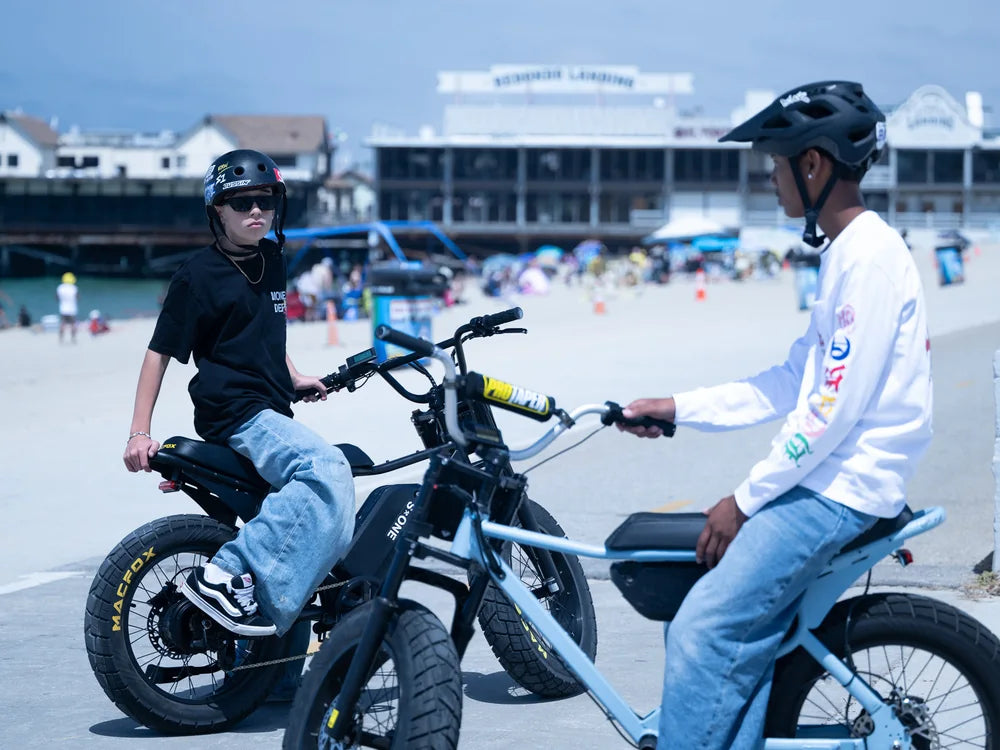
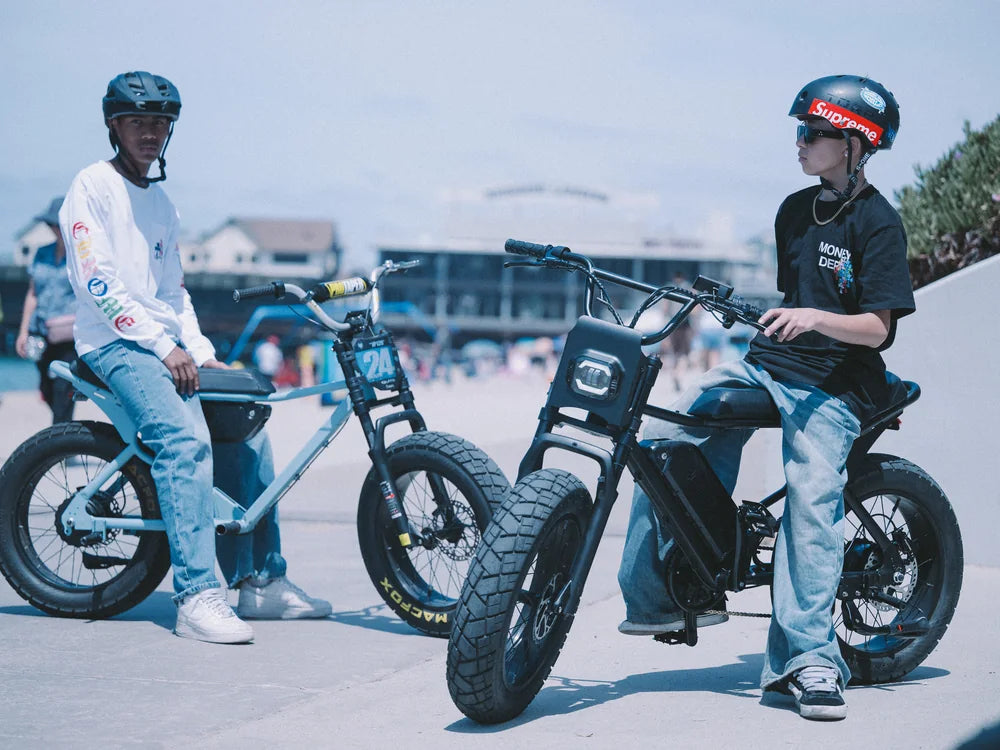
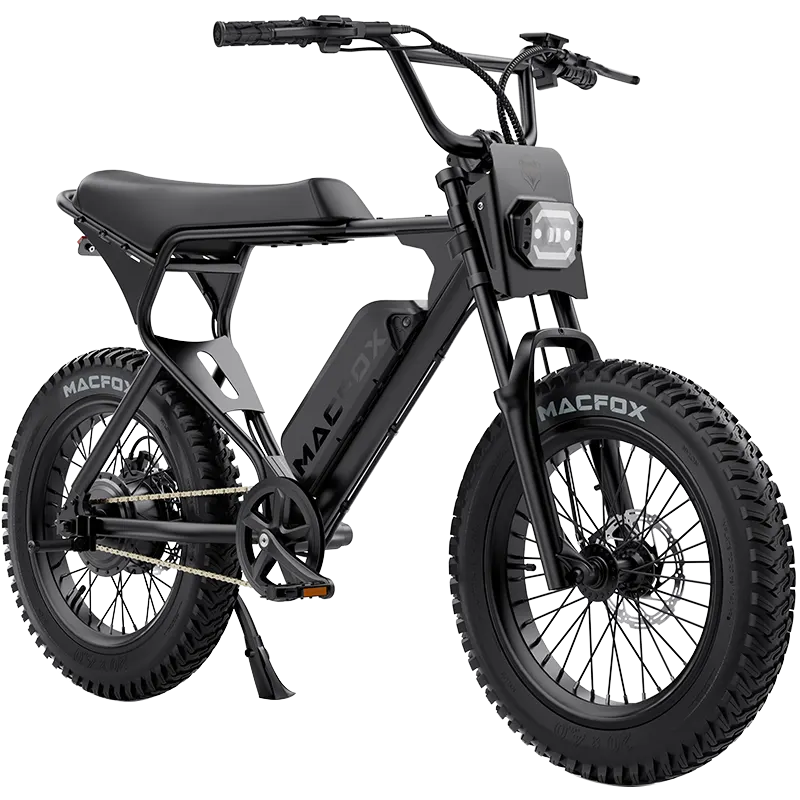
For a repeated local route, the Macfox X1S commuter e-bike fits the classic Macfox role: a punk-inspired, moped-style look paired with an everyday street and neighborhood use case. It makes sense for a teen who wants the ride to feel personal but still needs it to function as dependable transportation.
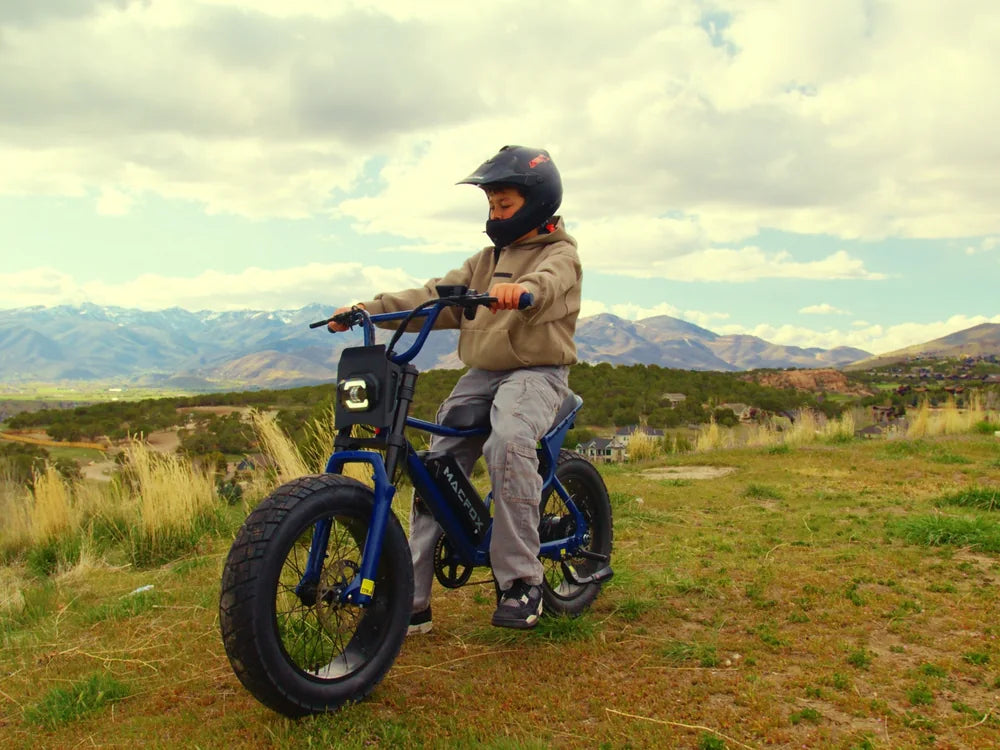
When a smaller body and easier handling are the first priorities, the Macfox M16 youth e-bike is the more natural model to compare. Its compact setup and smaller fat-tire platform are easier to connect with short, familiar routes and newer riders who need a lower barrier to control.
Start with a real test ride if possible. Check whether the teen can mount, stop, turn slowly, park, lock, and walk the bike without assistance. After that, compare the models against the actual job route through the Macfox electric bike collection. Before buying, use the official product page to verify the current configuration, included items, price, support path, and warranty terms rather than relying only on an earlier review or a quick first impression.
The best outcome is not simply that a teen can ride to work once. It is that the route becomes uneventful: the bike is ready, the teen leaves on time, the lock works, the shift ends, and everyone already knows what happens next. That is when the e-bike is supporting independence instead of creating another task for someone else to manage.
FAQ
Can a teen ride an e-bike to a summer job?
Yes, if the teen is legally allowed to ride that e-bike on the planned route, the job and work hours are permitted for their age, the route has been tested, and the workplace provides an approved place to secure the bike. A summer schedule can still include evening shifts, so the return plan matters as much as the ride there.
How far is too far for a teen to ride to work?
There is no useful universal distance. Judge the route by traffic, crossings, visibility, parking-lot access, weather exposure, the teen's control, and whether the return trip happens under different conditions. A calm, familiar route can be more suitable than a shorter but more complicated one.
What should happen if a shift ends later than expected?
The teen should use the backup plan agreed on before the shift. That could mean waiting inside for pickup, meeting a designated adult at a known entrance, or leaving the bike secured with permission. Riding home late should not become the automatic choice just because the bike is already there.
Should a teen ask the employer before bringing an e-bike?
Yes. Ask where the e-bike may be parked, whether indoor storage is allowed, which entrance employees should use, and what happens if the normal parking spot is unavailable. The teen should know the answer before arriving for the first solo shift.
Who is responsible for charging and preparing the e-bike?
Once the routine is established, the teen should handle the normal preparation with the charging equipment and instructions provided for the bike. A parent can help set the rules and inspect a concern, but the teen should not depend on repeated reminders to check the bike, bring the lock key, or leave on time.