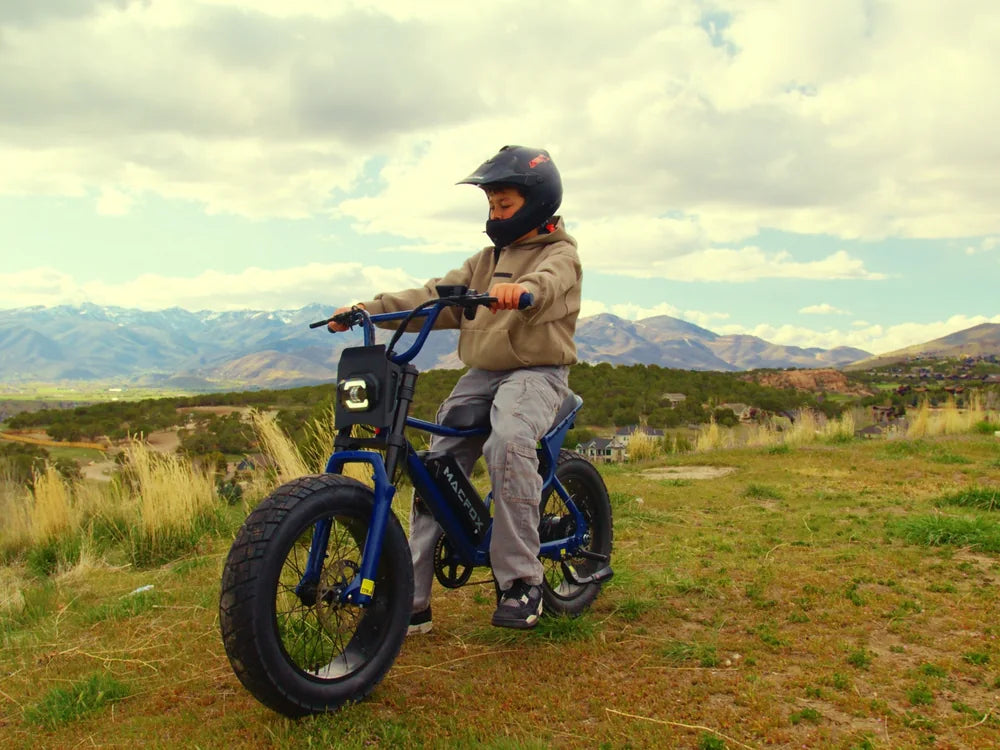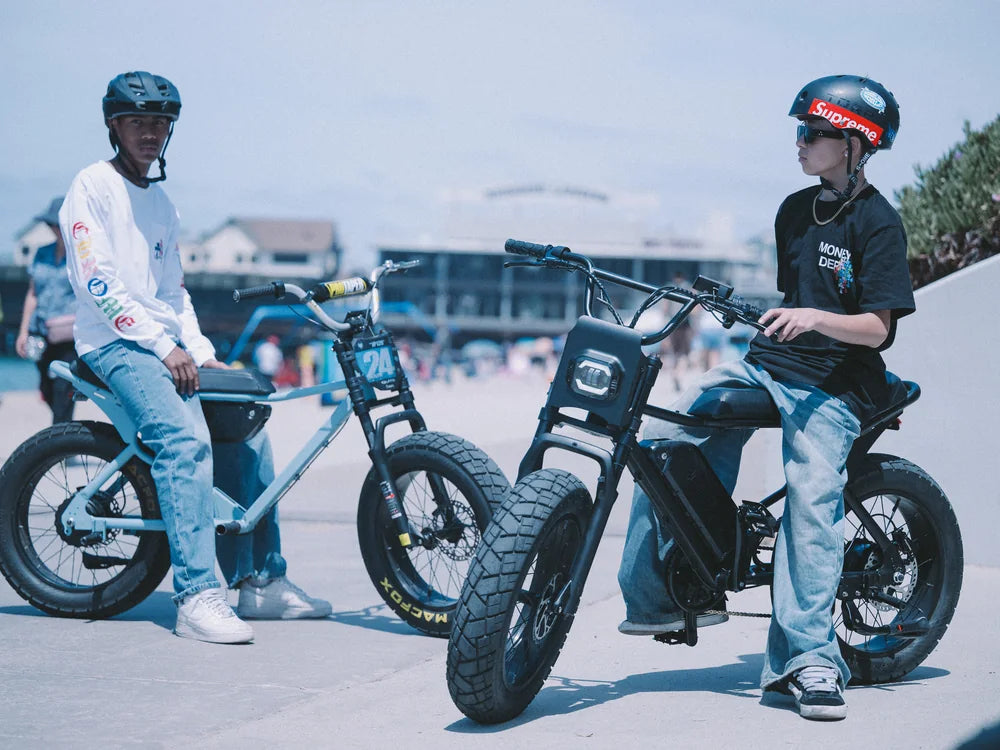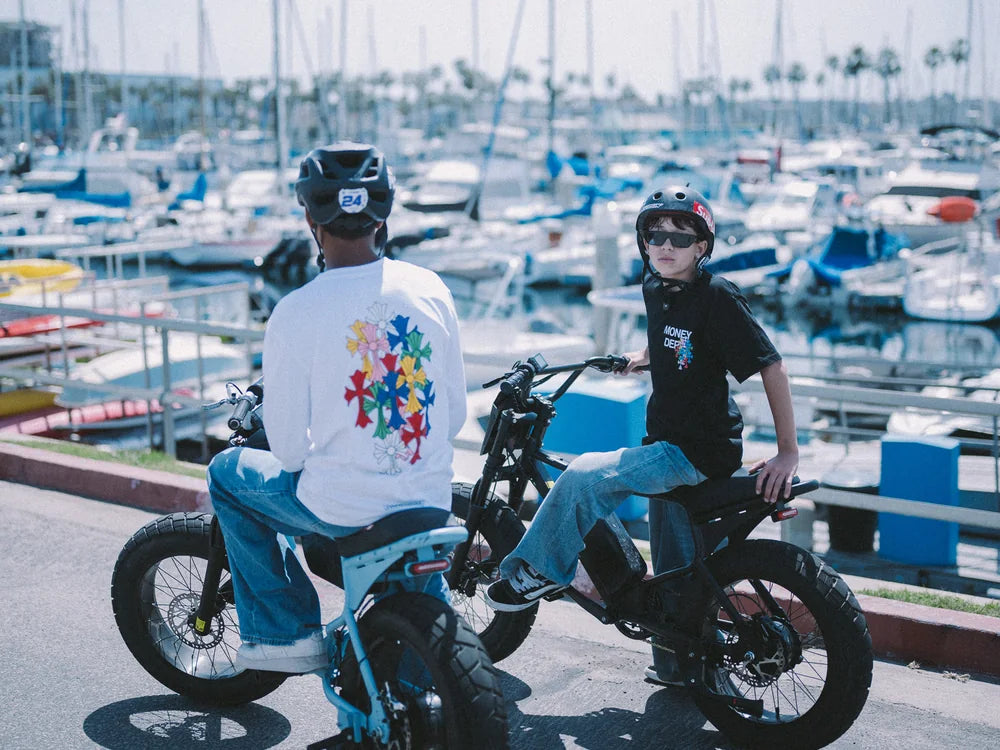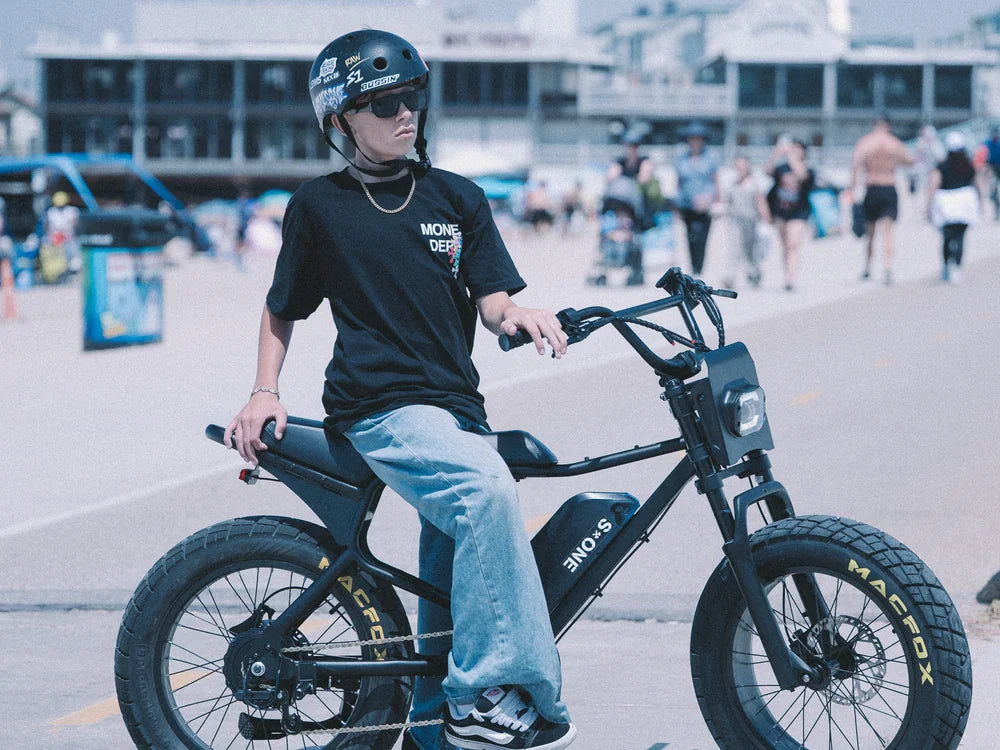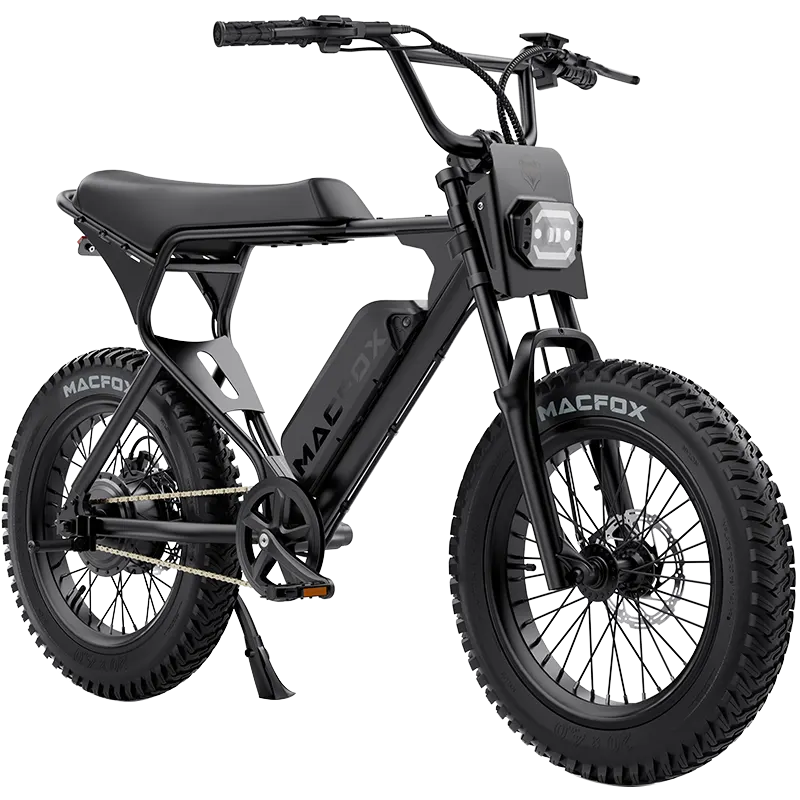

For a teen e-bike, visibility gear should do four jobs: help the rider see what is ahead, help drivers and other riders see them from behind, make the bike easier to notice from the side, and add low-light reflection without making the bike harder to control. The best setup is not the brightest, loudest, or most complicated one. It is the setup your teen will actually use every time, without blocking braking, turning, parking, or attention.
That last part matters because visibility gear can go wrong in two opposite ways. A bike can be under-equipped, so the rider blends into shadows, parked cars, and busy school traffic. It can also be over-equipped, with a crowded handlebar, distracting lights, loose accessories, or style choices that make the rider pay more attention to the bike than the route. For families, the goal is a setup that feels normal enough for daily riding and clear enough for a parent to trust.
Visibility Gear Should Make a Teen Easier to Notice
Visibility is not only a night-riding issue. A teen can be hard to notice in late afternoon glare, under trees, around parked cars, near a school driveway, or while waiting at the edge of a parking lot. A black shirt, a dark bike, and a moving group of friends can make even a short neighborhood ride harder for drivers and pedestrians to read.
A more realistic way to judge visibility gear is to ask where the rider disappears. From the front, do people know a bike is coming? From behind, can a car, parent, or friend tell where the rider is slowing or waiting? From the side, does the bike stand out at crossings and driveway entrances? If one of those angles is weak, that is the place to improve first.
This is not a light ranking. It is also not a mirror buying guide. The point is to build a simple, route-matched setup for teen riders who need to be seen, stay predictable, and still feel like the bike looks good enough to ride with friends.

Start With Front and Rear Lights as a Habit
Front Light: Aim, Stability, and Real Road Use Matter
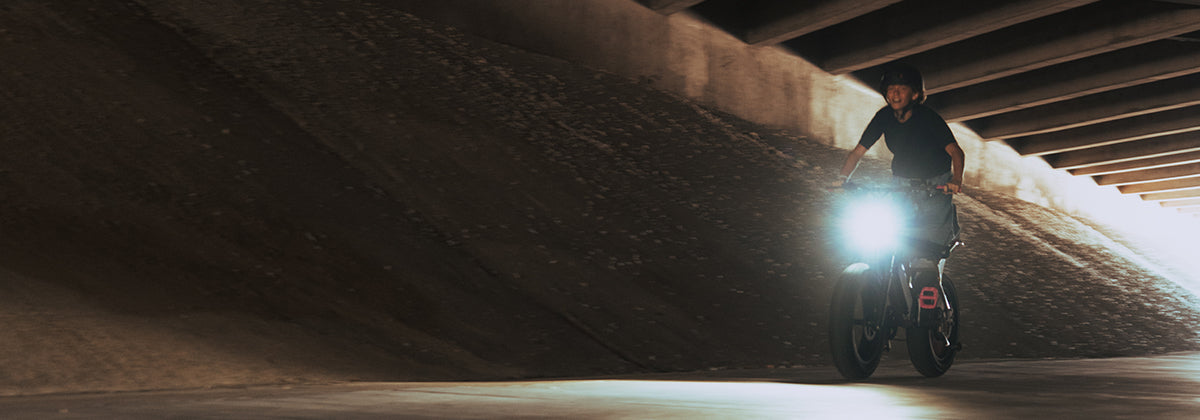
A front light should help your teen see the surface ahead and help other people understand that a bike is approaching. The mistake is treating the front light like a brightness contest. A very bright beam that points into faces, shakes loose, or forces the rider to keep adjusting it is not a better daily choice.
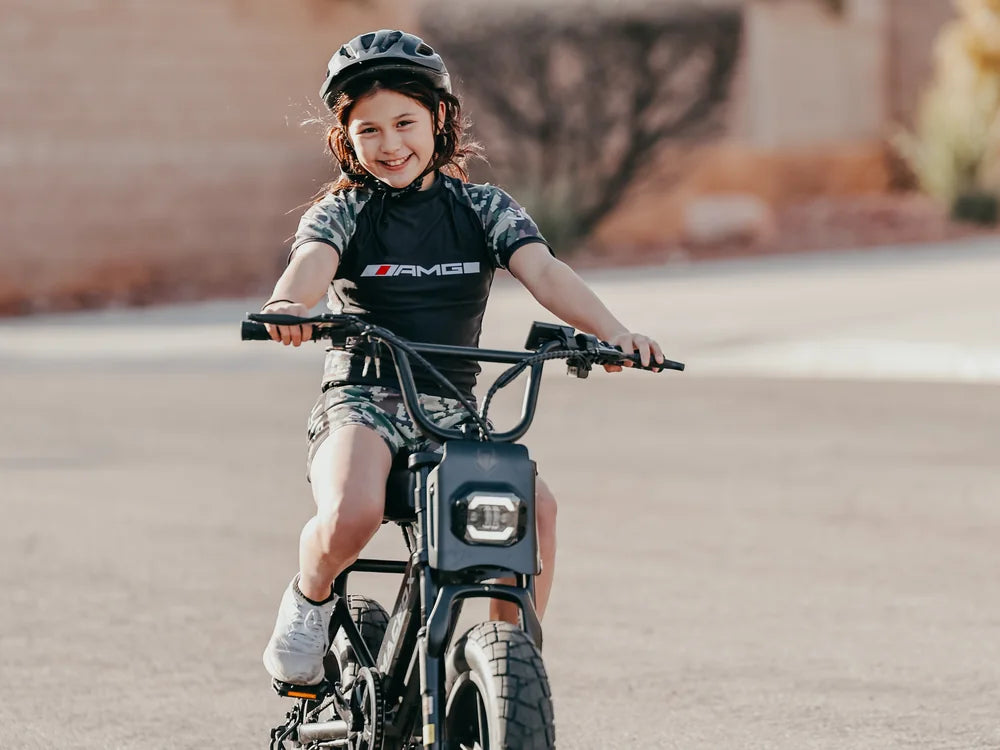
For school-area and neighborhood rides, look for a front light that mounts securely, stays aimed at the path ahead, and does not crowd the brake lever or throttle area. The rider should be able to turn the bars, brake naturally, and park the bike without bumping the light out of position. If a light makes the cockpit feel messy, the setup is not finished yet.
Rear Light: Help Others Read Where the Bike Is
Teen riders often understand the front light faster than the rear light because the front light feels useful to them. A rear light is more about other people. It helps drivers, friends, and family members behind the bike judge where the rider is, whether the bike is stopped, and how much space to leave.
A red rear light is especially useful around school exits, neighborhood streets, cloudy afternoons, and parking areas where cars and bikes are moving in short bursts. It should be easy to switch on, visible from a normal following distance, and mounted where clothing, bags, or the seat position do not block it.
The Charging Routine Is Part of the Gear
A good light that is always dead is not part of the safety setup. Families should make charging and on/off checks as normal as checking a phone before leaving. The routine can be simple: before the ride, check battery, press the light on, confirm it is still attached, and make sure nothing blocks it.
If your teen is still learning daily habits, connect the light routine with a broader route rule instead of making it a lecture. The approved route, return time, and visibility setup should live together. The teen e-bike route boundaries guide is the better place to define where the ride is allowed; this page is about the gear that makes that route easier to see and manage.

Mirrors Help, but They Do Not Replace Looking and Judgment
When a Mirror Helps a Teen Rider
A mirror can help a teen notice what is happening behind them before stopping, moving to the side, or preparing for a turn. It can also make parents more comfortable with short routes where the rider shares space with cars, pedestrians, or other bikes. The value is early awareness, not permission to stop looking around.
Mirrors are most useful when the rider already has steady basic control. If your child can start smoothly, ride a straight line, slow down without panic, and park without wobbling, a mirror can add useful information. If they are still fighting the bike, a mirror may become one more thing to stare at.
When a Mirror Becomes a Distraction
A mirror is not helpful if it makes the handlebar feel crowded, vibrates constantly, or pulls the rider's attention away from the road ahead. A teen should not ride with eyes bouncing between the mirror, phone, friends, and front wheel. That is not visibility. That is divided attention.
Before adding a mirror, watch how the rider handles basic control. The teen e-bike control checklist is the better reference when the real question is whether the bike feels predictable enough. Once control feels natural, a mirror can support awareness instead of replacing it.

Reflective Details Add Side Visibility Without Clutter
Side Visibility Is Easy to Forget
Front and rear visibility are easier to understand because they match the direction of travel. Side visibility is where many daily routes get tricky. At a school driveway, crosswalk, apartment entrance, or parking-lot aisle, a rider may be seen from the side before they are seen from the front or rear.
That is where reflective details can help. Small reflective touches on a wheel area, helmet, backpack, jacket, or bike frame can make the rider easier to notice when light hits from an angle. They do not have to turn the bike into a warning sign. Clean, low-key reflective details often work better for teens because they do not feel embarrassing.
Reflective Gear Does Not Replace Lights
Reflective material needs light from somewhere else before it can work. That makes it a useful supplement, not a replacement for a front light, rear light, and route awareness. The official NHTSA bicycle safety guidance treats visibility as a mix of equipment, predictable riding, and attention, which is the right way to think about teen e-bike routes too.
There is also a product-safety angle. The CPSC bicycle requirements guidance includes reflectors as part of bicycle requirements. For a family buying or setting up an e-bike, that is a reminder to treat reflectors and visibility equipment as real safety parts, not decoration.
Style and Safety Can Work Together
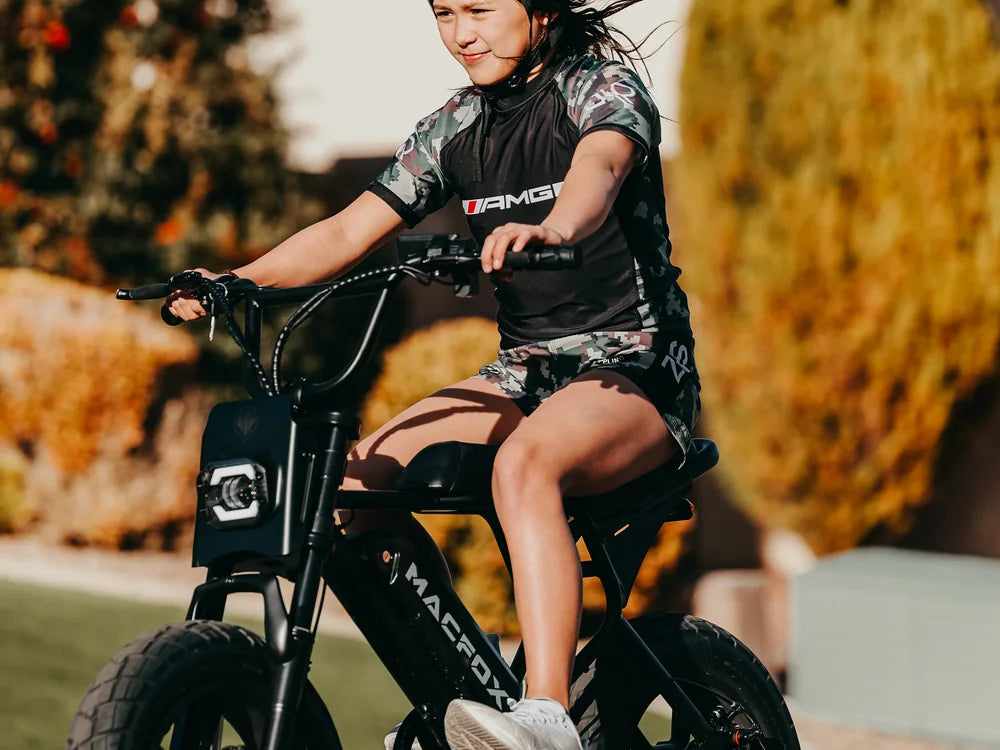
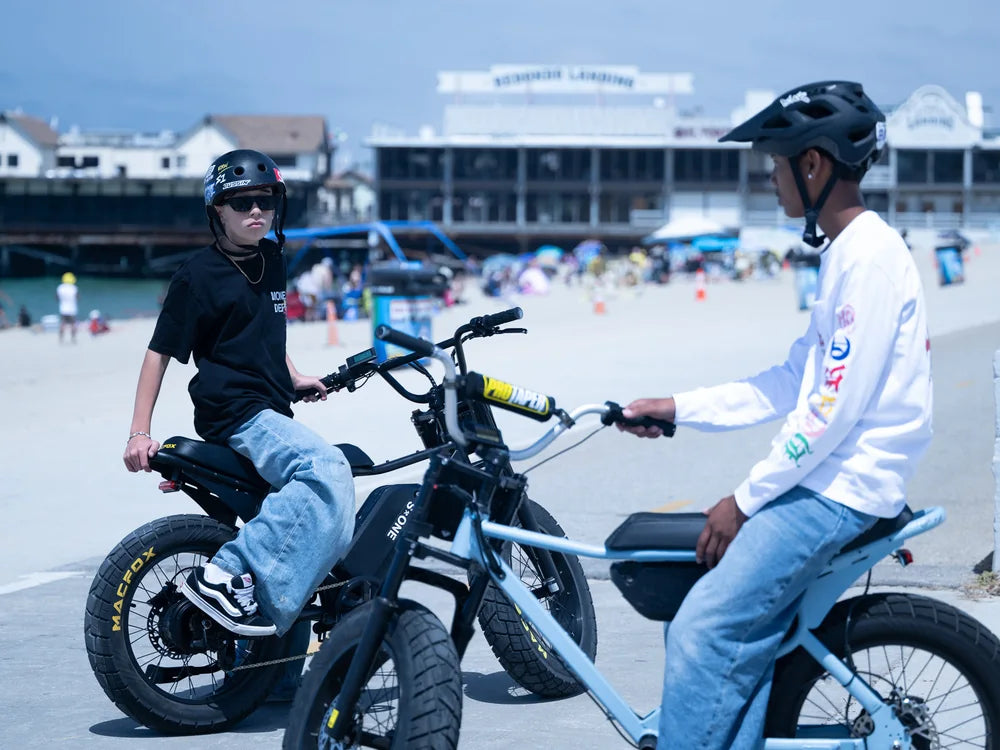
Teens are more likely to keep using gear that does not make the bike look awkward. This is where style can help safety. A clean light mount, a reflective backpack detail, a simple helmet sticker, or a small frame detail can feel like part of the bike's look instead of a parent-added warning label.
If your teen cares about colors, stickers, or accessories, use that interest carefully. The teen e-bike style ideas article covers the expression side. For visibility gear, the rule is narrower: style is welcome when it helps the rider be seen and does not interfere with lights, brakes, steering, or attention.
Match the Setup to the Route, Not to a Shopping List
School and After-School Routes Need Different Visibility Checks
A route that feels easy at 3 p.m. may feel different later in the season, after a practice, during cloudy weather, or when the rider stops near a row of parked cars. Families should review visibility by time and place, not just by distance. Where does the rider wait? Where do cars turn? Where does shade hide the bike? Where does a friend group make the rider harder to separate from everyone else?
That is also why gear should not be judged only on a product page. Once a family knows the real route, they can decide whether the rider needs a stronger rear light, more side reflection, a mirror, or a simpler setup with fewer distractions. If the ride includes school parking or a lock-up area, the teen e-bike school parking guide helps define what happens when the bike is stopped, not just moving.
When to Keep the Setup Simple
Not every teen needs every accessory on day one. If the route is short, slow, familiar, and mostly separated from traffic, the first setup may be front light, rear light, reflectors, helmet, and a clear charging routine. If the rider is still building control, a simple setup may be safer than a handlebar full of gear.
A simple setup also protects freedom. When the gear is easy to remember, easy to charge, and not embarrassing to use, the ride feels more natural. Parents do not have to fight the same battle before every ride, and teens are less tempted to remove the parts that make them visible.
Where Macfox Models Fit This Decision
For riders who already handle the bike confidently and want stronger street presence, the Macfox X7 fits the part of this article about stability, wider tires, and a bike that is easier to notice on the road. Visibility gear still needs to stay clean and functional; the point is not to overload the bike.
For a smaller rider or a lower-pressure route, the Macfox M16 keeps the decision more about control and simplicity. A compact teen setup should use visible lights and reflection without turning the cockpit into a crowded accessory shelf.
If your family is still comparing the right kind of electric bike, finish the route and visibility discussion first. A cool bike becomes much easier to approve when the daily setup is obvious: front visibility, rear visibility, side visibility, and no extra distraction.
FAQ
Does a teen e-bike need both a front light and a rear light?
For daily riding, yes. A front light helps the rider see and helps others see what is approaching. A rear light helps people behind the bike understand where the rider is. Local rules can vary, but from a family safety standpoint, front and rear visibility should be treated as a normal setup, not an optional upgrade.
Is a mirror useful for teen riders?
It can be useful when the rider already has steady control. A mirror can help with awareness before stopping, moving over, or preparing for a turn. It should not replace looking, listening, signaling, slowing early, or choosing a calmer route.
Can reflective stickers replace bike lights?
No. Reflective details help when light hits them, especially from the side, but they do not actively project light. Use them to support front and rear lights, not to replace them.
Are brighter lights always safer?
Not always. Aim, mounting stability, battery life, and whether the beam is appropriate for the route matter more than chasing the biggest number. A light that blinds people, shakes loose, or dies halfway through the ride is not a better safety choice.
What if my teen thinks visibility gear looks bad?
Start with gear that looks clean and feels normal: a tidy front light, a simple rear light, low-key reflective details, and nothing that makes the bike awkward to ride. If the setup looks intentional instead of forced, your teen is more likely to keep using it.