
A teen e-bike can have personality without becoming a project bike. The best style choices are easy to see, easy to remove, and clear of anything that helps the bike start, stop, turn, charge, or stay visible. Stickers, color accents, reflective details, and simple lights can make the bike feel like yours. Motor, battery, controller, throttle, brake, tire, chain, and wiring changes are not style details for a daily teen ride.
The part many riders misread is that "cool" is not only about adding more. A bike that looks clean, recognizable, and intentional usually feels better than one covered in random parts. If you ride to school, meet friends, park near a store, or roll through the neighborhood, the look has to survive real life: locks, sidewalks, parents, teachers, weather, and other people looking at the bike up close.
Start With the Style You Actually Want
Before buying accessories, decide what you want the bike to say. Do you want it to look dark and simple? Brighter and easier to spot? More street-style? More polished? More like a limited color build? If you skip that step, it is easy to add stickers, lights, and parts that fight each other.
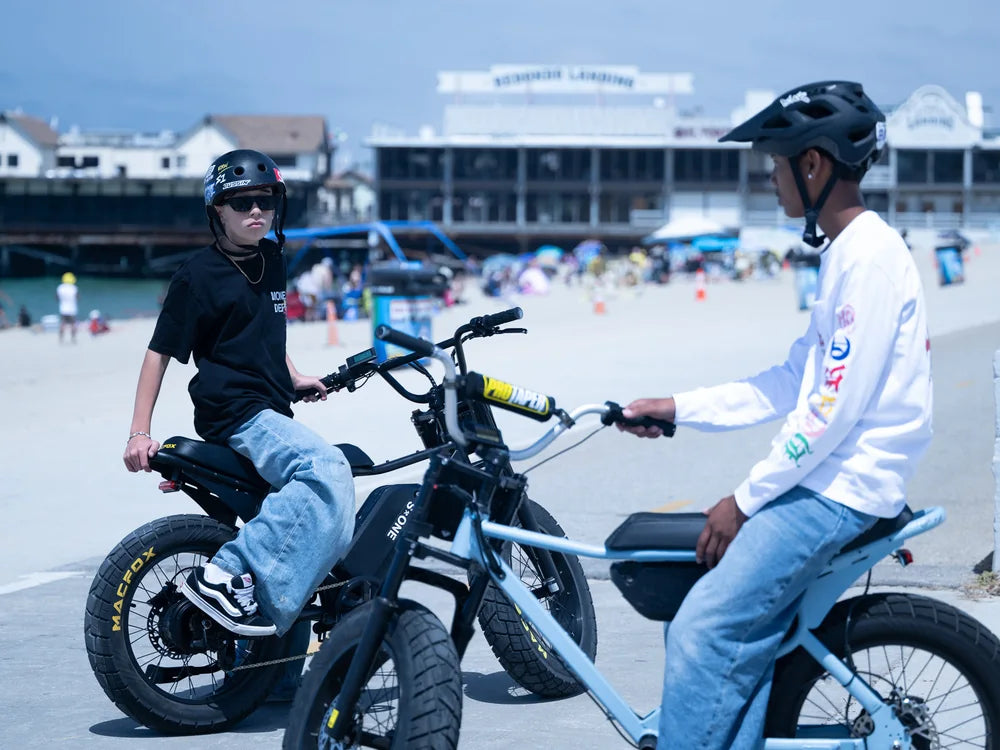
A good test is simple: if someone saw your bike from across a parking lot, would they recognize it as yours for a clear reason? Maybe it is a black moped-style shape, a clean color accent, a small sticker theme, or a reflective detail that catches light at night. That kind of style feels deliberate.
What usually goes wrong is copying the loudest bike on social media. A setup can look good in a short clip and still be annoying on a school rack, awkward to lock, hard to clean, or distracting during a ride. Your e-bike has to work when nobody is filming.

Use Low-Risk Style Pieces First
The safest place to start is with changes that do not alter how the bike works. Think removable decals, small frame stickers, reflective accents, a color-matched lock, or a simple bag that stays tight and does not swing into the wheel. These give the bike a personal look without turning every ride into a maintenance question.
Stickers Should Stay Away From Working Parts
Stickers make sense on flat, non-moving frame areas where they will not peel into the chain, cover a light, hide a reflector, block a display, or touch a battery contact. If a sticker could get scraped by a cable, rubbed by your leg every ride, or land near heat or moving parts, choose another spot.
Small is usually better. A few well-placed decals can make the bike look more personal than a full sticker blast. It also makes it easier to remove or replace them later if your style changes. That matters more than it sounds, because the design you like this month may not be the one you want all year.
Reflective Details Can Look Intentional
Reflective tape and small reflective decals do not have to look like emergency gear. Used in narrow lines, side accents, or matching colors, they can become part of the bike's look while helping the bike stand out in low light. That is a better kind of style because it adds something useful.
Road-safety guidance treats visibility as part of getting ready to ride, including bright clothing, reflective gear, a white front light, a red rear light, and reflectors when visibility is poor. The practical takeaway is not that every bike needs to look boring. It is that style should not make you harder to see. If you want the official safety reference, start with NHTSA bicycle safety guidance.

Let the Bike Do Some of the Style Work
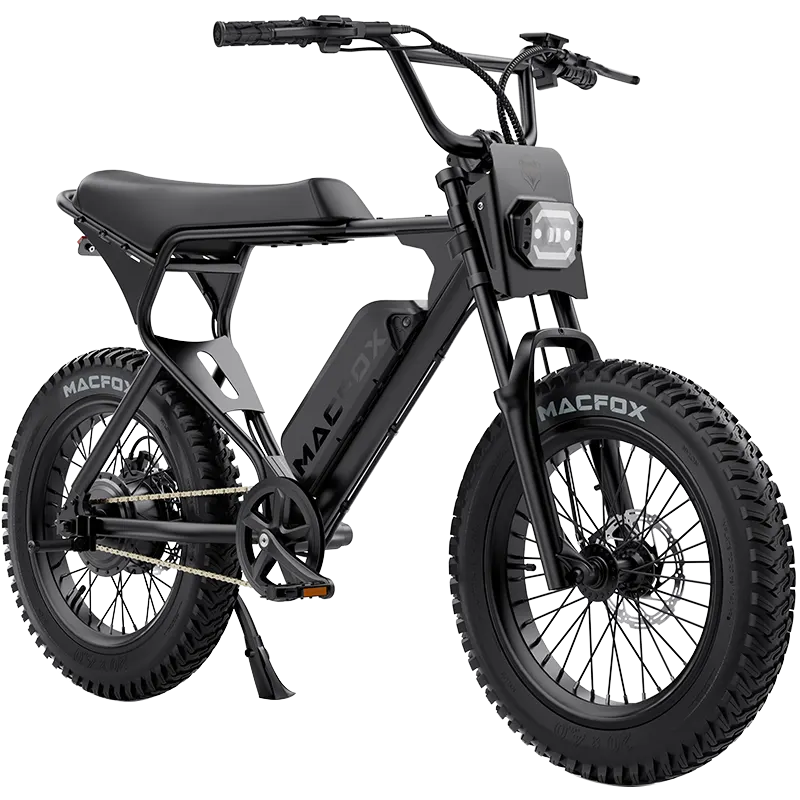
If style matters a lot, do not rely on add-ons to rescue a bike you do not like. Frame shape, seat shape, tire size, headlight design, and color do more for the first impression than most small accessories. That is why a rider who wants a street-style look should start by looking at the bike's base design.
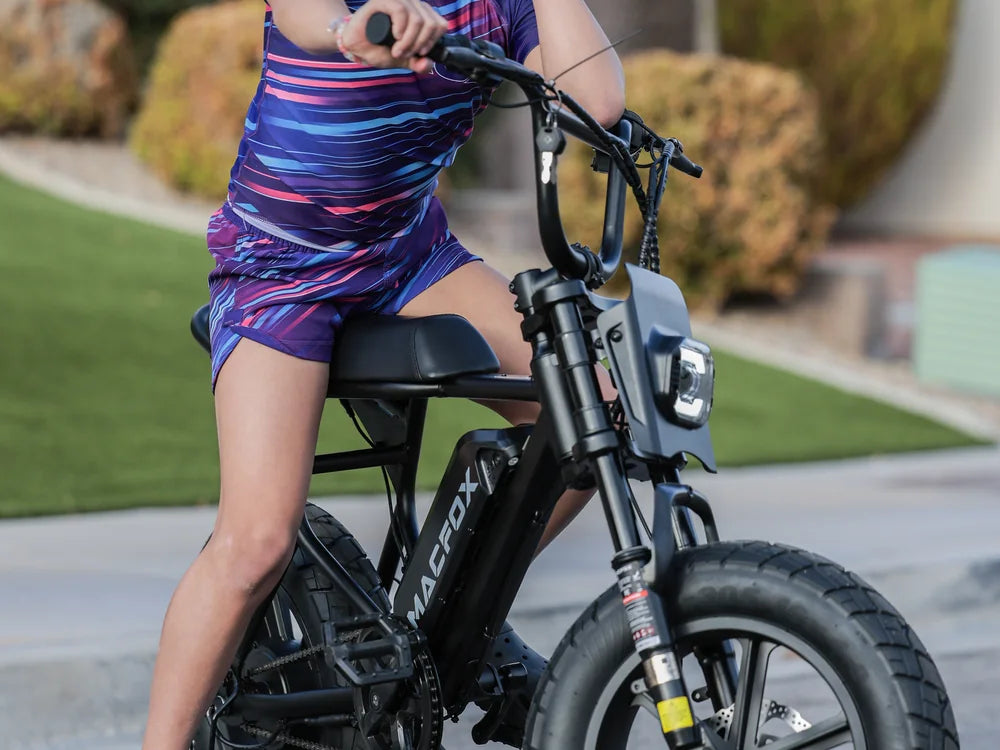
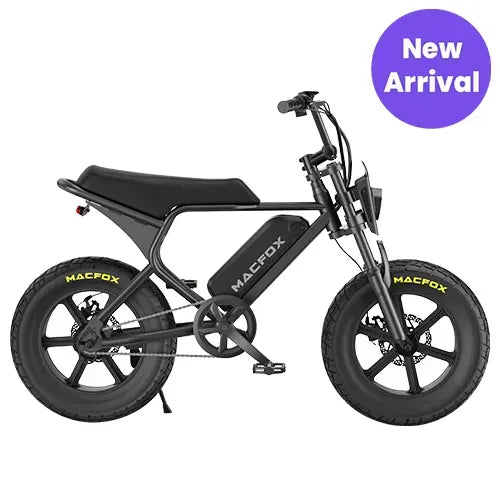
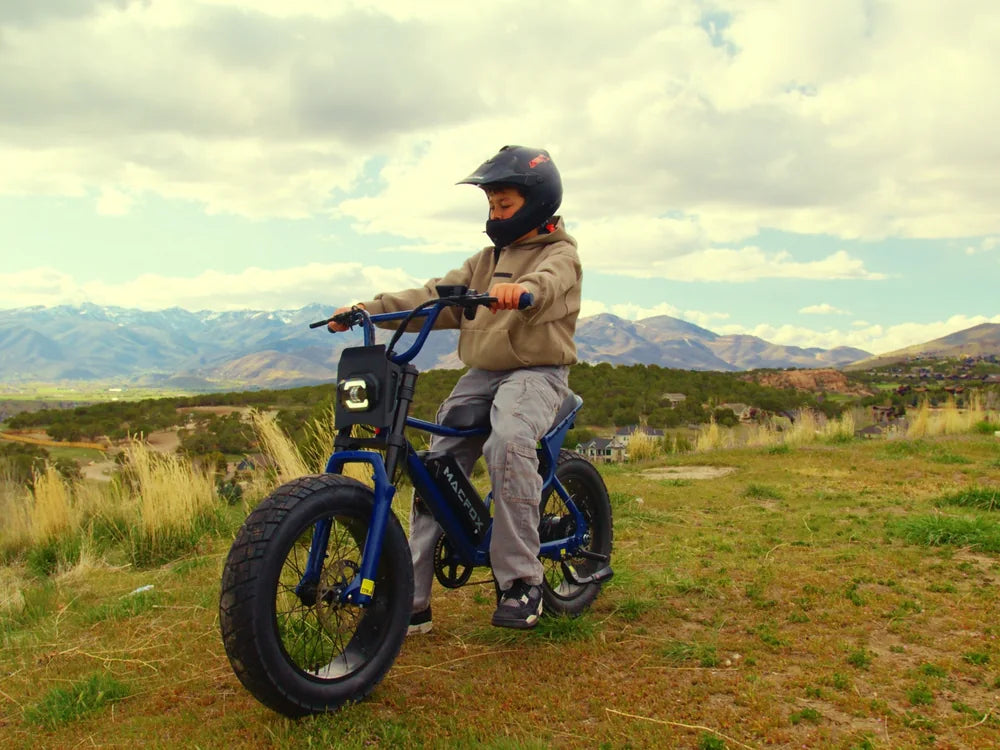
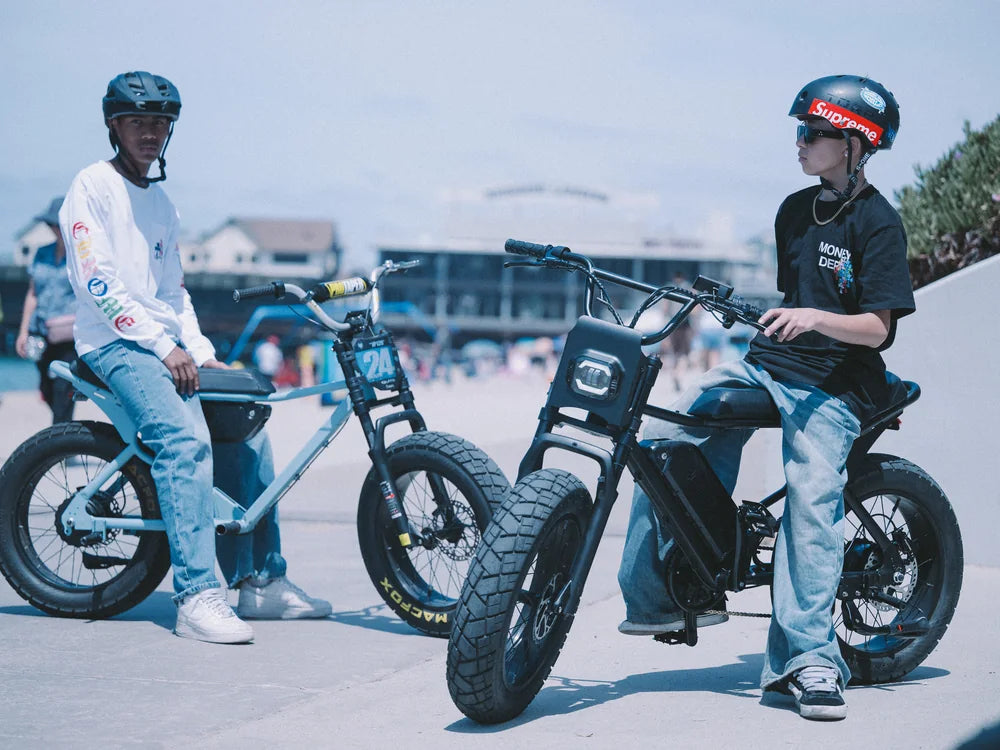
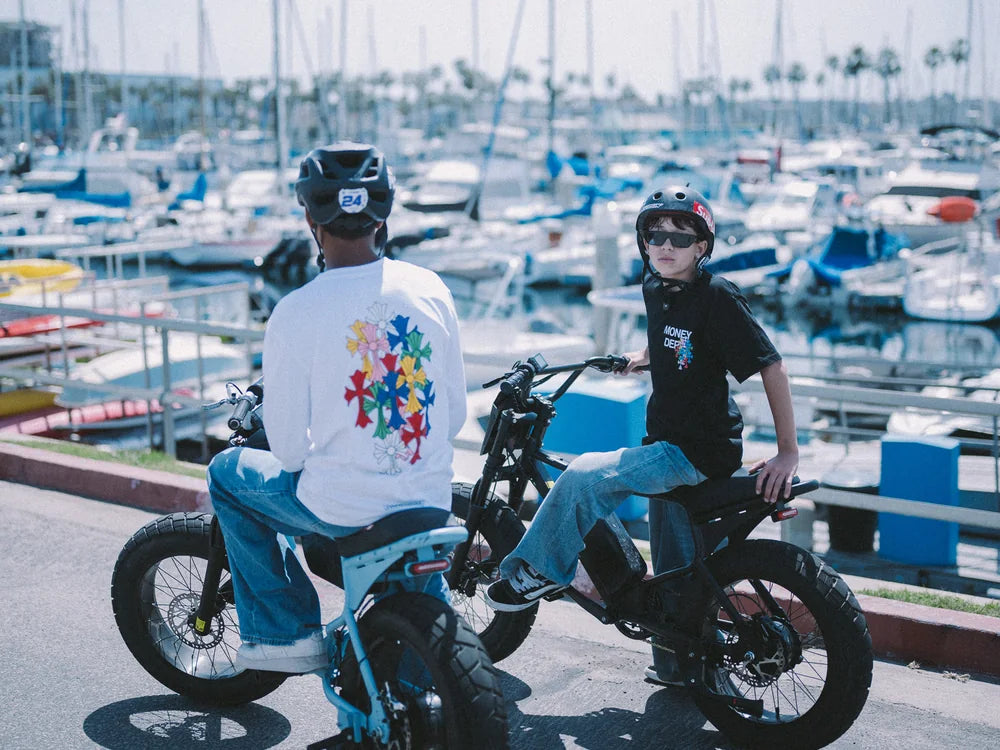
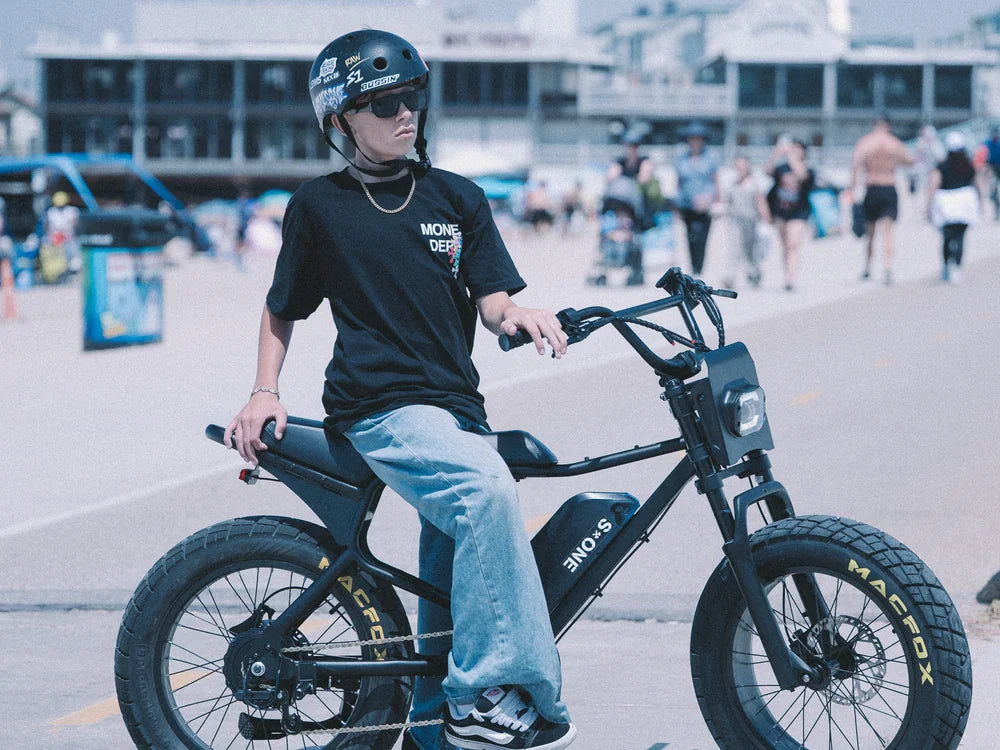
The Macfox X1S works well as a style base because its long seat, fat tires, and moped-style stance already give it a stronger look than a plain commuter bicycle. If you like that direction, the moped-style electric bike collection is a more useful next step than adding random parts to a bike with the wrong shape.
Color can also do a lot before any accessory gets added. The X1S x Bs.zay is the better example here: it is a visual edition, not a separate performance line. The point is the color and identity. For a rider who wants the bike to feel more personal from day one, starting with a colorway that already fits your taste can be cleaner than trying to decorate around a color you never liked.
If you are still comparing different body styles, the broader electric bike collection can help you look at the shape, seat, tires, and overall stance before getting stuck on small accessories.

Use Lights for Visibility, Not Just Attention
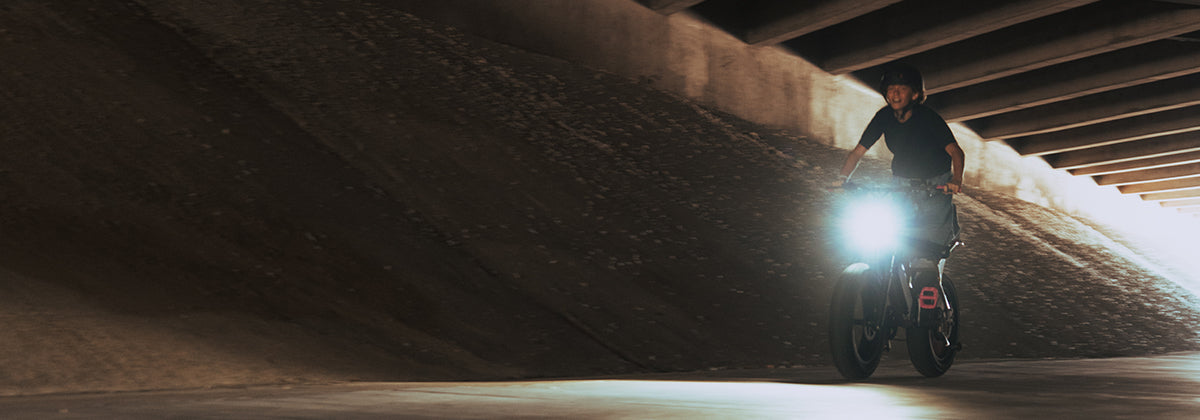
Lights can make an e-bike look sharper, but their first job is still visibility. A front light should help others understand where you are coming from. A rear light should make the back of the bike clear. Side visibility matters too, especially around driveways, school parking areas, and neighborhood turns.
What does not help is a loose light that rattles, a light pointed into someone's eyes, a strip that covers the original headlight or tail light, or a flashing setup that turns every ride into a distraction. If a light makes the bike harder for other people to read, it is doing the opposite of what you need.
For teen riders, the better move is simple: keep the main lights clean and visible, add small reflective details where they make sense, and use removable lights only when they are secure. Save the full lights-and-mirrors decision for a separate safety gear check. This page is about style choices that do not create new problems.
Skip Changes That Make the Bike Harder to Trust
Some changes look cool because they feel more serious, louder, or faster. That does not make them good choices for a teen daily ride. If a change affects power delivery, top speed, braking, battery charging, wiring, or how the bike is maintained, it is no longer a style decision.
Do not treat the motor, controller, throttle, battery, brake system, tires, or wiring as decoration. Do not remove required reflectors or cover lights. Do not add anything that gets in the way of two hands on the handlebar, clean turning, parking, pushing the bike, or locking it securely. If the bike becomes harder to explain to a parent, school staff member, or repair technician, the style choice has probably gone too far.
A more realistic way to judge it is to ask five questions before adding anything:
- Can I remove it without damaging the bike?
- Does it stay away from brakes, wheels, lights, chain, display, and battery areas?
- Does it help or at least preserve visibility?
- Will it still look good when the bike is parked, locked, or a little dirty?
- Would I be comfortable explaining it to a parent, school staff member, or repair shop?
If the answer is no, leave it off. The goal is not to make the bike look unfinished or over-controlled. The goal is to make it look like your bike while still being easy to ride, easy to park, and easy to trust.
If you are not sure whether your bike choices fit your daily route yet, use the teen e-bike readiness checklist as the bigger decision layer. Style should come after the bike fits the rider, the route, and the basic trust test.
FAQ
Can teens put stickers on an e-bike?
Yes, as long as the stickers stay on non-moving, non-critical areas. Keep them away from brakes, tires, chain, lights, reflectors, displays, battery contacts, labels that need to remain visible, and anything that gets hot or moves.
Are reflective stickers a good style choice?
They can be. Reflective stickers are one of the better style choices because they can make the bike more recognizable and more visible at the same time. Use them as small accents rather than covering the whole bike.
Should a teen add LED lights for style?
Only if they are secure, not blinding, and do not cover the bike's main lights or reflectors. A light that makes the bike easier to see is useful. A light that distracts other people or makes the bike look unsafe is not worth it.
Is repainting or wrapping an e-bike a good idea?
For most teen riders, no. Permanent paint or wrap work can affect warranty questions, labels, resale, and repair checks. If the goal is personal expression, start with removable pieces and a bike color you already like.
What is the safest way to make a teen e-bike look cooler?
Start with the bike's base style, then add small removable details: stickers in safe spots, reflective accents, a clean color theme, and secure visibility accessories. Skip anything that changes the bike's speed, power, braking, charging, or wiring.