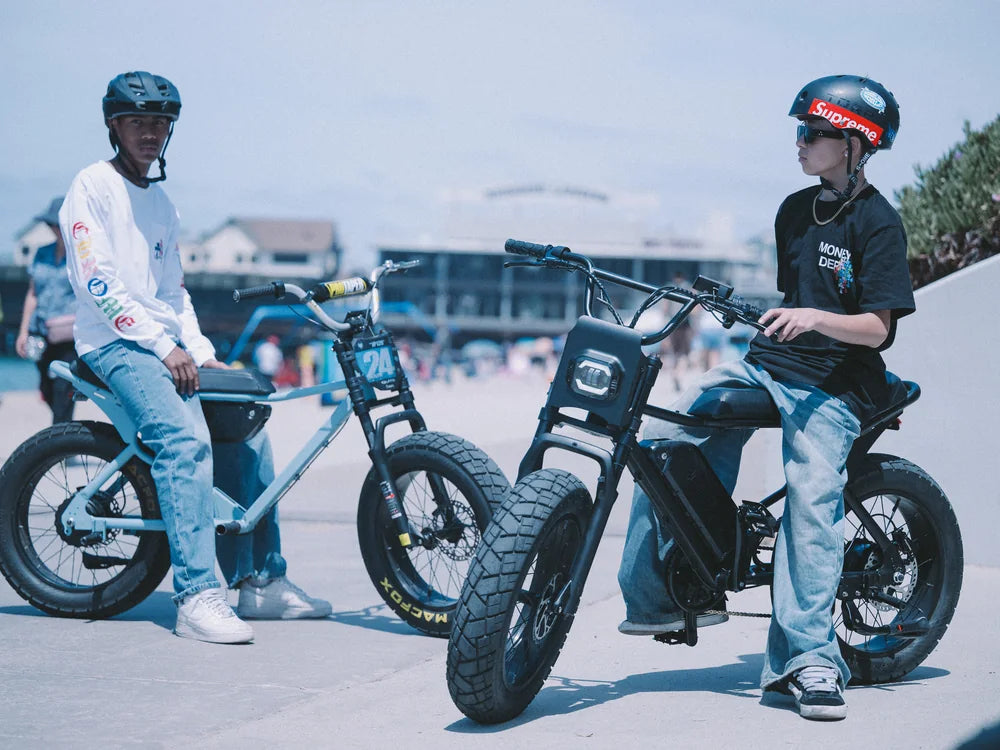

A parent-teen e-bike agreement should be written before the first independent ride, not after the first argument. The agreement does not need to be long or formal. It should clearly say where your teen can ride, when they need to come home, how they handle friends, phones, passengers, parking, charging, and what happens if a rule is broken.
The point is not to turn a bike into a contract fight. The point is to make freedom repeatable. If your child knows the rules before the ride starts, they have a better chance of making the same calm choice when friends are watching, the route changes, or the bike feels exciting.
Start With Trust, Then Put It in Writing
Most families already have some version of e-bike rules. The problem is that the rules often live in scattered reminders: "wear your helmet," "do not go too far," "do not let anyone borrow it," "text me when you get there." Those reminders make sense to parents, but they can feel vague to a teen who is about to ride with more independence.
A written agreement turns the family conversation into something both sides can point to. It also keeps parents from changing the rules in the moment because they feel nervous, and it keeps teens from claiming they did not know what was expected.
If you are still asking whether your child is ready for an e-bike at all, start with the teen e-bike readiness checklist. This page is the next step: once readiness looks possible, the agreement turns that decision into daily riding rules.

What the Agreement Should Cover
A useful agreement is short enough that your teen can remember it, but specific enough that nobody has to guess. I would avoid writing it like a legal document. Use normal family language: what is allowed, what is not allowed, and what happens next.
| Agreement Area | What to Decide Before the Ride | Why It Matters |
|---|---|---|
| Helmet and gear | Helmet on every ride, with visible clothing or lights when needed. | Short trips are still real rides. |
| Approved routes | Which streets, paths, school areas, or neighborhood loops are allowed. | A safe destination can still have an unsafe route. |
| Time limits | When the ride starts, when the teen checks in, and when they must be home. | Light, traffic, and supervision change by time of day. |
| Speed and assist | Which assist level or riding behavior is acceptable for family routes. | The goal is predictable riding, not showing what the bike can do. |
| Phone use | No filming, texting, scrolling, or headphones while moving. | Distraction is one of the easiest rules to break. |
| Friends | Whether friends can join, how many, and what happens if the group rides badly. | Peer pressure changes decisions quickly. |
| Passengers and lending | No carrying friends or lending the bike unless parents approve it first. | Weight, control, rules, and responsibility all change. |
| Parking and charging | Where the bike is locked, where accessories go, and where charging is allowed. | Daily ownership habits matter as much as the ride itself. |
Before choosing an electric bike, it helps to know which of these rules your family can actually enforce. A bike that looks exciting in the driveway still has to fit the route, the child, and the rules your household is prepared to maintain.
Route Rules Need More Than a Destination
"You can ride to school" or "you can ride to your friend's house" is not specific enough. Parents and teens should agree on the actual path, the hard intersections, the places to slow down, and the places where the bike should be walked instead of ridden.
A more practical route rule sounds like this: you can ride to school using Maple Street and the bike rack entrance, but you may not cut across the parking lot, ride on the main road, or change the route without asking. That wording is not fancy, but it tells your child what to do when the ride gets real.
This article does not need to map every route detail. The agreement should simply make route approval part of the family system. If the main question is whether your teen is ready for a particular school or neighborhood route, pair this agreement with the broader teen's first e-bike guide before you choose the bike.
Friends, Passengers, and Lending Need Separate Rules
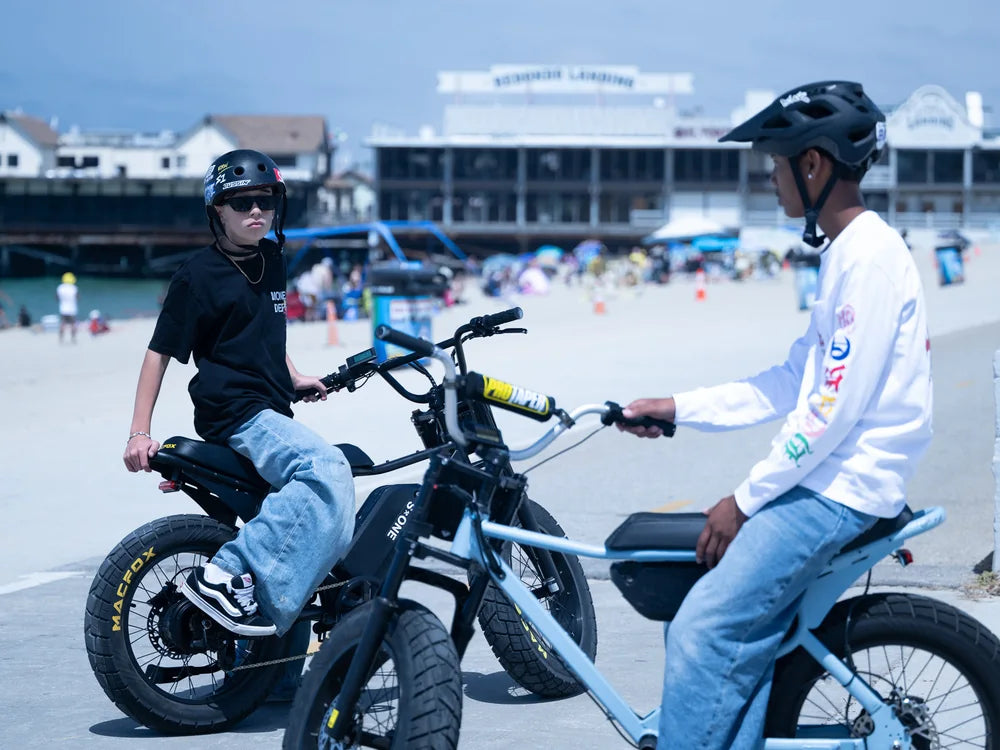
Many teens can ride calmly alone and make weaker decisions with friends. That is not a character flaw. It is a normal part of growing up, and it is exactly why the agreement should include social riding rules before the first group plan appears.
Write the rule in a way your teen can use out loud. For example: "I can ride with one or two friends on the approved route, but I cannot carry anyone, race anyone, lend the bike, or follow a group that leaves the route." That gives your child a sentence they can repeat when a friend pushes them.
Passenger rules should be especially clear. If your family rule is no passengers, write it. If your local rules, bike setup, route, and parent permission allow a passenger in limited situations, write the exact situation. Do not leave this to a sidewalk conversation with friends nearby.

Phone Rules Should Be Boring and Clear
Phone rules are easy to underestimate because parents may focus more on speed, traffic, or the bike itself. But for teens, the phone is often part of the social ride: filming, texting, location sharing, music, checking messages, or answering a parent mid-ride.
The agreement should separate check-ins from phone use while moving. A good rule is: stop the bike fully before using the phone. If parents require a check-in, the teen should know where to stop safely before sending it.
Do not make the phone rule too complicated. "No phone in hand while the bike is moving" is easier to remember than a list of exceptions. If your teen wants to use navigation or music, decide that before the first ride, not while they are already on the road.
Use a Reset Plan, Not Just Punishment
If the agreement only says "break the rules and lose the bike," it may sound clear, but it does not teach the next step. A better agreement includes a reset plan. The rule should answer: what happens after a mistake, and how does the teen earn independence back?
| If This Happens | Reset Plan |
|---|---|
| Missed check-in | Next ride uses a shorter route and a planned stop point for check-in. |
| Changed route without asking | Return to parent-approved route only until trust is rebuilt. |
| Used phone while moving | Phone stays zipped away during the next rides except at full stops. |
| Carried a passenger or lent the bike | Pause independent rides and restart with supervised practice. |
| Rode with a group that broke rules | Group rides pause; solo approved route returns first. |
This is where parents can keep the tone steady. The agreement is not saying your teen can never make a mistake. It is saying the bike is a responsibility, and responsibility gets rebuilt through smaller, calmer rides.
Copy This Parent-Teen E-Bike Agreement
You can adjust this template for your home, school, local rules, and bike model. Keep it short enough that your teen can actually remember it.
I agree to ride only on approved routes and during approved times. I will wear my helmet, follow local rules, stop before using my phone, and check in when my parents ask me to. I will not carry passengers, lend the bike, race friends, ride with unsafe groups, change routes, or use the bike in a way that makes other people feel unsafe.
If I break a rule, I understand that my next rides may become shorter, supervised, or paused until I show that I can ride calmly again. My parents agree to explain the rule, review the first rides with me, and expand my freedom when I show consistent control and judgment.
Parents can add details below the template: approved route, approved time, lock location, charging location, check-in point, and what counts as a no-ride situation. The more specific those details are, the fewer arguments happen later.

Match the Bike to the Agreement
The bike should make the agreement easier to follow. If the family rule is calm neighborhood riding, school-area routes, and predictable control, choose a model that supports that reality instead of buying only for the most dramatic look or biggest number.
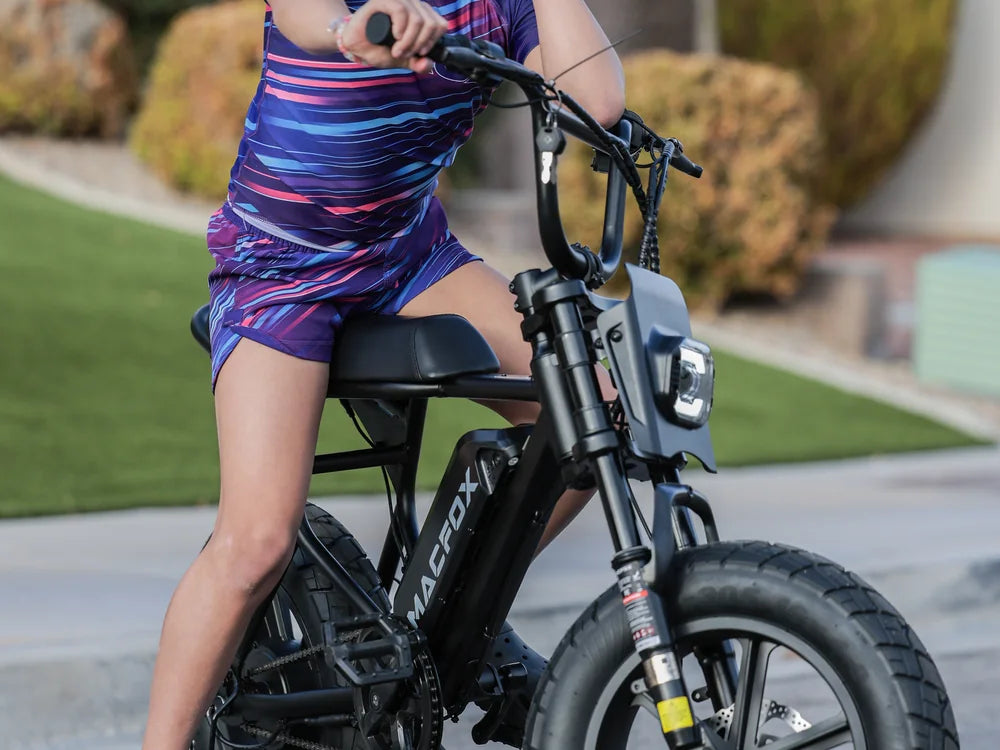
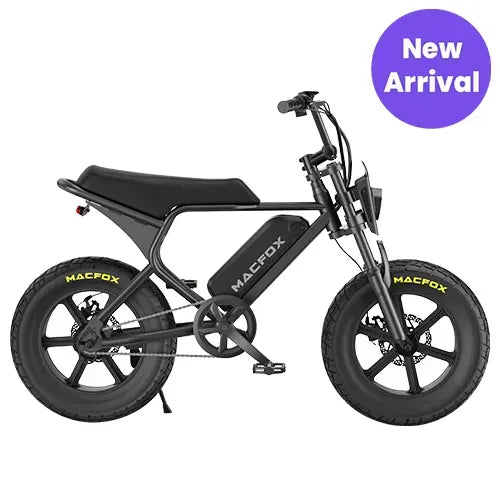
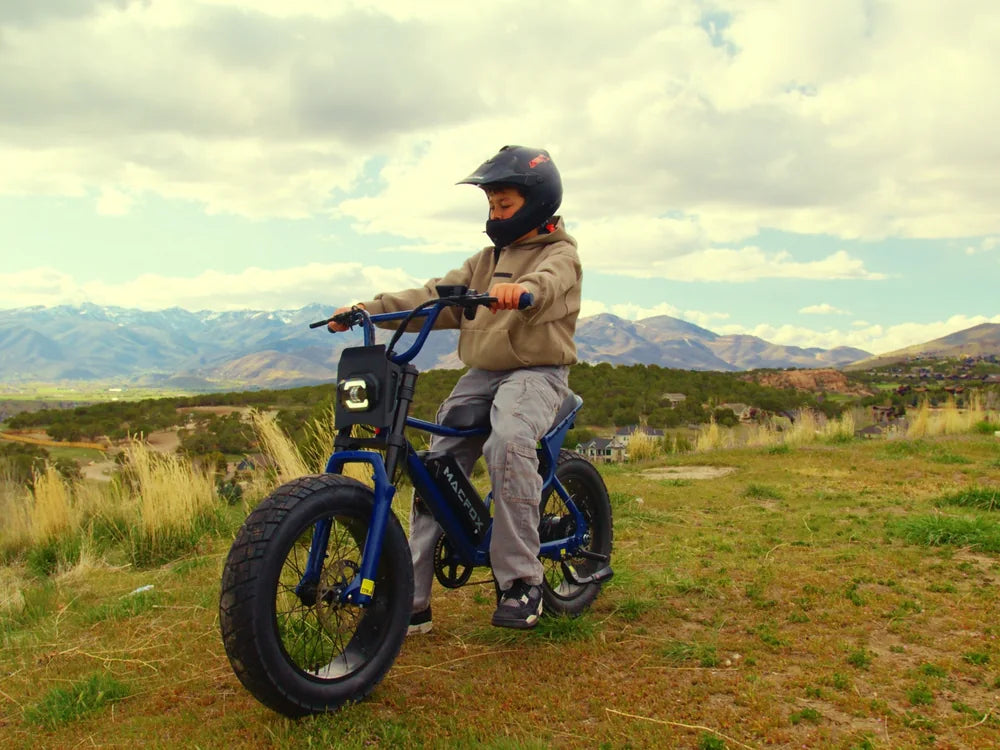
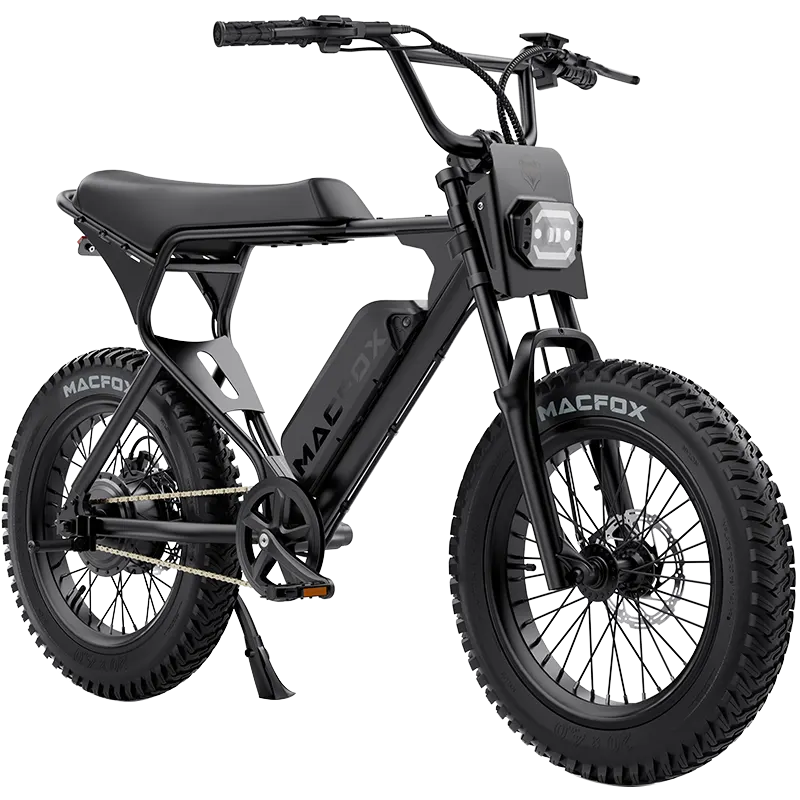
For a smaller teen or a child who needs a lower entry point, the Macfox M16 electric bike fits the agreement well because its smaller body, easier control, and 16x4.0 fat tires support short daily rides and confidence-building practice.
For a taller teen or young rider who is ready for a classic daily setup, the Macfox X1S commuter e-bike is the cleaner match when the route is familiar and the rider wants the brand's punk-style look without turning the family conversation into a speed contest.
For riders who need more tire presence and grip confidence, the Macfox X7 belongs in the wider fat-tire lane. It should still be matched to the teen's control, route, and rules. Wider tires do not replace judgment.
After the family agrees on rules, compare current model details on the official product pages. Buying through the official Macfox site also keeps the product information, support path, and warranty expectations clearer than relying on random listings or secondhand claims.
Parent Decision Summary
A parent-teen e-bike agreement works best when it is specific, short, and connected to real rides. It should not try to cover every possible mistake. It should cover the moments that most often change a safe ride: route changes, friends, phones, passengers, parking, charging, and what happens after a rule is broken.
If your teen can follow the agreement calmly, the e-bike can become a real step toward independence. If your teen argues against every limit before the first ride, wait. The goal is not to remove the cool part of riding. The goal is to make the cool part safe, legal, and repeatable enough that parents can keep saying yes.
If you are still comparing whether an e-bike makes sense at all, the teen e-bike vs regular bike comparison can help you decide whether to move forward now or keep building regular-bike habits first. For the everyday safety layer, use the rules for teens about e-bikes as the companion page.
FAQ
Should parents make an e-bike agreement before buying?
Yes, at least in draft form. If your teen will not accept basic route, helmet, passenger, phone, and check-in rules before the bike arrives, buying the bike will not make those conversations easier.
Does the agreement need to be signed?
It does not have to be formal, but a simple signature or text confirmation can help. The real value is the conversation behind it: everyone knows what was agreed before the first independent ride.
What if my teen says the rules are embarrassing?
Keep the rules practical, not dramatic. Give your teen simple lines they can use with friends, such as "I have to stay on the approved route" or "I am not allowed to carry anyone." That makes the rule easier to follow socially.
Should school rules be included?
Yes, if the bike will be used near school. Include where the bike can be parked, when it can be ridden, whether campus paths are allowed, and what happens if the school changes its policy.
When can parents loosen the agreement?
Loosen it after repeated calm rides, not after one good ride. Start with one route, one time window, and one check-in habit. Expand when your teen shows the same judgment without reminders.