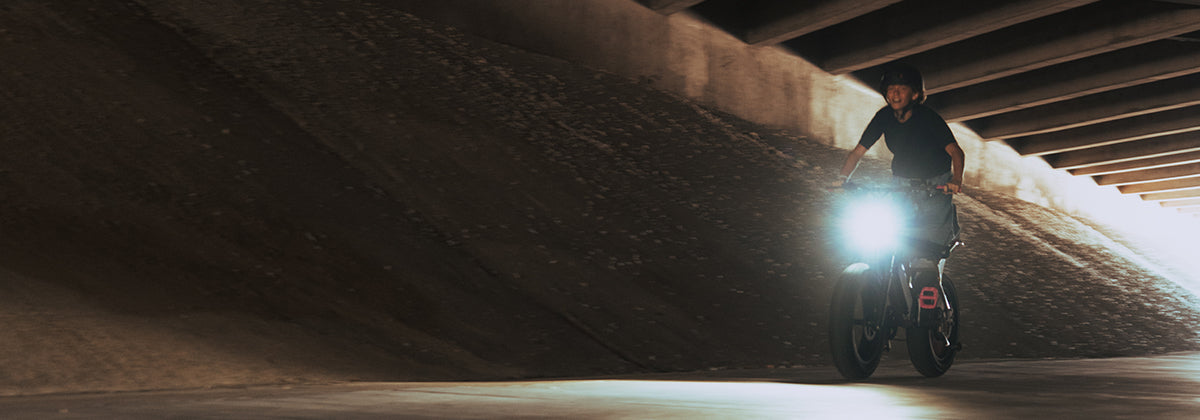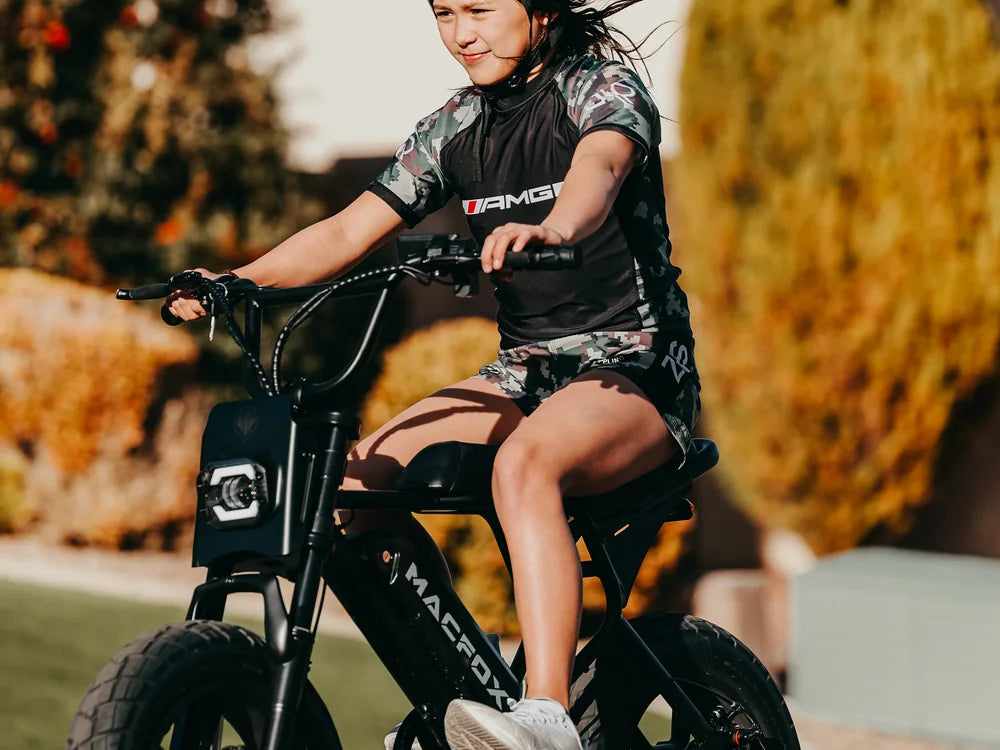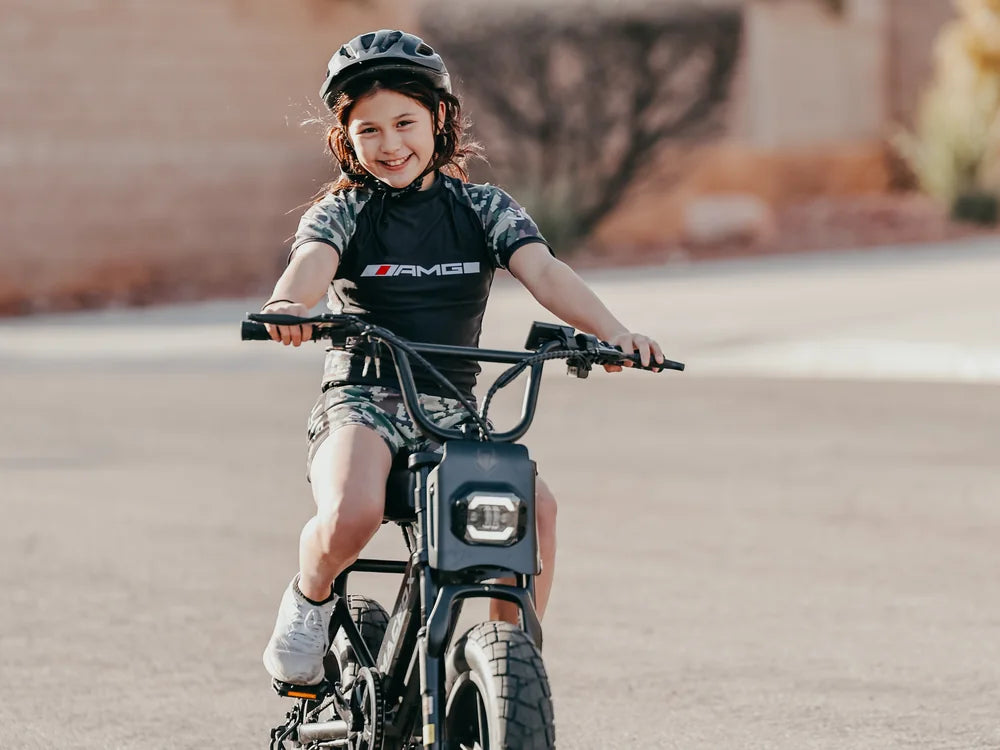

For most school and neighborhood e-bike rides, you do not need to carry a full repair kit or pack like you are leaving for the whole day. You need the few things that keep the ride simple: a charged phone, your keys, a lock, a small payment backup, water when the ride or weather calls for it, and a way for someone at home to reach you if plans change.
The best carry setup is the one you will actually use. If your bag feels too heavy, your lock swings around, or your phone is in your hand while you ride, the setup is working against you. A short ride should still feel easy.
Start With How Long the Bike Will Be Out of Your Sight
A better way to decide what to bring is to ask one question first: how long will the bike be away from you?
If you are riding five minutes to a friend's house or a nearby court, the list can stay light. You need your phone, keys, and a lock if the bike will sit outside. If you are riding to school, the bike may be parked for hours, so the lock matters more than extra accessories. If you are going somewhere after school, think about the whole day, not just the first ride.
This is where many teens overpack or underpack. A short neighborhood ride does not need a giant backpack. A full school day does need a little more planning. If your route changes after school, the most useful thing is not another gadget. It is making sure the people at home know where you are going. If you need a simple way to set those limits, use the teen e-bike route boundaries guide as the route layer.

The Everyday Carry List Should Stay Short
A daily carry list only works if it is short enough to repeat without thinking. For school and neighborhood rides, start with these basics:
- Charged phone: for contact, route checks before riding, and plan changes.
- House key or access card: the one item that ruins the day if you forget it.
- Lock and key: especially if the bike will leave your sight.
- Small payment backup: a card, cash, or a phone payment option if your parents allow it.
- Water: useful for warm weather, longer school days, or after-school activities.
- Emergency contact info: helpful if your phone dies or gets lost.
The phone deserves one extra note: it is not something to hold while riding. Its job is to help before the ride and after you stop. Check the route before leaving, put the phone away, and pull over if you need to reply or change plans.
If you are still choosing an electric bike for short daily rides, think about the carry setup too. A bike for school and neighborhood use should make it easy to ride with a small bag, not make every trip feel like a gear haul.
Put Each Item Somewhere It Will Not Get in the Way
What you carry matters, but where you put it matters just as much. The same lock, bottle, or jacket can feel fine when it is packed well and annoying when it swings, bumps, or makes you stop mid-ride to fix it.
Keep the phone secure
A phone in your hand is a distraction. A phone half-sliding out of a pocket is not much better. Put it in a zipped pocket, a backpack pocket, or a stable mount if you use one. If you need to check something, stop first.
Do not hang loose items from the handlebar
A lock, bag, or hoodie hanging from the handlebar can move when you turn or brake. That is exactly the kind of small annoyance that makes a ride feel less controlled. Put loose items in a bag or secure them before you leave.
Keep backpack straps under control
A backpack is fine for most short rides, but long straps should not be swinging near the seat, wheel, or pedals. Tighten the bag enough that it stays close to your body. If the bag shifts every time you turn, it is too loose or too heavy.

What You Usually Do Not Need to Carry Every Day
Being prepared does not mean carrying everything. For most teen school and neighborhood rides, the goal is not to bring a mechanic's kit. The goal is to leave with a bike that is already ready to ride.
A large tool kit usually belongs at home, not in your school bag. If the tires feel low, the brakes feel off, or something sounds wrong, that should be handled before the ride. Carrying tools does not make a bike safer if the real issue is that the bike should not have left the driveway yet.
A charger is also not an everyday item for most short rides. If you are only riding to school and back, or staying inside the neighborhood, charging at home is usually the cleaner habit. Bring a charger only when the day is longer, the route is less familiar, or you know you will be away from home for a long time.
Extra accessories can also become clutter. More lights, straps, bags, speakers, or add-ons may look useful, but if they make the bike harder to handle or the bag harder to carry, they are not helping this kind of ride.

School Days Need a Little More Planning
School rides are different because the bike may sit for hours. That changes what matters. You do not need to turn the morning ride into a big checklist, but you should be more careful about the lock, where the bike will be parked, and what happens after school.
If the bike will be out of sight, bring the lock and actually use it. Keep the lock key somewhere consistent, not loose at the bottom of a bag. If your school has specific parking rules, follow those first. If you are not sure where to leave the bike or how to think about the school setup, the teen e-bike school parking guide is the better next read.
Also think about the end of the day. If you are going straight home, the morning setup is simple. If you are going to practice, a friend's house, or a different pickup spot, pack for that second part before you leave in the morning. The annoying moment is not usually the ride to school. It is realizing after school that your phone is low, your water is empty, or no one knows the updated plan.
Do a 30-Second Check Before You Leave
The easiest carry habit is a quick check before rolling out. It should take less than a minute:
- Phone charged and put away.
- Keys and lock with you.
- Bag closed, straps tight, nothing hanging loose.
- Water packed if the ride, weather, or school day calls for it.
- Brakes, tires, and lights feel normal.
- Route and return plan are clear.
If anything in that list feels uncertain, fix it before leaving. A short delay at home is better than trying to solve it while you are already on the road.
And if the bigger question is whether a teen is ready to ride independently at all, that is a different decision. Start with the teen e-bike readiness checklist, then come back to this carry list once the route and rules make sense.
FAQ
Do teens need to carry tools on every e-bike ride?
Usually, no. For short school and neighborhood rides, it is more useful to check the bike before leaving than to carry a tool kit every day. If the tire, brake, chain, or battery does not feel right, fix that at home first instead of treating the ride like a roadside repair plan.
Should I bring an e-bike charger to school?
Most short school rides do not require a charger if the bike is charged at home. Bring one only if the day is unusually long, the route is longer than normal, or you will be away from home long enough that range becomes a real concern.
Where should I put my phone while riding?
Put it somewhere secure: a zipped pocket, a backpack pocket, or a stable mount if you use one. Do not ride with the phone in your hand. If you need to check a message or route, stop first.
Do I need a lock for a short ride?
If the bike will leave your sight, bring a lock. Even a short stop can turn into a longer one when you meet someone, go inside, or wait around after school. The lock is one of the few items that is worth carrying often.
Can a backpack make an e-bike harder to control?
Yes, if it is too heavy, too loose, or has long straps swinging around. For short rides, keep the bag light, close it fully, and tighten the straps before you leave. The ride should feel normal once you start moving.