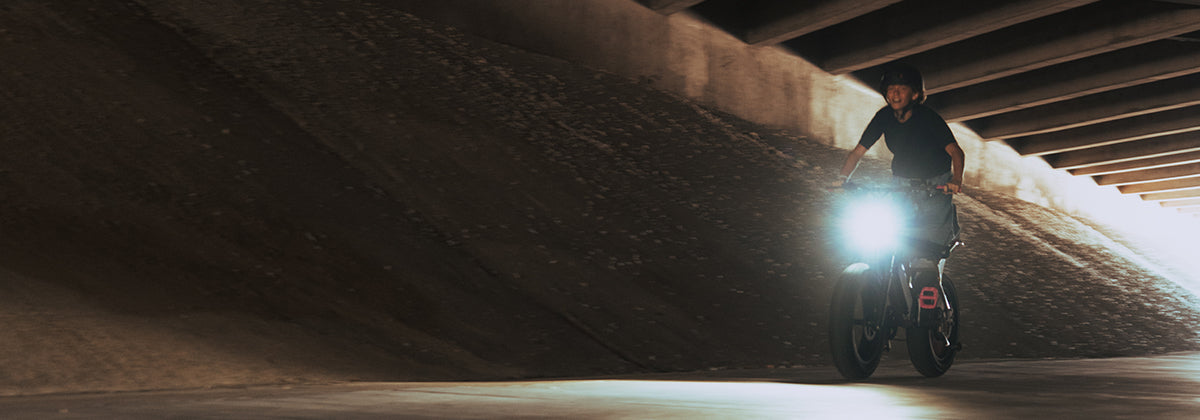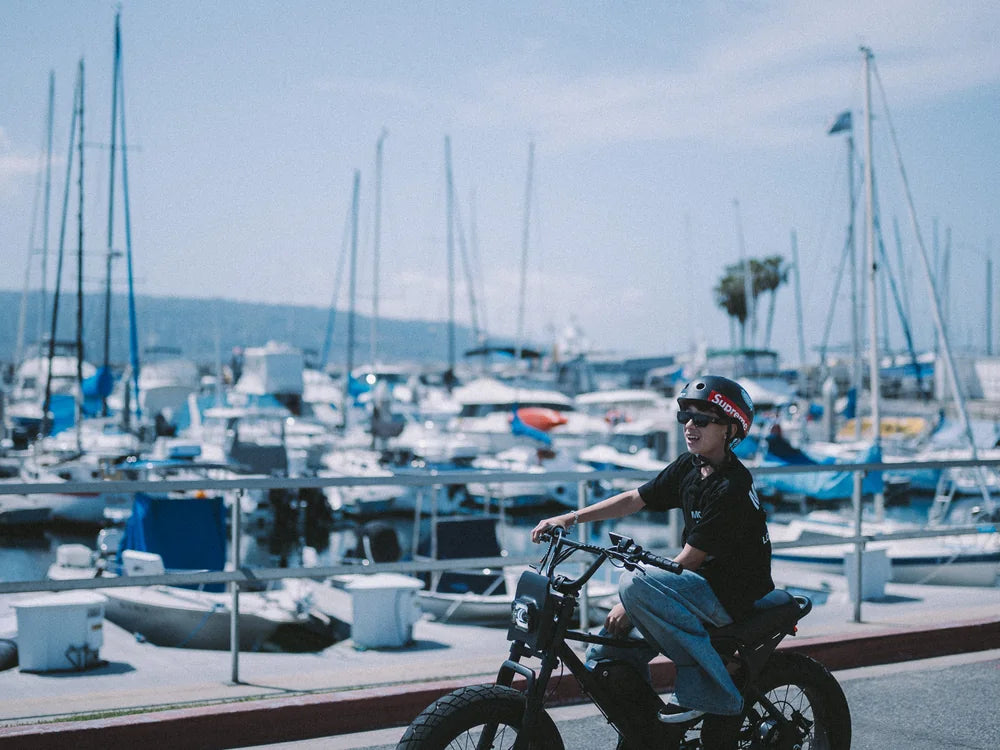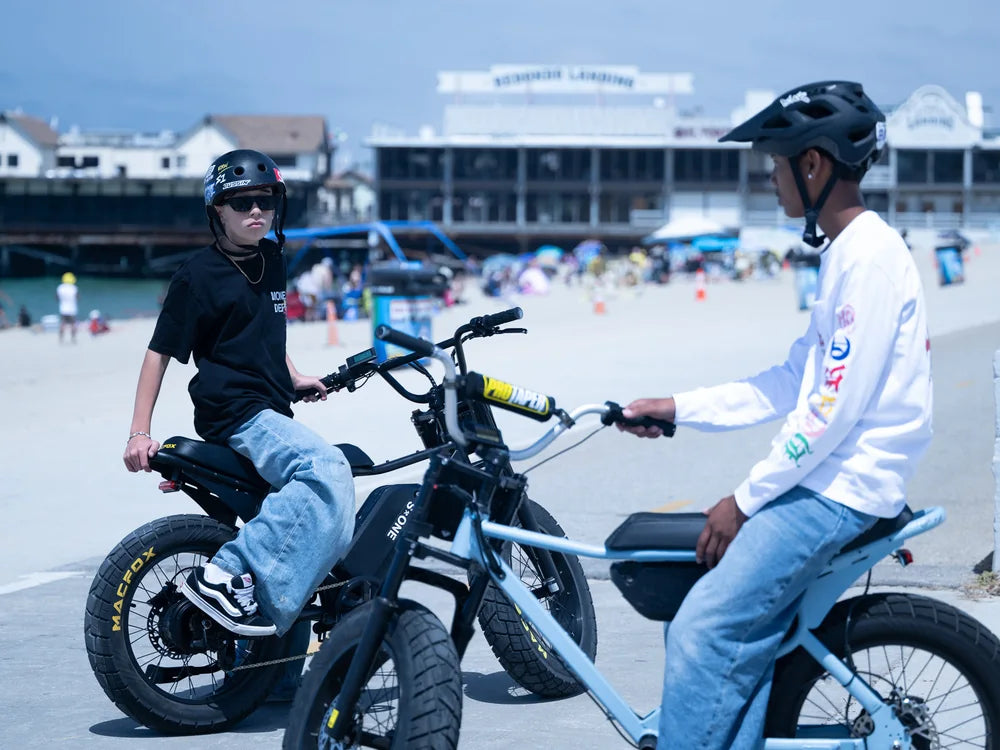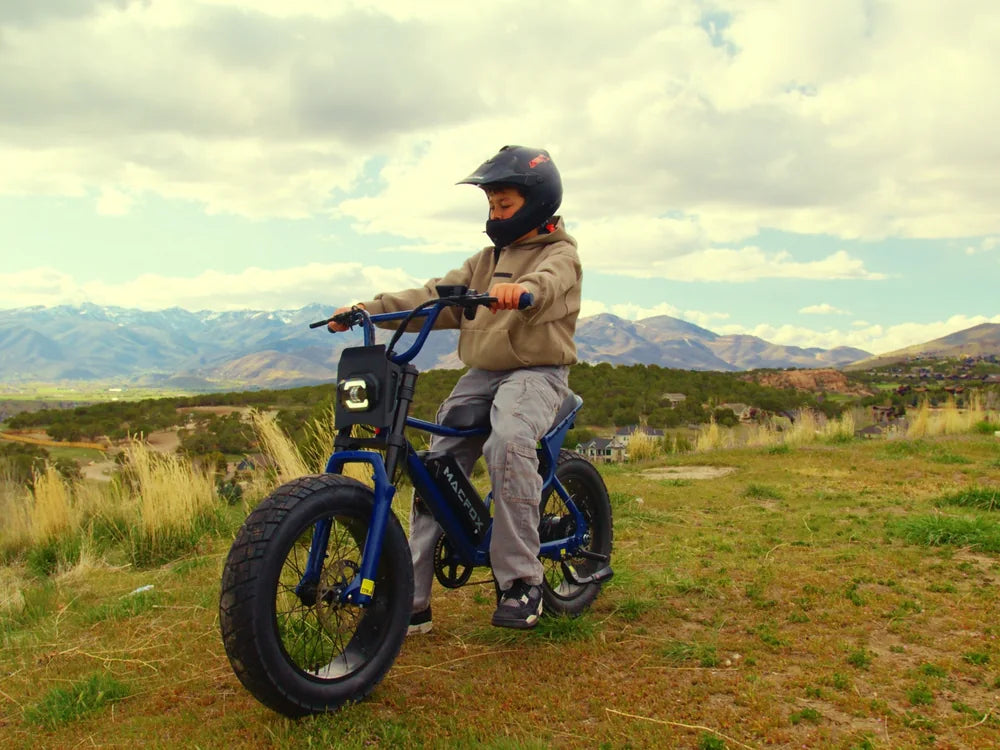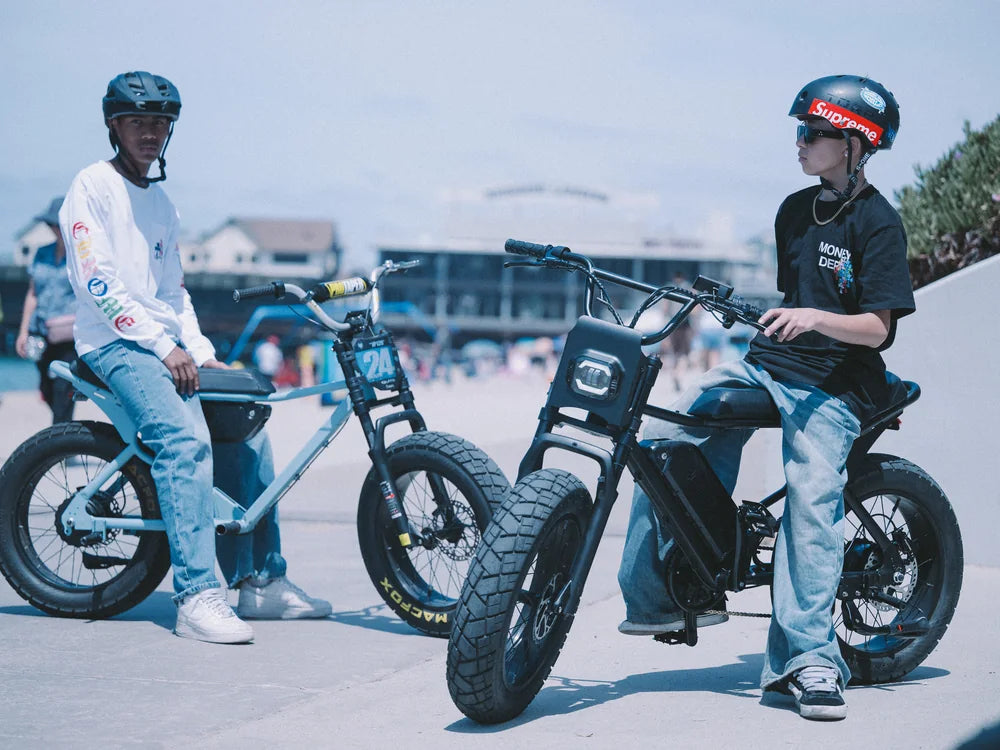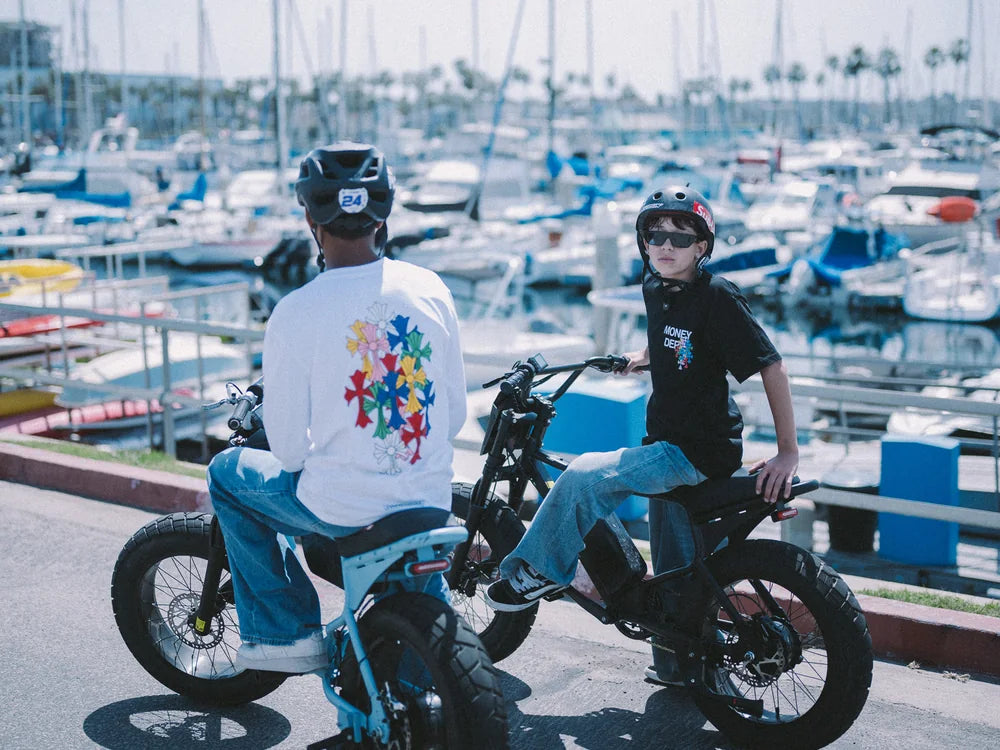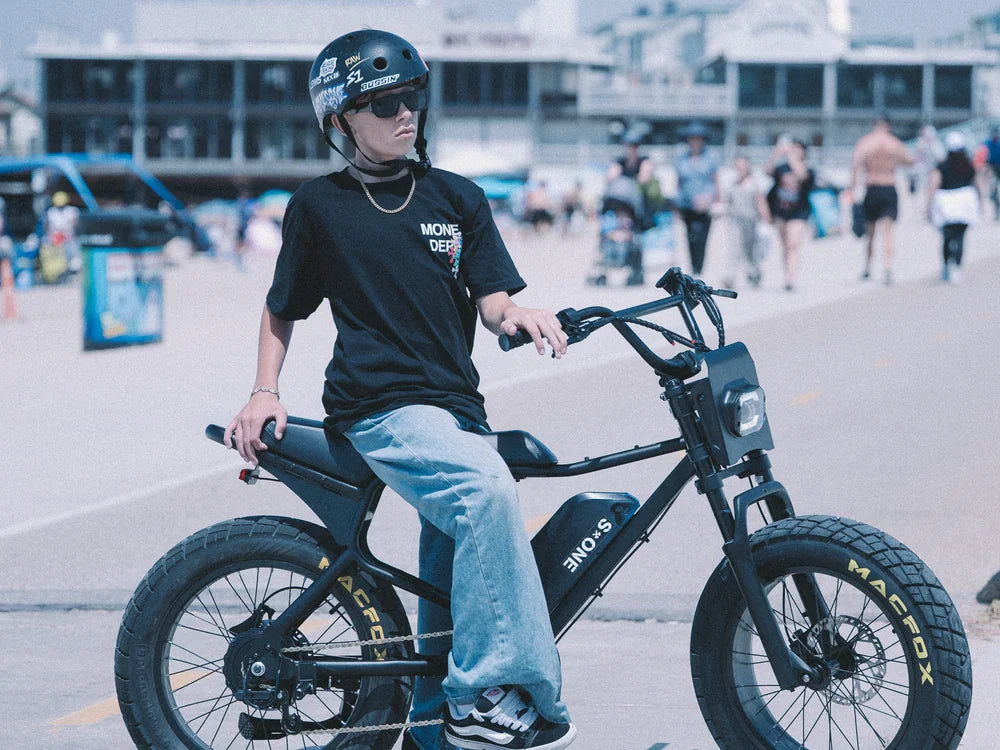

The best e-bike helmet for a teen is one that passes three tests: it is made and labeled for the right activity, it fits securely without causing pressure or blocking vision, and the teen is willing to keep it on after leaving home. The first two tests are non-negotiable. The third is not a minor style issue; it determines whether the helmet is actually used.
A “no helmet, no ride” rule sets a clear boundary, but it does not tell a family which helmet to buy. If the helmet pinches, traps heat, pulls at the chin, interferes with glasses, or feels embarrassing around friends, repeating the safety lecture will not fix the equipment. The useful next step is to identify the exact objection and let the teen participate in choosing among options that already meet the safety and fit requirements.

This keeps the decision honest. A parent does not have to compromise on wearing a proper helmet, and a teen does not have to pretend that every helmet feels or looks the same. The result should be protective gear the teen can adjust, wear, and own as part of the ride.
Find Out Why the Helmet Comes Off
“It is uncomfortable” can describe several different problems. The front may press against the forehead. The shape may squeeze the sides of the head. A strap may rub near the ear or sit awkwardly under the jaw. The helmet may move when the teen turns, feel hot on a normal route, catch on a hairstyle, or look completely disconnected from how they dress.
Ask the teen to wear the current helmet indoors and point to the first thing that feels wrong. Do not start by arguing with the answer. A specific complaint can be tested; “you just do not like helmets” cannot. If pressure starts in one spot, try a different internal shape rather than only moving up a size. If the straps are the problem, compare how other retention systems sit around the ears and jaw. If heat is the problem, make ventilation part of the shortlist.
The social objection is also real. A teen may be willing to wear a helmet on a family ride but not when meeting friends, arriving at school, or riding a street-style e-bike. That does not make the safety boundary optional. It means the real test is not whether the helmet looks acceptable in a product photo; it is whether the teen would still wear it in the setting where the ride actually happens.
Separate a solvable equipment problem from a refusal to follow the riding rule. A parent can replace a poor-fitting helmet and acknowledge a style concern. The teen still has to wear the properly fitted replacement. Listening to the objection and keeping the boundary are compatible decisions.
Build a Safe Shortlist Before Choosing a Style
Start by confirming that the helmet is intended for bicycling and carries the required compliance information. The CPSC guide to choosing the right helmet for an activity advises buyers to look for the standard label or marking rather than relying on a helmet's name, shape, or package claims. Novelty gear that only looks like protective equipment does not belong on the shortlist.
Look inside the helmet before buying. A U.S. bicycle helmet should include a statement showing compliance with the CPSC bicycle helmet standard, identification information, and instructions for proper fit and use. If that information is missing, unclear, or inconsistent with the activity, do not let a low price or appealing design make the decision.
A used helmet with an unknown history is also a poor starting point. Bicycle helmets are designed around impact protection, and damage from a previous impact may not be visible. The CPSC instructs users to replace a bicycle helmet after an impact and to follow the manufacturer's replacement guidance. A hand-me-down is only useful when its history, condition, labels, parts, and fit can all be verified.
After the activity label and condition pass, independent testing can help compare similar options. The Virginia Tech Bicycle Helmet Ratings evaluate tested models for impact performance. Ratings are an additional comparison tool, not a replacement for the CPSC label or a correct fit on the teen's own head.
The broader e-bike helmet safety guide explains why wearing a helmet matters. The buying task here is narrower: keep only verifiable options, then find the one the teen can wear correctly every time.
Do a Real Wear Test, Not Just a Mirror Check
Helmet sizes are not perfectly interchangeable between manufacturers. NHTSA notes that sizing can vary, so a size that worked in one model does not guarantee the same fit in another. Measure the teen's head according to the manufacturer's instructions, but treat that measurement as the beginning of the fitting process rather than the final answer.

Let the teen make the adjustments with guidance. They will eventually be the person putting the helmet on before a ride, so they need to know what correct fit feels like and how to reproduce it.
- Set it level: The helmet should sit level on the head, covering the upper forehead rather than tilting back or dropping into the eyes.
- Adjust the retention system: It should feel comfortable and snug without relying on painful pressure to stay in place.
- Secure the straps: The side straps should sit cleanly around the ears, and the chin strap should fasten securely without rubbing or hanging loose.
- Move normally: Turn the head, look up and down, open the jaw, and gently shake the head. The helmet should not slide from side to side or front to back.
- Test the real setup: Wear the glasses, hairstyle, or other normal riding items that could change the fit.
The NHTSA bicycle helmet fitting guidance emphasizes proper fit and following the manufacturer's instructions. If the teen has to tilt the helmet, remove required padding, add homemade padding, or leave the strap loose to tolerate it, that model has failed the test.
Keep each promising helmet on long enough to notice pressure, heat, strap movement, and interference with glasses or hair. Walk around and mimic the head movements used to check traffic. A quick glance in a mirror can approve a helmet that becomes annoying as soon as the ride begins.
Do not buy a larger helmet for a teen to grow into. A loose shell that can shift over the eyes or rotate on the head does not become a better value because it lasts longer. Choose the fit that works now, and recheck it as the teen grows or changes how the helmet is worn.
Choose the Version They Want to Be Seen In
Once the safe, well-fitting options are identified, the teen should have meaningful control over the final choice. Let them compare the shell profile, color, finish, ventilation, weight, coverage, and how the helmet looks with their normal clothes. This is not choosing appearance instead of safety. Safety and fit have already created the shortlist; style decides which approved option will leave the house.

Ask a more useful question than “Do you like it?” Ask whether the teen would wear it when arriving at school, meeting friends, or riding to a neighborhood destination. If the honest answer is no, find out why before paying. A different color may solve it. A different shape may feel less bulky. Better ventilation may address both heat and hair concerns. Sometimes the first acceptable helmet appears only after several models with the same labeled size feel completely different.
Hair concerns should be handled without changing the protective fit. Test the helmet with the hairstyle normally used for riding, and plan any quick adjustment for after the teen arrives. Do not add thick caps, scarves, extra pads, or other layers under the helmet unless the manufacturer specifically allows them. If a hairstyle prevents the helmet from sitting level and snug, change the hairstyle or choose a compatible helmet shape.
A helmet should not become a platform for unapproved attachments. CPSC warns against adding stickers, coverings, protrusions, or other items that were not supplied with the helmet because they can affect performance. Teens who want more visual expression can use the teen e-bike style ideas to personalize suitable parts of the bike instead of modifying protective equipment.
Color and visibility can be considered together, but a bright helmet does not replace the rest of the ride setup. The visibility gear guide for teen riders covers lights, mirrors, reflective choices, and route-specific visibility without asking the helmet to do every job.
Make the Helmet Part of Owning the Ride
The choice is not finished at checkout. The teen should know where the helmet is stored, how to adjust it, how to check the strap before leaving, and when to report damage. Keeping it near the other ride essentials removes the last-minute search that turns a normal departure into an argument.
A parent can model the same behavior. If adults treat helmets as optional on their own rides, teens notice the difference between the stated rule and the visible example. The family boundary can stay simple: a properly fitted helmet is part of the e-bike setup, and the e-bike is not used without it.
After an impact, stop using the helmet and follow the manufacturer's replacement instructions even when damage is not obvious. Replace missing pads or worn parts only with parts and methods approved by the manufacturer. Recheck the fit after a growth change, a major hairstyle change, or any adjustment that makes the helmet sit differently.
The helmet also cannot compensate for an e-bike that is difficult for the teen to control. Before independent rides, the teen should be able to start smoothly, brake predictably, turn slowly, park, and walk the bike. The teen e-bike control guide helps keep vehicle fit and helmet fit as two separate checks.
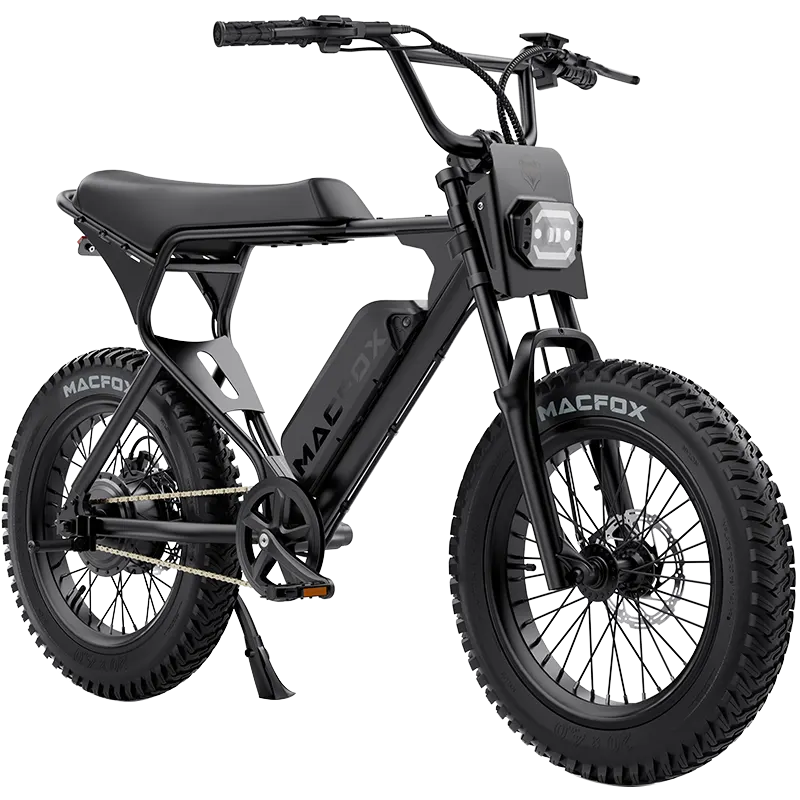
When an e-bike purchase is still being considered, treat the helmet and the test ride as part of the same decision. Compare an electric bike for a teen against the teen's real route and control, then confirm current model information on the official product page. A styled, independent ride only works when the teen is willing and prepared to use the full setup every time.
The wider parent-teen e-bike agreement can make helmet use one clear condition of riding. The teen still gets a genuine choice in fit and appearance; the safety boundary does not depend on which design wins.
FAQ
What label should a teen's bicycle helmet have?
For U.S. bicycle use, look inside for a statement showing that the helmet complies with the CPSC bicycle helmet standard, along with manufacturer identification and fit instructions. Do not rely only on a listing title, shell shape, or the word “helmet” on the package.
Does a teen need a helmet marketed specifically for e-bikes?
The intended activity, compliance label, fit, and actual riding conditions matter more than the marketing name. Start with a properly fitting helmet whose labeling covers bicycle use, then compare its manufacturer guidance with the e-bike's real use and local requirements. Faster or more motorized use can call for a different helmet type, so do not assume one helmet covers every powered two-wheel vehicle.
How snug should the helmet feel?
It should feel secure and comfortable, stay level, and resist movement in every direction without causing a painful pressure point. The chin strap should stay fastened and snug. If the teen must loosen it until the helmet shifts, try another size or internal shape.
Is a used helmet acceptable for a teen?
Only when its impact history, condition, labels, original parts, and correct fit can all be verified. Damage after an impact may not be visible, so a helmet with an unknown history is not a dependable choice. Follow the manufacturer's instructions for inspection and replacement.
What if a teen still refuses to wear any helmet?
Identify whether the objection is pressure, heat, straps, hair, appearance, or peer reaction, then let the teen try and choose among safe, correctly fitting options. If no acceptable helmet has been found, pause the e-bike rides rather than treating an improper fit or no helmet as the compromise.