
Before buying an e-bike for a teen, parents should talk about speed before they talk about top speed. The real question is not only how fast the bike can go. The better question is whether the rider can accept family speed rules, slow down in the right places, ignore friends who want to go faster, and leave the bike's settings alone.
A speed conversation does not make riding less fun. It protects the independence the teen is asking for. If the rider cannot talk calmly about limits before purchase, the family may need more practice, a smaller first route, or a clearer set of rules before the bike arrives.

Top Speed and Riding Speed Are Different
Parents often hear one number first: 20 mph, 28 mph, 500W, 750W, or a class label. Those numbers matter, but they are not the whole decision. A bike's legal limit, the bike's maximum assisted speed, the route's safe speed, and the family's allowed speed can all be different.
For a teen, the most useful rule is situational. A speed that feels normal on an open straight road can be too fast near driveways, parked cars, a school entrance, a crowded path, a blind corner, or a wet turn. Parents should make that distinction before the teen starts comparing bikes with friends.
Use the e-bike speed limits by state as the legal background, then make the house rule more practical: "You ride slower anywhere people, cars, crossings, pets, or blind spots can surprise you."
Why the Speed Talk Comes Before Purchase
Once the bike is already in the garage, speed rules can feel like a restriction added after the deal. Before purchase, they are part of the agreement. That is the moment to ask whether the teen wants transportation, independence, and style, or whether the main attraction is proving how fast the bike feels.
The answer does not have to be perfect. Teens can care about style and still be responsible. The warning sign is when the rider treats limits as something to beat, hide, or negotiate every time friends are watching.
If you are still deciding whether the rider is ready at all, start with the teen e-bike readiness checklist. Speed rules work only when the rider already has basic control, rule-following habits, and a realistic route.

Six Speed Questions to Ask Your Teen
A speed rule becomes much stronger when the teen helps explain it. Ask these questions before choosing a model:
- Where would you slow down even if the bike can go faster?
- What would you do if a friend wants to race or ride faster than our rule?
- What speed feels safe near school, driveways, crossings, and parked cars?
- Would you agree not to unlock, modify, or bypass speed settings?
- What should happen if you break the speed rule?
- Can you explain the rule without arguing when friends are around?
The goal is not to trap the teen. The goal is to see whether they can think beyond the exciting number on a product page.
Make a Family Speed Agreement
A clear agreement should be short enough to remember. It can include different rules for different places:
| Situation | Family Speed Rule | Why It Matters |
|---|---|---|
| Driveways and intersections | Slow early and be ready to stop. | Cars and people can appear with little warning. |
| School areas | Ride conservatively and follow campus rules. | Students, cars, buses, and racks create mixed traffic. |
| Friends nearby | No racing, chasing, or matching another rider's speed. | Peer pressure can change judgment quickly. |
| Low light or wet ground | Slow down or skip the ride. | Visibility and braking distance change. |
| Bike settings | No unlocking or speed modification. | The family bought the bike for legal, controlled riding. |
For school use, pair the speed agreement with the school-commute safety guide. A route that works at one speed may not work when the rider is late, distracted, or trying to keep up with friends.
Do Not Confuse E-Bike Speed With E-Moto Behavior
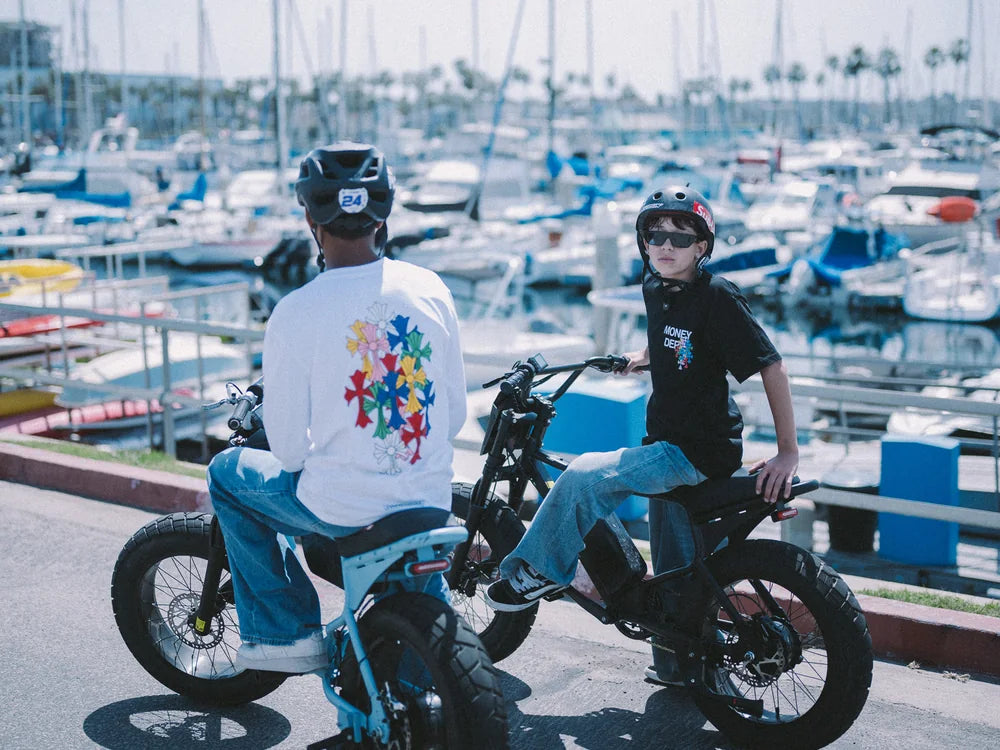
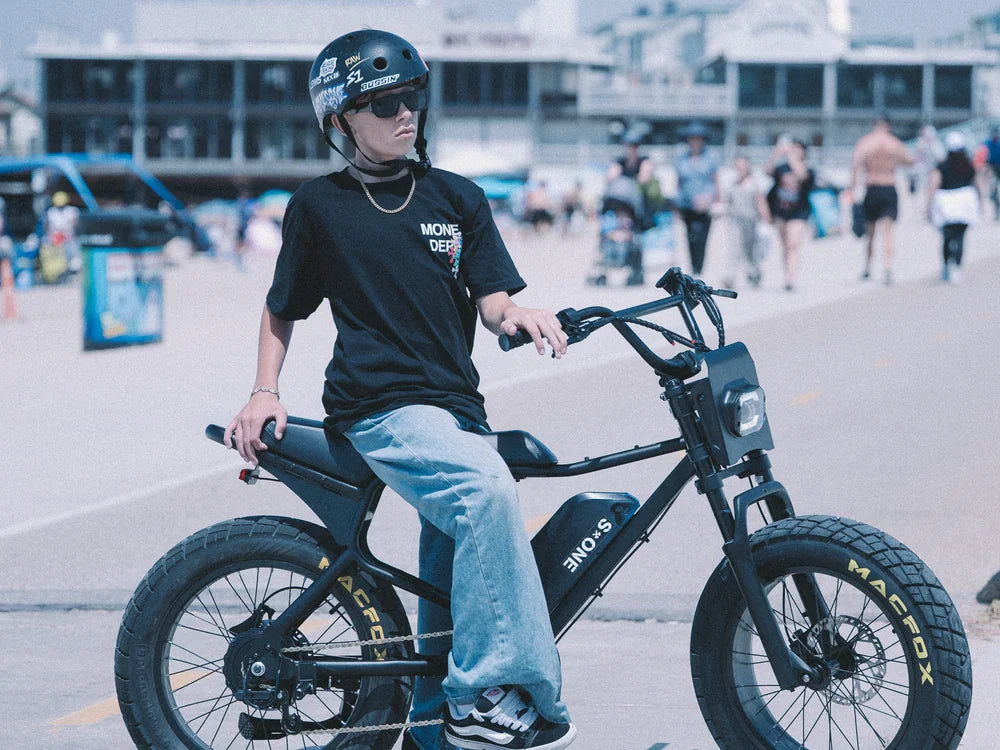
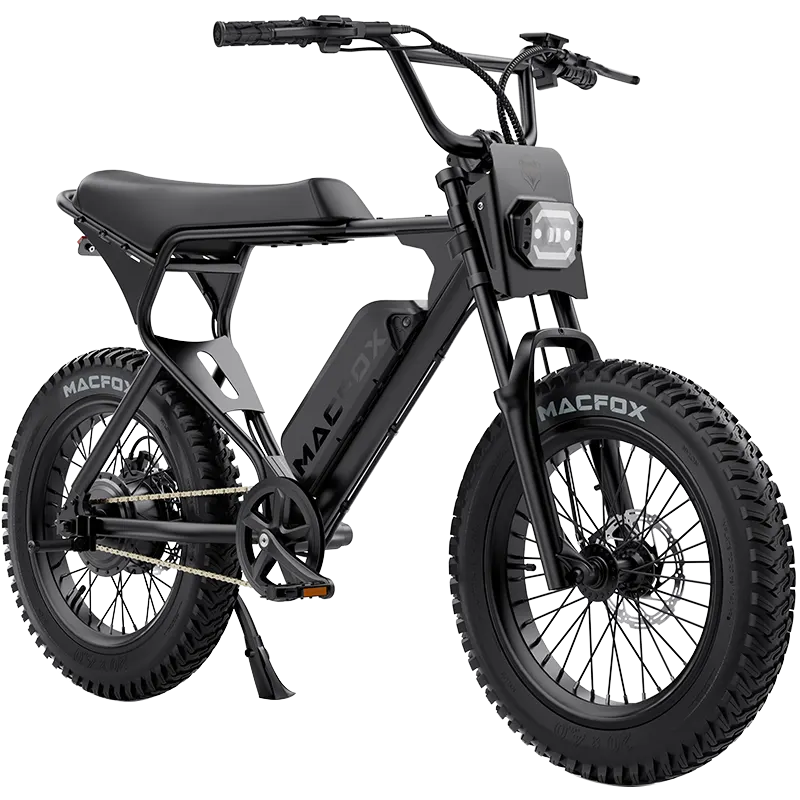
Some high-speed products look bicycle-like in photos, while some legal e-bikes borrow motorcycle-inspired styling. Parents should not judge by shape alone. Read the product page, manual, local rules, class information, and default settings.
CPSC bicycle requirements guidance is useful background because it helps separate low-speed electric bicycle requirements from other vehicle expectations. For families, the plain-language rule is simpler: buy for legal daily riding, not for the fastest thing a teen can find online.
The e-bike speed limiter guide can support this conversation. A speed limiter is not an enemy of fun; it is part of keeping the bike matched to the route, the rider, and the rules.

Friends Are the Real Speed Test
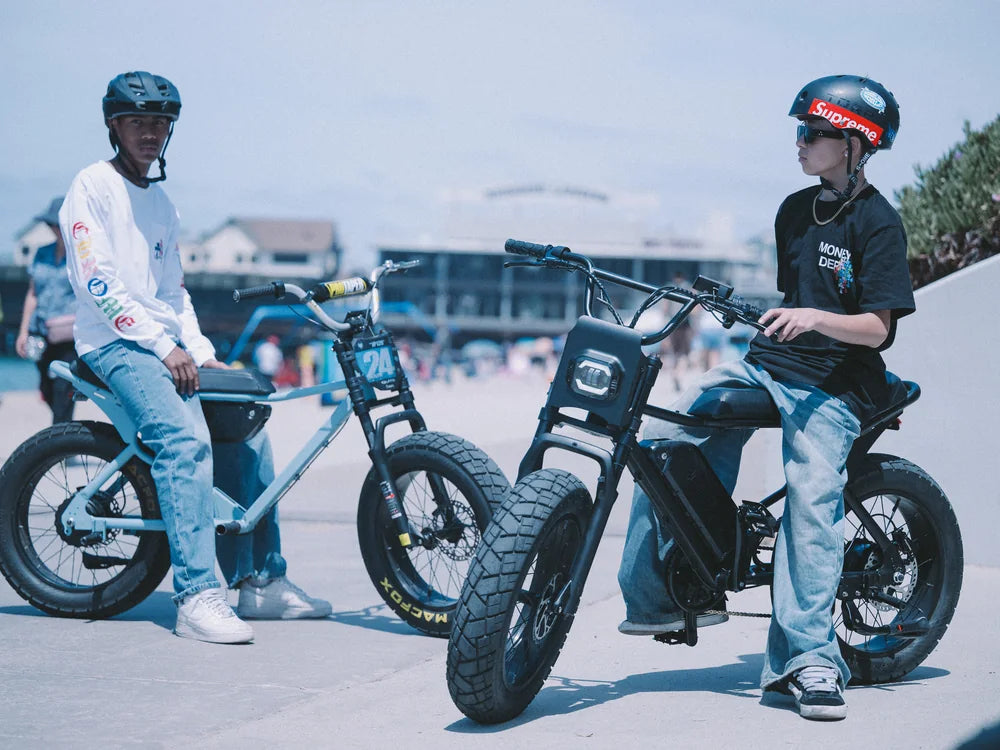
Many teens can repeat a rule at home. The harder test happens when a friend rides faster, takes a shortcut, films the ride, or says the bike is too slow. Parents should talk about that moment directly.
A useful script is: "I am allowed to ride this route, but I am not allowed to race or change speed settings." That gives the teen something simple to say without turning the whole moment into a debate.
Public safety basics still apply. NHTSA bicycle safety guidance emphasizes predictable behavior, helmet use, visibility, and traffic-law habits. For teens, predictable riding means speed should not change just because the audience changes.
Choose Control Over Bragging Rights
When comparing an electric bike, parents should look beyond the fastest number. Throttle response, braking feel, tire contact, seat height, bike weight, and low-speed handling all affect whether the rider stays calm. A teen's first bike should feel controllable before it feels impressive. If the family is still choosing the bike itself, use the teen's first e-bike guide as the broader buying page and treat this article as the speed-rule layer.
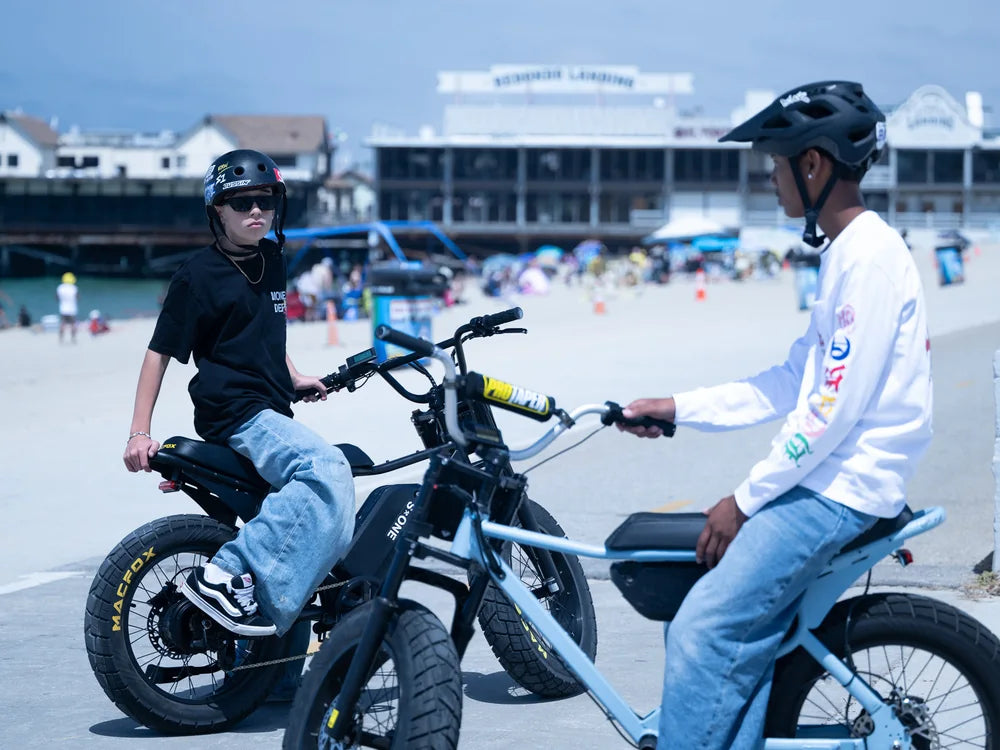
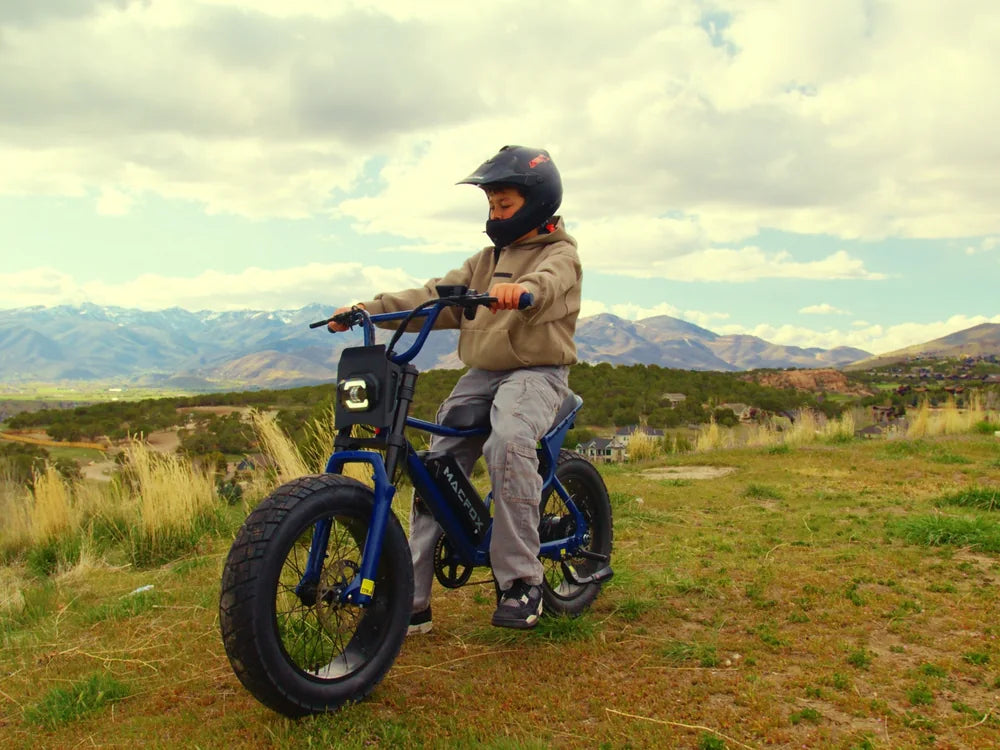
That is where Macfox's youth-riding position should stay focused: cool style, legal riding, family confidence, and personal independence. M16 fits the compact, easy-control role for younger or shorter teen riders. X1S fits the classic daily-riding role for teens and young riders who want a familiar route and street-ready style. X7/X7L adds wider fat-tire presence and stronger planted feel for riders who are ready for a larger platform.
Do not turn speed into the reason to buy. Make speed responsibility the reason the family can say yes. The youth e-bike law guide and teen e-bike safety rules can support the larger house-rule conversation after the speed agreement is clear.
Parent Decision Summary
Move forward when the teen can explain where to slow down, accept local and family limits, leave settings alone, handle friend pressure, and ride a planned route predictably. Wait if the teen only cares about top speed, wants to unlock the bike, argues with every limit, or treats school and neighborhood streets like a place to show off.
The best speed rule is not a long lecture. It is a clear agreement the teen can remember before the ride, during the ride, and when friends are watching.
FAQ
Is 20 mph too fast for a teen e-bike rider?
It depends on the rider, route, traffic, local rules, and family limits. For many teen situations, 20 mph can be too fast near crossings, driveways, school areas, shared paths, wet pavement, or friends.
Should parents let teens unlock higher speed settings?
No. If the bike was purchased for legal daily riding, unlocking or bypassing speed settings should be outside the family agreement.
What if my teen says everyone else rides faster?
Use that as part of the readiness check. A teen who can resist friend pressure is closer to independent riding. A teen who needs to match the group may need more limits.
Should speed rules be different for school rides?
Yes. School routes usually involve more cars, pedestrians, racks, buses, and time pressure. Parents should make school speed rules stricter than casual open-area riding.
What is the best way to start?
Start with one approved route, a clear speed agreement, no unlocks, helmet use, and several calm practice rides before expanding independence.