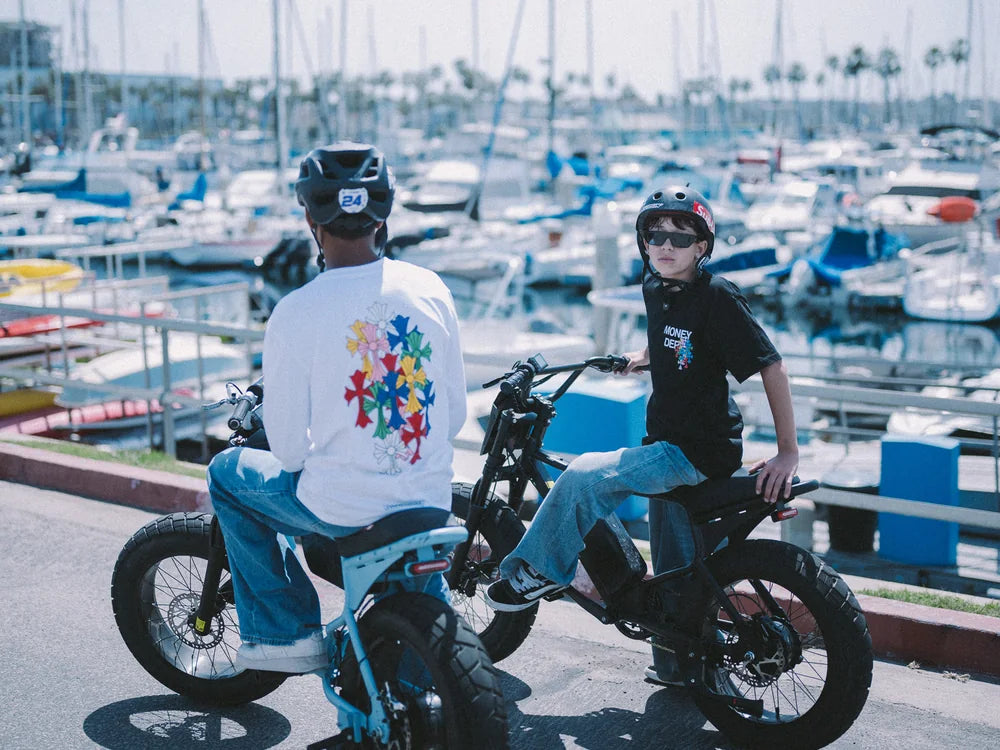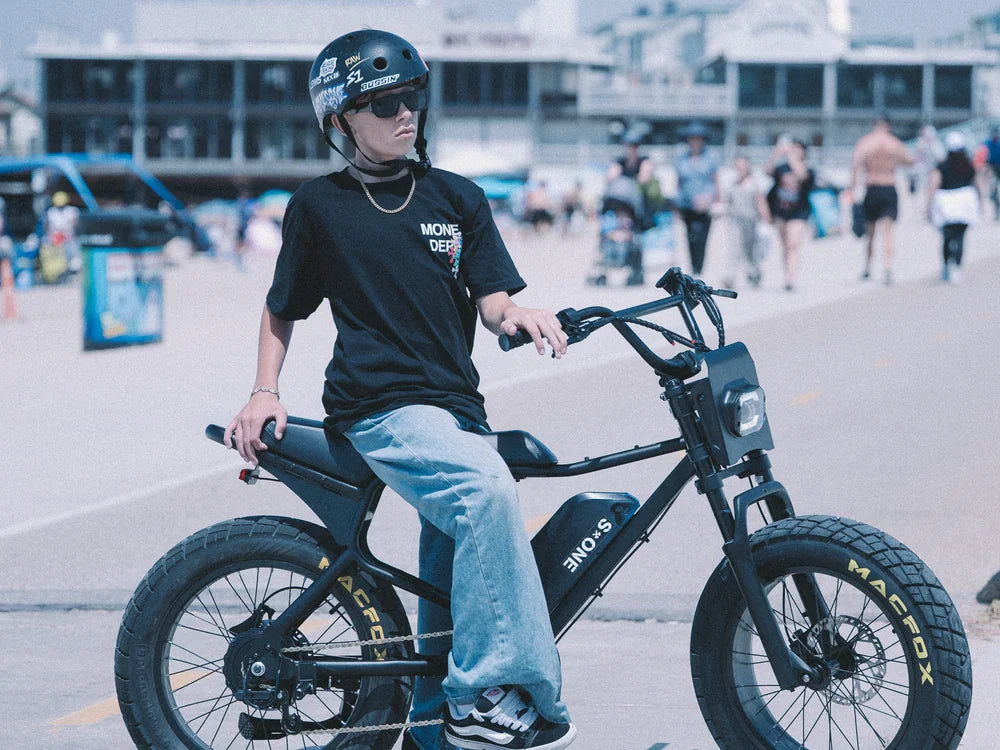

A teen can carry a phone on an e-bike ride, and music does not have to be treated like the enemy. The real rule is simpler: no texting, scrolling, filming, changing music, or checking navigation while the bike is moving. If your teen needs the phone, they should stop the bike first, get out of the flow of traffic or other riders, and then use it.
That may sound strict to a teen who feels confident, but this is not only about skill. A short glance at a message can happen right before a driveway, a turn, a pedestrian, a friend cutting across the route, or a car door opening. The rule should be clear before the ride starts, so your child is not trying to decide in the middle of the street.
Set the Phone Rule Before the Ride Starts
Parents should not wait until the first argument to define phone use. Write the rule the same way you would write a helmet rule or a route rule: short, specific, and easy to repeat. A strong version is: no phone in hand while the bike is moving.
That one sentence covers more than it seems. It means no texting at a red light while still balanced on the bike, no checking a group chat while rolling through a parking lot, no switching songs while entering a turn, and no filming a friend while trying to keep pace. If the phone needs attention, the bike needs to be fully stopped.
A more realistic way to judge this is to ask what your teen would do when a message comes in from a friend during the ride. If the answer is "I would just look quickly," the rule is not clear enough yet. The safer answer is "I would stop somewhere safe first."
If your family is still deciding whether your child is ready for this level of independence at all, start with the teen e-bike readiness checklist. Phone rules work best after the rider already accepts basic route, helmet, speed, and check-in expectations.

Earbuds and Music Need a Hearing Rule
The question is not only whether a teen can listen to music. The better question is whether they can still hear the ride. They need to notice cars, other riders, people walking, a parent calling out, a horn, a brake sound, a dog, or a friend saying something is wrong.
For many families, the simplest rule is no noise-canceling earbuds and no high-volume music while riding. Some parents allow one earbud at low volume on quiet routes, while others do not allow earbuds at all. The exact rule may vary by family and local rules, but the standard should be the same: the rider's ears should stay connected to the road.
The part teens often misread is that they think hearing "some" sound is enough. It may not be. If the music makes the rider slower to react, less aware of traffic, or more focused on changing the song than watching the route, it is not a good riding setup.
Official bicycle safety guidance points in the same direction. NHTSA bicycle safety guidance emphasizes alert riding, predictable behavior, and paying attention to the road. For a teen on an e-bike, that means sound and attention are part of the safety system, not background details.

Navigation and Check-Ins Should Be Stop-Only Habits
Phones can be useful. A teen may need navigation, a location share, a quick "arrived" message, or a call if the route changes. Parents should not pretend the phone has no place in the ride. The goal is to turn phone use into a stop-only habit.
Before the ride, have your child check the route, battery, destination, and check-in plan. During the ride, the phone should stay put. If they miss a turn, need to message you, or want to check the map, they should stop in a safe place first. After they arrive, they can send the message, update the route, or call home.
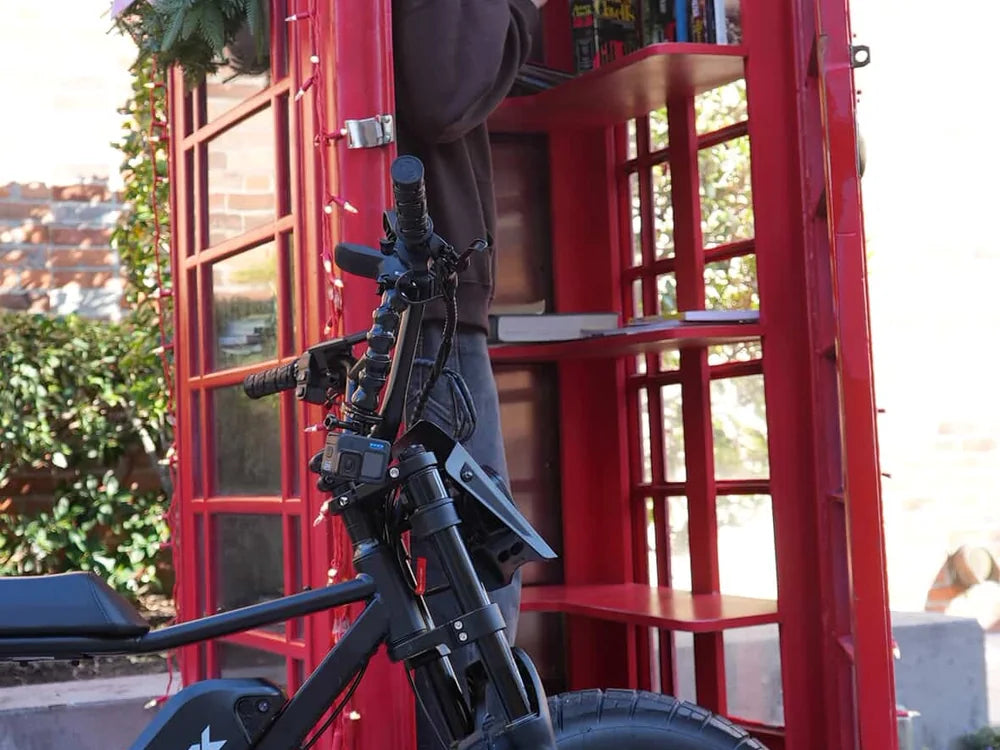
A phone mount can make navigation easier to see, but it does not make phone handling safe while moving. If your family uses a mount, pair it with the same rule: look only when it is safe, do not tap through screens while riding, and stop before changing anything. The e-bike phone mount safety guide is a useful companion if your teen wants a mounted setup.
Check-ins should also be designed around safe stopping points. Instead of saying "text me halfway," pick a real place: the school bike rack, the park entrance, the friend's driveway, or a quiet corner where the bike can be stopped. A check-in that makes the ride less safe is not a good check-in.

Friend Rides Make Distraction Rules Harder
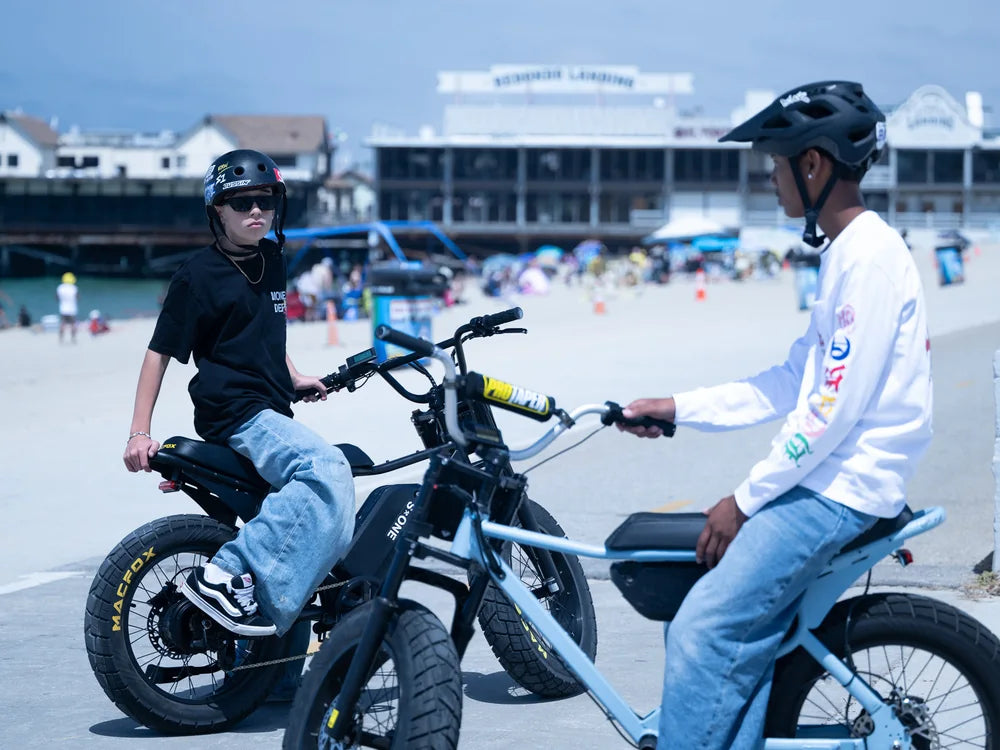
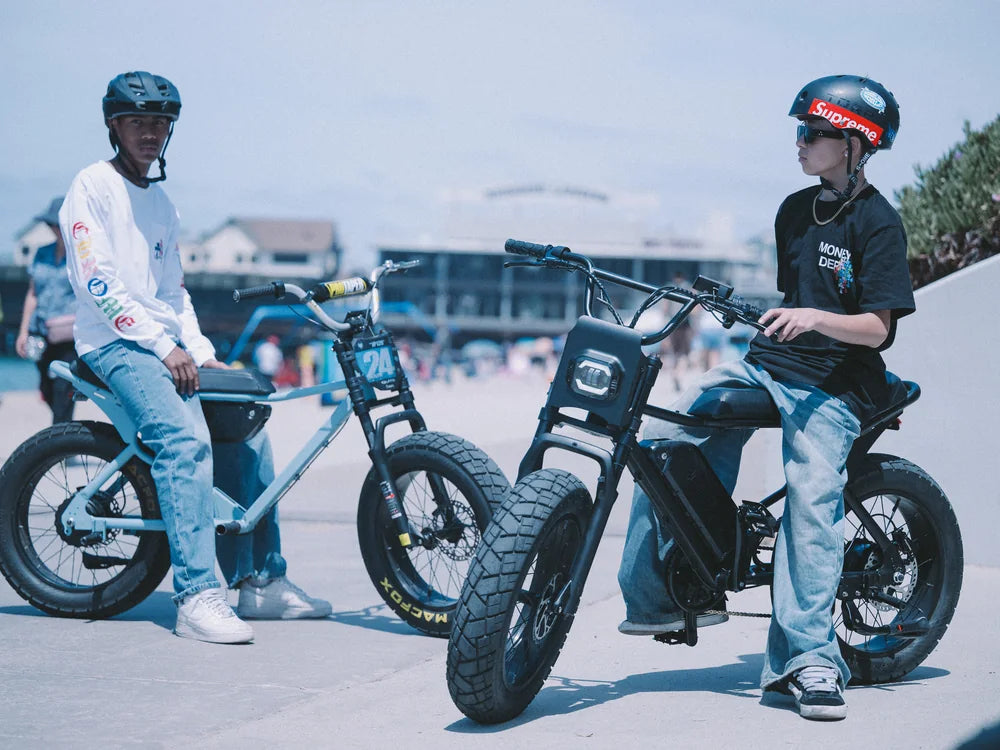
A solo ride has fewer distractions. A ride with friends can add filming, music, group chats, shortcuts, dares, and pressure to answer quickly. That is why phone rules should be stricter when friends are involved, not looser.
Parents should talk about the social moment directly. A teen may know the family rule and still feel awkward when a friend says, "Record this," "Check the chat," or "Put on that song." Give your child a sentence they can actually use: "I am not allowed to use my phone while riding. I will stop when we get there."
That sentence matters because it gives the teen a way out without turning the ride into a debate. It also reminds them that the bike is not only a toy for the group. It is a responsibility the family is trusting them with.
Filming deserves its own boundary. If someone wants a photo or video, the ride should stop first. No following shots, no one-handed recording, no looking back at a camera while moving, and no trying to prove the bike looks cool by making the ride less controlled.
Match the Bike to Focus, Not Distraction
A bike can help a teen feel more stable, more confident, and more independent, but it cannot solve distraction for them. Before comparing an electric bike, parents should ask whether the rider can keep their attention on the route when the phone, music, and friends are competing for it.
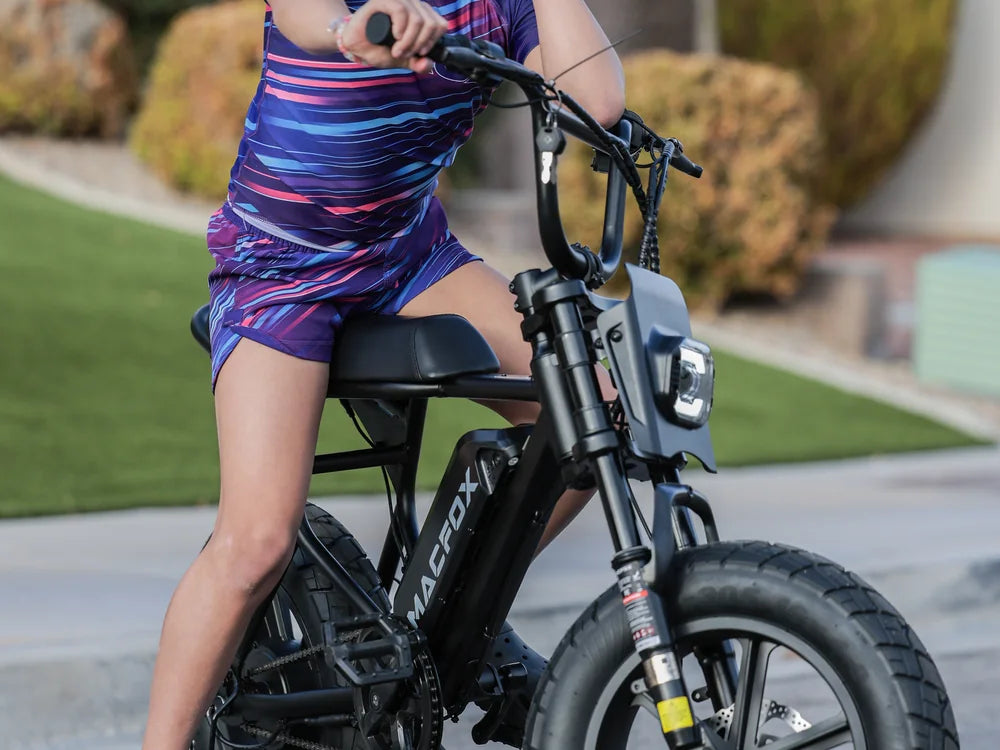
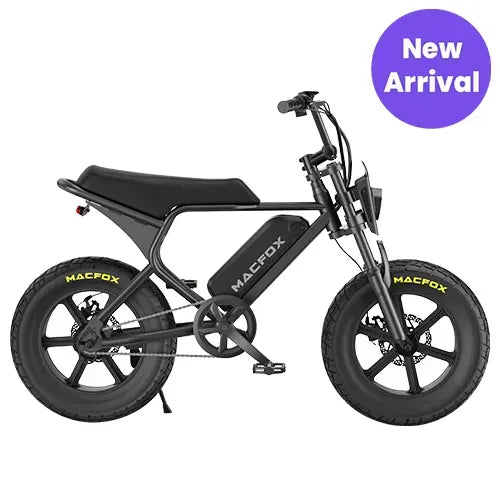
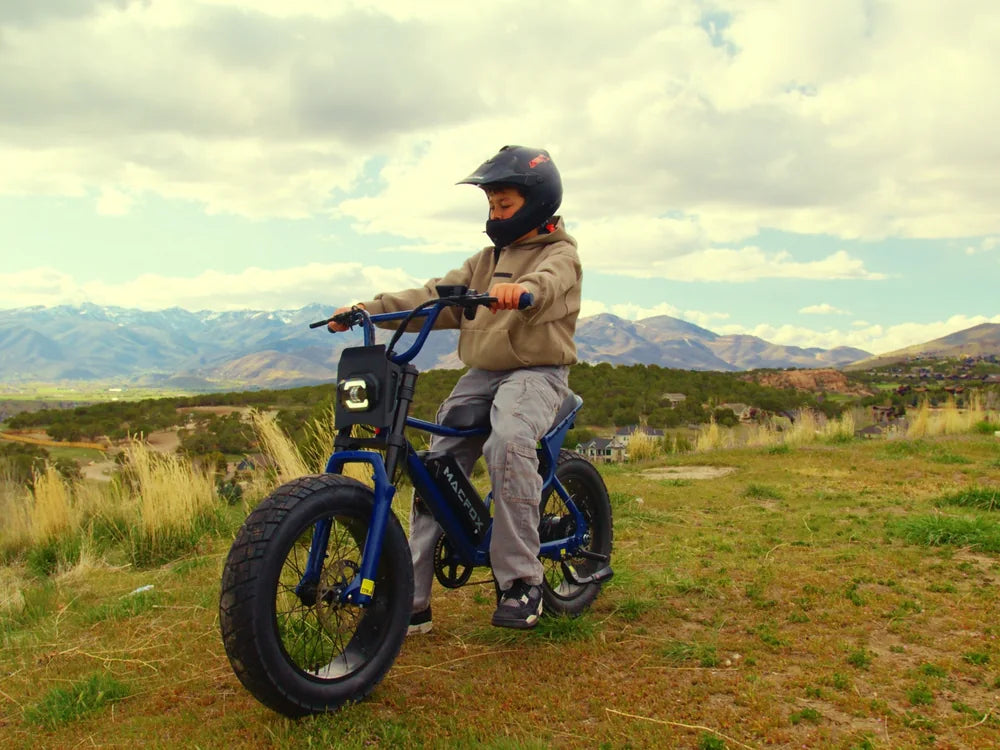
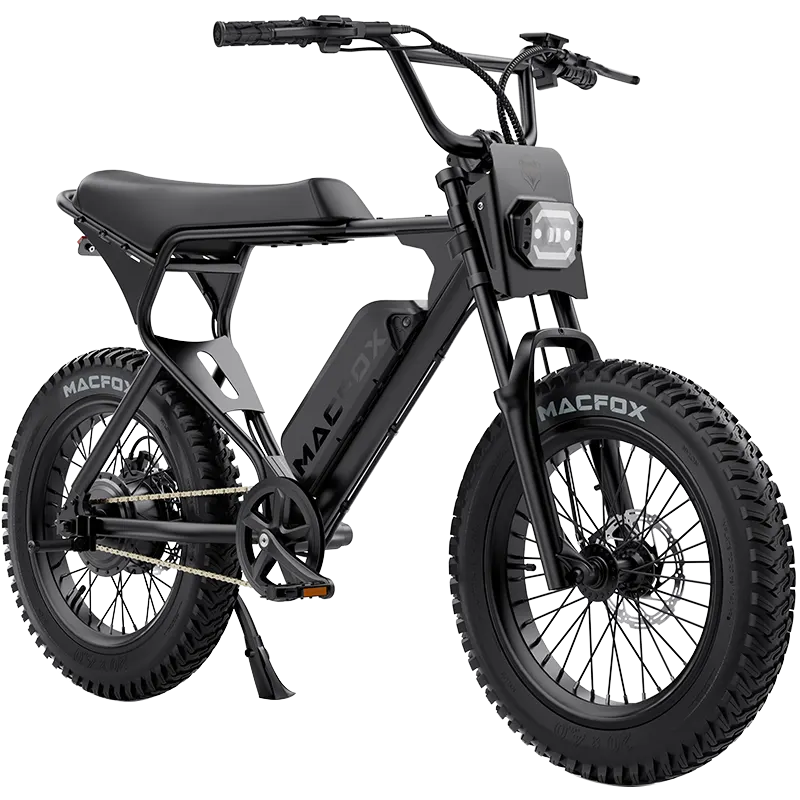
Macfox should fit into that decision as a youth-riding brand built around style, independence, and family-approved control. The Macfox M16 electric bike makes the most sense when a smaller body and easier control matter for a younger or shorter rider. The Macfox X1S commuter e-bike fits a more classic daily-riding role for teens and young riders who want a punk-style look on familiar routes. The Macfox X7 adds wider fat-tire presence and a stronger planted feel for riders who are ready for a larger platform.
Those differences matter, but none of them replace attention. A smaller bike does not make texting safe. Wider tires do not make filming safe. A cooler look does not make a distracted ride easier to control. The family rule should be clear: the bike earns more freedom only when the rider shows steady attention.
If the family is still choosing between a regular bike and an e-bike, use the teen e-bike vs regular bike comparison as a broader decision page. If the rider is already moving toward an e-bike, the teen's first e-bike guide can help keep the model choice tied to fit, route, and responsibility rather than excitement alone.
After a test ride or model comparison, buying through the official Macfox site keeps the product details, support path, and warranty expectations clearer than relying on a random listing. That does not remove the need for phone rules, but it does make the purchase side easier to verify.
FAQ
Can a teen listen to music on an e-bike?
It depends on the route, local rules, and the family standard. The safer rule is that music should never block traffic sounds, people, warnings, or parent instructions. Many families should avoid noise-canceling earbuds and high-volume music for teen e-bike rides.
Can a teen use phone navigation while riding?
Navigation can be useful, but route checking should happen before the ride or while fully stopped. If the teen needs to change the route, zoom in, read a message, or check a turn, they should stop in a safe place first.
What if parents need the teen to check in?
Make check-ins stop-only. Pick a real stopping point before the ride, such as the school bike rack, a friend's driveway, or a quiet corner. Do not create a check-in rule that makes the rider handle a phone while moving.
Is one earbud safer than two?
One earbud may leave more awareness than two, but it is not automatically safe. Volume, route complexity, traffic, rider maturity, and local rules still matter. If one earbud makes the teen less alert, it should not be part of the ride.
What if friends want to film the ride?
The ride should stop first. No one-handed filming, no following shots while moving, no looking back at a camera, and no riding differently for a video. If the group cannot accept that rule, the group ride should wait.