
No, a larger rotor and adapter fitting your bike does not prove the upgrade is approved. For the front brake, confirm the actual fork's permitted rotor size; for the rear, confirm the frame's limit. Then check the brake and adapter combination. If the structural limit is unknown or the proposed rotor exceeds it, do not install the larger setup.
Check the limit for the end you are changing

Front and rear permissions are separate. A larger rotor approved at the rear does not establish what the fork can accept, and a fork specification does not approve the same change at the frame.
Identify the hardware currently fitted to the bicycle. If a previous owner changed the fork, the original bicycle specification may no longer answer the front-brake question. Use the current fork's identifying information and applicable instructions.
Ask for the permitted rotor range or confirmation of the exact proposed size. Wheel diameter, tire width, and a label such as mountain bike are not substitutes for that information. Nor is a photo of another owner making the same change.
Keep the original approved arrangement while you resolve uncertainty. The fact that the new disc clears the frame says nothing by itself about the manufacturer's structural approval.
Choose the adapter only after the size is approved
The adapter positions the caliper for the intended rotor and mount arrangement. It does not increase the fork or frame's allowed rotor size.
Once the size is confirmed, use the brake maker's mounting instructions to identify the correct adapter, orientation, and hardware for the actual mount. Similar-looking adapters can serve different starting mounts or rotor combinations.
For example, an adapter sold with a rotor may be correct for one installation but wrong for yours. A bundle is not a complete compatibility check. Verify the component references before opening the packaging and beginning the swap.
Do not stack extra adapters, enlarge mounting holes, or add arbitrary washers to make the pads line up. If you are changing the whole brake system, the brake-system upgrade guide covers the wider planning questions.
Correct clearance is only part of the final check
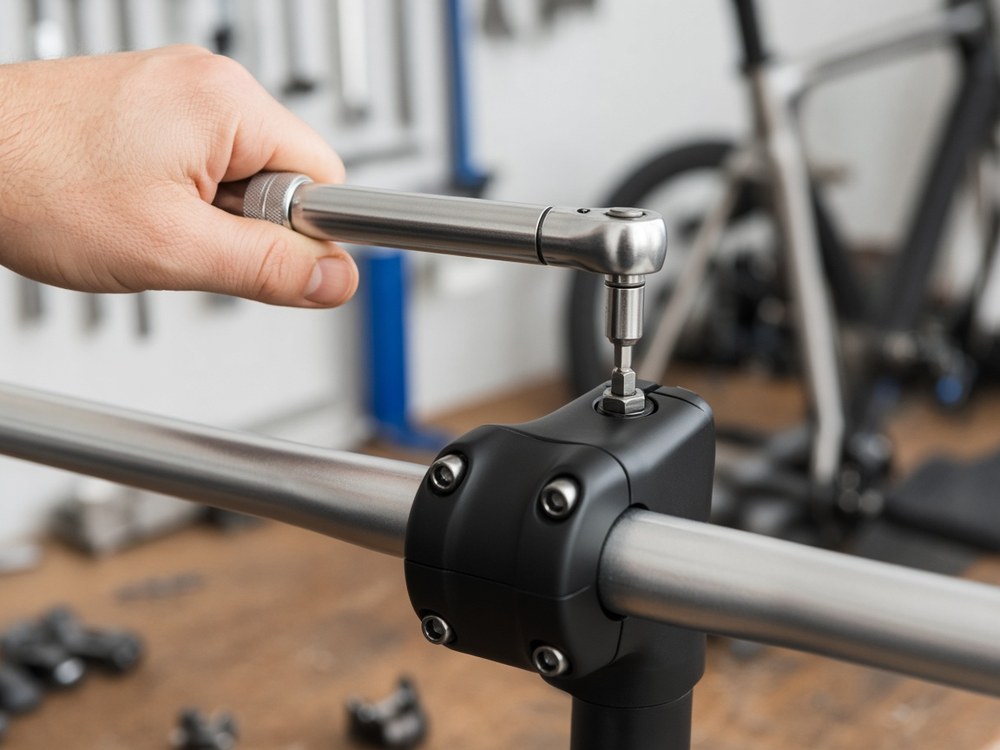
Even an approved combination needs correct installation. The pads must contact the intended braking track, the mounting hardware must be correct and secure, and the brake must be serviced and checked as instructed.
If the pads overhang the track or the caliper cannot sit properly, stop and have the installation checked. A wheel turning without contact is not proof of correct braking contact, and a short test ride cannot establish that an undocumented upgrade is structurally acceptable.
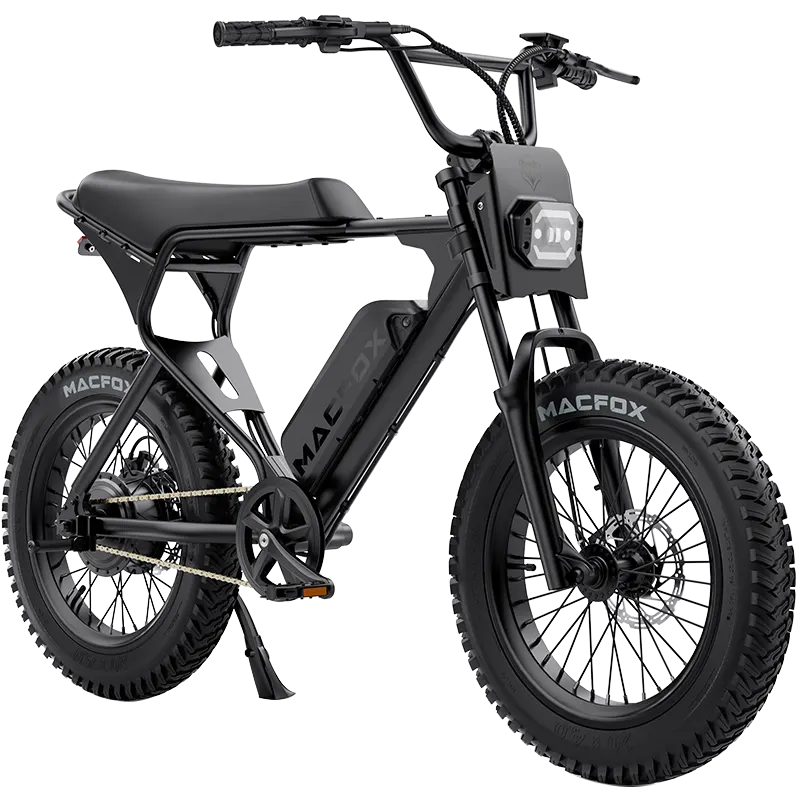
Before choosing between electric bikes, review the factory brake equipment against your intended use. It is better to select a suitable original setup than to count on a larger-rotor upgrade whose frame and fork limits have not been confirmed.