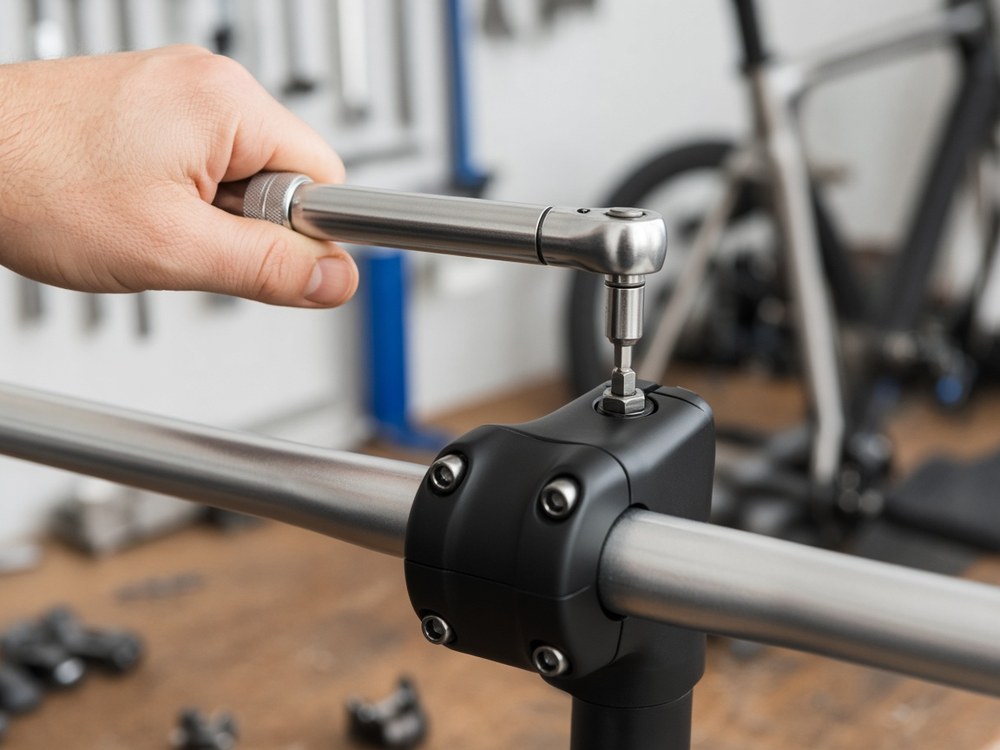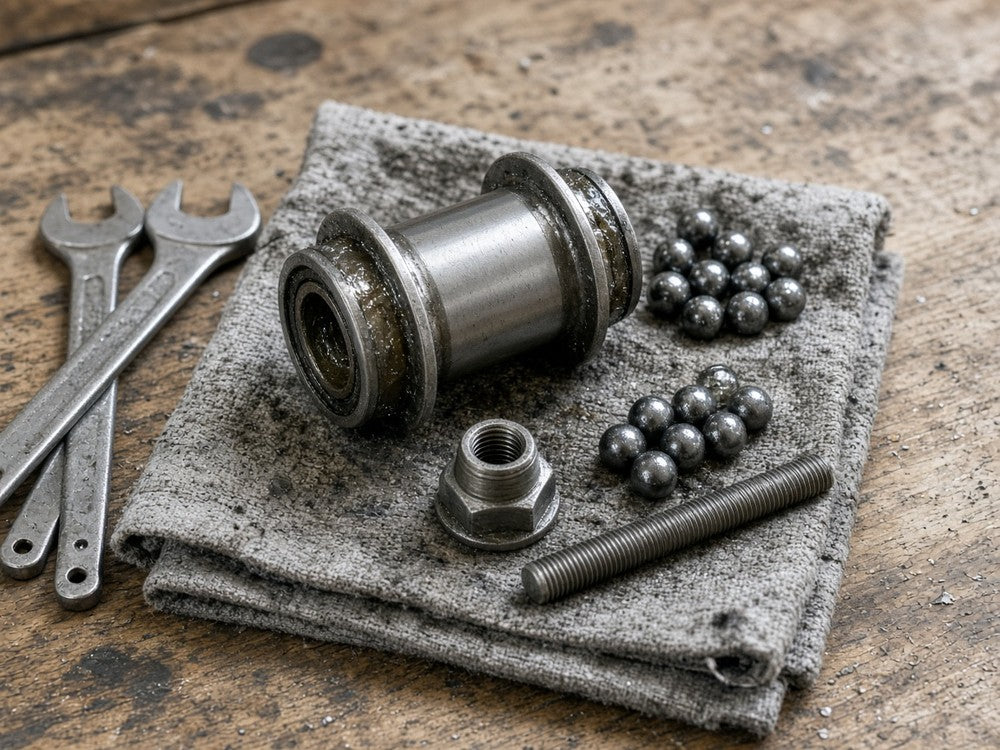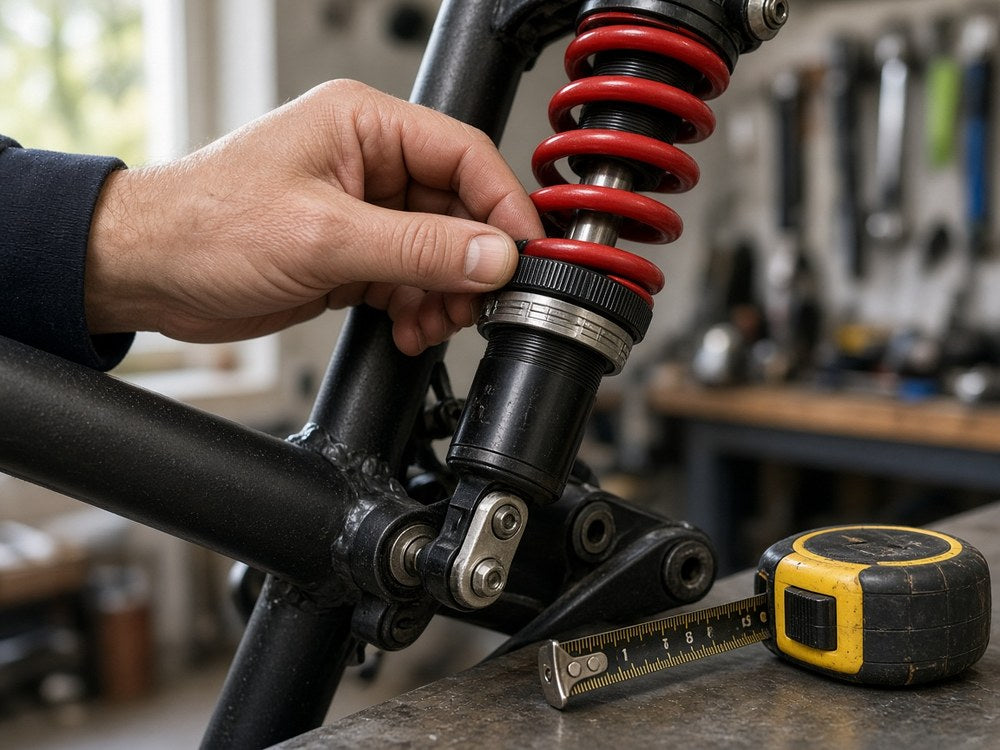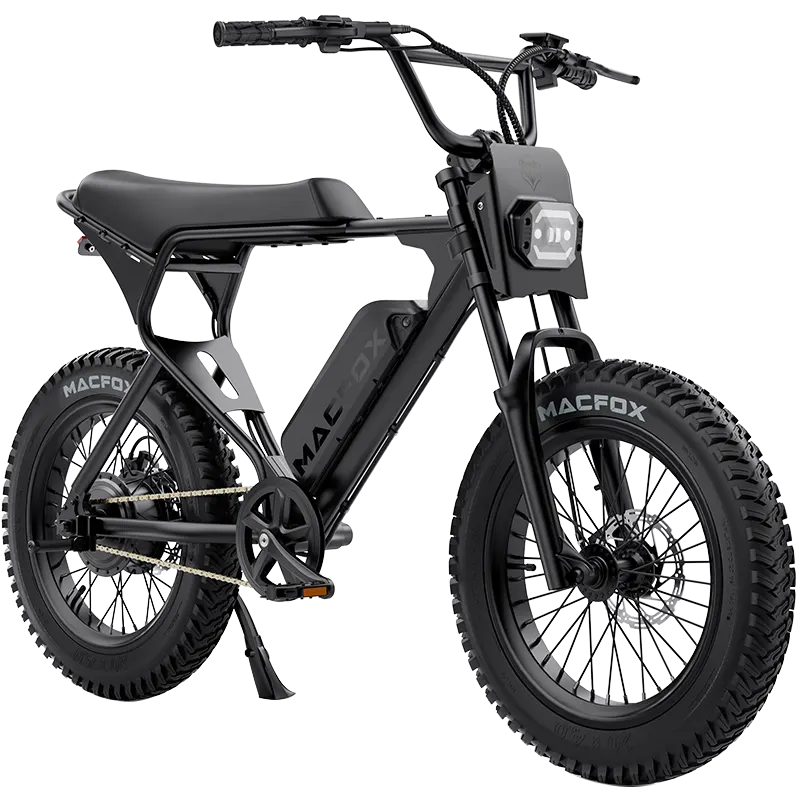

No: do not switch used fluid-contact bleed equipment between DOT brake fluid and mineral oil. Keep those service paths separate. Rinsing a used syringe or hose is not proof that it is safe for the other fluid. If an incompatible fluid may already have entered the brake, stop riding and obtain the brake manufacturer's contamination remedy; another bleed alone may not restore it.
Keep the fluid-contact parts separate
The relevant history belongs to everything the fluid touches: syringes, tubing, fittings, and containers. A clean-looking adapter does not establish that its internal passages have never carried a different fluid.
Start with the fluid specified for the actual brake. Do not identify it from color, or assume that every hydraulic brake on similar-looking electric bikes uses the same fluid. Previous component replacements can also change what is fitted.
A kit sold for both fluid families may provide separate dedicated equipment. That does not mean its used wet-contact parts can be casually shared after cleaning. Follow its separation instructions and the brake's exact service requirements.
Decide whether the problem reached the brake
The kit has not been connected: set it aside until its history is known. Use a verified compatible kit, or have the service done with suitable equipment. There is no reason to turn an uncertain tool into a potentially contaminated brake.
The kit was connected or fluid was introduced: stop the service and do not ride. Tell the repairer exactly which fluid and equipment were used, whether fluid was pushed into the brake, and which parts were connected. Keep the fluid bottle and packaging available.
Incompatible fluid can damage internal sealing materials. The required remedy depends on the brake, and can include replacement rather than flushing. A lever that still feels firm is not evidence that incompatible fluid caused no damage.
Avoid repeating the bleed with the correct fluid just to see whether the brake feels normal. That can obscure what happened without resolving the material-compatibility question.
Label the kit before the next service
Store dedicated fluid-contact parts separately and label them with the exact fluid they are used with. Keep fresh-fluid containers closed and separate from used fluid. If a borrowed kit arrives without a reliable history, treat it as unknown rather than guessing from residue.
Cleaning instructions usually describe maintenance for the equipment's intended use. They are not automatically a conversion procedure. Record what you used so the next service does not begin with the same uncertainty.
If this happened during a conversion, the hydraulic brake upgrade guide provides the wider assembly context, not a cure for contamination. Finish only after the correct repair procedure and brake safety checks have been completed. Keeping a second dedicated kit is preferable to gambling on a brake's fluid history.