
If your rear coil shock still has too much sag after a correct measurement at the permitted preload limit, stop tightening the adjuster. The usual next step is an approved higher-rate spring, selected for the bicycle, shock, and riding load. First rule out an incorrect measurement or test load. Do not borrow a turn limit or sag percentage from a different shock.
Confirm that the measurement really is sag
Sag is the suspension's compression under the specified static riding load. It is not the deepest position reached during a ride. A reading taken after a bump therefore does not establish that the static setup is too soft.
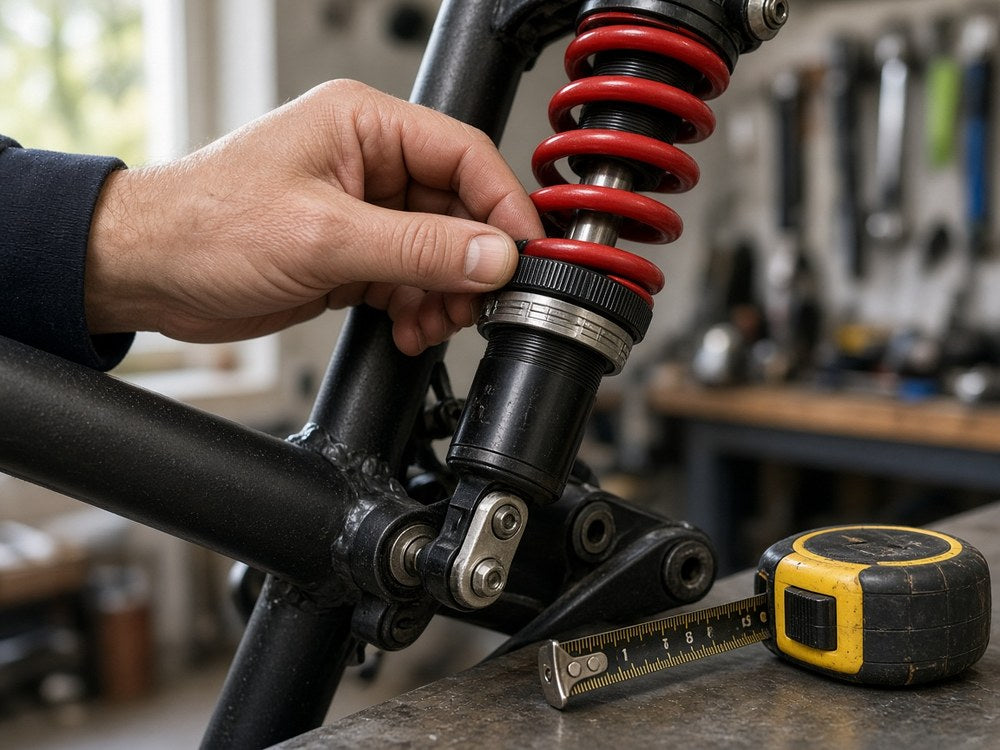
Use the bicycle and shock instructions to identify the target, measurement points, and riding position. Wear your usual riding gear and include the load required by that procedure. Have someone stabilize the bicycle where needed; bouncing on it is not a substitute for a controlled measurement.
Keep the measurements in the same terms as the specified target. If the procedure uses shock compression, do not substitute a wheel-travel number from the bicycle's specifications. That creates a comparison between different movements.
Write down the unloaded and loaded measurements and the permitted target. If repeating the procedure changes the result substantially, resolve the measuring method before ordering a spring.
Treat the preload limit as a stop point
Preload adjusts the initial compression of the installed spring. It does not make an unsuitable spring the correct choice merely because you can tighten the collar farther.
Find the allowed adjustment range and its starting reference in the actual shock instructions. The physical end of the threads is not necessarily the permitted limit. Excessive preload can leave insufficient compression room and risk the coils contacting each other before the intended travel is complete.
If the correctly measured sag remains excessive within that allowed range, have a suspension technician select an approved spring. Spring rate matters, but so do its dimensions, seating arrangement, and suitability for the shock's stroke. Do not choose a replacement from body weight alone.
Keep the current spring markings and your measurements available. They let the technician evaluate a specific setup instead of guessing what “too soft” means. Spring removal and replacement should follow the equipment's service procedure.
Separate spring setup from another shock problem
If sag is within the target but the suspension bottoms out or rebounds poorly during riding, you have a different question. More preload is not automatically the solution. The shock absorber guide explains the broader suspension behavior to discuss with a technician.
Visible damage, a displaced spring retainer, leakage, or unexpected movement needs inspection before further riding or adjustment. Do not use a jump or drop to test whether another turn solved it.
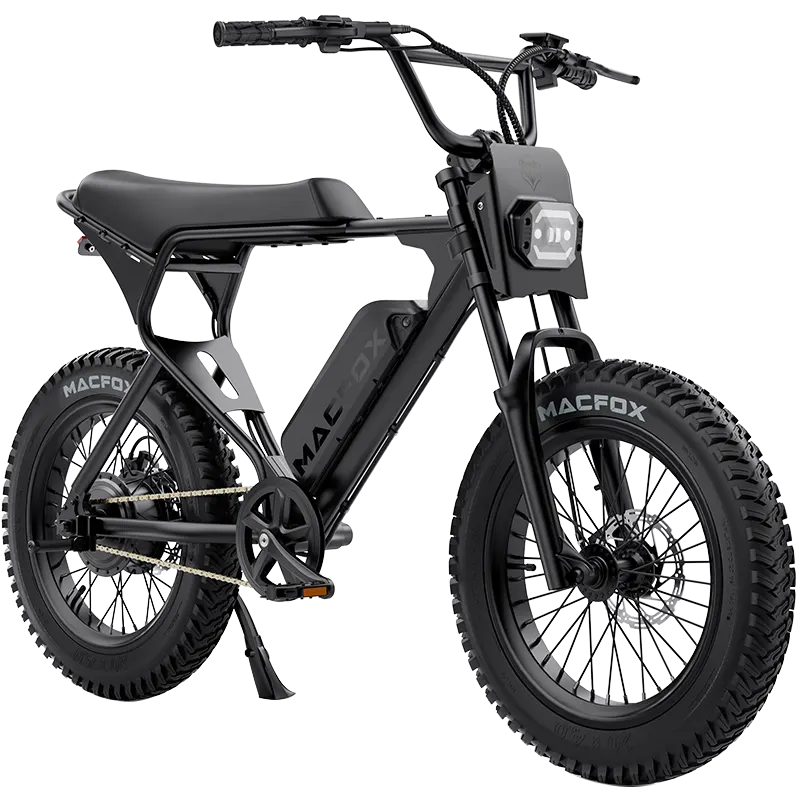
When comparing electric bikes, ask whether the supplied suspension and available spring options suit your normal riding load. That is more useful than assuming every coil shock can be adjusted to fit every rider.