
If the wheel, rotor and caliper are secure but rubbing returns after a brake squeeze, check pad and piston return before centering again. A pad that stays against the rotor needs its release restored; shifting the caliper will not free a sticking piston. If rubbing never changes with lever use, investigate rotor position and the mounting setup instead.
Rule Out Wheel and Rotor Movement

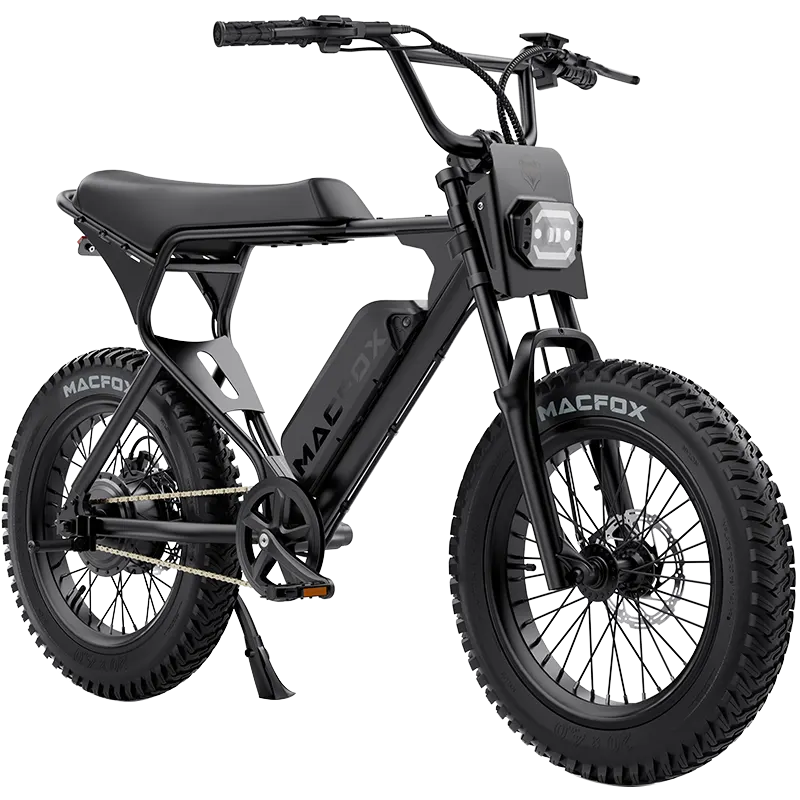
Turn off your electric bike, let the brake cool and support it securely with the affected wheel installed and off the ground. If you cannot support the weight safely, leave the check to a shop.
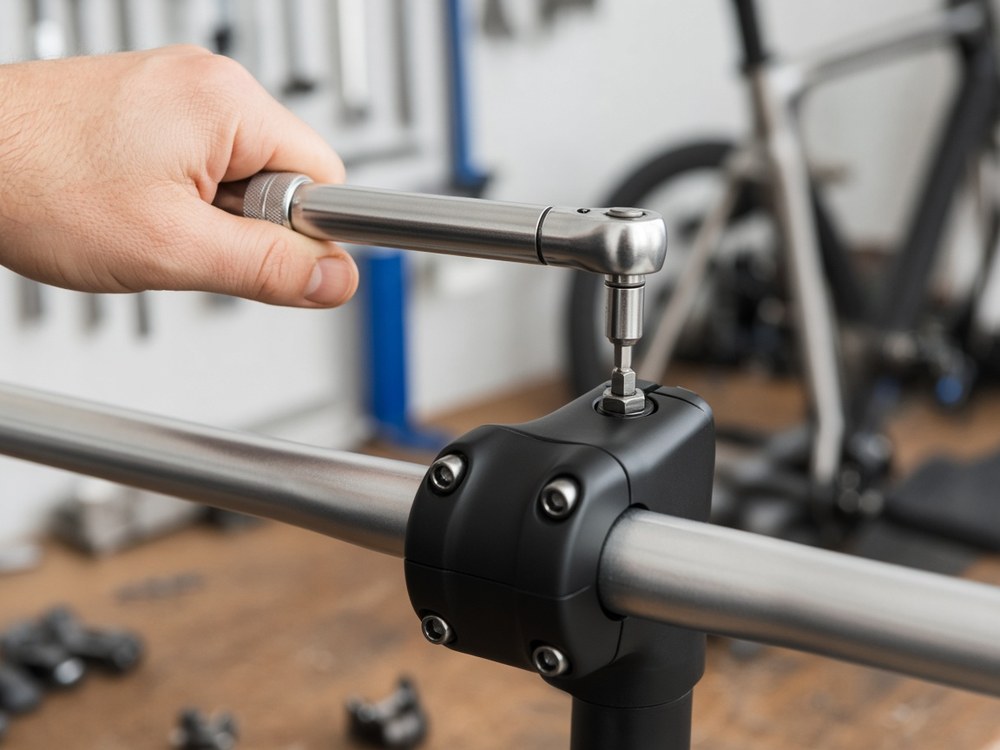
Confirm that the axle is correctly seated and secured, the rotor is firmly retained, and the caliper does not shift on its mount. A tight-feeling bolt alone does not establish correct installation. Use the actual axle and brake fastening instructions.
Watch the rotor during a slow hand spin, keeping fingers clear. Sideways sweep, a loose rotor or hub side play needs attention first. Moving the caliper around an unstable rotor will not produce dependable clearance.
Compare the Gaps Before and After Braking
Use a light behind the caliper to see the gaps between the pads and rotor. Stop the wheel, apply the brake normally, then release the lever fully. Leave the caliper bolts secured throughout this comparison.
Compare the same section of rotor before and after the squeeze. Otherwise, a bent section rotating into view can look like a changing pad gap. Does a previously clear side remain touching after release? Does that happen again with the next application?
The useful clue is persistent contact, not whether both pads appear to move in perfect synchrony. Unequal movement alone does not diagnose a failed piston. If the trouble started with new pads, also verify that the pads and any required spring are correct and properly seated.
Keep the wheel and pads in place. Removing them and squeezing the lever creates a different problem; it is not a better way to watch this one.
Separate Mounting Alignment From Piston Return
If the caliper appears tilted, or contact began as its mounting bolts were tightened, have the specified hardware and mounting alignment checked. Do not assume the frame is bent or add washers to straighten the caliper. A mounting-surface problem needs measurement, not another blind adjustment.
If everything stays fixed but a pad repeatedly remains against the rotor after release, have pad fit and piston return checked. A sticking mechanism needs the service procedure for that hydraulic system before final centering. Do not spray lubricant into the caliper, open a bleed screw to gain clearance, or assume rubbing means the brake needs bleeding.
Tell the technician when contact returns, which side stays close, and whether pads or wheels were recently changed. That is more useful than reporting how many times you loosened the bolts.
Leakage, binding, insecure parts, weak braking or a lever reaching the grip means no riding until repaired. Our broader disc brake adjustment overview explains positioning; the fitted brake's instructions govern its service and final checks.