
A same-diameter replacement rotor with a different thickness is not automatically compatible with your brake caliper. Use it only if the brake maker approves that nominal thickness and the complete component combination. Some calipers accept more than one thickness; others do not. A rotor sliding between the pads, or a wheel spinning freely, is not enough to approve the change.
Compare new-rotor thickness with the caliper specification

Find the caliper's exact identifier and the replacement rotor's part number. Check their compatibility information together. Do not assume all brakes from one manufacturer accept the same rotor thickness.
Also distinguish two different numbers: the rotor's thickness when new and its minimum allowable thickness after wear. A minimum-wear marking tells you when that rotor is too worn; it does not tell you how thick a replacement your caliper accepts.
For example, choosing a thicker rotor because it sits farther above a wear limit skips the compatibility question. First establish which new rotor is approved. Only then do its service and wear instructions apply.
If the caliper information does not specify the proposed rotor or thickness, get confirmation from the brake maker or a qualified shop. Do not treat an absent restriction as permission.
Approval can come with different service requirements
Where a caliper is approved for multiple thicknesses, check the service instructions for the combination you will actually use. Pad compatibility, piston setup, and specified service spacers may differ. A spacer that was correct for the old arrangement is not automatically correct for the new one.
This does not mean you should bleed the brake or reset its pistons simply because the rotor changed. It means the service procedure must come from the approved combination, not a guess about how to create more room.
Never grind down pads, thin the rotor, or release fluid just to make an unapproved part fit. If extra clearance is the only argument for using it, the part-selection decision is still unresolved.
When considering a complete system change, the brake upgrade guide provides the broader context. It does not replace the caliper-specific compatibility check.
If the approved combination still rubs, investigate the installation
Once the rotor, caliper, pads, and required setup are confirmed, persistent rubbing becomes an installation or service question. Repeating alignment attempts will not help if the original compatibility assumption was wrong, so keep the approval information available for the mechanic.
Ask the shop to verify installation, pad movement, and brake operation before riding. Do not use a ride to wear away the interference. If the component combination cannot be confirmed, return to the approved rotor specification instead.
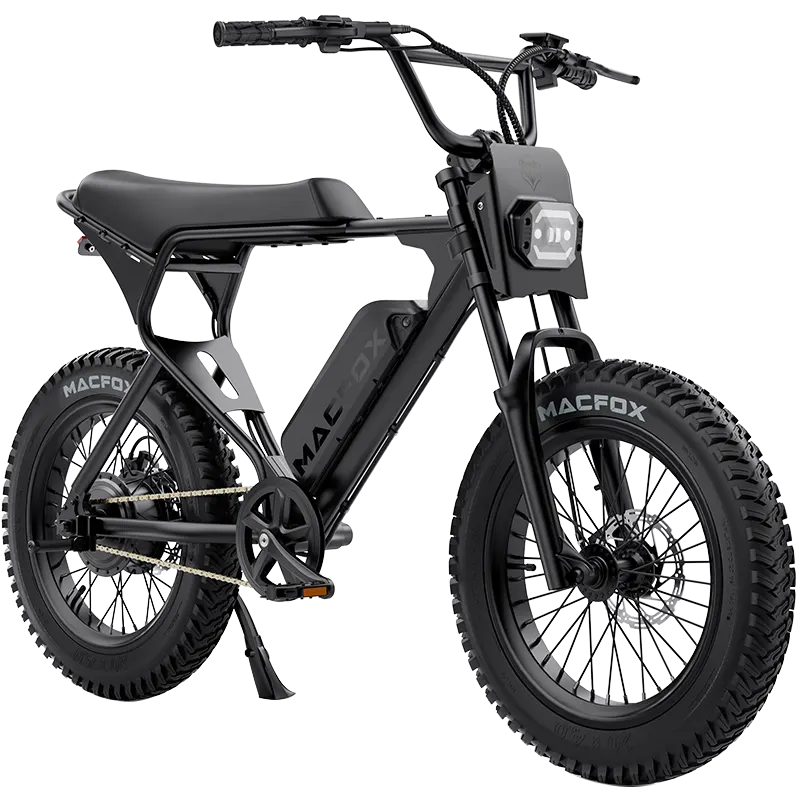
For shoppers comparing electric bikes, the original brake equipment and its service support are useful details to check. Rotor diameter alone does not tell you which replacement parts the brake will accept.