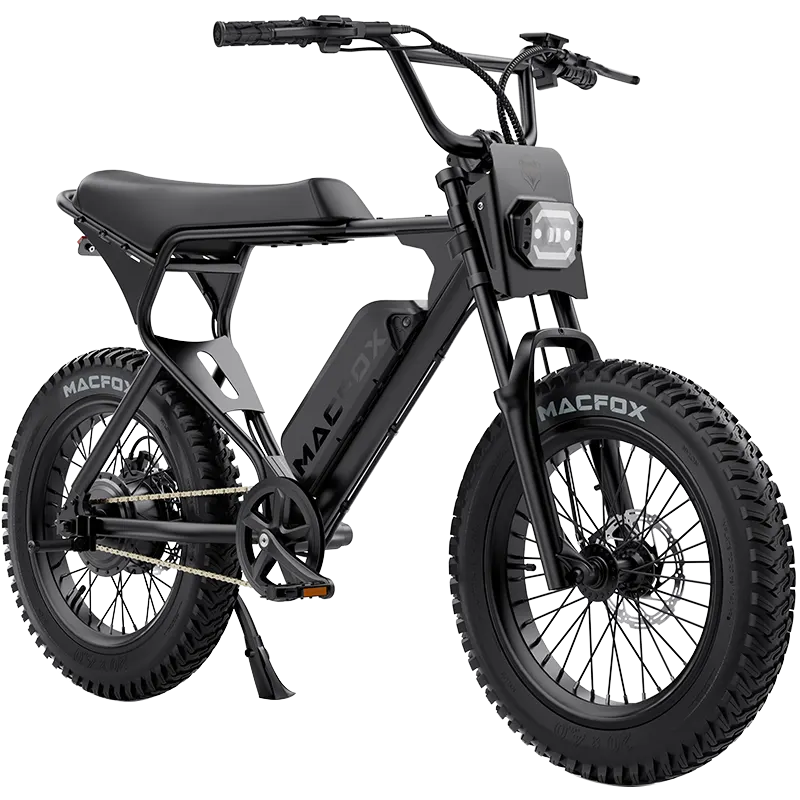

Teen e-bike riders should not carry a passenger just because the bike has a long seat, foot pegs, or a moped-style look. Two-up riding should be allowed only when local rules, the bike's design, the total weight limit, real passenger seating, foot support, helmet use, route conditions, and parent permission all line up. If any of those pieces are unclear, the family rule should be no passengers.
This is one of the easiest rules for teens to misunderstand. A friend asks for a short ride, the bike looks strong enough, and the trip seems harmless. But adding a passenger changes balance, braking distance, steering, and responsibility. For a young rider, that change can turn a normal ride into a decision they are not ready to manage.

Why Passenger Rules Need to Be Clear
Parents often talk about speed, helmets, and where a teen may ride. Passenger rules are easier to forget until the moment a friend wants a ride home, a quick lift across the neighborhood, or a turn around a school parking area.
The rule should be written before the first ride. If the teen has to decide in front of friends, the social pressure is already part of the decision. A calm rule at home works better than a rushed judgment on the street.
Use the teen e-bike readiness checklist as the baseline. If the teen still needs practice starting, stopping, turning, or following route limits alone, they are not ready to manage another person on the bike.
Foot Pegs Are Not Permission
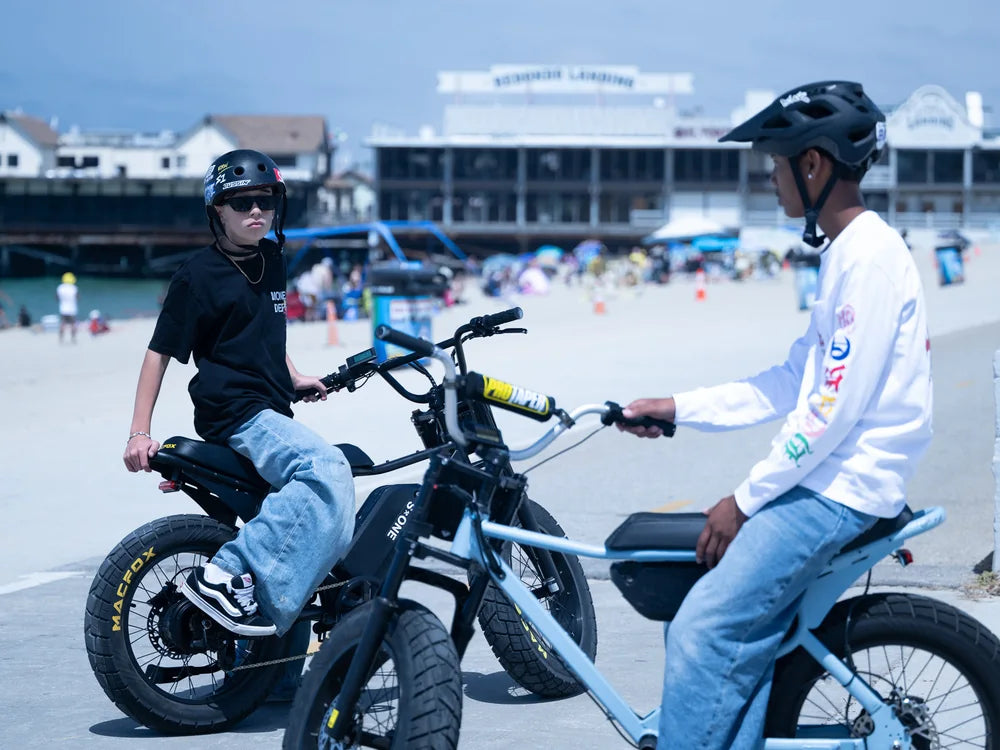
Foot pegs can support a rider's feet or be part of a bike's style and accessory layout, but they do not automatically mean a teen should carry a passenger. The question is not whether the passenger has somewhere to put their feet. The question is whether the whole bike, route, rider, passenger, and local rule set can handle two-up riding.
Parents should check the manual, product page, rated payload, seat design, accessory instructions, and any local rules before making a decision. A peg by itself does not answer those questions.
The family rule can be simple: no passenger unless the bike is designed for it, the rules allow it, and a parent has approved that exact situation.
A Long Seat Is Not Always a Passenger Seat
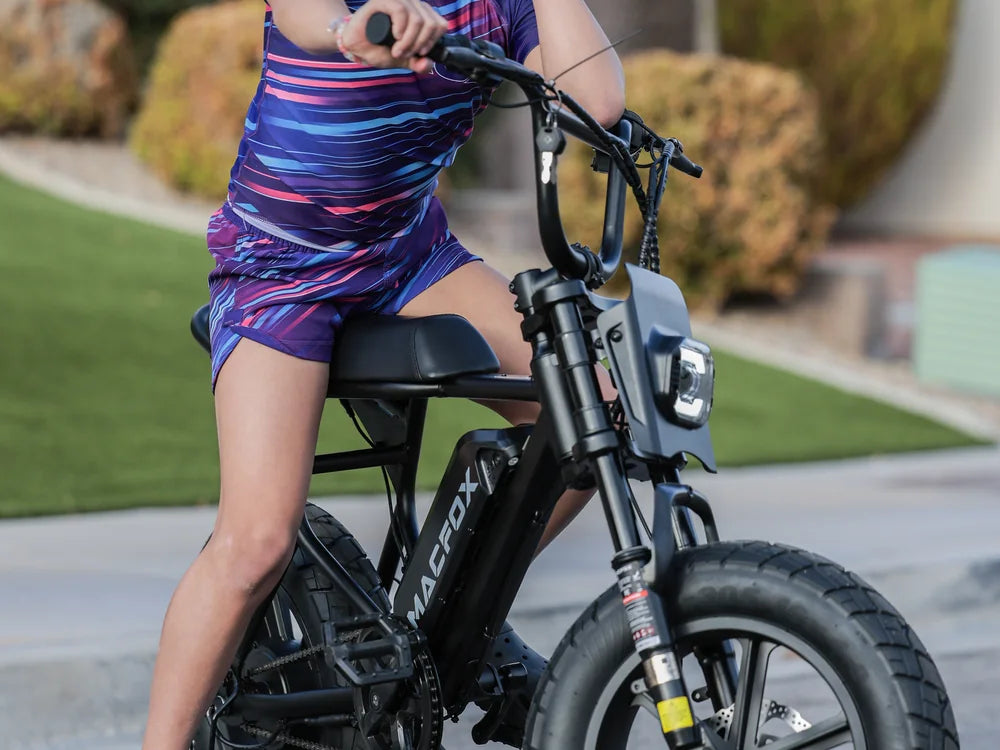
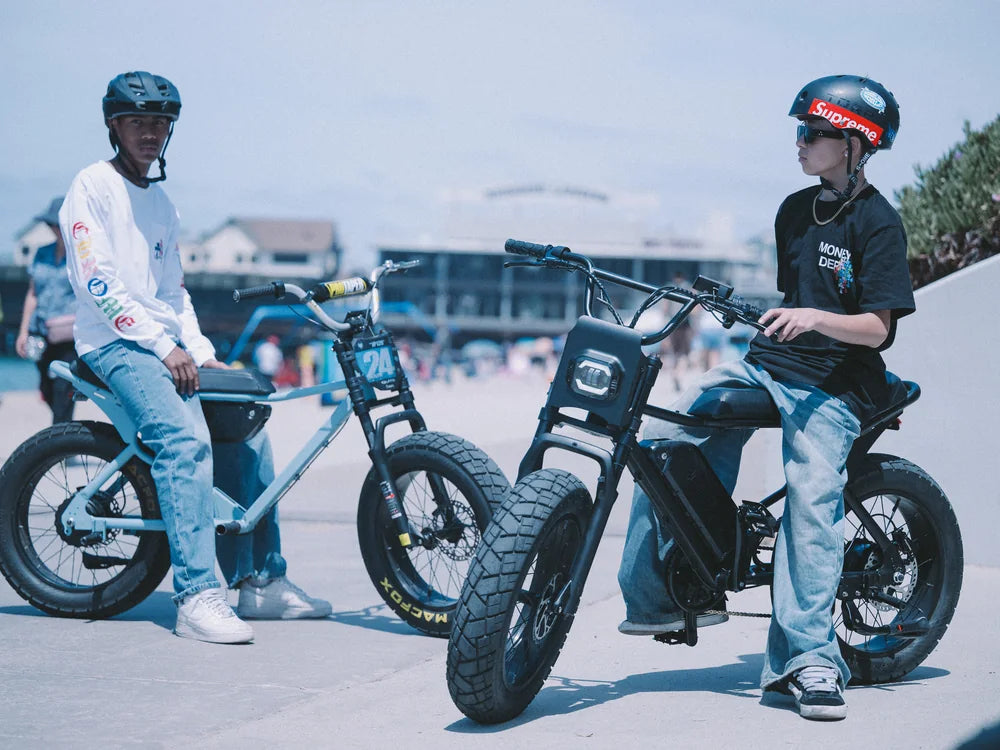
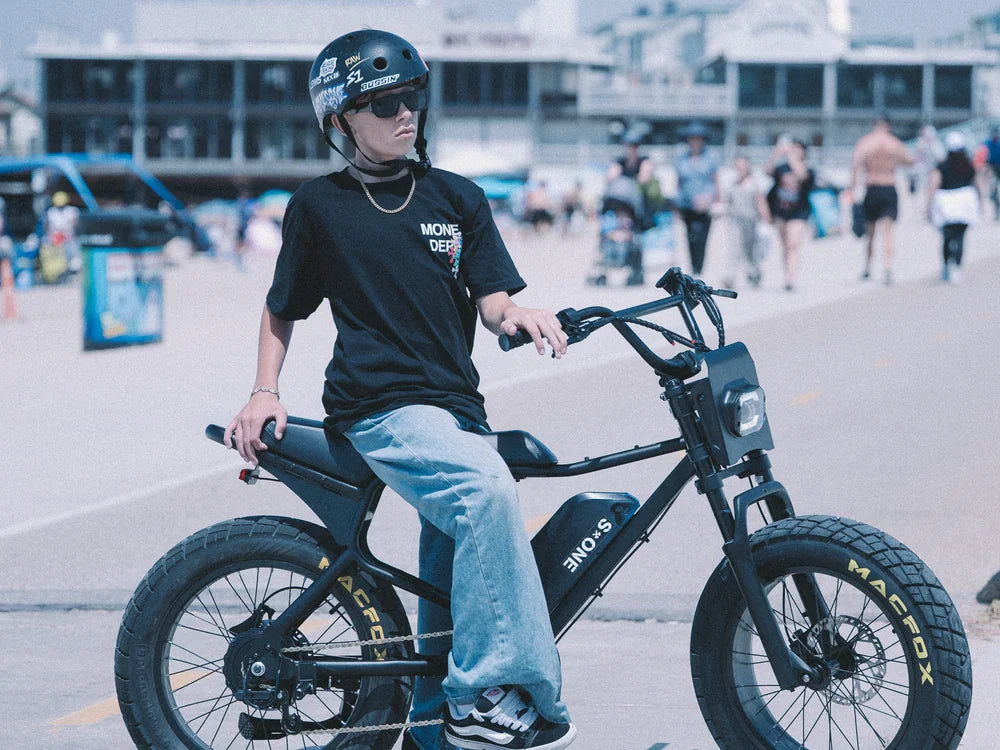
Many moped-style e-bikes have a longer saddle because that shape is part of the riding position and visual style. That does not make every long saddle a two-person seat. A real passenger setup needs more than space. It needs support, clear weight limits, stable handling, and a rider who can control the extra load.
This matters for Macfox because style is part of the product language. A cool bike should still be used inside clear rules. Long-seat styling should not be translated into "bring a friend" unless the bike and situation are actually set up for that.

What Changes When a Passenger Gets On
Two-up riding changes how the bike feels immediately. The rider may need more distance to stop. Turns can feel heavier. Low-speed balance can become harder. The passenger may shift, lean, grab the rider, or put a foot down at the wrong time. If the teen is surprised by any of that, the ride is already too advanced.
Extra weight also affects tires, brakes, frame stress, and control on hills, loose ground, wet pavement, driveways, and crowded areas. The passenger may think they are doing nothing, but their weight and movement still become part of the ride.
That is why a short ride is not automatically safe. Many mistakes happen close to home, at low speed, or in places where the rider felt comfortable enough to relax.
Check the Rules Before the Bike Moves
Passenger rules can depend on the state, city, path, school, and the type of bike. Some places care about age, helmet use, seating, class rules, or whether the bike is being used on streets, paths, sidewalks, or school property. The youth e-bike law guide should be part of the parent's first check.
Safety basics still apply. NHTSA bicycle safety guidance emphasizes predictable riding, helmet fit, control, and using a bike that fits the rider. For teen passenger decisions, translate that into a stricter home rule: if the rider cannot be predictable alone, do not add a passenger.
School routes need extra caution. A teen who rides calmly alone may still face buses, cars, pedestrians, backpacks, pickup zones, and crowded racks around campus. Use the school-commute safety guide before allowing any passenger plan near school.
Parent Checklist: When the Answer Might Be Yes
Most families should start with no passengers. If a parent is considering an exception, check every item first:
- The bike's official materials allow the intended passenger setup.
- The rider and passenger together stay within the rated payload.
- The passenger has a real seat and stable foot support.
- Both rider and passenger wear helmets.
- The route is short, familiar, dry, low-speed, and parent-approved.
- The teen has already shown calm solo control on that route.
- The passenger understands not to lean, stand, film, or distract the rider.
- Local, school, and path rules allow the setup.
If one item is missing, the answer should stay no. A teen does not need a complicated explanation in front of friends. They need a rule they can repeat.
When Parents Should Say No Immediately
Say no if the teen is new to e-bikes, still learning starts and stops, wants to carry a friend because everyone else is doing it, plans to ride near school traffic, has not checked local rules, or treats helmets as optional. Also say no if the bike's official information is unclear about passenger use.
Say no when the passenger wants to stand on pegs, sit on a rack, hold a phone, film, carry a bag that changes balance, or jump on for a "quick" ride. Quick rides are exactly where people skip the checks.
This is not about removing independence. It is about protecting the independence the teen already has. A bad passenger decision can lead to a crash, a damaged bike, a broken rule, or a family ban on riding altogether.

How to Explain the Rule to a Teen
Do not make the rule sound like a punishment. Make it sound like a responsibility that comes with a more capable bike. A teen who wants the freedom of an electric bike also has to handle the social pressure that comes with it.
A parent can say: "You are responsible for the bike, the route, and the person asking for a ride. Unless we have approved the setup ahead of time, the answer is no passengers."
That script helps the teen say no without turning the moment into an argument. They can blame the family rule instead of debating the friend.
How This Fits Macfox Riding Culture
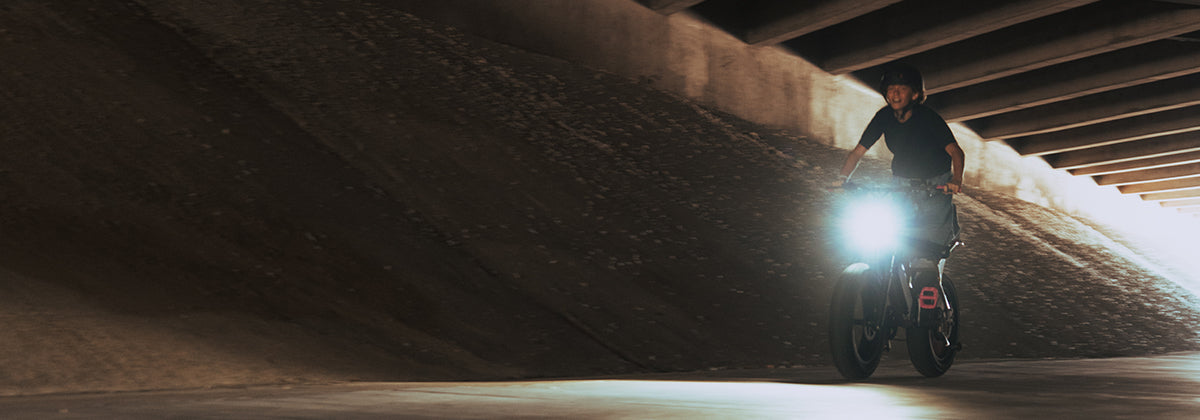
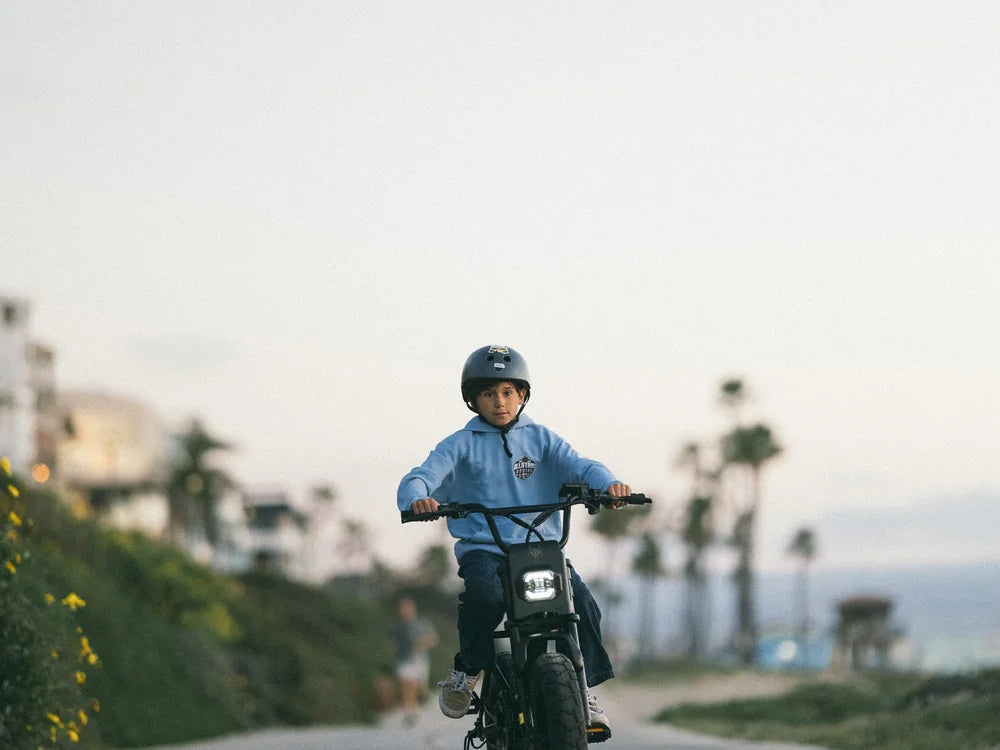
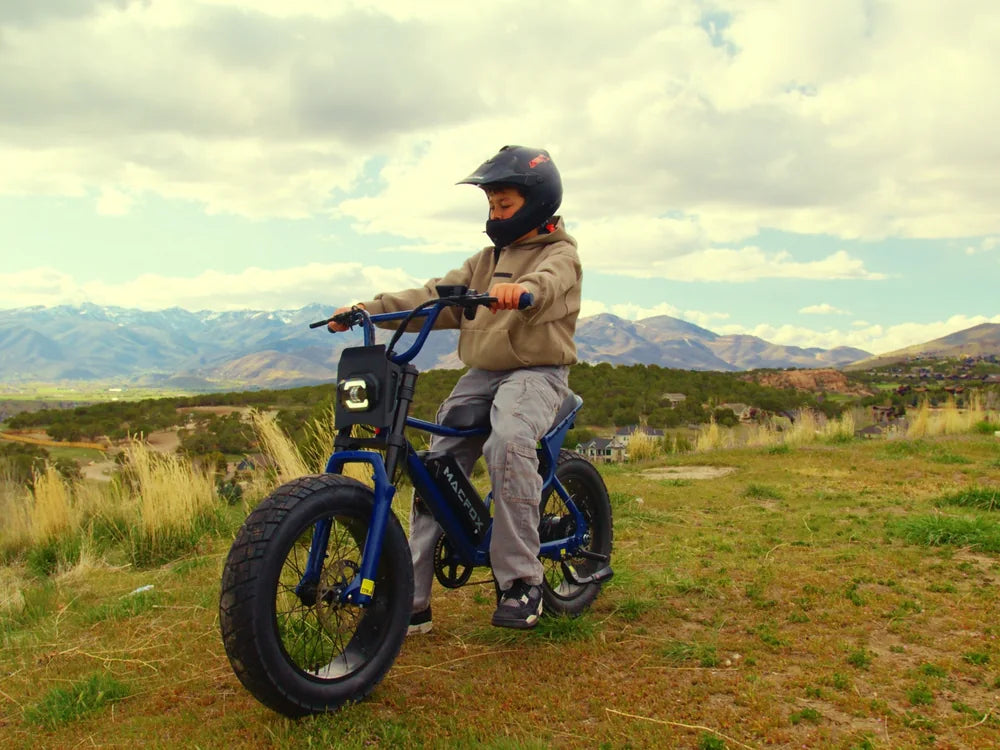
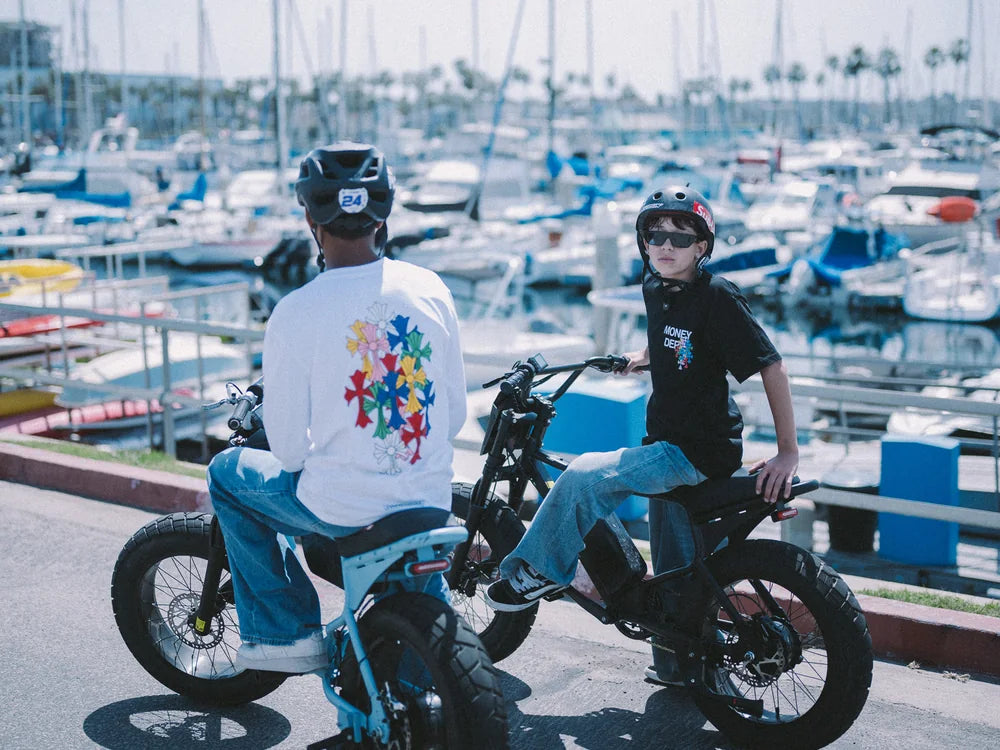
Macfox bikes are built around a strong visual identity: fat tires, long-seat styling, and a street-ready look that teens and young riders can connect with. That style should support legal, controlled, personal riding. It should not blur the line between confidence and careless two-up use. If the bike choice is still open, the teen's first e-bike guide should come before any passenger decision, because fit, rules, payload, and control matter more than seat length or pegs.
For a parent still deciding whether an e-bike fits their teen, the teen e-bike vs regular bike comparison can help compare the larger decision. For house rules after purchase, the teen e-bike safety rules should stay close because passenger rules are part of the same family agreement.
Parent Decision Summary
For most teen riders, the default rule should be no passengers. If parents ever allow two-up riding, it should be specific, limited, and based on the bike's official design, weight limits, route, local rules, and the rider's proven control.
Foot pegs and long seats do not make the decision by themselves. They are only pieces of a bigger safety and responsibility check. When in doubt, keep the ride solo.
FAQ
Can a teen carry a passenger on an e-bike?
Only if the bike is designed for it, local rules allow it, the total weight stays within the rated limit, both people use proper safety gear, and a parent approves the route and situation. Otherwise, the safer family rule is no passengers.
Do foot pegs mean an e-bike can carry a passenger?
No. Foot pegs alone do not prove that passenger riding is allowed or safe. Parents still need to check the bike's official materials, weight limit, seat design, and local rules.
Does a long e-bike seat mean two people can ride?
Not always. A long seat may be part of the bike's riding style. It should not be treated as a passenger seat unless the bike is officially designed and rated for that use.
Should teens carry friends to school on an e-bike?
Usually no. School routes add traffic, pedestrians, time pressure, and campus rules. Parents should keep school rides solo unless the school, local rules, bike design, and family rules clearly allow otherwise.
What should a teen say when a friend asks for a ride?
Give them a short script: "My family rule is no passengers unless it is approved first." A clear script is easier to use than a long explanation in front of friends.