
Yes, a correctly sized spare tube can get you rolling after a tubeless puncture that will not seal, provided the casing, bead and rim are structurally sound and the setup permits a tube. Remove the tubeless valve before fitting the tube. A split sidewall, damaged tire bead or cracked rim is a reason to arrange pickup, not put a tube inside and keep riding.
Rule Out Damage a Tube Cannot Fix

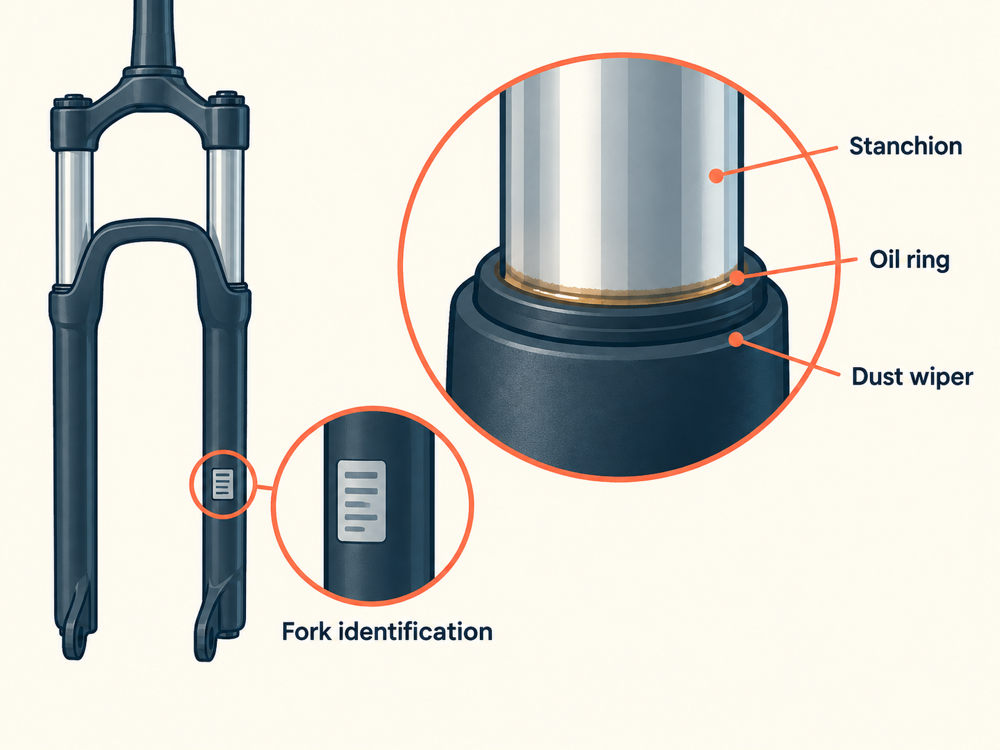
A tube replaces the air seal, not the tire's structure. Check the casing, the reinforced edge that seats against the rim, and the rim itself. A small tread puncture is different from torn fabric, a separating bead or a rim bent by an impact.
The tire and rim must still be an approved pairing. On a hookless rim, adding a tube does not make an incompatible tire acceptable. Keep the required tire type and size, and do not raise the wheel's pressure limit because there is now a tube inside.
Take Out the Tubeless Valve, Not the Rim Protection
Fully deflate the tire before opening it. Remove the standalone tubeless valve from the rim; taking out only its small valve core is not enough. The spare tube has its own valve stem and needs that opening.
Find and remove the thorn, glass or other object that caused the flat. Inspect with a cloth rather than sweeping bare fingers over hidden sharp debris. Keep sound rim tape in place to protect the tube from spoke holes and sharp edges. If the tape has shifted or torn, restore that protection before fitting the spare.
Match the Spare to the Tire and the Sealant
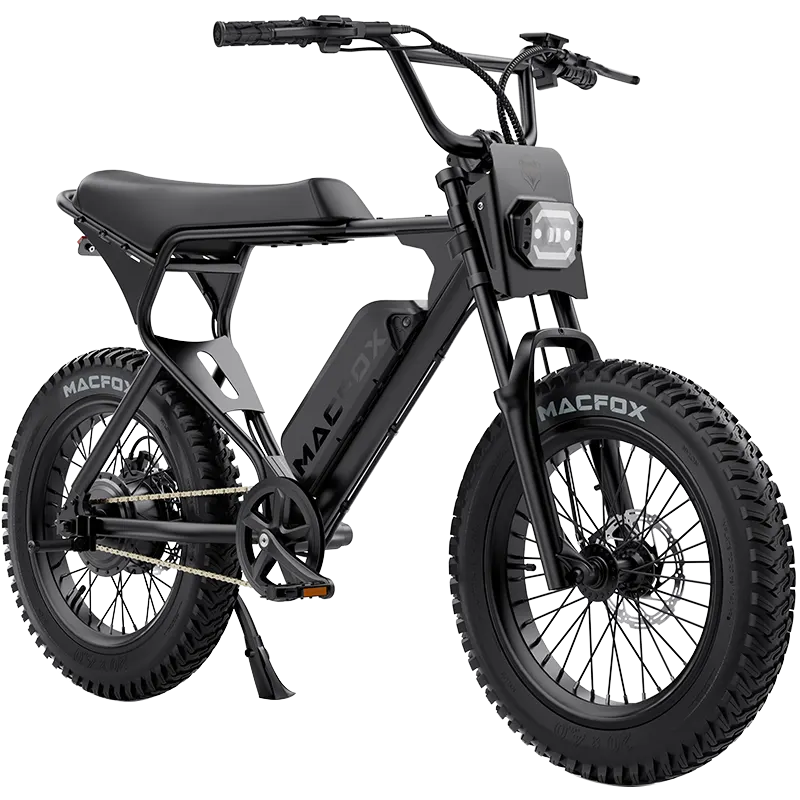
Match the tube's diameter and width range to the actual tire. A narrow road-bike spare is not a substitute for a tube that fits a fat-tire electric bike. The valve must also fit the rim opening and extend far enough for the pump to connect.
Drain and wipe out as much sealant as practical. Then check the spare tube's material restrictions; permission for one tube is not permission for every lightweight replacement.
Do not assume a lightweight spare tolerates leftover sealant. Its material may have restrictions that a conventional tube does not. If the instructions allow emergency contact but require cleaning afterward, make that part of the repair rather than leaving the combination indefinitely. If they prohibit contact and you cannot remove the sealant, use a compatible alternative or arrange pickup.
Check the Finished Wheel Before Riding
During fitting, keep the tube clear of the tire bead. Begin inflation cautiously and check both sides for trapped tube or uneven seating before reaching the appropriate riding pressure within the tire and rim limits.
A bulge, lifting bead or renewed pressure loss means stop. Do not keep adding air to force the tire into place. If the original valve cannot be removed, the rim protection cannot be restored, or the spare will not fit, riding flat is not the fallback.
Once the immediate problem is resolved, use the tubeless commuting guide to decide whether to restore tubeless or keep tubes. Getting a spare installed does not settle that longer-term choice.