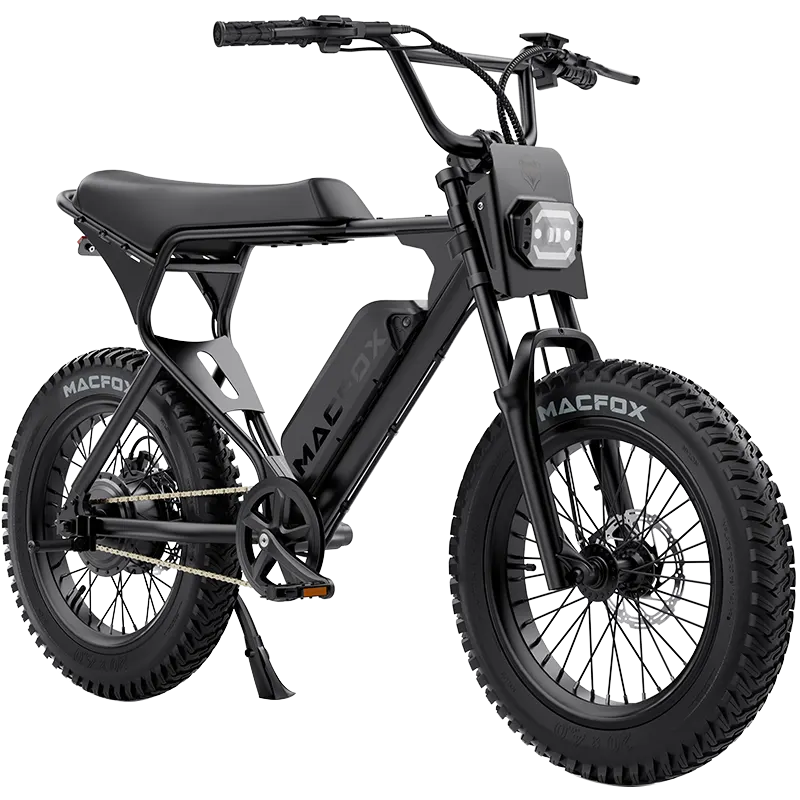

The earlier-year bike seems to have what you want, and its price is easier to live with. Is there a good reason to spend more on the latest version? There may be, but an earlier model year is not a problem in itself. The useful questions are how well each bike suits your riding, what you will receive, and whether the differences justify the money.

An Earlier Model Year Does Not Mean a Used Bike
A new old stock electric bike is unsold inventory being offered as new. That is a different purchase from a used or refurbished bike, even if a newer version has since arrived.
Keep the model year separate from the history of the individual bike. The year identifies a version; it does not tell you when that particular bike or battery was manufactured, how long it has been stored, or its condition today.
A discount does not tell you those things, either. A lower price is not evidence of a fault, and it does not necessarily mean a seller is clearing stock that has been sitting for years. Start with the bike being offered rather than reading a story into the sale tag.
Look for Changes You Would Actually Use
Compare the earlier bike with a newer option you would genuinely consider. Then ask what the changes would do for your ordinary rides. A revised riding position might make a meaningful difference. A feature you would rarely use might not.
| What changed? | How to judge its value |
|---|---|
| Fit or riding position | Look at relevant dimensions and supported adjustments. A change that addresses an awkward reach or seating position matters more than a different model-year label. |
| Useful equipment | Fenders or a compatible rack can be valuable for wet-weather commuting or carrying a bag. Compare what is included with what you would actually need to add. |
| Range capability | Consider your usual distance between charges and your riding conditions. Extra capacity may be worth paying for when it provides a margin you need, rather than just a larger advertised number. |
For a familiar commute with a small bag, an earlier-year bike with a suitable riding position and the right equipment may already cover the job. For longer weekend outings, additional usable range could make the newer option more appealing. The same upgrade can be worthwhile for one rider and unnecessary for another.
You do not need to dismiss improvements to appreciate the earlier bike. You only need to distinguish changes that help you from changes that happen to be new.

Know What Will Arrive
Confirm the exact configuration attached to your order, especially if a listing includes photos or specifications from more than one version. You should know which battery, charger, and included equipment you will receive, and that the bike is being supplied as unused new stock rather than a demo or refurbished unit. Ask what normal preparation and checks are included before delivery.
The battery deserves a little attention when stock is known to have been stored for a long time. Lithium-ion batteries age over time even when unused, and storage conditions affect their service life. That makes storage history relevant, but it does not let you diagnose a battery from the bike's model year. For known long-stored stock, ask how the battery was kept and what the seller has checked before offering it for delivery.
Also clarify the warranty that applies to this purchase and whether model-specific replacement parts, particularly a compatible battery, remain available. An earlier design can still be a practical choice when those answers are clear.
When you buy a Macfox as the original purchaser, our limited warranty starts on the date you receive your eBike. It covers qualifying manufacturing defects, with coverage periods that differ by component. The bike's model year is not the warranty start date.

Compare the Delivered Price
Put the earlier-year bike beside one realistic alternative in the size and configuration you would buy. Compare their delivered totals, including shipping, applicable taxes, and any equipment you need to add. A large percentage reduction from an old list price is less informative than the actual difference between those two purchases.
Suppose the earlier bike needs a rack for your everyday bag, while the alternative already includes a suitable one. Include that addition before deciding how much you would save. Equally, do not give the newer bike extra credit for equipment that would make no difference to your routine.
A suitable earlier-year bike with clear condition and support can be worth buying. Paying more makes sense when the alternative improves your fit, meets a range need, or includes something useful enough to justify the difference. You do not have to pay for the newest year, and you do not have to choose the largest discount.
For help choosing between Macfox configurations, contact our online team with the options you are considering and what your usual rides involve. A good deal should make sense for the riding you plan to do, not just look appealing at checkout.