
A thin oil ring can be normal lubrication, not a failed seal. For example, a fork with oil-fed foam rings may leave a faint film on its sliding tubes after compression. Gently wipe away light residue and check the fork's care guidance. Fluid running down the leg, drips, a displaced seal, or changed fork behavior needs inspection before riding.
Check What Lubricates Your Fork

The stanchion is the smooth tube that slides into the lower fork leg. The dust wiper surrounds it at that opening. In some forks, an oil-soaked foam ring beneath the wiper lubricates the moving tube. Other forks can leave an oily-looking residue as their factory grease changes over time.
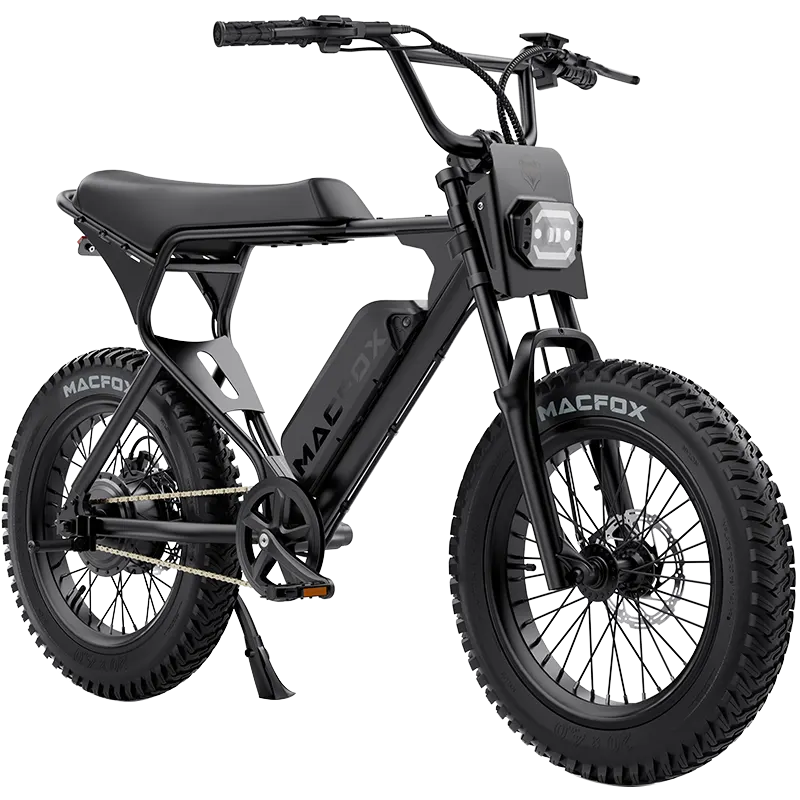
Those explanations are not interchangeable with a diagnosis. Find the fork's identifying label or serial number and its care information. Suspension construction varies across electric bikes; the bicycle's brand or tire size alone doesn't tell you what lubrication to expect.
If you cannot identify the fork, send the bicycle seller or a suspension shop a photo of the whole fork, its markings, and the oily area. Ask whether that residue is expected for this particular fork, rather than assuming a similar-looking fork's instructions apply.
Wipe the Tube, Then Watch the Pattern
With the power off and the bike steady, photograph the mark before cleaning it. Gently wipe the exposed tube with a clean, soft rag. Keep this an external check: don't lift the wiper with a tool or spray lubricant beneath it. Added oil can obscure where the original residue came from.
A faint surface trace differs from fluid forming beads, running down the lower leg, or collecting repeatedly around the wiper. Record what you actually see, which leg it affects, and whether it appeared after riding, cleaning, or recent service. There is no single ring width or reappearance time that proves every fork is healthy.
Another light trace after fork movement does not, by itself, prove a failed seal; lubrication can leave another mark. But wiping the tube dry doesn't prove the problem is solved either. If wetness continues to build or flow, stop riding and have it checked. Don't take a test ride simply to make the leak easier to see.
Check for Seal or Performance Changes
Look for a torn or displaced wiper and visible damage to the sliding surface. Also consider what changed during the last ride: did the fork start sticking, stay unusually low, rebound differently, or make a new noise? A small oil mark does not cancel out those warning signs. Arrange an inspection before riding again.
On an air-sprung fork, persistent pressure loss is another reason for inspection. A lower gauge reading immediately after reconnecting a shock pump is a separate issue, not proof of a leaking seal. Don't keep adding air or changing adjusters to conceal lost support.
If the only finding is light residue documented as normal for your fork, keep up its specified external-care routine. Our suspension fork maintenance guide covers the broader care task. An oil mark alone is not a reason to open the fork: leave internal inspection to a qualified technician following the fork's own service instructions.