
If you cannot continue an e-bike ride, share where you are now and distinguish it from where a pickup vehicle can reach you. A pin on the planned destination, or a road that happens to be nearby, can send help to the wrong place.
Establish Contact Before Assuming Help Is Coming

Stop somewhere safe. For an emergency, contact local emergency services and follow the dispatcher's instructions. For an ordinary breakdown without immediate danger, contact your agreed pickup person.
A phone can show a location without successfully sending a message or connecting a call. Check the sending status and seek a reply; do not assume the presence of a GPS dot means someone has received your position. Emergency calling is not guaranteed where communication is unavailable.
Give the Whole Location
Use your current position, not the route's starting pin. Read the complete coordinates and the format shown by the app, including direction letters or minus signs. Do not convert between formats under pressure. If you cannot establish your current position, say so and give the last place you can identify confidently.
Add the path or street name, direction you came from, and a visible landmark. "Beside the bridge" is less useful than explaining which bank you are on and whether you are on the path below the road or on the bridge itself.
If an emergency location marker is visible from where you are, read its identifying information as requested. Do not assume an ordinary trail-junction number is the same thing. For example, CAMBA uses both ordinary location markers and emergency markers with U.S. National Grid coordinates. Other trail systems may use different signs.
Separate Your Pin From the Pickup Entrance
The closest road on the screen may be above you, across a barrier, or behind a restricted gate. Tell the other person which public entrance you have actually confirmed. If you do not know how a vehicle can approach, state that uncertainty instead of inventing a shortcut.
A routine pickup message could say: "I'm stopped on the path below the bridge, on the east bank. Here is my current pin. The public parking entrance we used is the access point I know; I haven't confirmed another entrance. Please repeat which location and entrance you are heading to."
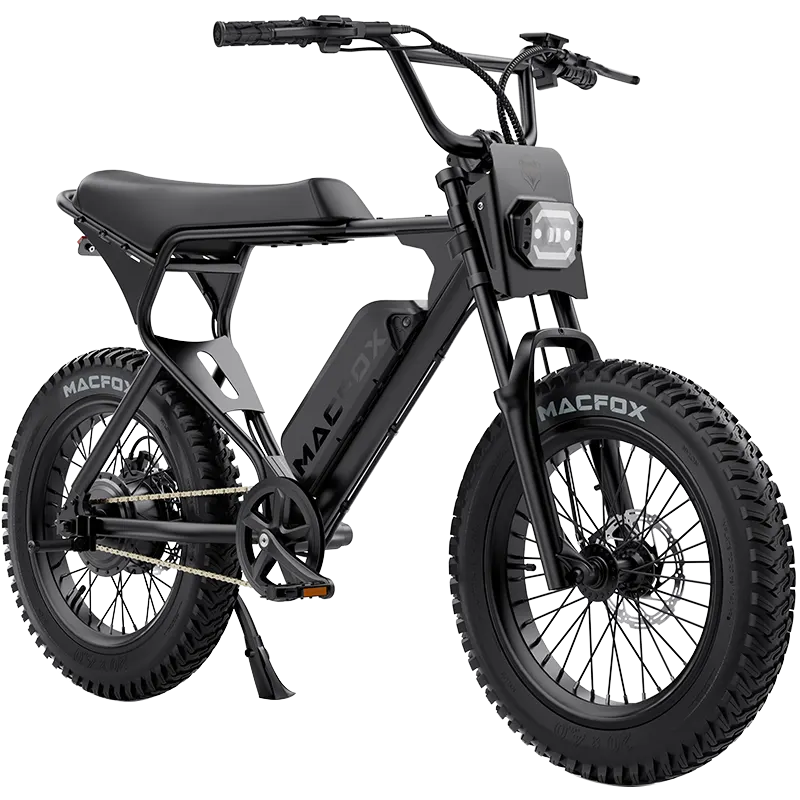
Confirm that the vehicle can carry your actual bike. Dimensions and handling differ among electric bike models; do not assume a pickup plan for another bicycle will fit yours.
If you are injured or lost and awaiting rescue, stay put unless there is an immediate threat to life, and follow emergency personnel's instructions. Do not leave an established location to scout vehicle access or climb for signal. If communication fails, use your prearranged emergency plan rather than assuming help was notified.
For future rides, put the contact and access details into your route backup plan. The handoff is complete only when the other person understands both your location and the approach, not merely when you tap Send.