
If speed appears under motor power but drops to zero while you are still coasting, the display may be receiving motor rotation instead of wheel rotation. That can happen with a freewheeling geared-hub arrangement: the wheel keeps moving while the motor stops turning. It is a signal-source problem to investigate, not a reason to change wheel size. Random dropouts or a restarting screen need a different diagnosis.
Describe the switch, not just the zero

Use what you have already noticed to separate the patterns. Does the speed disappear only when assistance stops? Does the screen stay lit, with its other fields unchanged? Does speed return when the motor provides power again?
That repeatable transition is more useful to an installer than "the speedometer sometimes fails." If the whole display goes blank, settings reset, or readings vanish over bumps, say so. Those details weaken the case for a simple mismatch between motor speed and wheel speed.
Do not hold a phone or stare down at the display to reproduce it in traffic. Record your observations after stopping. A road test is not necessary just to explain the pattern, especially if assistance also behaves unexpectedly.
The wheel can turn without the speed source turning
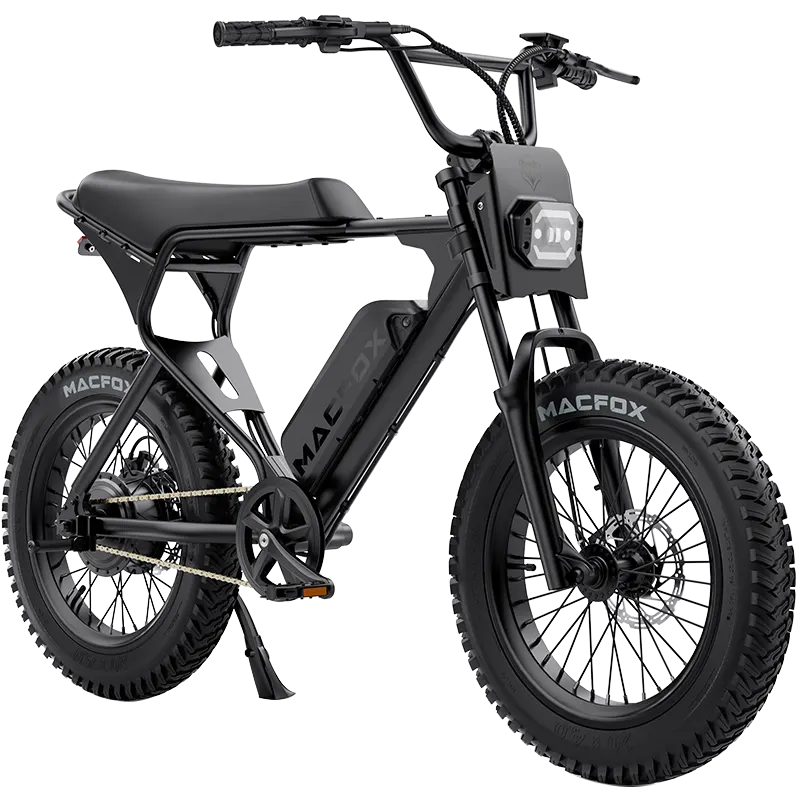
In a geared hub with an internal freewheel, wheel movement and motor movement are not always tied together. A system using the wrong rotation source can therefore lose its speed information during coasting even though the display remains powered.
This explanation is conditional. Other drive arrangements work differently, and an independent wheel sensor may already be present. The job is to confirm which signal the installed controller receives and which information it sends to the display.
When a screen or controller on an electric bike has been replaced, a familiar-looking display is not proof that the speed input is configured for the existing hardware. Keep the old and replacement identifiers available.
Wheel circumference can scale a valid rotation signal into a speed reading. It cannot supply wheel movement that the system never receives. Trying different wheel sizes may simply make the under-power reading wrong as well.
Ask for a signal-path check before calibration
Give the installer the symptom pattern and any recent wheel, controller, or display work. Ask: "Where does this setup get wheel speed while the motor is not driving?" That keeps the conversation focused on the input rather than a guessed menu value.
If a supported wheel-speed sensor exists, its connection and configuration need checking. If the required input is absent, ask for a manufacturer-supported solution. Do not splice wires, open the motor, or copy pulse-count settings from another setup.
If speed remains present while coasting but is consistently inaccurate, use the guide to comparing incorrect speed and distance readings instead. Keep error messages and changes in assistance in the service report, too. A plausible speed number alone is not a complete check of a recently changed electrical system.