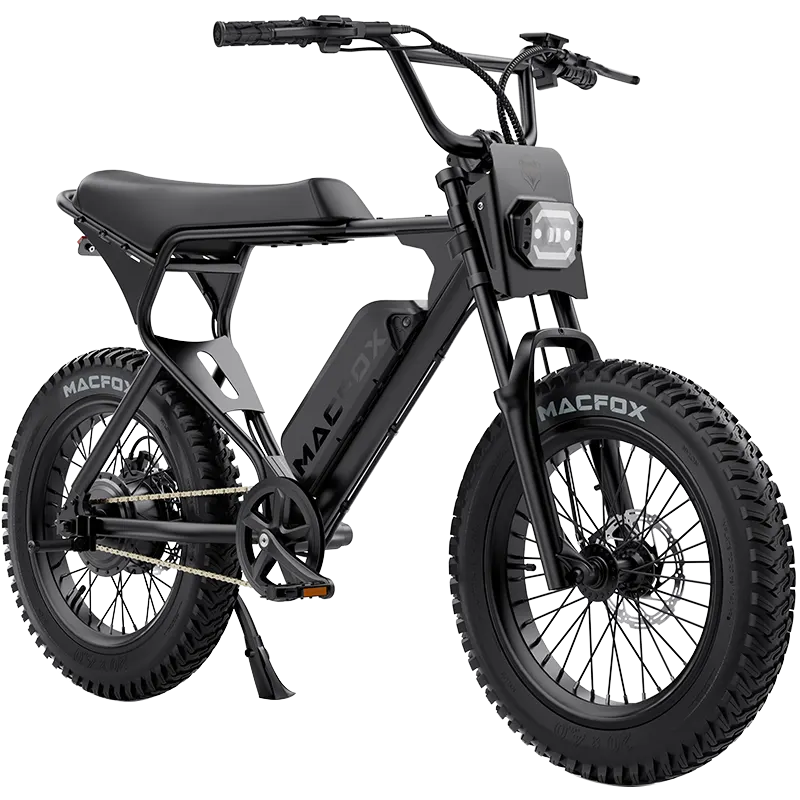

Changing an e-bike display from km/h to mph is usually a display setting, not a motor upgrade. On many displays, you enter the settings menu, find the speed unit parameter, switch the value, and save before exiting. The exact button sequence can vary by display model, but the logic is usually the same.
This guide is for riders who want the speed readout on their electric bike to match the units used where they ride. It also explains what the setting does not change: it does not unlock more speed, change the legal class of the bike, or alter the actual distance you travel.
Quick Answer: How to Change km/h to mph
| Step | What to do | What to watch for |
|---|---|---|
| 1 | Turn the bike on and enter the display settings menu. | Many displays use a long press on two buttons, such as Mode + Up or Mode + Down. |
| 2 | Find the speed unit setting. | It may appear as Unit, Speed Unit, km/h mph, or a P setting such as P02. |
| 3 | Change the value to mph. | On many displays, 0 means km/h and 1 means mph, but always follow the display manual if it differs. |
| 4 | Save and exit. | Some displays require holding the Mode button or waiting several seconds before the change is stored. |
| 5 | Restart and verify. | Check both current speed and trip/odometer units if your display changes them separately. |
If your display uses mph already and you need km/h, follow the same process in the opposite direction. The key is to save the setting before powering the bike off.
What This Setting Does and Does Not Change
A speed-unit setting only changes how the display labels and calculates the number you see. It converts the readout between kilometers per hour and miles per hour. It may also change trip distance and odometer units, depending on the display.
- It changes the displayed unit. A speed shown as 32 km/h is about 20 mph.
- It does not make the bike faster. The controller, motor, battery, and speed limits remain the same.
- It does not change legal status. A Class 2 or Class 3 label is not changed by switching units.
- It may affect how you read limits. In the United States, speed signs and many e-bike laws use mph.
If you are trying to understand legal speed categories, use the e-bike class guide. If you are comparing local limits by state, use the e-bike speed limits guide. This page only covers display units and basic setting behavior.
General Display Steps
1. Enter the settings menu
Park the bike, turn it on, and use the display buttons to enter settings. Many e-bike displays use a long press on two buttons. Common combinations include Mode + Up, Mode + Down, or holding the power/menu button for several seconds. If the display starts changing assist levels instead, release the buttons and try again from the main screen.
2. Find the speed unit parameter
Look for a setting labeled Unit, Speed Unit, km/h mph, MPH, KPH, or a numbered parameter. On some displays, the speed-unit option is often shown as P02. A common pattern is 0 for km/h and 1 for mph, but that is not universal. Display manuals and firmware versions can differ.
3. Switch the value
Use the Up or Down buttons to change the value. Do not change wheel size, voltage, speed limit, or controller-related settings while you are only trying to change units. Changing the wrong parameter can make speed readings inaccurate or affect how the bike responds.
4. Save before exiting
Most displays need a save action. That may be a long press on Mode, a short press through the remaining settings, or waiting until the display returns to the main screen. Turn the bike off and back on after saving to confirm the unit stayed changed.
When the Display Uses P Settings
Many e-bike displays group advanced options under numbered P settings. That can be confusing because the screen may not spell out mph or km/h. On some displays, the speed-unit setting is P02, with one value for km/h and another value for mph. On other displays, the same P number can mean something different. Treat the display manual and the exact screen label as more important than a generic chart found online.
| Setting type | Why it matters | Safe action |
|---|---|---|
| Speed unit | Changes the readout between km/h and mph. | This is the setting you want for unit conversion. |
| Wheel size | Affects how the display calculates speed and distance. | Do not change it unless the wheel size is wrong. |
| Speed limit | May affect controller behavior or legal compliance. | Do not use it as part of a km/h to mph change. |
| Voltage or assist behavior | Can affect how the system reads battery or responds to input. | Leave it unchanged unless support tells you otherwise. |
Before changing any numbered value, take a photo of the original screen. If the display menu is not labeled clearly, change only one value at a time and verify the result. Avoid instructions framed around speed unlocking when your goal is simply to show mph instead of km/h.
How to Confirm the Unit Changed Correctly
After saving, return to the main riding screen and look at current speed, trip distance, and odometer if those fields are visible. A display that previously showed 32 km/h should read close to 20 mph after conversion. A display that showed 45 km/h should read close to 28 mph. Small differences can happen because displays round numbers differently.
If only the current speed changed but the odometer still appears in kilometers, the display may store distance units separately. Check whether the menu has a second unit setting for trip or odometer. If it does not, the display may only convert the live speed readout.
Macfox Display Notes
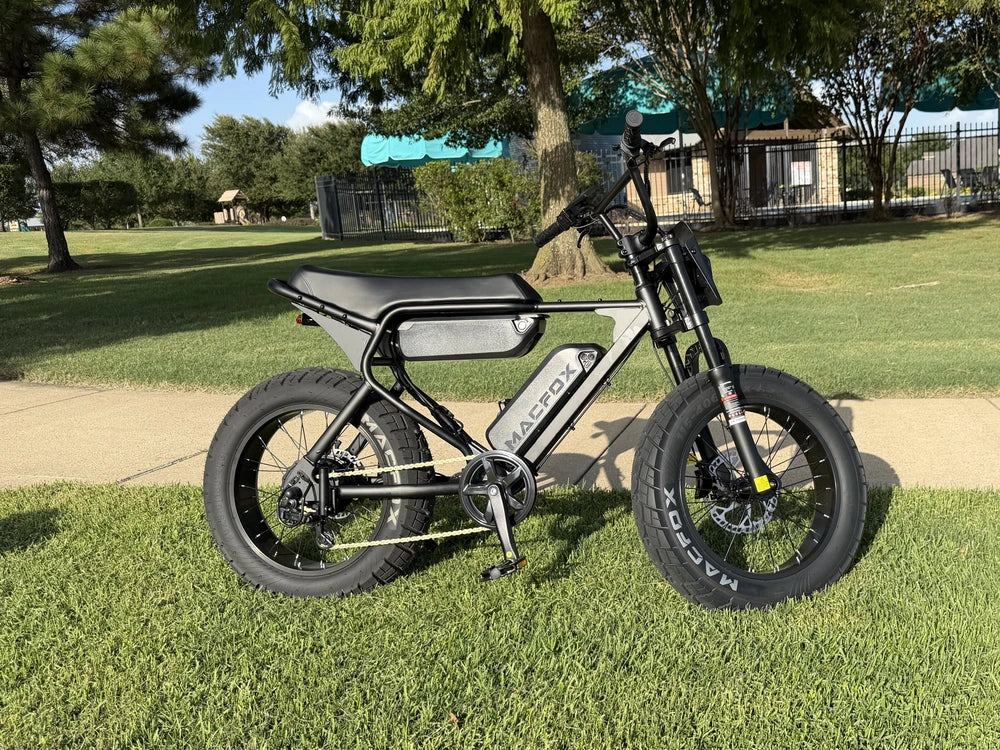
For Macfox riders, treat the unit change as a display setting rather than a speed modification. If your display menu shows numbered parameters, look for the speed unit option first and avoid changing unrelated values. If the bike shows a code or the menu behavior does not match the manual, compare it with the Macfox X1S error code guide.
If you are new to e-bike screens, the e-bike LCD display guide explains common display functions such as assist level, trip distance, battery bars, speed readout, and settings. That context can help you avoid changing the wrong display parameter.
If You Cannot Find the Speed Unit Setting
| Problem | Likely reason | Next step |
|---|---|---|
| No unit option appears | The display hides advanced settings or uses a different button combination. | Check the display model/manual and try entering settings from the main screen. |
| Only assist level changes | You are not in the settings menu yet. | Hold the correct button combination longer or restart and try again. |
| The setting is locked | Some displays restrict parameters for safety or regional compliance. | Do not force a speed-limit or controller setting while looking for unit display. |
| The display is blank or unresponsive | The issue is likely power, display, wiring, or controller communication. | Use the display troubleshooting guide instead of continuing with unit settings. |
If the Setting Does Not Save
- Repeat the save step. Some displays require a long press, not just cycling power.
- Check battery voltage. A low battery during setup can interrupt settings on some systems.
- Confirm you changed the correct parameter. Wheel size or speed-limit settings are not the same as unit settings.
- Restart and recheck. Power cycling after saving confirms whether the setting was stored.
- Look for an error or display fault. If the unit keeps reverting, there may be a display or controller communication issue.
Do not keep changing random numbered parameters to make the unit stick. If the display menu is unclear, document the current values first. A photo of each setting screen is useful if you later need support.
mph, km/h, Speed Limits, and E-Bike Classes
Unit conversion matters because riders often compare display speed with road signs, bike-lane rules, or e-bike class limits. In the U.S., those limits are usually written in mph. A display still set to km/h can make the bike look faster than it is to a rider used to mph.
| mph | Approx. km/h | Why riders notice it |
|---|---|---|
| 15 mph | 24 km/h | Common casual riding speed. |
| 20 mph | 32 km/h | Common Class 1/Class 2 assist limit. |
| 25 mph | 40 km/h | Often discussed in speed comparisons, but not a U.S. class limit. |
| 28 mph | 45 km/h | Common Class 3 assist limit where allowed. |
Changing the display unit helps you read the number correctly. It does not give permission to exceed local limits, and it does not change how the bike is classified.
FAQ
How do I change my e-bike from km/h to mph?
Enter the display settings menu, find the speed-unit option, change the value to mph, save, and restart the display to confirm. Many displays use 0 for km/h and 1 for mph, but check your model if the menu labels differ.
How do I change mph back to km/h?
Use the same menu and reverse the unit value. If 1 is mph and 0 is km/h on your display, change the value back to 0, save, and restart.
Will changing km/h to mph unlock my e-bike speed?
No. It only changes the displayed unit. It does not change the motor, controller, speed limiter, legal class, or actual top speed.
Why does my display still show km/h after I changed it?
The setting may not have been saved, the wrong parameter may have been changed, or the display may restrict that menu. Repeat the save step and confirm the display manual before changing other settings.
Does the odometer also change from kilometers to miles?
Often yes, but it depends on the display. Some screens change speed and distance together, while others handle trip distance, odometer, and current speed separately.
Bottom Line
Changing an e-bike display from km/h to mph is a unit setting, not a performance modification. Find the speed-unit parameter, switch it carefully, save before exiting, and avoid changing unrelated controller or speed-limit values. If the menu is missing, the setting will not save, or the display acts abnormally, troubleshoot the display before making more changes.