
A replacement derailleur can have the same advertised speed count as the old one and still be incompatible with the shifter. Before continuing to adjust cable tension, confirm the exact shifter and derailleur pairing. If they use different cable-pull relationships, a barrel adjuster cannot make them index correctly across the cassette. This applies to cable-operated indexed shifting, not electronic shifting or an internal-gear hub.
Match the shifter to the derailleur, not just the cassette

The shifter releases or pulls a set amount of cable with each click. The derailleur converts that cable movement into sideways movement. That movement needs to match the spacing between the cassette's sprockets.
The speed count alone does not describe all of those relationships. Two parts sold for the same number of gears can belong to different shifting systems. A long cage, matching color, or familiar brand name does not settle the pairing either.
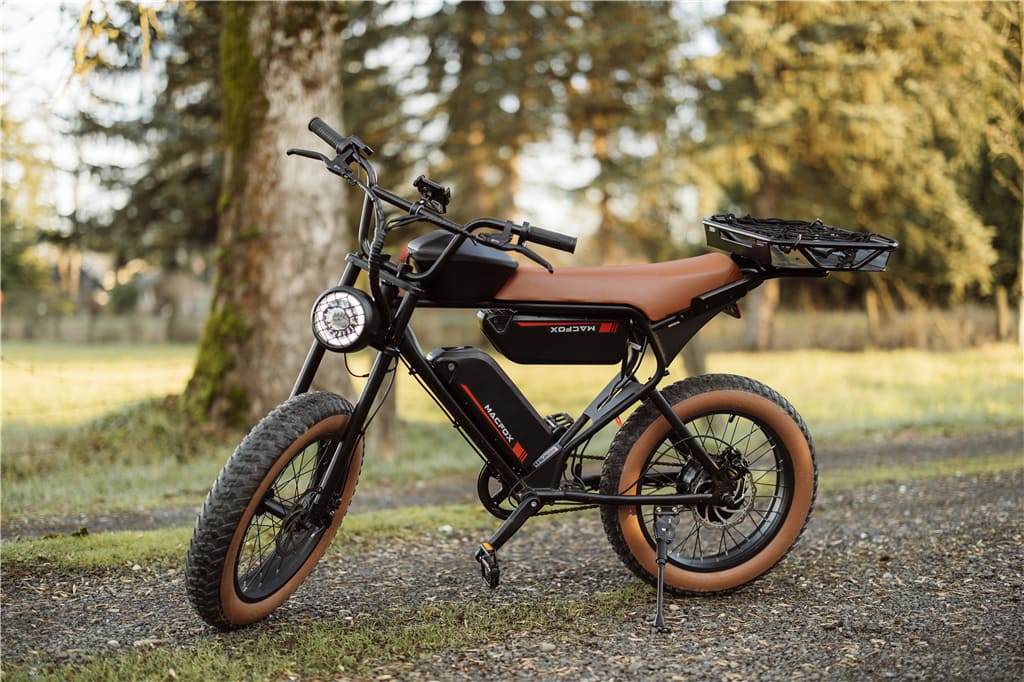
For an electric bike with replacement drivetrain parts, record the identifiers on the installed shifter and derailleur. Include the cassette details and any generation or cage designation on the packaging. Ask for compatibility of those exact parts, not simply whether both are "the same speed."
Keep the old derailleur's identifier if available. It gives the supplier a useful comparison without requiring you to guess the original actuation system.
Treat uneven indexing as a clue, not a verdict
Suppose an adjustment makes the middle gears seem acceptable, but the chain will not line up consistently toward the ends of the cassette. After a derailleur swap, that pattern is a reason to check the pairing before making another round of adjustments.
It is not proof of incompatibility. A bent hanger, cable friction, or an installation problem can also spoil indexing. The important distinction is whether the new parts are known to work together before ordinary adjustment begins.
Cable tension changes the starting alignment; it does not change an incompatible shifter's movement per click. Limit screws restrict the derailleur's travel at the ends. Moving them cannot correct the wrong relationship between clicks and intermediate gears.
Do not force shifts, keep turning screws without a baseline, or test a questionable setup under motor load. If the chain or derailleur threatens to contact the spokes, stop using the bike and have the installation checked.
Decide whether the next job is a part swap or an adjustment
If the pairing is incompatible, choose a replacement confirmed to work with the retained components. Do not buy a whole new drivetrain just because one part was wrong; first establish which component needs changing.
If compatibility is unclear, send the part identifiers and purchase information to the supplier or installer. Ask for the supported combination in writing before spending more time adjusting it.
If the pairing is confirmed, move on to the ordinary shifting checks, including cable condition and installation. That order keeps two different jobs separate: selecting parts that can work together, then adjusting those parts correctly.