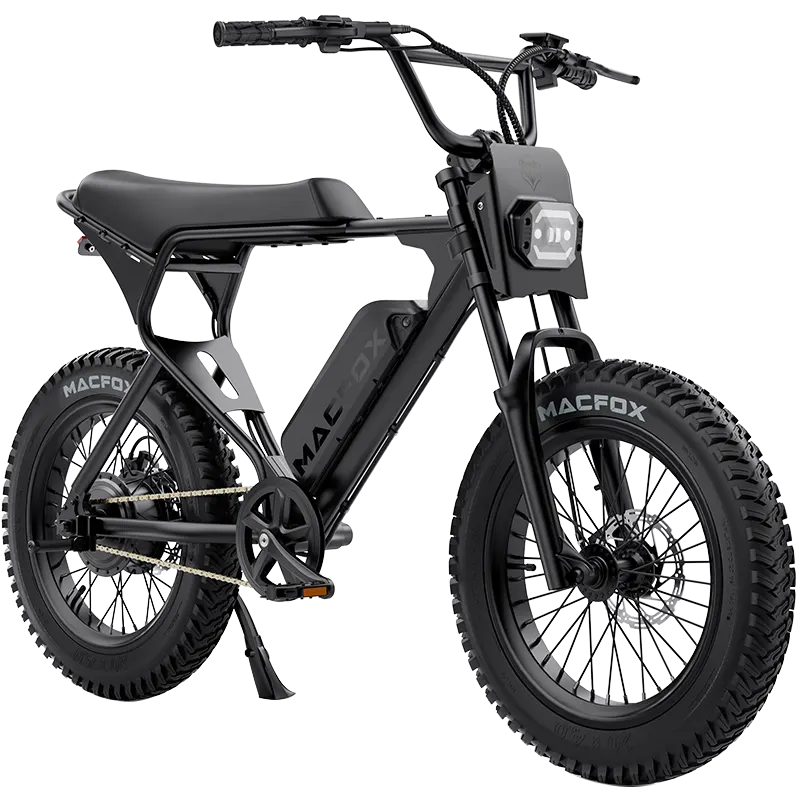

A replacement e-bike headlight that flashes once and then stays dark may be tripping its protected power output during startup, even if its normal running power looks acceptable. That is one possible cause, not proof that the lamp or controller has failed. Stop repeatedly switching it on and confirm that the lamp is approved for the bike's actual lighting output.
Note what else happens when the light goes out

Describe the flash you have already seen. Does the lamp briefly illuminate at switch-on and stay off afterward? Does it keep blinking? Does the display also restart, or does only the light stop working?
Those are different symptoms. A continuing blink may involve the lamp's operating mode or a different fault. A whole-bike restart needs a wider electrical check. Do not keep cycling the switch to decide whether the pattern is "consistent enough."
If the lamp never lights at all, or the problem is unrelated to replacing it, start with the broader headlight troubleshooting checks. Keep the brief-startup-flash detail in any service request; "light not working" leaves out the most useful clue.
Running power does not describe startup
Some lamps draw a short burst of current when first energized. On a protected output, that startup demand can trigger protection before the lamp settles into its normal operating demand. A low running-wattage label therefore does not settle every compatibility question.
This mechanism applies only where the bike supplies the lamp through a protected output capable of reacting that way. A self-powered light or a different electrical arrangement needs its own troubleshooting route.
The lighting connector on an electric bike is not necessarily a general-purpose accessory socket. Confirm its specified supply voltage, connection requirements, and supported lamp arrangement. A matching plug shape does not establish the electrical match.
Nor does one successful flash prove compatibility. It only tells you that the lamp briefly illuminated. Do not use that moment as permission to ignore an unknown input rating, connection arrangement, or startup requirement.
Confirm the lamp and outlet as a pair
Gather the replacement lamp's identifying information, its electrical specifications, and the bike's lighting-output requirements. Include the previous lamp's details if you still have them. Ask the bike or component supplier to confirm the exact pairing, including startup behavior where relevant.
If those details are unavailable, return to a manufacturer-approved lighting option or have a qualified e-bike technician identify the appropriate replacement. A guess based on similar wattage is not the missing approval.
Do not bypass protection, fit a larger fuse, wire the lamp directly to the battery, or alter the lamp's electronics to stop the shutdown. Those changes create a different electrical installation rather than verifying the intended one.
Leave a damaged or overheating installation unused and arrange service. Until the lighting works reliably, do not depend on it for a night ride. The goal is a confirmed lamp-and-output combination, not a lamp that can be persuaded to stay on once.