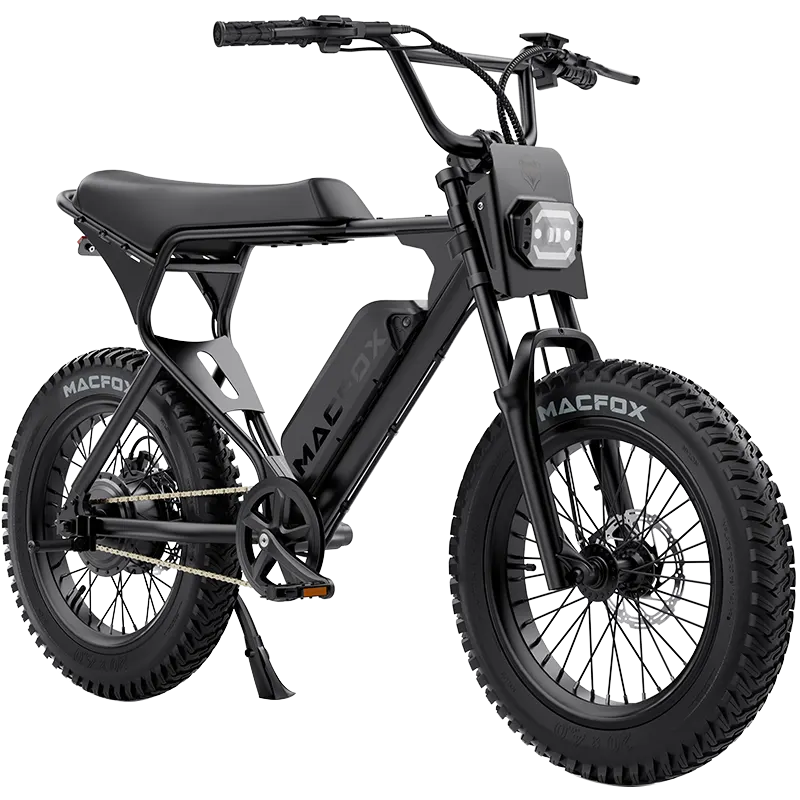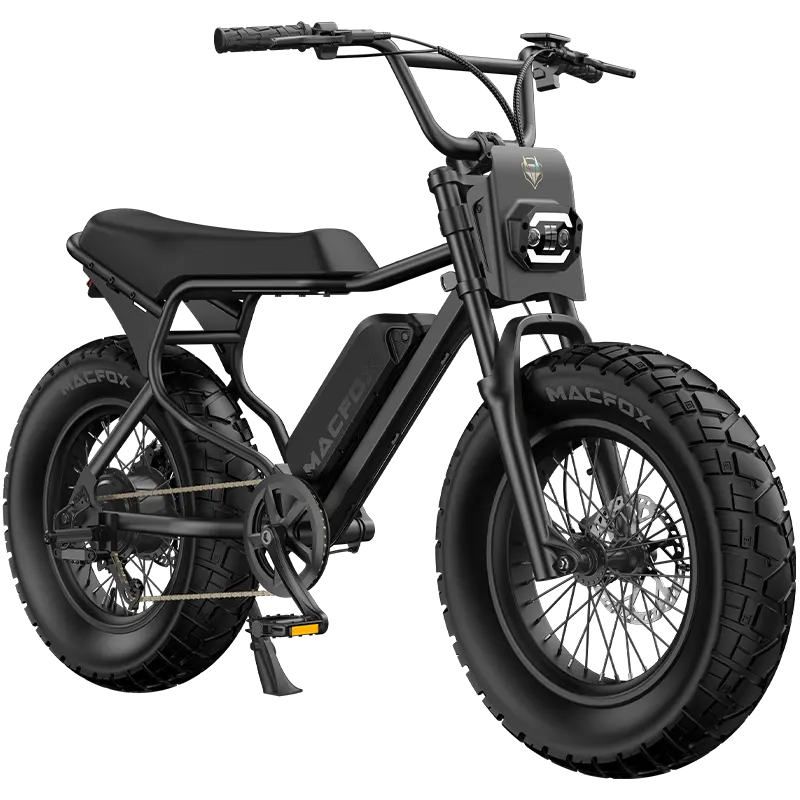

If an e-bike listing does not show its class, do not guess from the frame shape, marketing name, or peak wattage. Before paying, ask the seller in writing to confirm the exact U.S. model, manufacturer class, rated motor power, pedal-assist cutoff, throttle behavior, matching manual, and original frame label. If the listing, manual, label, and support answer do not agree, pause the purchase.
A missing line is not automatic proof of a bad bike. What matters is whether the seller can connect one specific bike to consistent documents and operating facts.
First Decide Whether One Label or the Whole Story Is Missing
Sometimes a marketing page omits the class while the correct manual and manufacturer label make the configuration clear. The larger warning is a listing that avoids the class, assisted-speed limits, throttle behavior, and rated power together.
Any document the seller sends must match the model, version, and sales market. A manual for a similar-looking bike is not enough. If the specifications leave you unsure whether it is an e-bike or an e-moto, use this e-bike vs. e-moto buying check before assigning a class.

Ask Support for Five Specific Details
A broad question such as "Is this legal where I live?" invites a vague answer. Ask instead for:
- The manufacturer's class for the exact U.S. model.
- Rated or continuous motor power, and whether a larger number is peak power.
- The speed at which pedal assistance stops.
- Whether the throttle works without pedaling and when its assistance stops.
- The matching manual and a photo and location of the original frame label.
Keep the response in writing. Support should identify the bike and how its assistance system operates, not guess how every local rule applies.
Cross-Check the Listing, Manual, and Frame Label
Put the three sources side by side. The model, market, rated power, assisted-speed limits, and throttle description should agree. Watch for a manual covering several versions without identifying the one being sold.
Save a dated screenshot of the listing and written response. A replacement sticker does not resolve conflicting specifications or turn uncertain documentation into manufacturer evidence.
Match the Verified Facts to the Rules Where You Will Ride
Some states using the three-class system require a manufacturer label identifying class, maximum assisted speed, and motor wattage. Federal consumer-product definitions do not replace state or local use rules.
Once the configuration is clear, check official rules for the state, city, campus, park, or trail. First verify how the bike works, then compare those facts with the rules for your route.
Pause the Purchase When the Evidence Does Not Line Up
Stop if the seller cannot provide a matching manual or label photo, promotes only peak power, combines throttle and pedal-assist limits into one unexplained top speed, or changes specifications between the listing and support reply.
Also pause if an unlock, race, or off-road mode is not clearly separated from the default configuration. "Nobody checks" is not product documentation. Continue only when the bike, documents, and operating behavior agree. Otherwise, compare electric bikes with clear model information.
FAQ
Can 750W alone determine an e-bike's class?
No. Wattage is only one part. Assistance method, pedal-assist cutoff, throttle behavior, and the applicable local definition also matter.
Does a missing class label always mean I should not buy the bike?
No, but pause if the seller cannot provide matching manufacturer documents or your riding area requires a label. An unsupported verbal answer is not enough.
Can I add my own class sticker?
A sticker is not proof. The label must match the bike's operation, manufacturer documents, and applicable rules.