
According to a Grand View Research report, the U.S. electric bicycle market has expanded significantly in recent years: the market size was approximately $1.98 billion in 2022 and is projected to grow at a CAGR (compound annual growth rate) of approximately 15.6% from 2023 to 2030, reaching approximately $7.16 billion by 2030. As the market matures, consumer demand for electric bicycles is no longer limited to short commutes and recreational riding, but now encompasses a wider range of uses. However, choosing the right electric bicycle involves more than just considering the brand and appearance; multiple influencing factors need to be taken into account.
Factors Influencing the Choice of Electric Bike
Whether or not to choose an electric bike is mainly influenced by geographical location, budget and long-term investment, as well as local regulations and laws.
Firstly, most cities have already established well-developed bicycle and public bike systems, such as in cities like San Francisco, New York, and Los Angeles, where electric bikes are the ideal choice for urban commuting. They effectively avoid traffic congestion and improve travel efficiency. For users living in areas with complex terrain, fat tire electric bikes can also help tackle long rides and steep slopes. Secondly, mid-range electric bikes, priced between $1,500 and $2,500, are suitable for most consumers. Compared to traditional cars, the operating costs (such as fuel and parking fees) of electric bikes are much lower, making them a cost-effective option in the long run.
Currently, most states in the U.S. have adopted a three-class system for electric bike classification:
-
Class 1 electric bikes provide pedal assistance with a maximum speed of 20 mph (32 km/h), suitable for most bike lanes.
-
Class 2 electric bikes also provide pedal assistance, but can be controlled by a throttle, with a maximum speed of 20 mph (32 km/h).
-
Class 3 electric bikes only provide pedal assistance with a maximum speed of 28 mph (45 km/h), usually requiring riders to wear helmets and imposing certain usage restrictions in some areas.
Thus, due to regulatory restrictions, your choice of electric bike cannot exceed a maximum speed of 28 mph and 750W power, or it will not be classified as an electric bike.
A total of 36 states and the District of Columbia follow the three-class system for classifying electric bicycles. These states include: Alabama, Arizona, Arkansas, California, Colorado, Connecticut, Delaware, Florida, Georgia, Idaho, Illinois, Indiana, Iowa, Louisiana, Maine, Maryland, Michigan, Minnesota, Mississippi, Missouri, Nevada, New Hampshire, New York, North Dakota, Ohio, Oklahoma, Oregon, South Dakota, Tennessee, Texas, Utah, Vermont, Virginia, Washington, West Virginia, Wisconsin, and Wyoming.
However, some states do not adopt the three-class system. For example, New Jersey will classify electric bikes as motorized bicycles starting in 2026 and will no longer manage them based on the Class 1/2/3 system. Therefore, before purchasing or using an electric bike, it is advisable to consult and confirm the latest legal regulations in your state and locality to ensure the bike complies with local laws and is safe and legal to ride.
6 Different Types of Electric Bikes

The following classifications of electric bikes are based on the design of the bike, aiming to help users quickly understand the characteristics of each type of electric bike according to frame design, functional combinations, and applicable scenarios. This will allow you to easily choose the type of electric bike that best suits your needs.
1. Fat Tire Electric Bike
The tire size of this type of electric bike ranges from 4.0 to 5.0 inches, allowing riders to better adapt to complex terrains such as sand, dirt roads, or snow. The larger tire contact area provides better traction and shock absorption, ensuring a smooth riding experience on uneven surfaces. The frame design is typically sturdy and stable, capable of supporting higher weights. The electric system usually features a medium to high-power motor (500W-750W), providing sufficient power to handle various road conditions, making it suitable for off-road or long-distance riding.
2. High-Step Electric Bike
High-step electric bikes have a more upright frame design with a higher top tube, offering better rigidity and stability, ideal for riders seeking a more athletic riding experience. Due to the higher frame, these bikes are typically better suited for taller riders, providing better support and handling. The riding posture is more sport-oriented, and riders are required to maintain a lower position to improve riding efficiency. Overall, high-step electric bikes are more suitable for those who enjoy a sporty feel, stability, and higher handling performance.
3. Step-through Electric Bike
This type of electric bike features a low horizontal crossbar, making it easy to get on and off. The design is simple and comfortable, often paired with front suspension or comfortable seats, providing a pleasant riding experience. Due to the lower frame design, it is lightweight and easy to mount, typically powered by a 250W medium-power motor, making it ideal for short city commutes.
4. Folding Electric Bike
The folding electric bike has a foldable frame in the middle, making it easy to store and carry. Due to the need for a folding frame, it typically features a smaller battery and lower range than regular electric bikes—usually under 100 km. It generally does not have cargo capabilities but can be folded in about 5 seconds for easy storage when not in use.
5. Mini Electric Bike
The mini electric bike features a compact frame design, making it small and agile for quick turns and easy handling. It is usually equipped with a small battery and lightweight wheels, making the entire bike more portable, perfect for weaving through urban streets. There are two types of mini electric bikes on the market:
One with a small frame, suitable for short-distance commuting and quick maneuvers. It is very lightweight and easy to store, making it ideal for users who live in apartments or areas with limited space. Equipped with a comfortable seat and small battery, it is perfect for casual rides or quick transportation.
Another with wide tires, featuring a powerful electric assist system, wide tires, and a suspension system. This type is ideal for riding on sand, snow, and other rugged terrains. It offers better speed and climbing ability, allowing riders to easily tackle off-road challenges.
6. Long-tail Electric Bike
Long-tail electric bikes typically come with a rear cargo rack about 60-80 cm long, larger batteries, and a 500W or higher motor, enabling them to carry loads of up to 200 kg or more. The rear seat is equipped with a reinforced rack or seat, making it easier to transport goods or carry children. These bikes usually have longer battery life, making them suitable for long-distance rides.
How to Choose the Right Electric Bike
As mentioned earlier, you’ve learned about the features of different bike models and the scenarios they are suited for. Now, it’s important to note that regulations regarding electric bikes vary by state and city. When choosing an electric bike, riders should be aware of local regulations, including assistive power limits, areas of use, and whether special licenses or registration are required (typically, Class 1 and Class 2 electric bikes do not require licenses or registration).
If this is your first bike, the best approach is to start by test-riding different models to experience the ride firsthand. During the test ride, you can assess the comfort of the frame design, stability while riding, and the performance of the motor system, especially the electric assist effect. If you live in a busy city and frequently need to carry your electric bike on public transport, a folding model may be more suitable. If you have long commutes or often ride on complex terrain, a fat tire electric bike could be a better choice. Test riding will help you understand how well different models suit your needs, particularly the comfort differences between step-through and high-step frames, as well as the weight and handling of the bike. If possible, choose a shop that allows you to test ride across different terrains, as this will help you better assess how the bike performs on city streets, mountain paths, or uneven ground.
Additionally, avoid focusing solely on the power of the electric system, as comfort, stability, and safety are equally important factors. Ensure that the bike complies with local regulations and choose a system with safety certifications, such as UL certification, to avoid using poor-quality, uncertified products, ensuring your safety. Finally, make sure the bike comes with reliable after-sales service and warranty policies so that you can resolve any issues that may arise in the future.
2 Essential Accessories You Can't Ignore
Helmet – Protect Your Personal Safety
This is a must-have when you start your ride. Wearing a helmet while riding is not only crucial for safety but also a legal requirement in many states and regions. Whether for city commuting or long-distance riding, a helmet significantly reduces the risk of head injury. It is important to choose a helmet that meets CPSC (Consumer Product Safety Commission) certification standards to ensure adequate protection in the event of an accident. In addition to safety, comfort and ventilation are also important factors to consider when selecting a helmet.
Lock – Protect Your Bike's Safety
Choosing a high-quality lock is essential to prevent theft. Made from reinforced steel, U-locks are much harder to cut or pry open compared to regular cable locks. It is recommended to choose products with anti-pick ratings (such as Sold Secure Gold or ART certification), as these ratings are based on strict industry testing standards. When locking your electric bike, make sure to secure it to a sturdy object (such as a bike rack or light pole), and lock both the frame and wheels, not just the tires. This will help prevent the entire bike or individual wheels from being stolen more effectively.
Budget, Sale, and Sustainability Checks Before You Buy
A cheap electric bike is only a good deal if the core parts still match your daily use. Before choosing a sale model, check battery capacity, motor output, brake type, tire size, warranty support, and whether replacement parts are easy to get. A very low price can become expensive if the bike lacks range, uses weak brakes, or cannot support the rider and cargo weight you need.
For sustainability, compare the e-bike against the short car trips it can realistically replace. The strongest carbon-saving value usually comes from routine errands, school runs, and work commutes, not occasional recreational rides. A practical buyer guide should therefore weigh both purchase price and long-term use: range, comfort, serviceability, and how often the bike can replace a car trip.
FAQ
-
How much are electric bikes?
Prices vary depending on brand, model, features, and battery capacity. Generally, the price range is between $600 and $4,000 USD. Entry-level electric bikes are priced around $600-$1,500, while mid-to-high-end electric bikes can range from $2,500-$4,000, offering better battery range and higher performance. -
Where to buy electric bikes near me?
You can purchase electric bikes at local bike shops, stores specializing in electric bikes, or large retail stores. Alternatively, you can use the dealer map on electric bike brand websites to find stores near you. -
How fast do electric bikes go?
The maximum speed of electric bikes typically ranges from 20 to 28 mph (32 to 45 km/h). Class 1 and Class 2 electric bikes have a maximum speed of 20 mph (32 km/h), while Class 3 electric bikes can reach 28 mph (45 km/h). -
Where can I buy an electric bike?
Electric bikes can be purchased through various channels, including online retailers (such as Amazon, eBay), specialized electric bike shops, and ebike brand websites. You can also visit local bike shops or electric bike stores where you can test ride the bikes. -
Are electric bikes waterproof?
Most electric bikes have an IP54 water resistance rating, especially for the battery and electric system. Electric bikes can typically withstand light rain or moisture, but they are not completely waterproof. It’s advisable to avoid riding in heavy rain or through deep water for prolonged periods.
Advice for Readers Choosing an Electric Bike

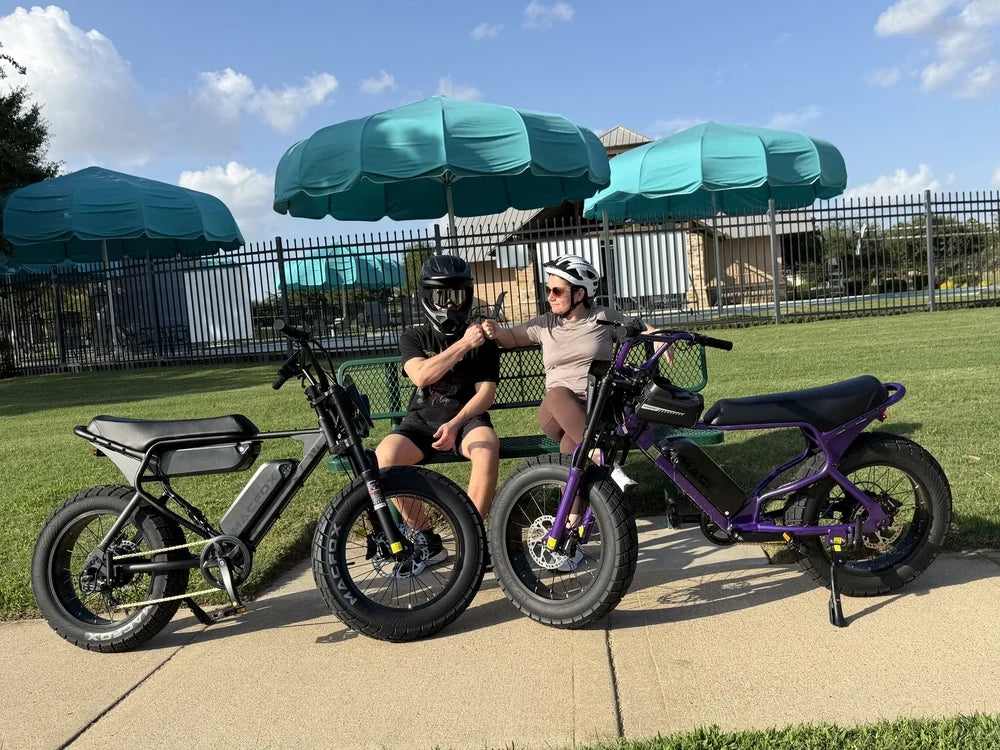
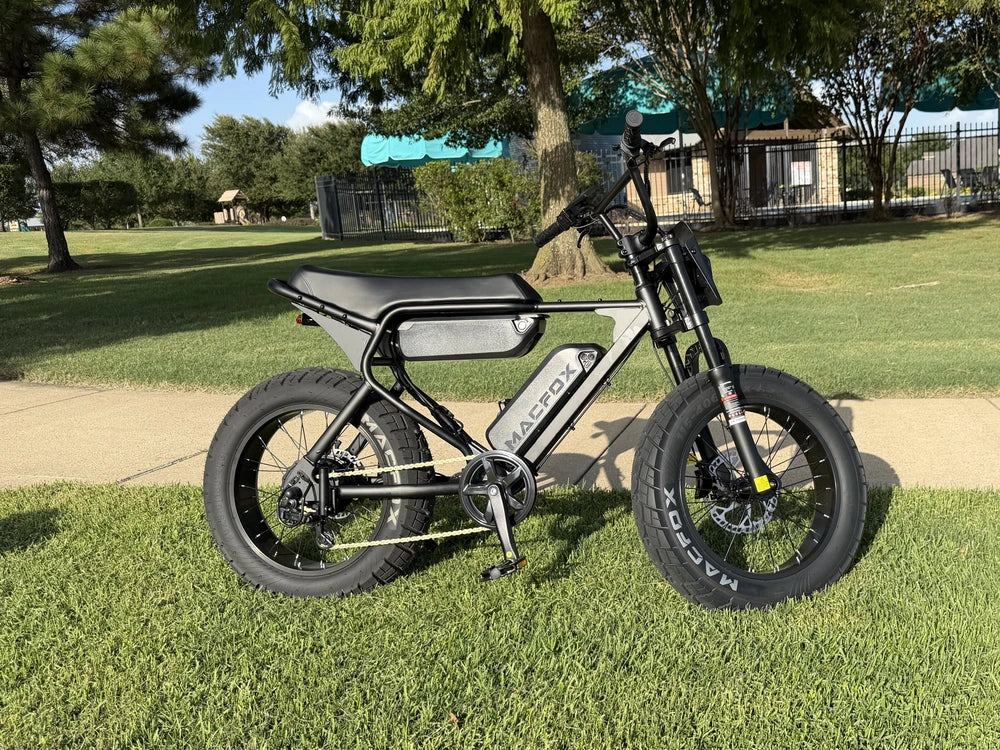
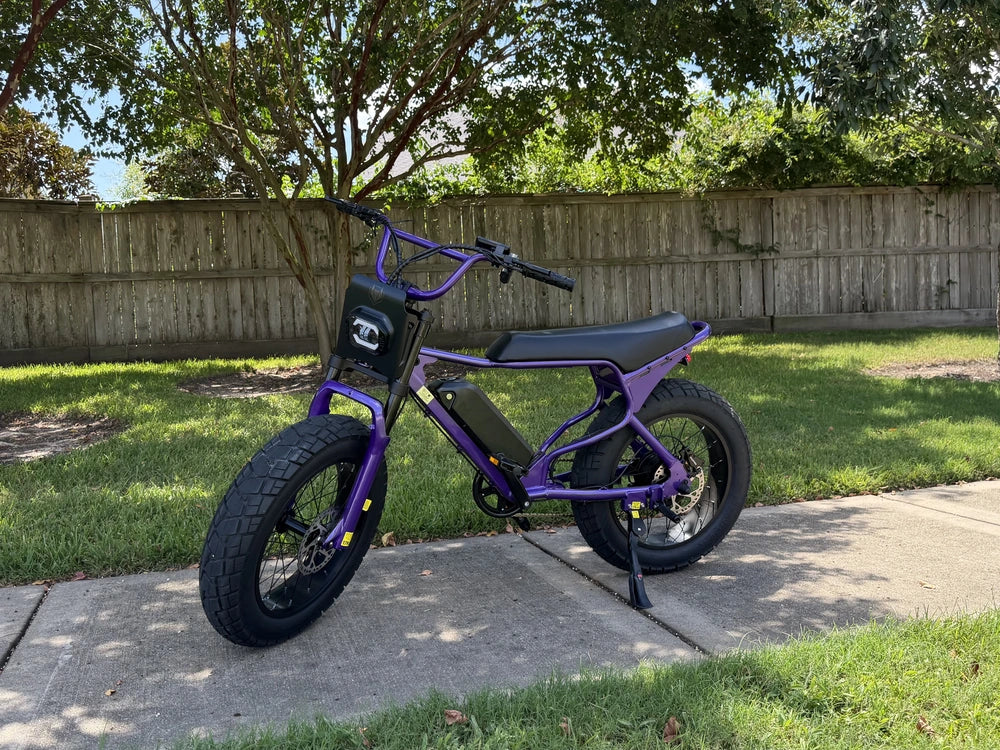
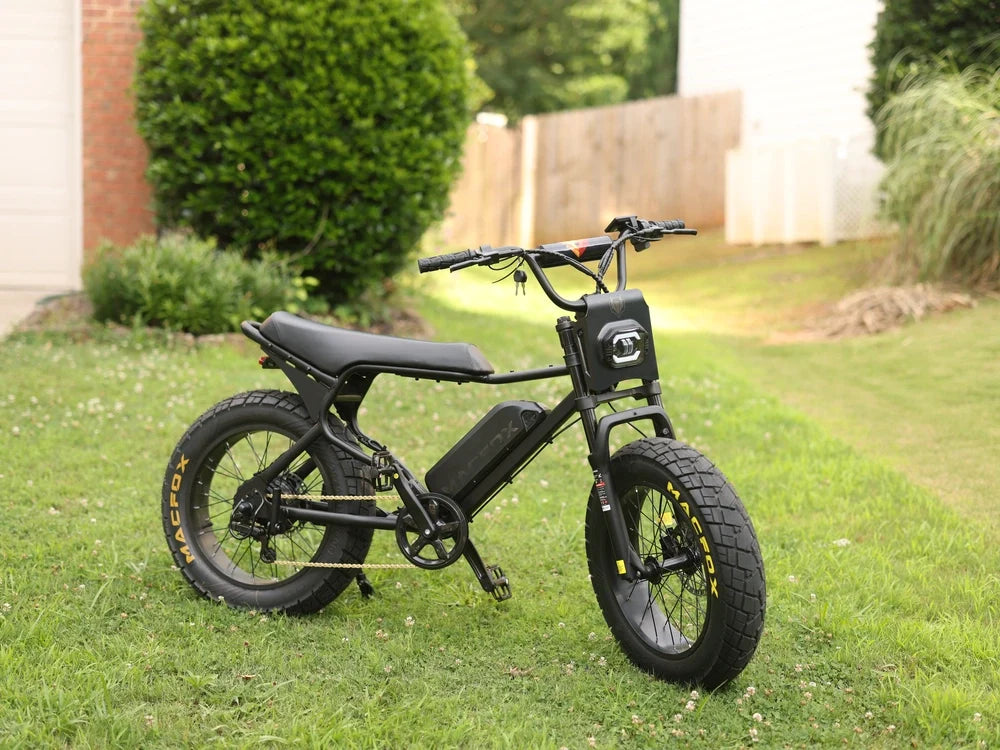
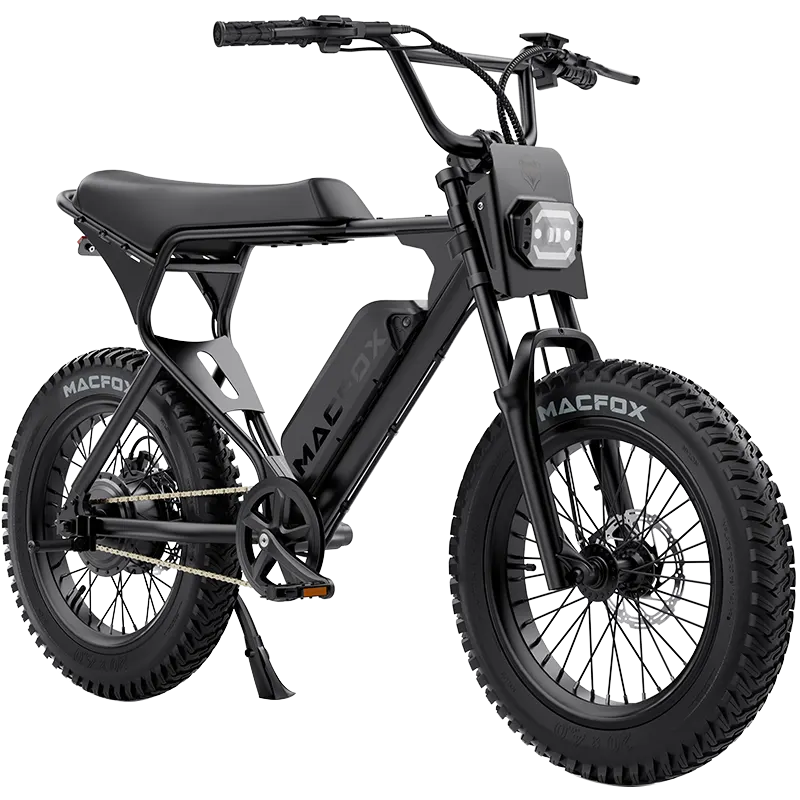
The Macfox electric bike is designed for riders who seek high performance and safety. Each model is UL-certified, ensuring the battery and electric system meet strict international safety standards. Equipped with 4-inch or larger fat tires, it provides superior traction and stability, making it easy to ride on both city streets and rugged terrain. Its compact frame design makes it especially suitable for riders who need agile control for urban commuting or exploration of complex terrains.
The adjustable thumb throttle allows riders to easily detach and install it on the other side. This design is particularly useful for riders who have different hand preferences. Whether using the left or right hand for control, the throttle can be adjusted according to personal preference, ensuring the most comfortable control experience while maintaining precise speed control, further enhancing the flexibility and convenience of the ride.