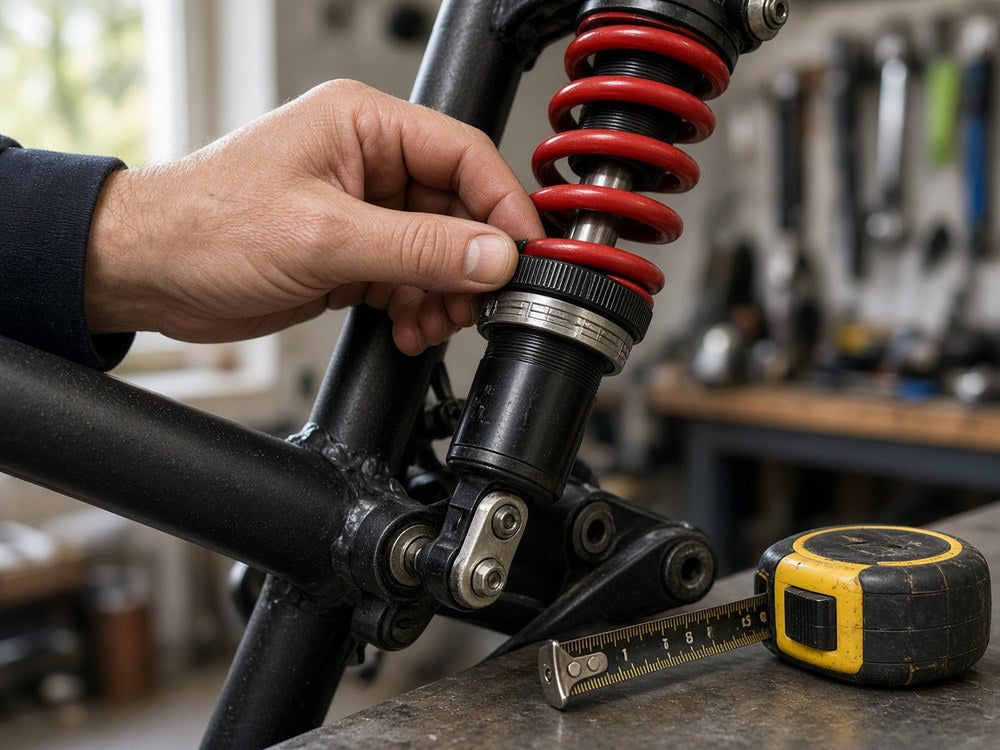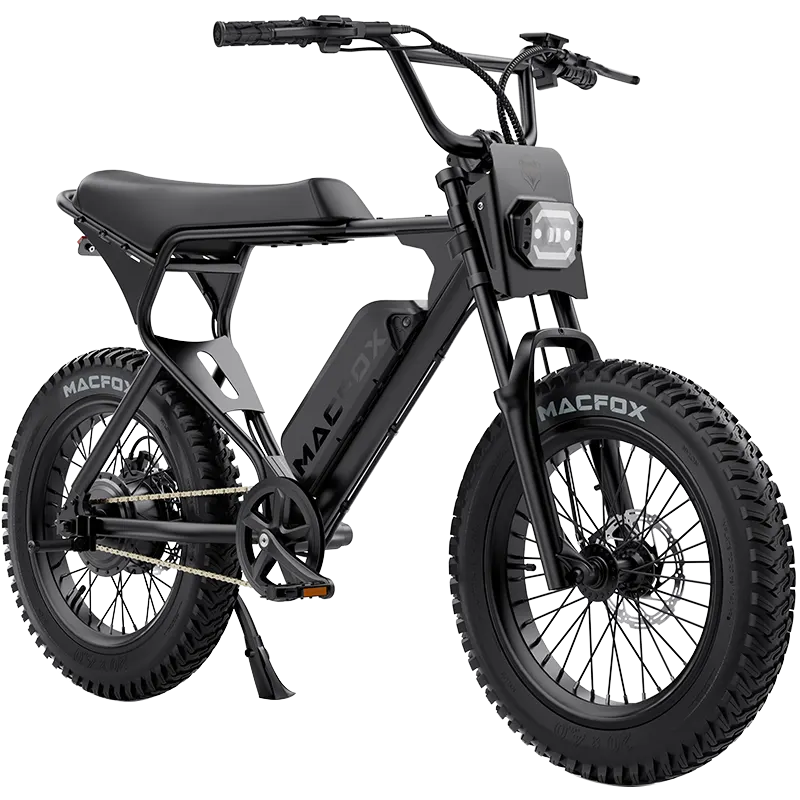

If an e-bike wheel starts rubbing immediately after it was removed and reinstalled, do not ride through the resistance to see whether it disappears. Turn the bike off, support it securely if you can do so safely, and rotate the affected wheel by hand to locate the contact.
The sound does not identify the cause by itself. The wheel may be seated incorrectly, the brake rotor may be contacting a pad, the tire may be touching the frame or fender, or a part may have shifted during reinstallation.
Identify What Is Touching Before Adjusting Anything
Watch the wheel from the front or rear while turning it slowly. A light metallic scrape near the brake points you toward the rotor and pad area. A softer rubbing sound may come from the tire touching a fender, fork, chainstay, or cable. Contact that appears once per revolution may indicate one section is closer than the rest.
Use what you can see as well as what you hear. Remove only debris that lifts away without tools, and check whether a fender or guard was bumped toward the tire. Do not assume every metallic sound requires a brake adjustment.

Check Wheel Seating Before Brake Alignment
Look at where the axle meets the fork or frame on both sides. The wheel should sit fully and evenly in the intended mounting position, with the required axle parts installed in the order shown by the model's manual. If the wheel is tilted or one side is not fully seated, correcting brake alignment first can hide the actual installation problem.
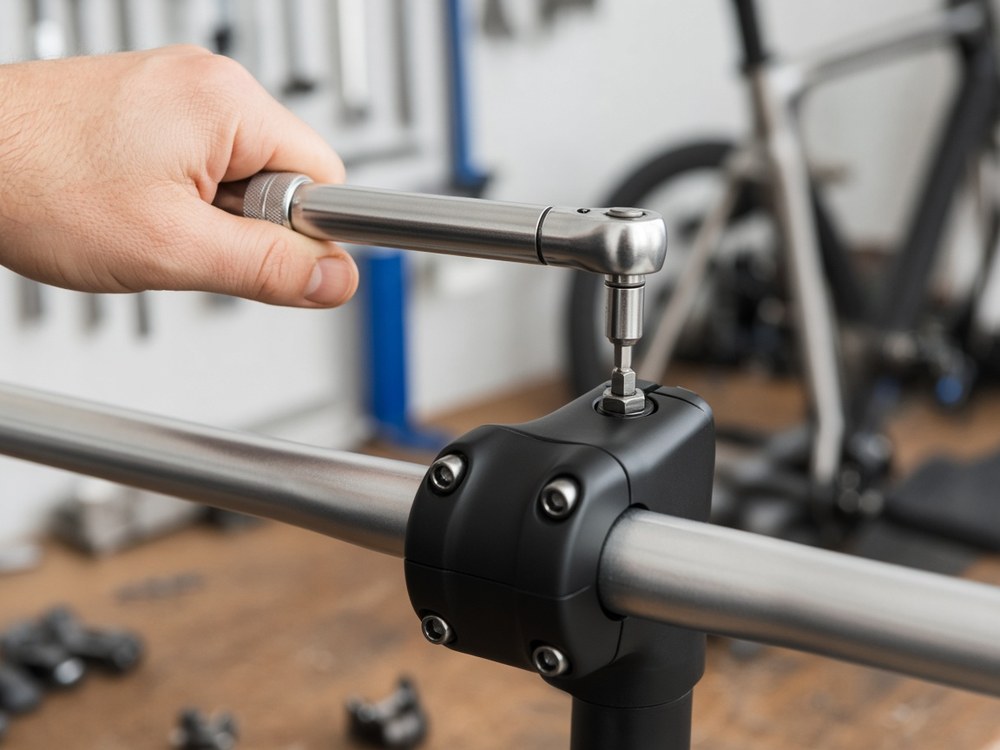
Wheel-retention systems differ across electric bikes. Follow the manual for the exact axle, washers, release lever, or fasteners on your model, including its tightening instructions. Do not substitute a generic torque value.
On a hub-motor wheel, also check that the motor cable is not twisted, pinched, sharply bent, or pulled tight. Stop if the cable position changed during the wheel installation.
Stop Riding When the Wheel or Brake Is Not Secure
Do not ride if the wheel is loose, tilted, shifting sideways, or contacting the frame; if axle hardware is missing or will not seat correctly; if a motor cable is under tension; or if the brake lever or stopping action feels different. These are not problems to test at road speed.
If the wheel is secure and the only remaining issue is slight rotor contact, use the manufacturer's brake instructions or ask a qualified technician to inspect it. Do not bend the rotor by hand. Rotor or caliper correction, wheel truing, and hub-motor disassembly are outside a basic post-installation check.
Record the Problem Before Contacting Support
Note whether it is the front or rear wheel, why the wheel was removed, what changed during reinstallation, and whether the rub is continuous or repeats once per revolution. Record one short video that shows the wheel turning, the contact area, and the axle position without running the motor.
Use Macfox's guide to document an e-bike problem before contacting support so the first message includes the model, visible symptom, recent work, and useful photos.
FAQ
Is a little disc-brake rubbing normal after reinstalling a wheel?
A faint contact sound can happen when wheel position changes, but a new or persistent rub still deserves a check. Confirm that the wheel is fully seated before considering any brake adjustment.
Can I bend the rotor by hand to stop the rubbing?
No. Rotor correction is precision brake work. If the wheel is seated correctly and the rotor still rubs, follow the brake manufacturer's service instructions or use a qualified technician.