
An e-bike rear cargo rack rating applies to that exact rack under its approved installation conditions. It is not extra weight added on top of the bike's other limits. The lowest applicable limit in the complete setup controls your usable cargo allowance.
First confirm the rating is for a rack mounted on the bike. A hitch or roof rack carries the bike on a vehicle and uses different limits. If that is your equipment, use the e-bike hitch rack weight guide.
Match the Rating to the Exact Rack
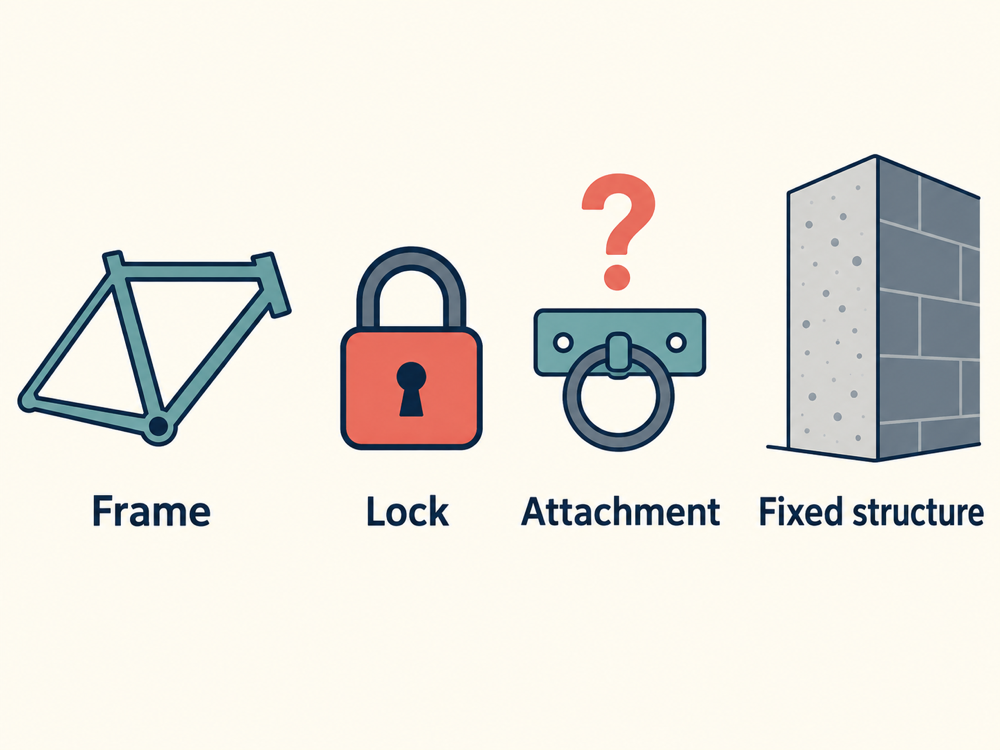
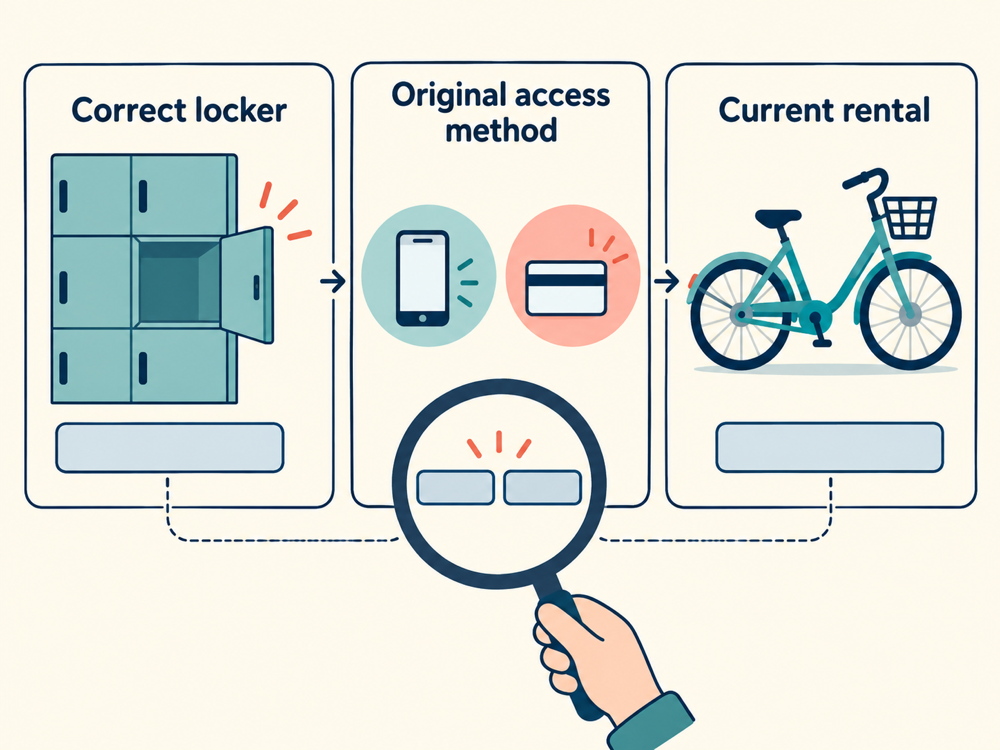
Find the rack's exact model on its label, manual, or official listing. Do not borrow a rating from a similar-looking rack. Then confirm that the stated limit applies to the mounting points, hardware, and installation method used on your bike.

Check the Four Limits in the Same Setup
- Rack limit: the maximum load assigned to that exact rear rack.
- Mounting limit: any restriction for the rack hardware, frame attachment points, or adapter.
- Bike limit: the bike maker's approved load and accessory instructions.
- Total-load limit: the remaining capacity after the rider and everything else counted by the bike manual are included.
The lowest applicable number controls. A strong rack cannot increase a lower frame, mounting-point, or total-load limit. Rear-rack ratings also vary across electric bikes, so the number from another model is not a safe substitute.
Read how the bike manual defines total load. One manual may count the rider, cargo, and accessories, while another may define gross vehicle weight to include the bike and battery as well. Use the exact definition provided for your bike rather than applying a universal subtraction formula.
Count the Whole Load and Place It Carefully
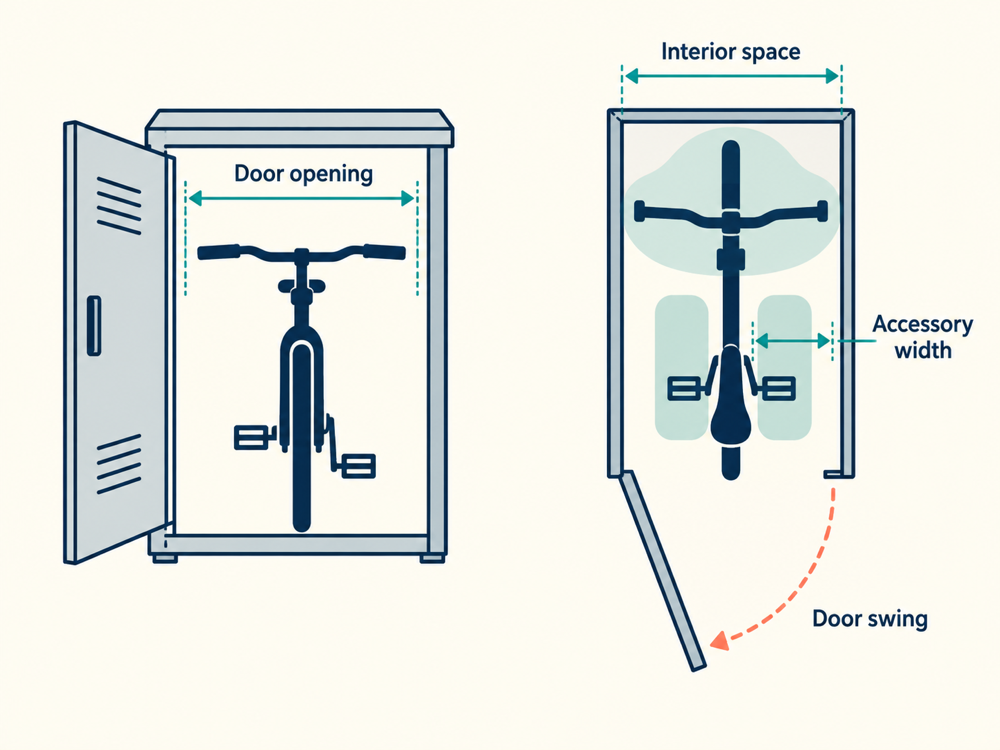
Count every item supported by the rack unless the manufacturer says otherwise: panniers, basket or crate, straps, lock, and cargo.
Keep dense items low, close to the bike's centerline, and balanced from side to side. Secure the load so it cannot slide, swing into the wheel, cover a light, touch the brake area, or interfere with pedaling. Two loads with the same weight can affect control differently when one is tall, loose, or concentrated on one side.
Do Not Treat a Cargo Rating as Passenger Approval
A cargo number alone does not approve a passenger or child seat. Those uses require an explicitly compatible bike, rack, seat, mounting system, and manufacturer instruction. Confirm the intended use, not just the weight; if the instructions do not approve the setup, do not use the rating as permission.
What to Do When the Rating Is Missing
Do not guess from size or appearance. Check the exact rack label, instructions, bike manual, mounting method, and official accessory information. If the limit or compatibility still is not clear, ask the bike or rack manufacturer before loading it.
Once the limits are confirmed, use the e-bike grocery carrying guide to choose between a backpack, basket, panniers, rack, or crate for the actual trip. The rating tells you the ceiling; the route and load shape determine whether the setup is practical.
FAQ
Does a rear-rack rating include the basket or pannier weight?
Unless the manufacturer defines the rating differently, count the basket, panniers, crate, straps, and cargo as part of the supported load. Ask when the wording is unclear.
Can someone sit on a rear rack if they weigh less than its cargo rating?
No conclusion can be made from the cargo rating alone. Carrying a person requires explicit approval for the bike, rack, passenger setup, seating, foot support, and intended use. Without that approval, treat the rack as cargo-only.