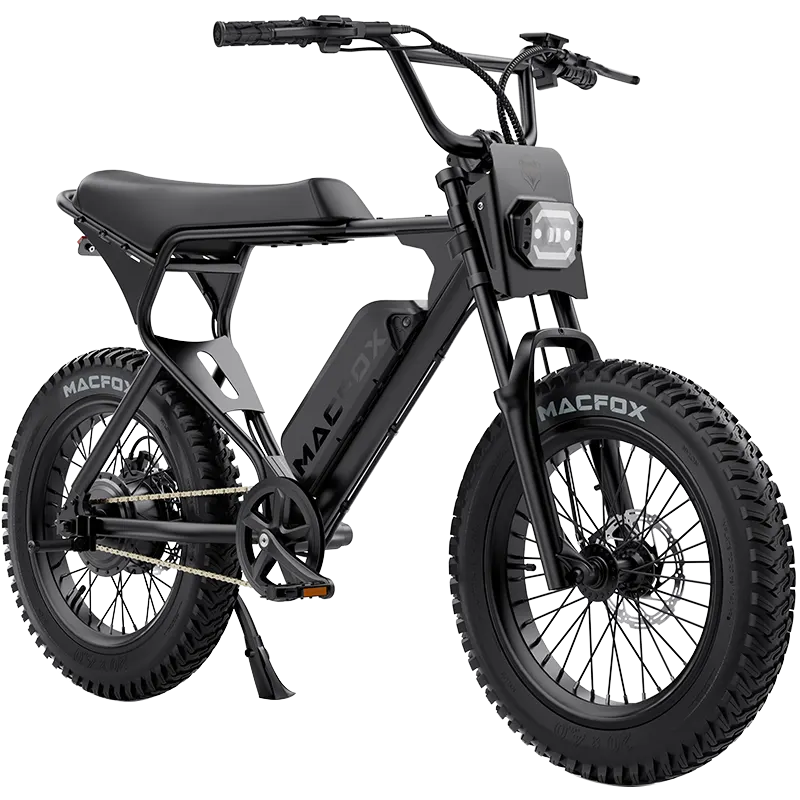

For an insured bike left on a car rack, Velosurance describes a continuous locking connection: the bike is locked to the rack, and the rack is locked to the car. Inside a locked car, its FAQ instead emphasizes forcible-entry evidence in the police report. Transport straps alone do not meet the outside locking description. Your issued policy, not this comparison, determines your coverage.
Outside the Car: Follow the Locking Connection

Start at the bike and follow the connection to the vehicle. A wheel strap may hold the bike during transport without locking it against theft. Likewise, a lock around the bike and rack does not solve the problem if someone can remove the rack from the car with the bike still attached.
Ask separate questions: is the bike locked to the rack, and is that rack locked to the car? A transport setup can look secure because nothing rattles, yet leave the second connection unlocked. Check both before walking away.
Inside the Car: A Different Condition
Velosurance's locked-car FAQ says the police report must show evidence of forcible entry. It also recommends locking the bike to a suitable point inside the car and closing and locking the doors and windows.
Keep the requirement and recommendation distinct. Do not turn that interior-locking recommendation into a universal condition for every insurer. Equally, do not assume a closed door settles every coverage question. Ask the insurer how its conditions apply to your specific storage arrangement.
A cargo tie-down, seat fitting, and purpose-built security anchor are not automatically interchangeable. If you cannot establish a suitable locking point, clarify the setup rather than treating any convenient loop as approved.
Match the Policy to Your Actual Bike
Confirm that the insured electric bike is the one you are transporting and that the issued coverage applies to this situation. Check the declarations and relevant endorsements. A bicycle being sold as an e-bike does not prove eligibility for a particular policy.
The e-bike insurance guide covers broader insurance questions. Here, the immediate decision is narrower: does the way you plan to leave this bike meet your own theft conditions?
Resolve a Gap Before Leaving It Unattended
If a required connection is missing or the policy is unclear, change the storage plan or obtain clarification from the insurer before relying on coverage. Taking a picture of an inadequate setup does not make it compliant.
If theft has already occurred, report what actually happened and preserve the available evidence. Do not embellish forced-entry details because you think a claim requires them. Give the insurer the facts and let it assess the claim; an FAQ is not a payment guarantee.