
To insure an e-bike, first decide whether your homeowners or renters policy is enough or whether you need a dedicated bicycle/e-bike policy. Then collect the bike receipt, serial number, photos, accessory list, lock and storage details, and riding use case; compare theft, crash damage, liability, medical, accessory, and transit coverage; choose the deductible and limits; and keep the policy documents with your claim evidence.
This guide is for riders who want to compare coverage and prepare a cleaner quote or claim file. If you are still deciding whether coverage is necessary or required, start with Macfox's e-bike insurance requirement guide first.
Because e-bikes include motors, batteries, electronics, and higher replacement values than many traditional bicycles, do not assume a homeowners or renters policy will handle every scenario. Compare the policy wording, deductible, exclusions, theft rules, battery coverage, and liability limits before choosing coverage for your electric bikes.
E-Bike Insurance Quick Coverage Map
| Coverage Area | What It Can Help With | What to Check Before Buying |
|---|---|---|
| Theft | A stolen e-bike from home, work, school, a rack, or another secured location. | Lock requirements, police report requirements, storage rules, and whether theft away from home is covered. |
| Crash or accidental damage | Repair or replacement after a fall, collision, vandalism, or covered accidental damage. | Deductible, replacement value, depreciation, cosmetic damage exclusions, and repair estimate rules. |
| Liability | Claims if you injure someone or damage property while riding. | Coverage limit, excluded riding uses, passenger rules, and whether delivery or business use is excluded. |
| Medical payments or vehicle contact | Some policies offer limited help with rider medical costs or incidents involving a vehicle. | Limits, deductibles, health insurance coordination, and local policy availability. |
| Accessories and parts | Locks, racks, batteries, lights, bags, apparel, or spare parts connected to the insured bike. | Item limits, proof of purchase, accessory schedules, and battery-specific language. |
| Transit | Damage while the bike is shipped, flown, transported by car, or carried on a rack. | Vehicle rack rules, airline or shipper claims, geographic limits, and required packing evidence. |

Homeowners, Renters, or Dedicated E-Bike Coverage?
Homeowners and renters policies may offer some bicycle coverage, but e-bikes can fall into narrower policy language because they have a motor and battery. The common gaps are low personal property limits, exclusions for motorized equipment, limited theft coverage away from home, no crash damage, and weaker accessory or battery coverage.
Dedicated bicycle or e-bike policies are designed around the bike itself. Current provider pages from Markel e-bike insurance and Velosurance e-bike insurance describe standalone coverage options such as theft, accidental damage, liability, medical payments, transit protection, and coverage for Class 1, Class 2, and Class 3 e-bikes under stated limits. Treat those pages as examples to compare, not as a blanket recommendation.
Before you buy, ask the insurer three direct questions: whether your exact e-bike class and motor rating are eligible, whether theft away from home is covered, and whether battery, controller, display, and accessory damage are included.
What You Need Before Requesting a Quote
The smoother quote is the one with clean documentation. Gather the bike value, serial number, purchase proof, photos, storage details, lock setup, use case, and accessory list before you start.
| Item | Why It Matters | Where Riders Often Miss Details |
|---|---|---|
| Receipt or order confirmation | Shows purchase date, model, value, and owner record. | Accessories, extra batteries, racks, and locks may need separate receipts. |
| Serial number | Helps identify the bike in a theft report or claim. | Photograph the frame serial number before the bike is stolen or damaged. |
| Current photos | Documents condition, accessories, battery setup, and lock/storage practices. | Take wide photos and close-ups of the display, battery, tires, brakes, and serial number. |
| Storage and lock plan | Theft coverage may depend on whether the bike was locked and where it was kept. | A weak cable lock, shared hallway, or unsecured rack may create claim problems. |
| Use case | Commuting, campus riding, leisure riding, travel, and business use can be treated differently. | Delivery, rental, racing, or commercial use may be excluded unless disclosed. |
For claim readiness, save Macfox's e-bike serial number guide and use the e-bike anti-theft guide with a practical bike locking guide.
Cost Factors to Compare
Do not choose a policy by annual premium alone. A low premium can still be expensive if the deductible is high, the bike is depreciated heavily, battery coverage is narrow, theft away from home is weak, or liability limits are too low for your riding environment.
| Factor | How It Can Affect Cost | Practical Check |
|---|---|---|
| Bike value | Higher replacement value usually means higher premium or higher coverage limits. | Insure the real replacement cost, including accessories you want covered. |
| Deductible | A higher deductible can lower premium but makes smaller claims less useful. | Compare the deductible against likely repair costs and theft risk. |
| Coverage limits | Liability, medical payments, accessories, spare parts, and transit coverage may each have separate limits. | Look at each limit instead of only the headline policy price. |
| Storage and security | Secure indoor storage and stronger locks may reduce risk or help meet policy conditions. | Confirm the policy's lock and storage wording before relying on it. |
| Riding pattern | Daily commuting, high-traffic routes, travel, or frequent parking can change risk. | Tell the insurer how the bike is actually used. |
If you are also comparing ownership cost, insurance belongs beside maintenance, battery care, charging, locks, and repairs rather than as a one-time add-on.
Macfox Model Notes for Insurance Prep
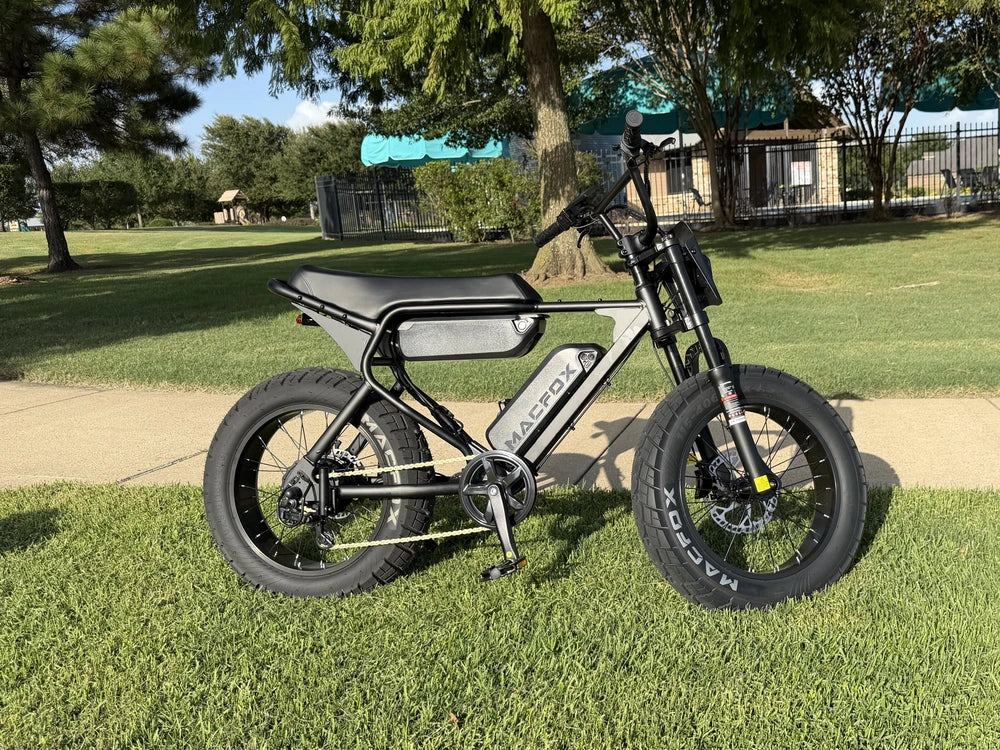
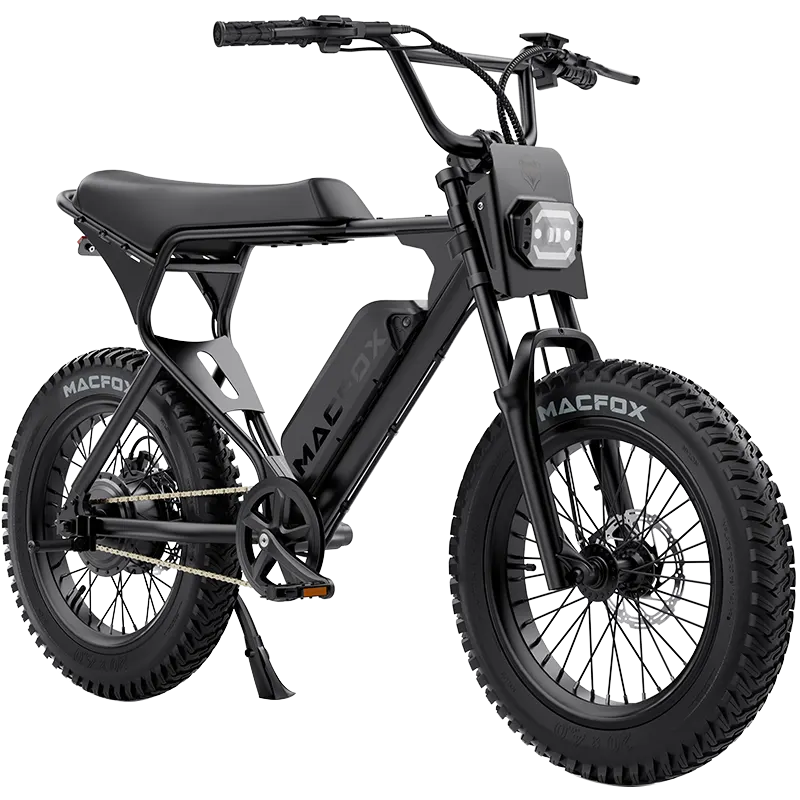
Insurance is not about making every bike fit one policy. It is about matching the value, use case, accessories, and risk profile of the exact bike. When preparing a quote for a Macfox model, record the model name, order value, serial number, battery setup, accessories, and where it will be parked most often.
| Model | Insurance Prep Focus | Best Detail to Document |
|---|---|---|
| Macfox X1S commuter e-bike | Daily commuting, campus routes, errands, and frequent parking. | Lock setup, parking location, receipt, serial number, and commuting frequency. |
| Macfox X2 electric mountain e-bike | Full suspension, hydraulic brakes, longer range, and rougher-route use. | Battery setup, suspension/brake condition, route type, travel or transit exposure. |
State Rules and Policy Boundaries
Insurance availability and legal requirements can vary by state, class, use case, and policy language. A policy may cover a bike that is legal to own, but that does not automatically mean every route, trail, sidewalk, or park allows it. Keep insurance questions separate from access questions.
For state-level rules, use Macfox's state e-bike regulations guide. For California-specific insurance and local context, use the California e-bike insurance guide instead of forcing this national guide to cover every California detail.
If a bike has been modified, speed-unlocked, or had controller settings changed, confirm whether the insurer still treats it as eligible. Macfox's e-bike controller guide explains why controller changes can affect performance, heat, safety, and classification questions.

Before You Buy or Renew a Policy
- Confirm eligibility: ask whether your exact e-bike class, motor rating, battery setup, and use case are eligible.
- Compare replacement wording: check whether the bike is covered at stated value, replacement cost, or depreciated actual cash value.
- Read theft conditions: confirm lock, storage, police report, and away-from-home requirements.
- Check accessory and battery limits: make sure the items you care about are listed or included.
- Review liability and medical options: physical damage coverage alone may not address injury or property damage claims.
- Save claim evidence now: receipts, photos, serial number, lock proof, and service records are easier to gather before a loss.
FAQ
Can I insure an e-bike under homeowners or renters insurance?
Sometimes, but do not assume full coverage. Many policies have limits, exclusions, depreciation, or weak away-from-home theft language for motorized bikes. Ask your insurer about your exact model and use case.
Do I legally need insurance for an e-bike?
It depends on location, class, and use case. Many standard e-bike riders do not face the same insurance requirement as motor vehicles, but rules can vary. Use the requirement guide and state regulation guide before relying on a general answer.
What documents help with an e-bike theft claim?
Keep the purchase receipt, serial number photo, current bike photos, lock information, police report, accessory receipts, and storage details. The more complete the record, the easier it is to show ownership and value.
Does e-bike insurance cover the battery?
Some policies may cover batteries as part of the insured bike or accessories, while others may limit or exclude certain battery losses. Read the battery, electrical component, and accessory language before buying.
Can a modified e-bike be insured?
Possibly, but modifications can change eligibility, class, safety, and claim handling. Disclose motor, controller, battery, throttle, or speed changes before assuming a policy will cover the bike.