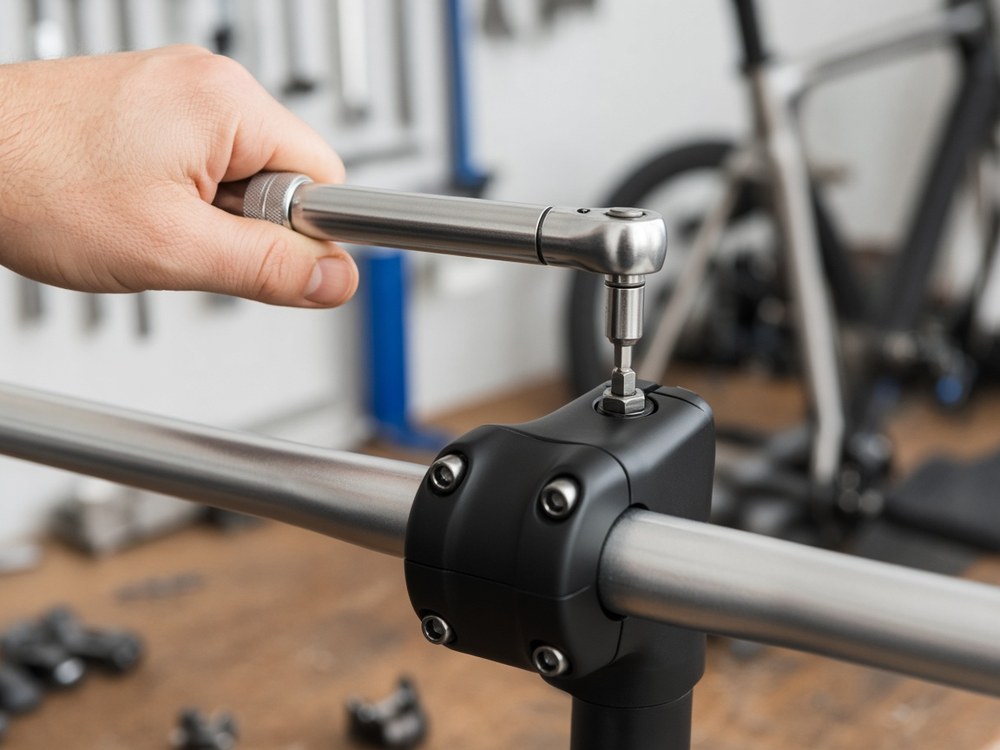

If a crank puller becomes very tight but the crank arm does not move, stop adding force until you confirm the extraction setup. A retained washer, an unsuitable puller tip, or incomplete thread engagement can make the tool load the wrong place. Some resistance is normal during removal, but it does not prove that your tool is correctly installed.
Confirm that this crank uses a separate puller

This check applies to a conventional three-piece crank designed for a separate crank puller. A self-extracting crank uses its own removal arrangement. Other crank and motor assemblies can require a different procedure entirely.
Before proceeding, switch the bicycle off and support it securely. Read the instructions for the actual crank, not a video chosen because the crank arm looks similar. If you cannot establish which removal arrangement you have, leave the tool unloaded and have a shop identify it.
The important distinction is between identifying the system and trying a tool. A puller fitting into an opening does not, by itself, settle which system you are working on.
Check what the puller tip is pushing against
On the appropriate three-piece setup, the tool's outer body holds onto the crank while its center driver pushes against the spindle. That force needs a clear, correctly sized contact surface.
With the pulling force released, check the removal instructions for the retaining bolt or nut and any washer beneath it. A washer left inside can obstruct the intended path. Do not assume an empty-looking bolt recess means every retaining piece has been removed.
Next, confirm the tip specified for the spindle. A tip that is too small may enter a hollow opening instead of bearing where intended; an unsuitable larger tip may not have the required clearance. The tool's outer thread fitting the crank does not establish that its center tip is suitable.
If you cannot see or verify the contact arrangement, do not keep turning to find out. Bring the crank identification and puller details to a mechanic.
Inspect thread engagement before applying more force
The puller's body must engage the crank's sound extraction threads as instructed before the center driver is loaded. Starting it crooked or engaging only a few threads can damage the crank rather than remove it.
Stop if the body will not seat correctly, the threads are damaged, or the tool begins pulling out of the crank. Do not compensate with a longer handle, hammer blows, or riding with the crank loosened.
If the setup checks out but resistance remains abnormal, professional extraction is the next step. Keep the removed fastener, washer, and tool together so the mechanic can see what happened. For wider service decisions, use the e-bike maintenance guide.
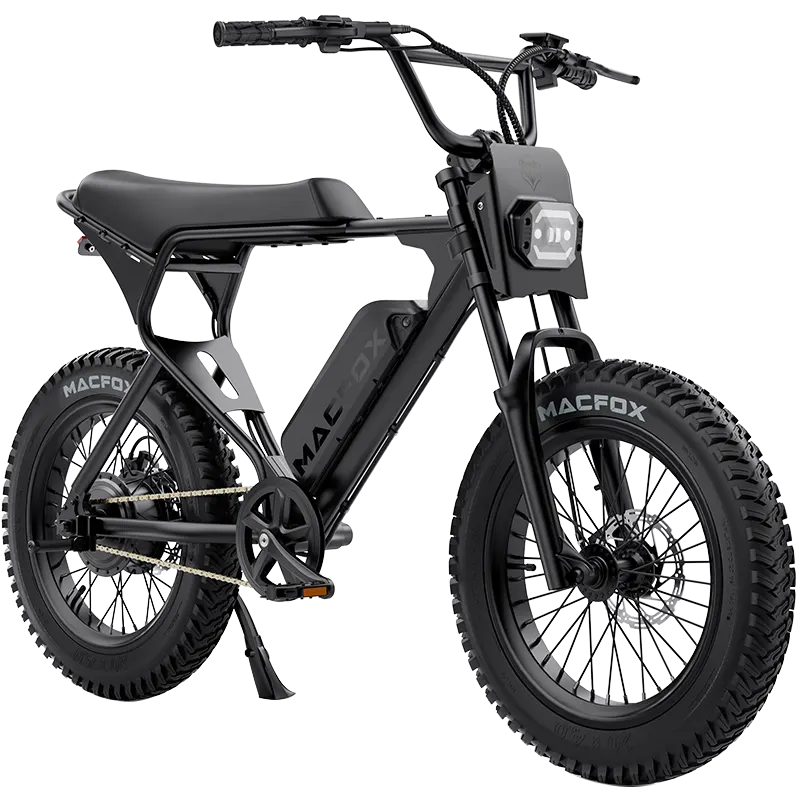
When evaluating electric bikes, check who can service the drivetrain locally. Access to the right tools and replacement parts matters more here than whether the crank looks familiar.