
Do not start loading an e-bike if the ramp leaves no stable place for you to walk and control it. Move the vehicle or choose a different approved loading arrangement first. A ramp can be wide enough for the tires while the overall setup is still unusable because you would have to lean over a barrier, step into traffic, or lose your footing beside it.
Trace Your Route Beside the Bike

Before putting the bike on the ramp, check where your feet would go from the starting point to the final parking position. Look for curbs, loose gravel, parked vehicles, and objects that would force you to twist or reach away from a stable stance.
General safe-handling guidance emphasizes adequate movement space, stable footing, and avoiding excessive reach. Applied here, the question is whether you can stay in control throughout the movement, not whether you can reach the handlebar from the ground at the beginning.
Check Both Ends of the Ramp
Confirm that the ramp is compatible with the carrier and secured as its maker requires. Then look at the transitions: where the wheel first enters, where it reaches the tray, and where you need to stand while securing the bike.
A clear approach does not solve a blocked landing. For example, the bike might roll up smoothly but leave you squeezed between its handlebar and the vehicle before you can operate the restraint.
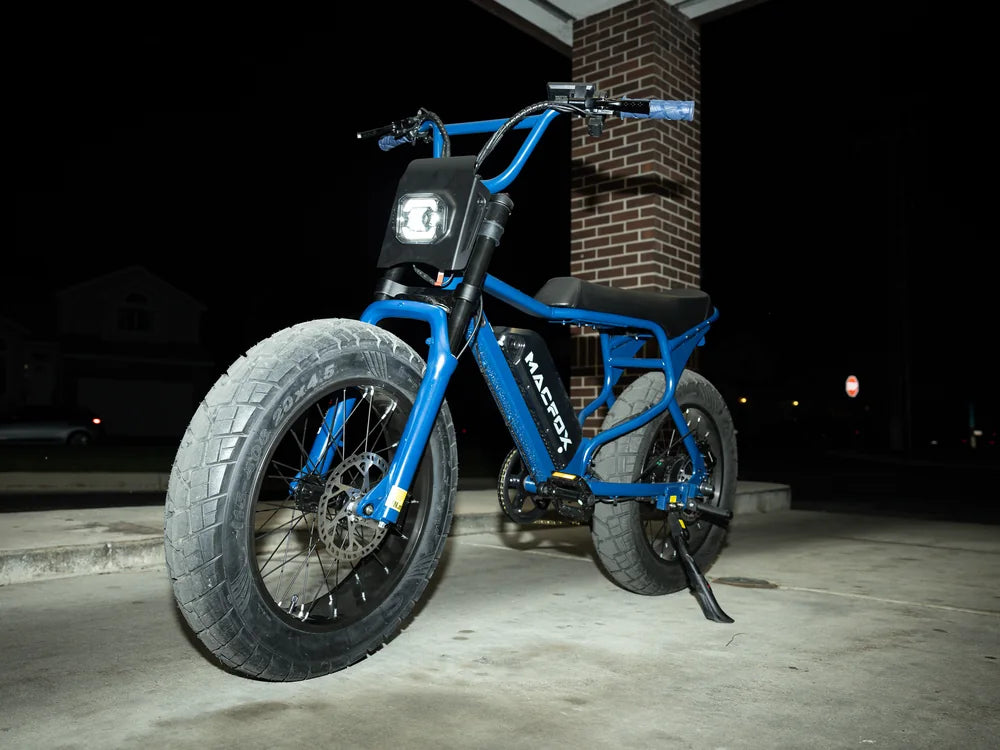
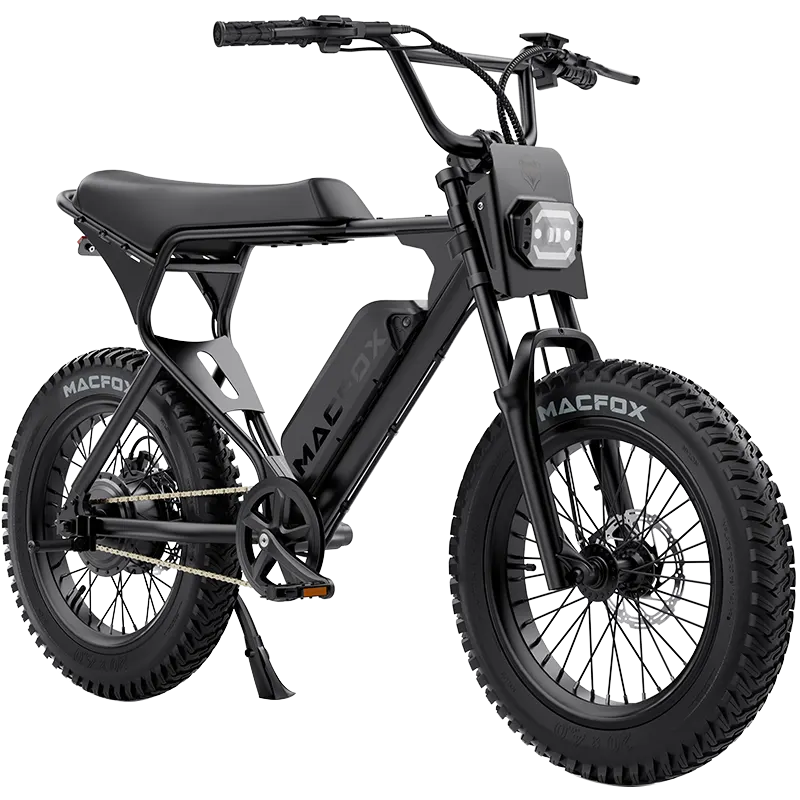
The dimensions of your electric bike can help you anticipate the space it needs. Check the actual bike with its bags and accessories, which may occupy the space you planned to stand in. Leave room for your body and hands, not just the wheels.
Plan How You Would Stop
Ask where you could pause while maintaining control if the wheel did not enter the tray cleanly. If your plan depends on rushing through the awkward section, reconsider the arrangement before moving the bike.
Do not use the throttle to launch the bike up the ramp. Do not stand on a narrow wheel ramp unless it is explicitly intended and rated for that use. A helper can only help if there is adequate room for that person too; adding someone to a cramped space does not create a safe working area.
Change the Setup Before Moving the Bike
Repark where loading is permitted and where there is a clear, stable approach. If the site cannot provide that space, use another compatible loading method or move the operation elsewhere. Do not improvise a side platform from loose objects.
The hitch-rack weight-rating guide covers the separate capacity check. Passing that check does not establish that you can safely maneuver the bike in this location. Both the equipment and the working space need to be suitable.