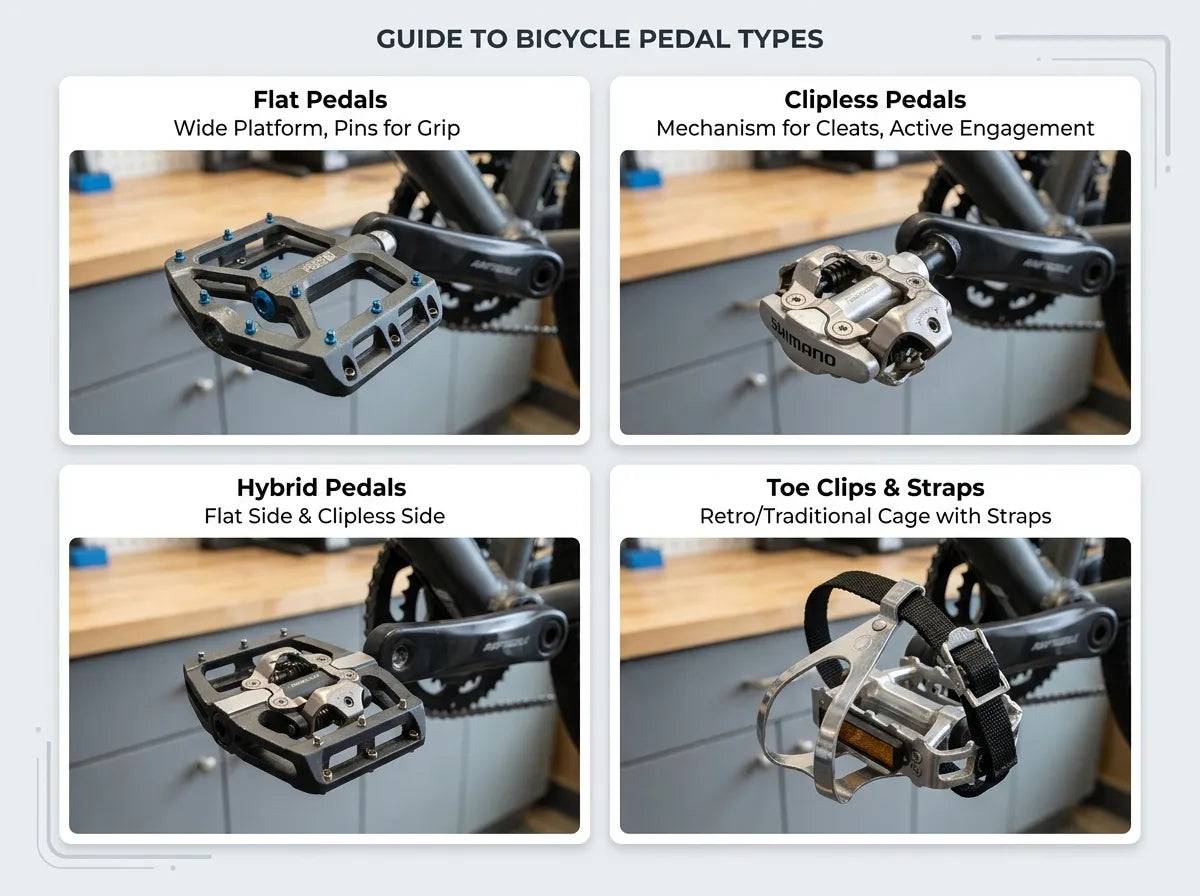

A pedal that works loose again after being tightened is no longer just an installation reminder. Repeated movement can damage the pedal spindle or the crank threads, and tightening harder each time can finish stripping an interface that might still be repairable.
Stop riding and identify exactly what is moving before ordering a pedal or crank.
Find the Loose Joint

Switch the electric bike off and support it so it cannot roll. Hold the crank arm still and gently move the pedal body. The pedal body can have play around its own spindle even while the spindle remains threaded into the crank. That is different from seeing the entire spindle move in the crank hole.
Now hold the pedal and watch the crank where it meets the bottom-bracket axle. If the crank arm itself shifts on the axle, stop this check. Tightening the pedal will not secure a loose crank interface.
Check the Side Before Retightening
Pedals are side-specific. Find the L or R marking on the spindle and match it to the rider's left or right side while sitting on the bike. The two sides use opposite thread directions, so copying one side's installation motion onto the other can start the spindle incorrectly.
A clean, correctly matched spindle should begin threading by hand without being forced sideways. If it immediately binds, enters at an angle, sheds metal, or leaves a visibly damaged first thread, back it out. A wrench can drive crossed threads deeper; it cannot make them correctly aligned.
Inspect Both Sets of Threads
Remove the pedal only if you can follow the pedal and bike instructions safely. Clean enough dirt away to see the spindle threads and the crank opening. Look for flattened or missing thread crests, metal debris, distortion, and an opening that no longer holds the spindle straight.
Damage can be on the pedal, the crank, or both. A new pedal does not repair a stripped crank, and a new crank should not be paired blindly with a damaged spindle. A technician can determine which interface still meets its specification and whether a manufacturer-approved repair exists.
Do Not Turn a Thread Problem Into a Road Test
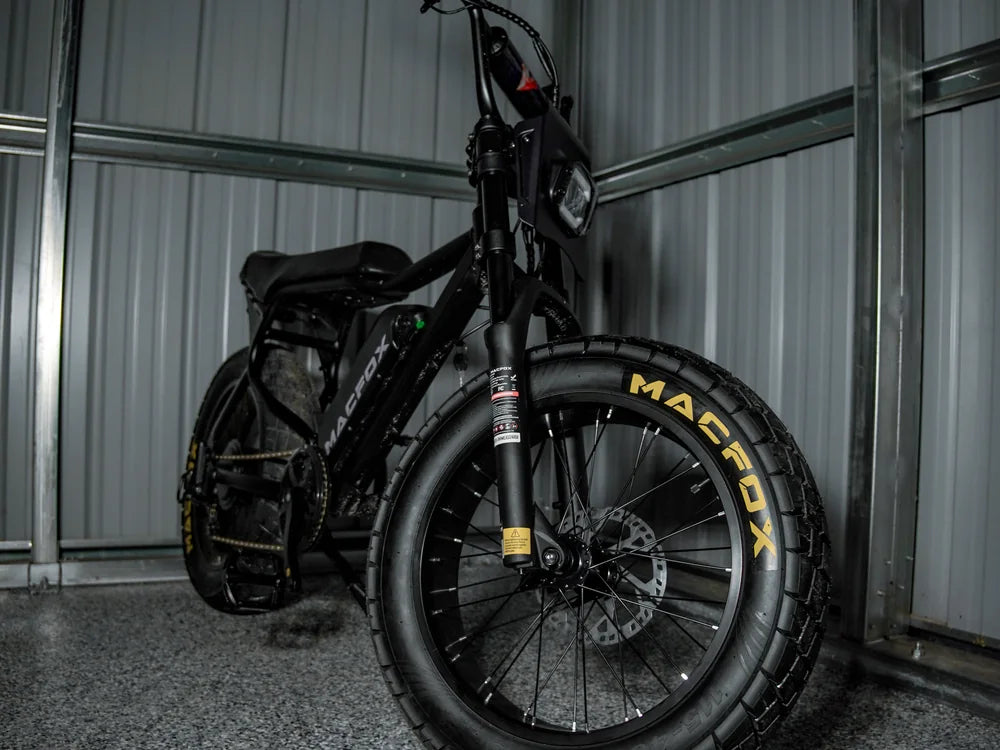
Do not add washers, threadlocker, tape, or extra force to keep a damaged pedal in for one more trip. Those measures can hide movement without restoring thread engagement. The wider fat-tire e-bike maintenance guide covers routine fastener checks; repeated pedal release needs a part-level inspection.
After the correct parts are installed to their own instructions, verify that the spindle seats straight and remains secure during a stationary check. Any renewed movement means the bike stays parked until the interface is reassessed.