
Don't force a stuck nipple just because its spoke feels loose. First check that the spoke wrench fully fits the nipple's undamaged flats. If a correctly fitting wrench still won't turn it, or the spoke twists along with it, stop the adjustment and have the wheel inspected. A nipple that feels tight to turn does not prove the spoke has enough tension.
Separate Spoke Tension From Turning Resistance

The nipple is the threaded fitting at the rim. Turning it normally changes the pull in the spoke, but resistance at the wrench can also come from corrosion or the spoke reaching the end of its usable threads. More effort isn't necessarily producing more useful tension.
If the spoke only seems loose, confirm its tension rather than using a stubborn nipple as the test. Opposite sides of a wheel can have different intended tensions. Don't tighten everything until it feels equally hard to turn.
Check the Wrench and Nipple Flats
Switch the bike off, support it securely, and keep the wheel still. Look closely at the surfaces the wrench grips. Are their edges intact, or has the tool already started rounding them?
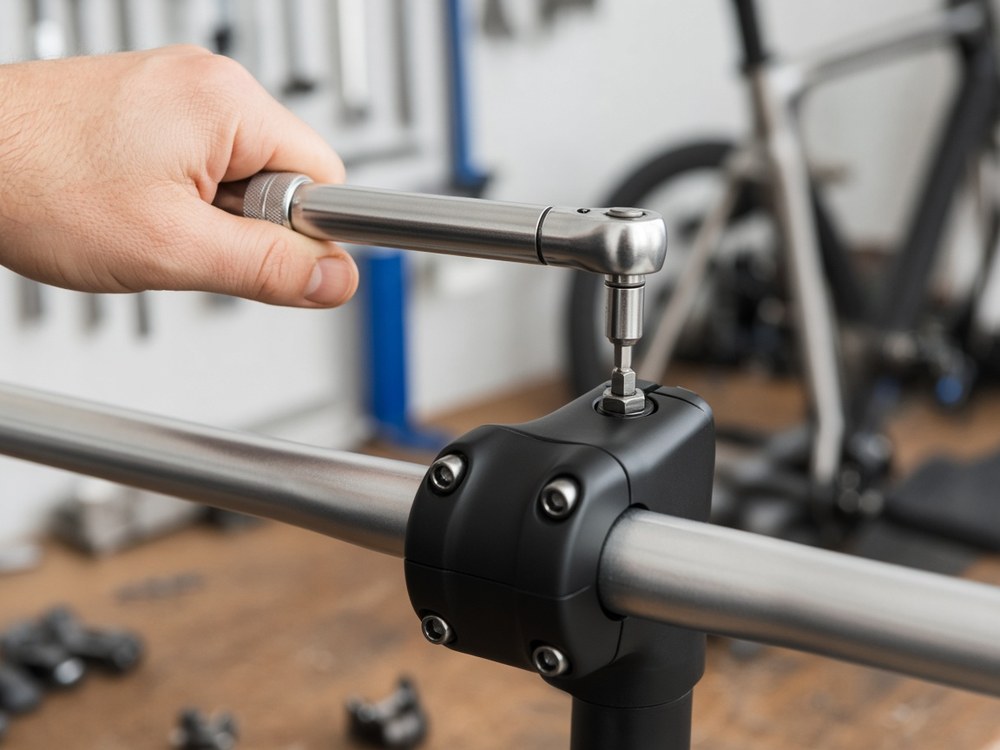
For a square nipple, measure across its flats and match that dimension to the wrench. Choosing a spoke wrench for an electric bike starts with the actual fitting, not tire width or spoke thickness. Other nipple shapes need their matching tools.
The wrench should seat fully without excess play. If it rocks, slips, or climbs off the corners, stop. Undamaged flats and an incorrect wrench call for the correct tool, not more leverage. If the right tool then turns the nipple normally, with no twisting or damage, careful adjustment can resume. Rounded flats need repair assessment; don't switch to pliers or a longer handle.
Watch for Spoke Windup
Did the spoke itself twist during the last attempted turn? That's different from the nipple advancing along its threads. The changing orientation of a flat spoke can make this easier to spot; twisting in a round spoke may be less obvious.
Don't force another turn just to check. Stored twist can release later and change the wheel's alignment, undoing an apparently successful adjustment. For a stubborn fitting, stop adding rotation and let a wheel technician deal with the binding and windup. Gripping the spoke with ordinary pliers is not the next step.
Know When the Wheel Needs Parts Inspection
Visible corrosion, damaged nipple flats, or a crack or bulge around a rim hole changes this from a simple adjustment to a parts inspection. A clean-looking nipple can still bind internally. You cannot confirm thread condition or correct spoke length from turning resistance alone.
Don't treat a squirt of oil followed by a harder turn as proof of repair. Treatment depends on the parts and any thread preparation already used. After repair, the wheel still needs its tension and alignment checked.
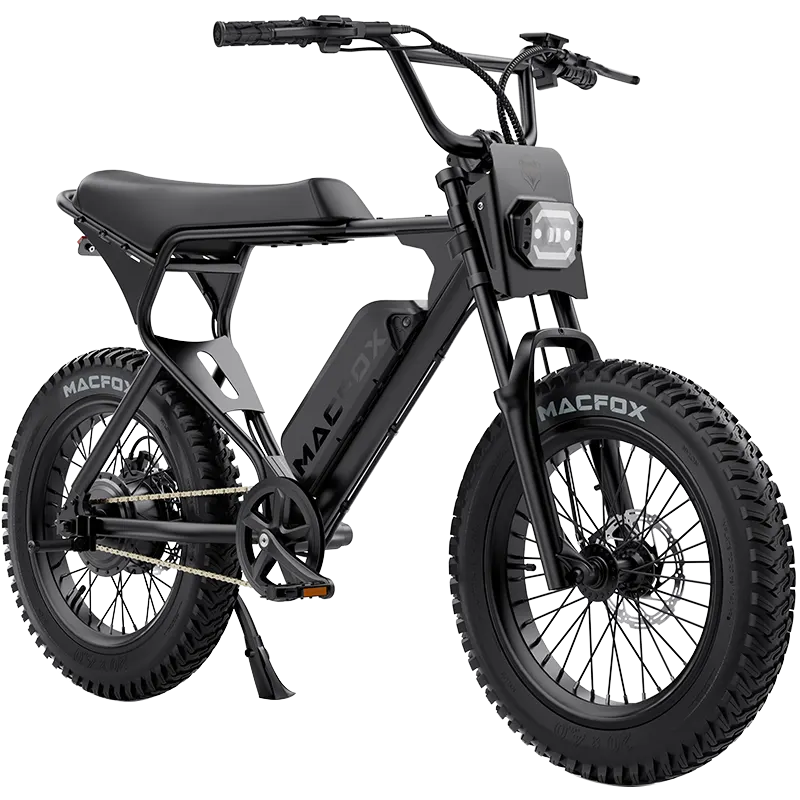
If you're unsure which part looks damaged, the e-bike wheel guide helps identify the components. Tell the technician whether the wrench slipped, the spoke twisted, or anything was recently replaced. Don't ride with a genuinely slack spoke or damaged rim while waiting for the problem to be resolved.