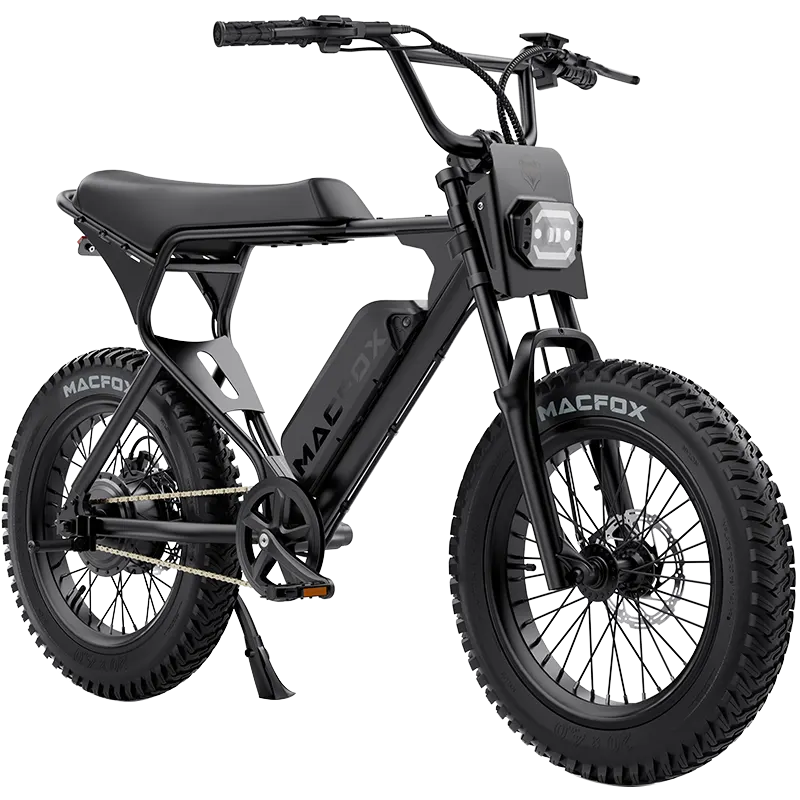

Before parking or charging an e-bike after a coastal ride, identify what reached it. Dry sea air, damp sand or salt spray, and direct saltwater contact need different responses. Gently remove residue and dry the bike after the first two. If saltwater reached the battery, charging port, exposed connectors, or other electrical areas, stop riding and charging until the manufacturer or a qualified technician has assessed it.
Start by Classifying the Exposure
| What happened | First response |
|---|---|
| You rode a dry coastal road with no visible spray or sand | Wipe the bike down that day and inspect exposed metal and the drivetrain |
| Damp sand or salt spray reached the frame, wheels, or drivetrain | Remove the residue gently, dry the bike fully, and perform a closer inspection |
| Saltwater directly reached electrical parts or the bike was partly submerged | Do not treat this as routine cleaning; stop riding and charging and contact support |
A clean-looking frame does not prove that contacts or drivetrain parts are dry.

Remove Salt and Sand Without Forcing Water Inside
Turn the e-bike off and follow its owner's manual before removing a battery or display. Lift loose sand with a soft brush or cloth instead of grinding it across paint, seals, or moving parts. Use a manufacturer-approved gentle method to remove salt from external surfaces. Avoid direct water spray around the battery, display, charging port, and connectors.
Do not use a pressure washer, close-range hose jet, or steam cleaner; they can push water and grit past seals. Dry the bike with a clean, lint-free cloth, then leave it in a ventilated space. For the complete drivetrain cleaning and lubrication routine, follow this e-bike cleaning guide.
Inspect More Than the Frame
Check the chain and drivetrain for sand, stiff links, new noise, or brown discoloration. Look at bolts, spokes, and spoke nipples for fresh spotting or color changes. Keep lubricant, wax, and corrosion products away from brake rotors and pads, and test that the brakes feel normal before riding again.
Inspect the battery mount, charging port, visible connectors, cables, and housings without opening sealed parts. They should be clean, dry, and free of residue, cracks, unusual color, or odor.
Know When It Is No Longer a Cleaning Job
Do not keep riding if braking changes, the drivetrain grinds or binds, a wheel feels wrong, or corrosion is affecting a component.
Do not charge or ride if saltwater reached the battery or electrical connections, or if you notice heat, swelling, cracking, an unusual odor, connector discoloration, or repeated power loss. Do not open the battery, motor, controller, or sealed connectors. Tell Macfox support or a qualified technician exactly where the saltwater reached the bike.
Store the Bike Only After It Is Dry
Do not seal a damp bike under a non-breathable cover. Trapped moisture can remain around metal and electrical contact areas after the visible surface looks dry. Coastal riders should inspect more often rather than wait for obvious rust.
If you are still comparing electric bikes, treat coastal aftercare as an ownership requirement. Do not assume a frame material, wide tire, or beach-style design makes a model salt-proof.
FAQ
Do I need to clean an e-bike after riding only on a coastal road?
Use the exposure, not the map, as the guide. A dry ride with no spray may need only a same-day wipe and inspection. Visible salt film, damp sand, or spray needs more complete cleaning and drying.
Can I hose salt and sand off an e-bike?
Do not use high pressure or direct water at the battery, display, charging port, connectors, motor, bearings, or seals. Follow the manufacturer's cleaning method.
Can I charge the bike as soon as the outside feels dry?
Charge only after the bike, charging port, battery mount, and contacts are clean, undamaged, and fully dry. If saltwater reached electrical parts or anything looks abnormal, wait for an assessment.