
Quick Answer
Mokwheel Asphalt ST may fit better if you want a step-through city eBike with a more upright comfort posture, 27.5 x 2.4 tires, 500W motor, 860W peak output, 70Nm+ torque, torque+cadence sensing, Shimano 7-speed gearing, hydraulic disc brakes, fenders, rack, lighting, and a 50-60 mile official range claim. Macfox X1S may fit better if you want a lower 20 x 4.0 fat-tire daily eBike with simpler controls, a more compact wheel format, an active Macfox product path, and optional dual-battery planning.
This is not a same-shape comparison. Asphalt ST is a step-through comfort-city bike with a taller 27.5-inch wheel feel and more included daily equipment. X1S is a lower 20-inch fat-tire Macfox model for riders who want a wider-tire stance and fewer setup decisions.
The real question is which daily routine you are buying for: easy step-through access and a more conventional city-bike platform, or a lower fat-tire format that feels more direct inside the Macfox lineup.

What Asphalt ST Is Actually Selling
Mokwheel positions Asphalt ST around comfort and practical city riding. The official page currently shows the model as available, with a $1,499.99 price, three color choices, and a one-size step-through frame. The visible product copy emphasizes daily use, an upgraded tail light, and a torque sensor.
The spec list gives the model its shape: 48V 14.7Ah battery, 500W continuous motor, 860W peak power, 70Nm+ torque, 20 mph throttle / 28 mph PAS speed class, 63 lb weight, 50-60 mile range claim, 300 lb payload, torque+cadence sensor, 27.5 x 2.4 tires, TEKTRO hydraulic disc brakes, Shimano 7-speed gearing, and thumb throttle.
Those details point to a rider who wants a fitted-out daily bike rather than a stripped-down base platform. The buyer should still check exact size, current accessories, speed settings, and support route before treating the page as a finished answer.
What Independent Testing Adds
Electric Bike Report's Asphalt ST review helps separate the spec sheet from the ride. Their test bike used a 48V 14.7Ah battery, described as about 706Wh, with a 500W rear-hub motor and torque sensor. The review highlighted smooth motor engagement, upright comfort, front suspension, fenders, rack, headlight, and integrated tail/brake lights.
The range test is especially useful. Mokwheel advertises up to 60 miles, while Electric Bike Report measured roughly 26 to 53 miles depending on assist setting. That is not a contradiction so much as a reminder that rider weight, assist level, route, wind, tire pressure, stops, and hills decide the real distance.
The same review also adds two purchase checks. First, speed and class settings should be verified before riding because the test bike behaved quickly. Second, taller-speed riding may create a high-cadence feel around the upper pedal-assist range, so buyers who expect to pedal hard at higher speeds should test gearing feel if possible.
The Fit And Storage Question Is Not Minor
Asphalt ST looks approachable because of the step-through frame, but it is still a full-size eBike. Mokwheel's current page lists 63 lb, 27.5-inch wheels, 2.4-inch tires, and a 300 lb payload. Its review markup also includes buyer comments that support a practical point: even riders in the target range should check stopped-foot position, seatpost setup, elevator handling, apartment storage, and indoor movement.
That matters because step-through access does not automatically solve every fit issue. A rider may find the frame easy to mount but still need to manage bike weight, handlebar width, battery removal, and where the bike will be charged.
If you are comparing Asphalt ST because you want comfort for relaxed city riding, measure the physical routine first. The best feature package can feel wrong if the bike is hard to park, move, or store after the ride.
Where Macfox X1S Belongs In This Comparison
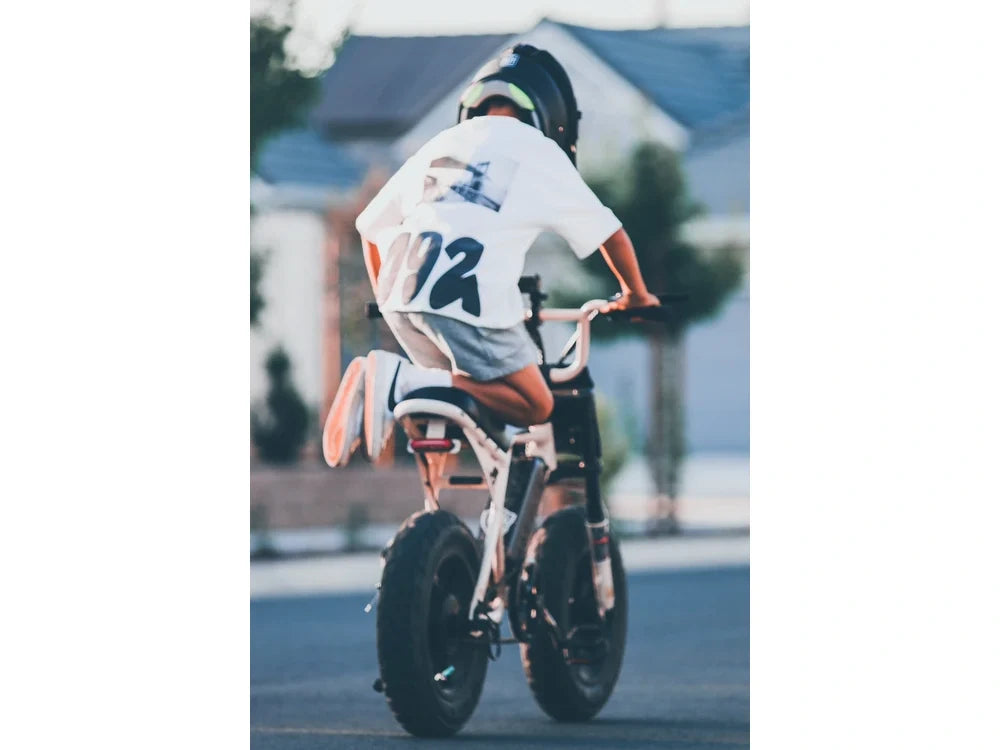
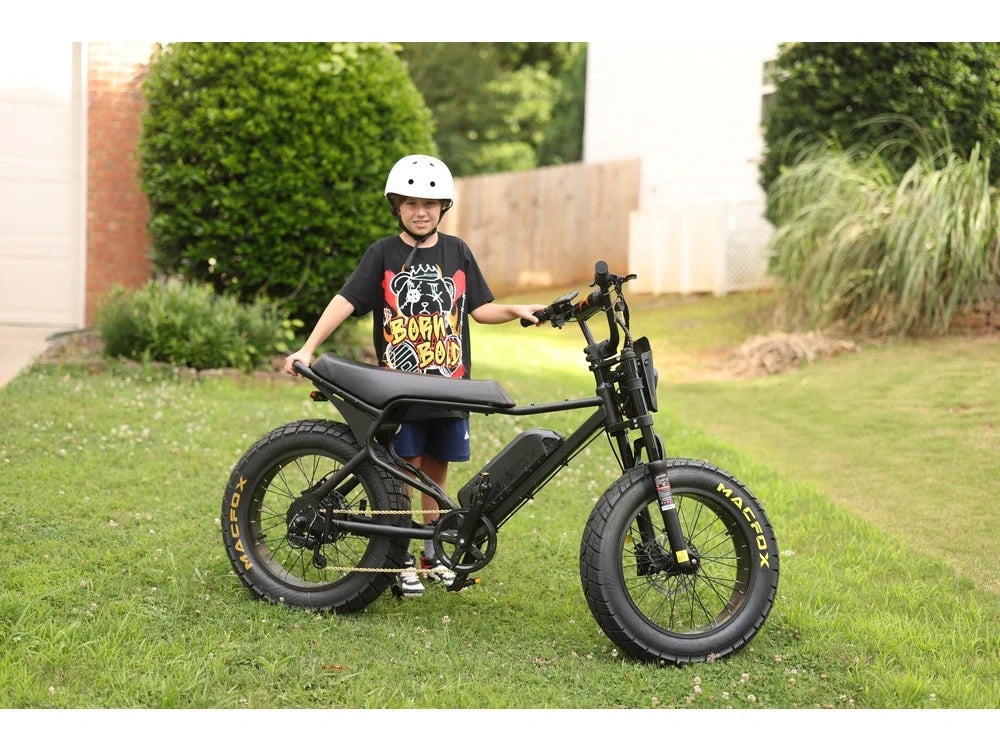
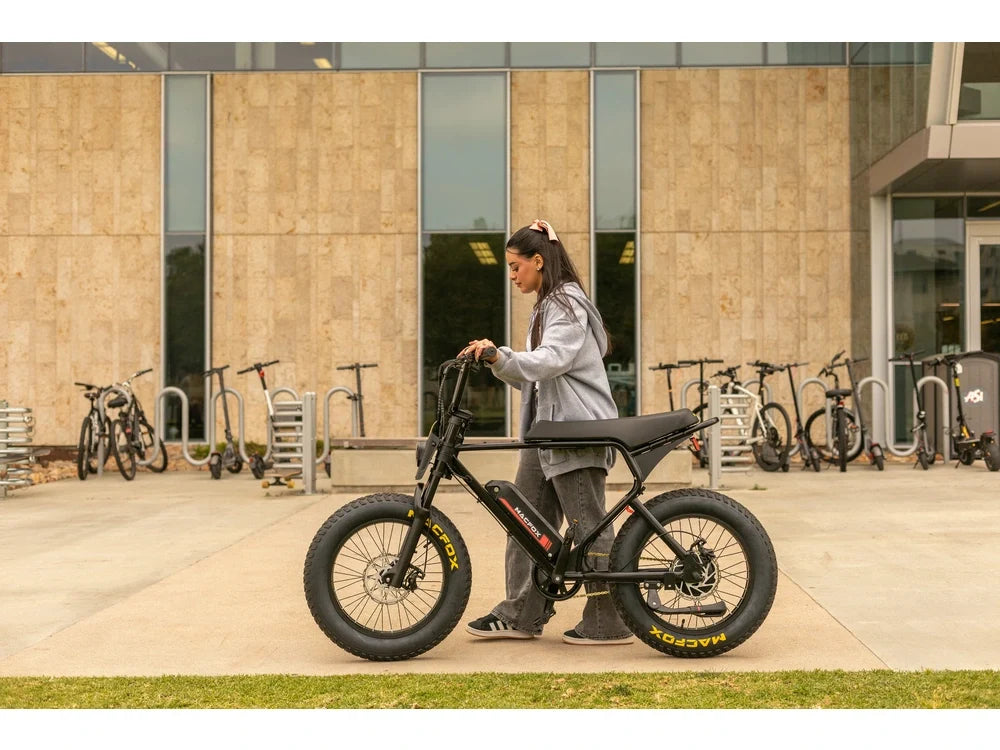
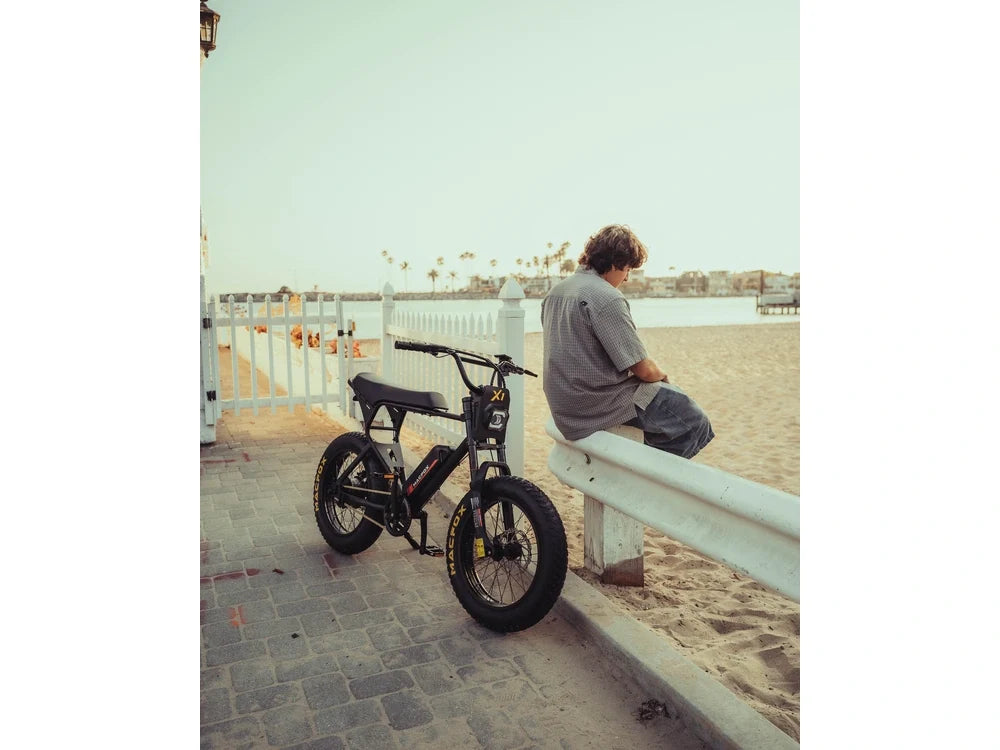
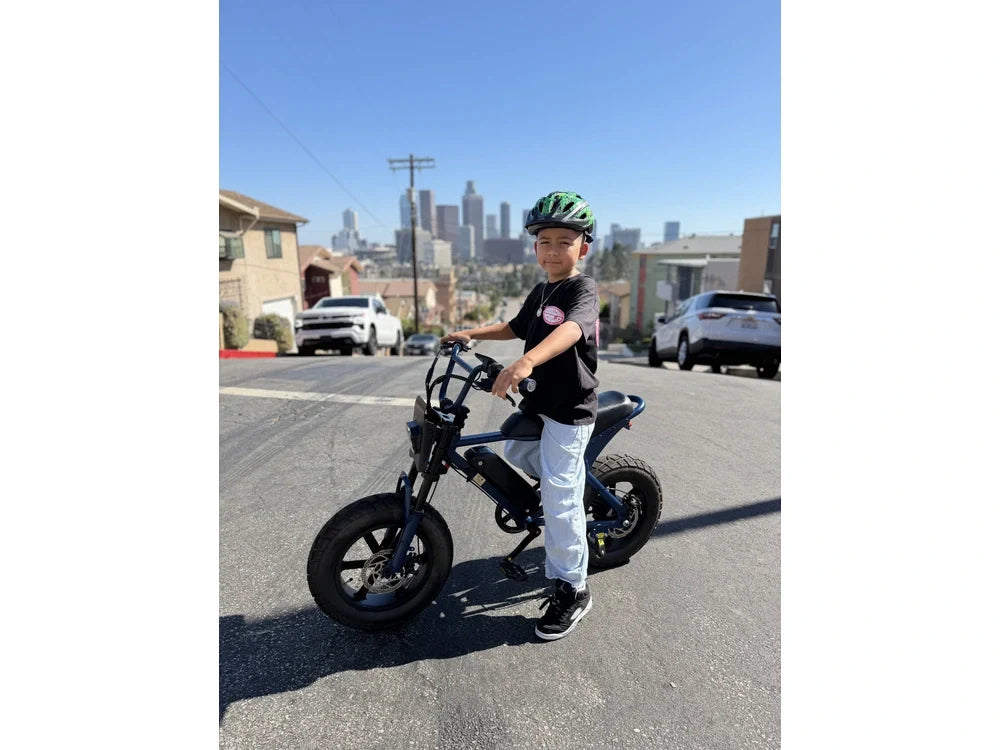
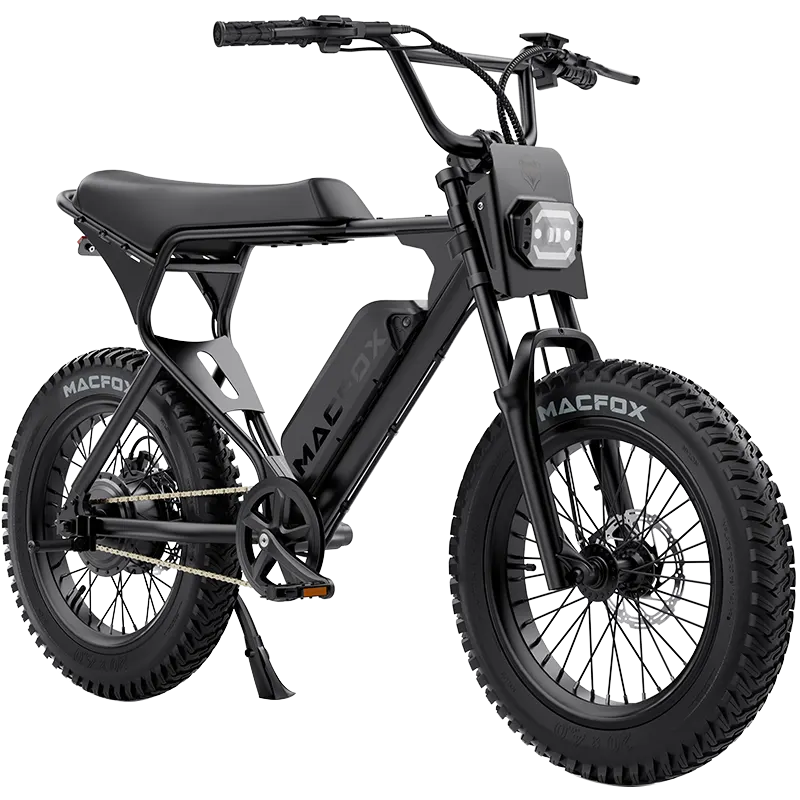
X1S belongs in the comparison only after the rider decides that Asphalt ST's step-through city shape is not the only answer. The Macfox X1S eBike uses a different format: 20 x 4.0 fat tires, 500W motor with 750W peak output, 20 mph top speed, 500Wh battery, and a listed 28-mile single-battery or 56-mile dual-battery path.
The clean Macfox angle is this: if you want a lower 20-inch fat-tire eBike with a more compact wheel format, simpler controls, and optional second-battery planning, X1S is the Macfox model to compare. That does not make it an Asphalt ST replacement. It makes it the better Macfox lane for riders who prefer wider tires and a lower stance over a taller step-through city frame.
Keep the distinction clear. Asphalt ST is the better fit for riders who want step-through access, gears, and more bundled equipment. X1S is the clearer Macfox fit when the buyer wants fewer configuration decisions and the lower 20 x 4.0 fat-tire feel.
Comparison By Real Buyer Problem
| Buyer Problem | Mokwheel Asphalt ST | Macfox X1S | What To Check |
|---|---|---|---|
| Mounting and daily comfort | Step-through frame, upright posture, comfort saddle, front suspension. | Lower 20-inch fat-tire stance, but not a step-through platform. | Stopped-foot position, seat height, handlebar reach, and how the rider gets on and off. |
| Ride feel | Torque+cadence sensing, Shimano 7-speed gearing, 27.5 x 2.4 tires. | Simpler fat-tire daily setup with 20 x 4.0 tires. | Whether the rider values pedal feel and gears or a simpler wide-tire format. |
| Battery planning | 48V 14.7Ah battery and 50-60 mile official range claim. | 500Wh battery with listed 28-mile single-battery and 56-mile dual-battery path. | Real route distance, charging location, assist level, and whether second-battery planning matters. |
| Included equipment | Fenders, rear rack, headlight, tail/brake lights, 7-speed drivetrain. | Cleaner base format focused on the core Macfox ride. | Whether accessories are required from day one or can stay secondary. |
| Storage and movement | Full-size 27.5-inch city bike, official 63 lb weight. | Smaller wheel diameter but wider 20 x 4.0 tires. | Doorways, elevator space, rack capacity, charging spot, and lifting routine. |
| Speed and rules | Official page lists 20 mph throttle / 28 mph PAS speed class. | Macfox lists X1S around a 20 mph top speed. | Local class rules, throttle behavior, and the exact settings delivered on the bike. |
Asphalt ST May Fit Better When
Asphalt ST may fit better when the rider wants a step-through frame and a more traditional city-bike posture. The frame access, 27.5-inch wheel format, 7-speed drivetrain, fenders, rack, lights, and hydraulic brakes create a more fully equipped daily package.
It also makes sense when pedal feel matters. The torque+cadence sensor setup and Shimano gearing give the rider more ways to manage effort than a simpler single-speed daily model. For riders who care about smooth assist and gear choice, that is a real reason to start with Asphalt ST.
The main cautions are practical, not negative. Confirm the exact current version, speed settings, accessory bundle, rider fit, battery removal, support path, and whether the full-size frame fits your storage routine.
X1S May Fit Better When
X1S may fit better when the rider wants a lower 20-inch fat-tire format instead of a taller step-through city bike. The 20 x 4.0 tires, simpler Macfox setup, and optional dual-battery path make it a different kind of daily choice.
It also fits buyers who do not want the decision to revolve around gears, speed settings, or bundled accessories. If the real priority is a direct Macfox daily model with wider tires and a lower stance, X1S is easier to evaluate.
The X1S check is still concrete: confirm rider height, storage width, charging routine, tire feel, local route rules, and whether the listed single-battery or dual-battery range matches the actual day.
Pre-Purchase Checks
- Confirm Asphalt ST version and availability. Check the exact color, accessory bundle, warranty path, and current listing state before comparing price.
- Verify speed settings. Asphalt ST lists 20 mph throttle and 28 mph PAS; make sure the delivered settings match where you ride.
- Test fit while stopped. Step-through access helps, but seat height and foot placement still matter.
- Measure storage honestly. Asphalt ST is a full-size 27.5-inch bike; X1S has smaller wheels but wider tires.
- Plan range by routine. Use official range as a starting point, then adjust for rider weight, hills, stops, temperature, and assist level.
- Decide how much equipment you want built in. Asphalt ST gives more daily accessories from the page. X1S keeps the Macfox handoff simpler.
- Check service comfort. Know who will handle brakes, tires, drivetrain, controller/display questions, and battery support before buying either model.
Verdict
Mokwheel Asphalt ST is a strong fit for riders who want a step-through city eBike with comfort posture, torque+cadence sensing, gears, included rack/fenders/lights, 27.5 x 2.4 tires, hydraulic brakes, and a larger official range claim. Macfox X1S is a strong fit for riders who want a lower 20 x 4.0 fat-tire daily eBike with simpler controls, a more compact wheel format, and optional dual-battery planning.
Use Asphalt ST when step-through access and a more equipped city setup solve the daily ride. Use X1S when the lower fat-tire Macfox format solves the daily ride more clearly.
Frequently Asked Questions
Is Mokwheel Asphalt ST a current model?
The official product JSON and page data checked for this draft showed Asphalt ST as available, with active color variants. Buyers should still refresh the page before purchase because stock and promotions can change.
What is the main difference between Asphalt ST and X1S?
Asphalt ST is a step-through 27.5-inch city eBike with gears and more bundled equipment. X1S is a lower 20 x 4.0 fat-tire daily eBike with a simpler Macfox setup.
Which one is better for riders who want easier mounting?
Asphalt ST has the stronger step-through access story. X1S should be judged by rider height, stance, and whether the lower fat-tire format feels right.
Which bike has the stronger stock range claim?
Asphalt ST has the stronger official single-battery range claim at 50-60 miles. X1S has a listed 28-mile single-battery path and 56-mile dual-battery path.
Should I pick by motor wattage alone?
No. Motor numbers matter, but the better decision comes from frame access, sensor feel, tire format, storage, braking, battery routine, local rules, and support path.