
Short Answer For Basalt 2.0 Shoppers
Consider Mokwheel Basalt 2.0 if you want a large 26 x 4.0 fat-tire eBike with a 940Wh battery, 450 lb payload rating, torque-and-cadence sensor system, 110mm front suspension fork, hydraulic disc brakes, and Mokwheel's inverter and solar accessory ecosystem. Consider Macfox X7 if you want a shorter 20-inch wide-tire daily eBike with a front 20 x 4.5 tire, rear 20 x 5.0 tire, simpler model choice, and optional dual-battery planning.
The real split is bigger than one spec table. Basalt 2.0 is built around battery reserve, higher load rating, full-size 26-inch fat tires, and accessory expansion. X7 is built around a more compact 20-inch fat-tire shape with a wider rear tire and a direct Macfox purchase path.
If you want the largest battery and the Mokwheel accessory ecosystem, Basalt 2.0 deserves the first look. If you want a lower 20-inch wide-tire daily ride and do not need the Basalt format, X7 becomes the cleaner comparison.

Basalt 2.0 should be treated as a system: battery reserve, inverter/power-station story, 26 x 4.0 scale, and accessory planning. X7 only enters if the buyer wants the Macfox wide-tire daily route instead of that larger system.
Basalt 2.0 Is A System, Not Just A Bike
Mokwheel's current Basalt 2.0 page presents the bike as a big-battery fat-tire platform. The headline specs are 4.0-inch fat tires, a 750W / 90Nm motor with 1100W peak output, torque plus cadence sensing, 28 mph top speed, up to 80 miles, and 450 lb payload capability.
The support features point in the same direction: a 940Wh battery with BMS protection, hydraulic disc brakes, 110mm front suspension fork, integrated LED turn signals, adjustable stem, extra-thick comfort seat, ergonomic grips, and a rear rack deck. This is a feature-heavy setup for buyers who want a complete large-format eBike.
The distinct Mokwheel angle is the power ecosystem. Electric Bike Report describes the Basalt line around optional inverter and solar accessories that can power devices away from a normal outlet. That does not matter to every rider, but it is a real reason some buyers look at Mokwheel instead of a simpler daily eBike.
Three Questions Before You Compare Prices
First, do you actually need the battery and payload profile? A 940Wh battery and 450 lb payload rating are meaningful only if your route, rider weight, cargo, or charging habits call for them. Otherwise, the larger platform may be more bike than you need.
Second, do you want a 26-inch fat-tire frame? Mokwheel lists Basalt 2.0 rider guidance from 5'7" to 6'9", with a 30-inch standover height and 46-inch wheelbase. That can feel stable and substantial, but it also demands storage room and rider fit confidence.
Third, will you use the accessory ecosystem? If the inverter, solar charging compatibility, rack deck, signals, and high-load setup matter, Basalt 2.0 has a clear purpose. If those details are not part of your routine, the comparison should shift toward size, handling, storage, and daily simplicity.
What Review Testing Adds
Electric Bike Report's Basalt testing is useful because it separates claimed range from real route variation. The review notes Mokwheel's 60-to-80-mile range claim for the earlier Basalt with a large 48V 19.6Ah battery, then reports a test bracket of roughly 36 to 74 miles depending on assist level.
That range spread is exactly how buyers should read Basalt 2.0. The 940Wh battery gives Mokwheel a strong baseline, but rider weight, speed, stops, surface, wind, temperature, tire pressure, cargo, and assist level still change the result.
The same review also points to the Basalt's torque sensor, 26 x 4.0 fat tires, hydraulic brakes, 110mm suspension fork, and high-load build as central parts of the ride. Those details support the idea that Basalt is for riders who value a full-size, feature-rich fat-tire platform.
Where Macfox X7 Enters
X7 enters only after the buyer decides that Basalt 2.0's larger platform and power ecosystem are not mandatory. It is not the higher-payload bike, and it is not trying to match Mokwheel's 940Wh single-battery story.
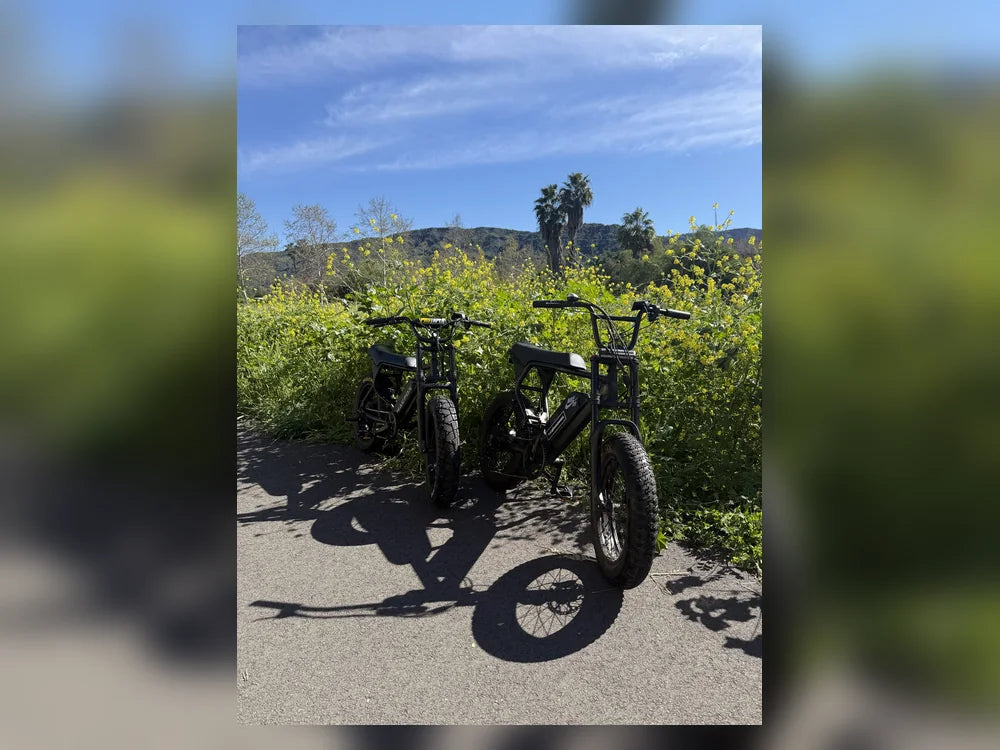
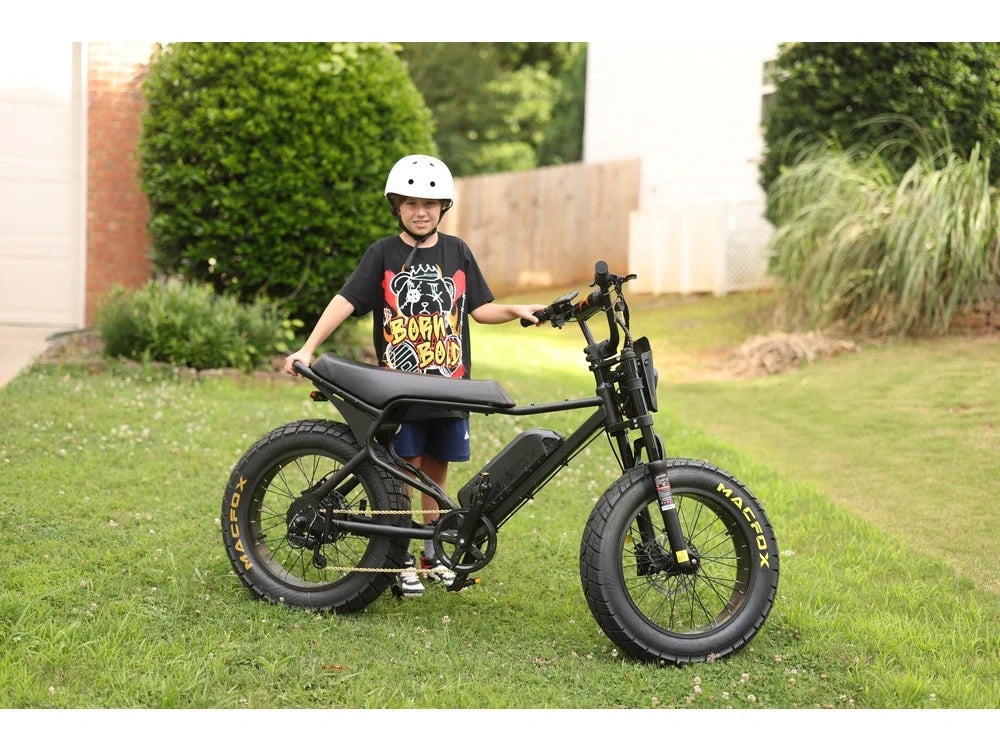
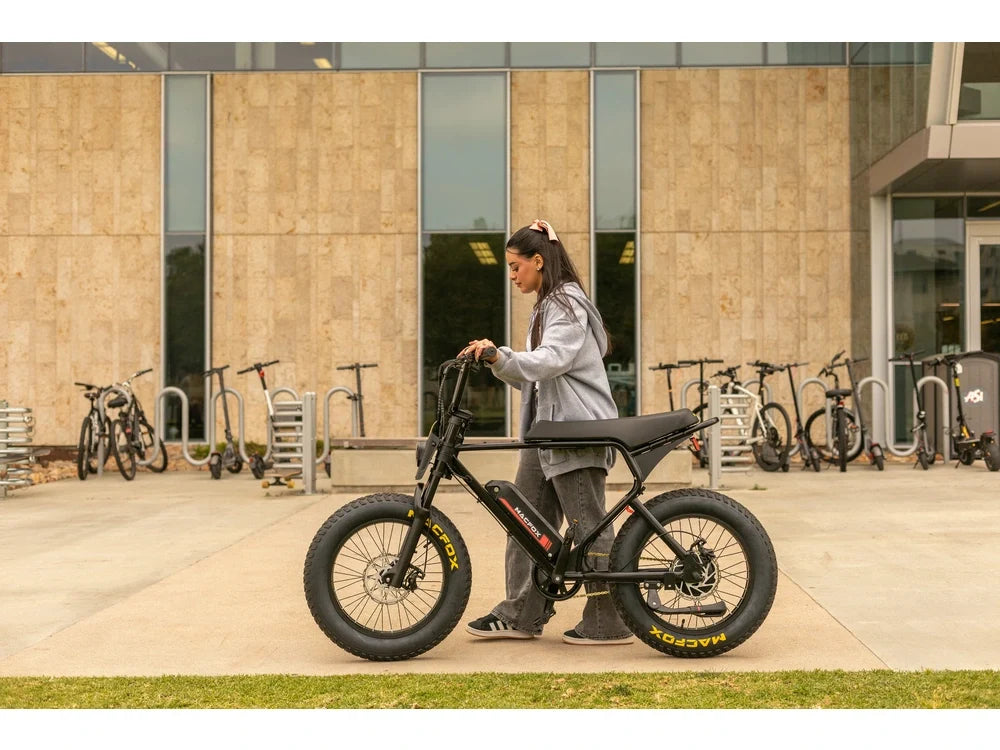
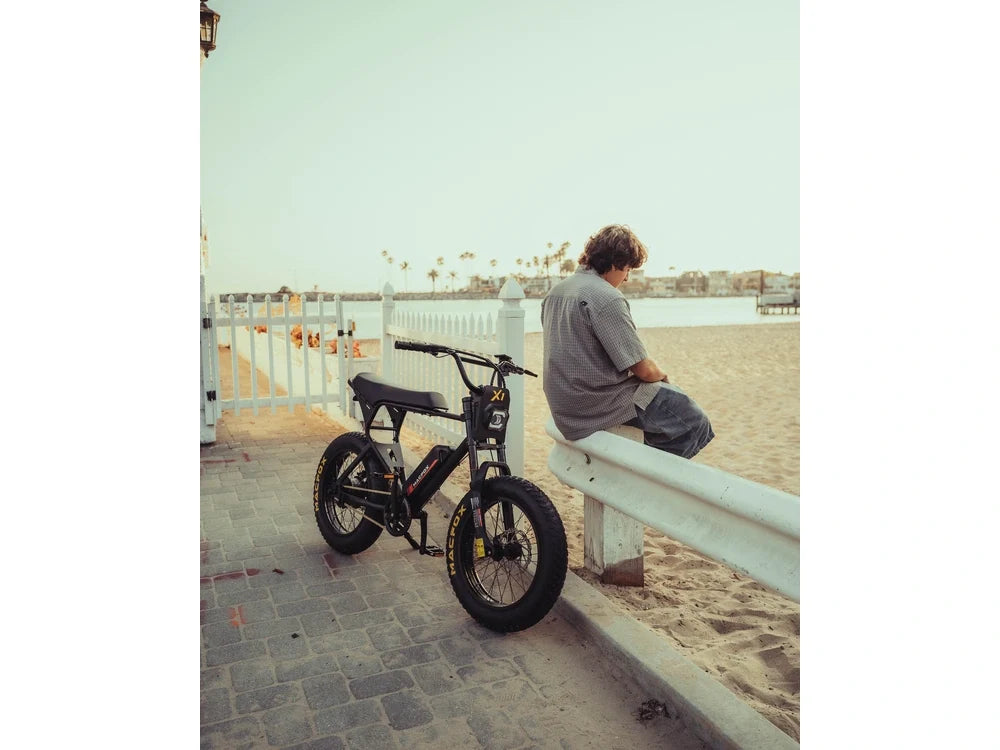
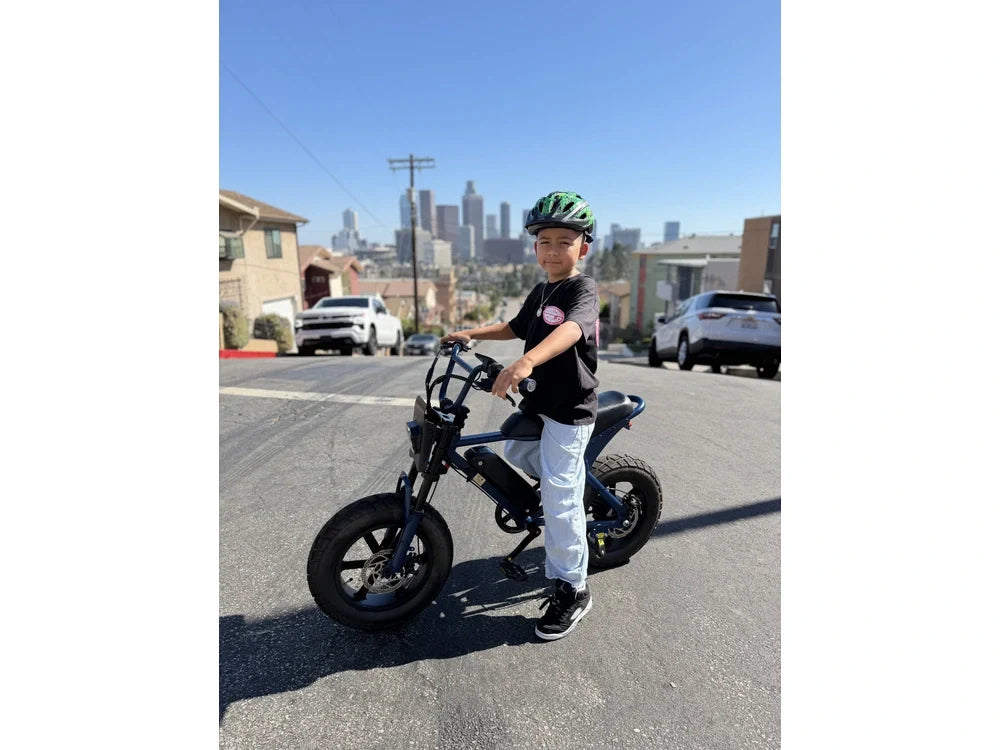
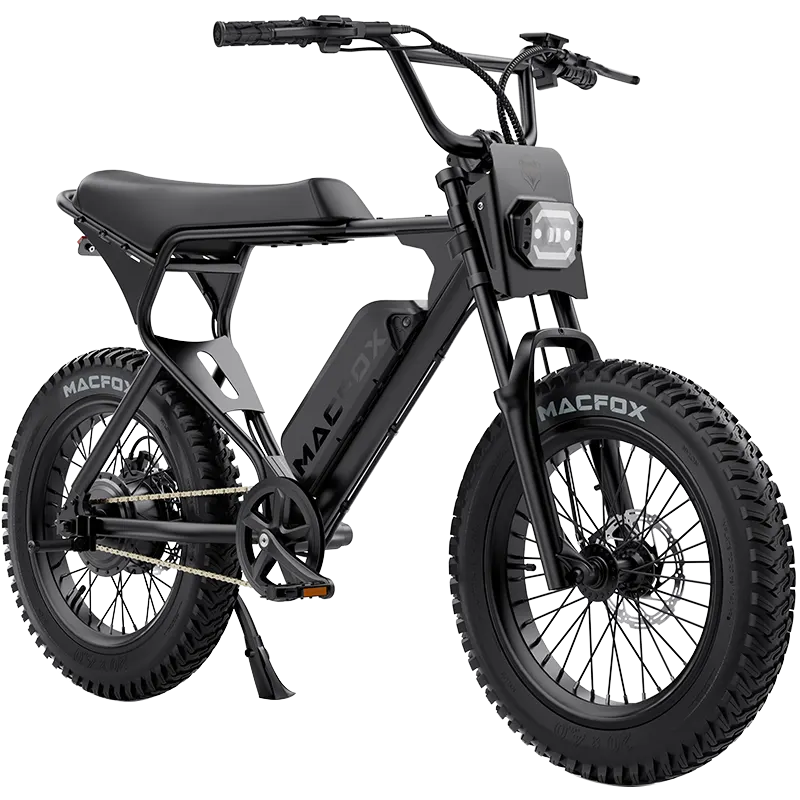
The Macfox case is format. The Macfox X7 eBike is the model to compare when you want a 20-inch wide-tire daily electric bike with a front 20 x 4.5 tire, rear 20 x 5.0 tire, 500W motor, 750W peak output, 20 mph top speed, and a listed 35-mile single-battery or 70-mile dual-battery range path.
X7 is easier to judge if you want a lower, shorter-wheel fat-tire stance and a simpler Macfox model path. Basalt 2.0 is easier to justify if you want a large 26-inch frame, big battery reserve, higher load rating, and Mokwheel's accessory ecosystem.
Power-Station System Versus Wide-Tire Daily Routine
| Decision Area | Mokwheel Basalt 2.0 | Macfox X7 | What It Means |
|---|---|---|---|
| Core format | Large 26 x 4.0 fat-tire platform. | 20-inch wide-tire daily platform with 20 x 4.5 front and 20 x 5.0 rear tires. | Basalt is larger and more equipment-heavy; X7 is shorter in wheel format with a wider rear tire. |
| Battery story | 940Wh battery, up to 80 miles listed. | 624Wh battery, 35 miles single battery, 70 miles dual battery listed. | Basalt has the stronger single-battery reserve. X7 depends more on the optional second-battery path. |
| Load rating | 450 lb payload capability on the current page. | Macfox product page should be checked for your exact cargo and rider needs before purchase. | If high payload is central, Basalt is the more natural starting point. |
| Sensor feel | Torque plus cadence sensor system. | Simpler Macfox setup focused on the X7 format. | Basalt has a more sensor-focused ride story. |
| Accessory ecosystem | Power inverter and solar accessory angle, plus rack deck and signals. | Cleaner daily model path without the same power-station emphasis. | Mokwheel has the stronger device-power story; X7 keeps the decision simpler. |
| Fit and storage | 5'7" to 6'9" listed rider guidance, 30-inch standover, 46-inch wheelbase. | 5'1"+ product guidance, 20-inch wheel format, wide tires. | Measure storage, charging area, handlebar width, and rider fit before choosing either. |
When Basalt 2.0 Deserves A Close Look
Consider Basalt 2.0 if battery reserve is the top requirement. A 940Wh battery gives the bike more room for longer routes, heavier riders, cargo, or higher assist use than many simpler fat-tire eBikes.
Basalt 2.0 may also deserve a closer look if payload and accessory expansion matter. The 450 lb payload capability, rack deck, signals, suspension fork, hydraulic brakes, and inverter/solar accessory angle create a more complete large-format package.
Finally, Consider Basalt 2.0 first if you like the 26 x 4.0 fat-tire feel and fit the frame well. Its geometry and wheelbase should be seen as part of the value, not just numbers in a table.
When Macfox X7 Makes More Sense
Consider X7 if you want a shorter 20-inch fat-tire format and do not need Basalt 2.0's larger battery and higher payload rating. The X7 comparison is about daily fit, not beating Mokwheel at Mokwheel's own battery-and-ecosystem angle.
X7 is especially relevant if the wider rear tire is part of the appeal. The front 20 x 4.5 and rear 20 x 5.0 setup gives it a different stance from Basalt 2.0's 26 x 4.0 format.
X7 also keeps the Macfox decision more direct. If you want the active X7 product path, Class 2 daily setup, UL 2849 messaging, and optional dual-battery planning, it can be a cleaner choice than a larger feature-heavy platform.
Checks That Matter Before Choosing Basalt 2.0
- Confirm the exact Basalt version. Basalt, Basalt ST, and Basalt 2.0 details can appear together in older reviews and current listings.
- Measure fit, not just range. Basalt's 26-inch format and 46-inch wheelbase should match your height, storage space, and charging area.
- Decide whether the power ecosystem matters. If inverter and solar accessories are not part of your plan, do not overvalue that part of the package.
- Read range as a bracket. A large battery helps, but real range still changes with rider weight, cargo, speed, stops, surface, temperature, and assist level.
- Compare tire format honestly. Basalt 2.0 uses 26 x 4.0 tires. X7 uses a front 20 x 4.5 tire and rear 20 x 5.0 tire.
- Check local class rules. Make sure the speed and assist settings match where and how you plan to ride.
Final Fit Recommendation
Mokwheel Basalt 2.0 may fit better if you want a large 26 x 4.0 fat-tire eBike with a 940Wh battery, high payload rating, torque-and-cadence sensing, 110mm front suspension fork, hydraulic brakes, and a power-station accessory ecosystem. Macfox X7 may fit better if you want a shorter 20-inch wide-tire daily eBike with a front 20 x 4.5 tire, rear 20 x 5.0 tire, active Macfox product path, and optional dual-battery planning.
The decision depends on whether Basalt's large platform solves a real need. If the battery, payload, and accessory ecosystem are central, Consider Basalt 2.0. If you want a more direct Macfox daily fat-tire format with a wider rear tire, consider X7.
FAQ
Is Mokwheel Basalt 2.0 stronger than Macfox X7 for range?
Basalt 2.0 has the stronger single-battery range story because of its 940Wh battery and up-to-80-mile listing. X7 lists 35 miles with one battery and 70 miles with the dual-battery setup.
Does Mokwheel Basalt 2.0 have a torque sensor?
Yes. Mokwheel's current Basalt 2.0 page lists a torque plus cadence sensor system, and review coverage of the Basalt line highlights a more responsive pedal feel.
Is Macfox X7 a replacement for Basalt 2.0?
No. X7 is a different type of choice. It is a shorter 20-inch wide-tire daily eBike, while Basalt 2.0 is a larger 26-inch fat-tire model with more battery and payload emphasis.
Which one is better for heavier loads?
Basalt 2.0 is the more natural starting point if high payload is central, because Mokwheel lists a 450 lb payload capability on the current page.
Which bike is easier to fit into daily storage?
X7 may be easier to plan around because it uses a 20-inch wheel format, but its tires are still wide. Basalt 2.0 has a longer 26-inch format and 46-inch wheelbase. Measure both before buying.