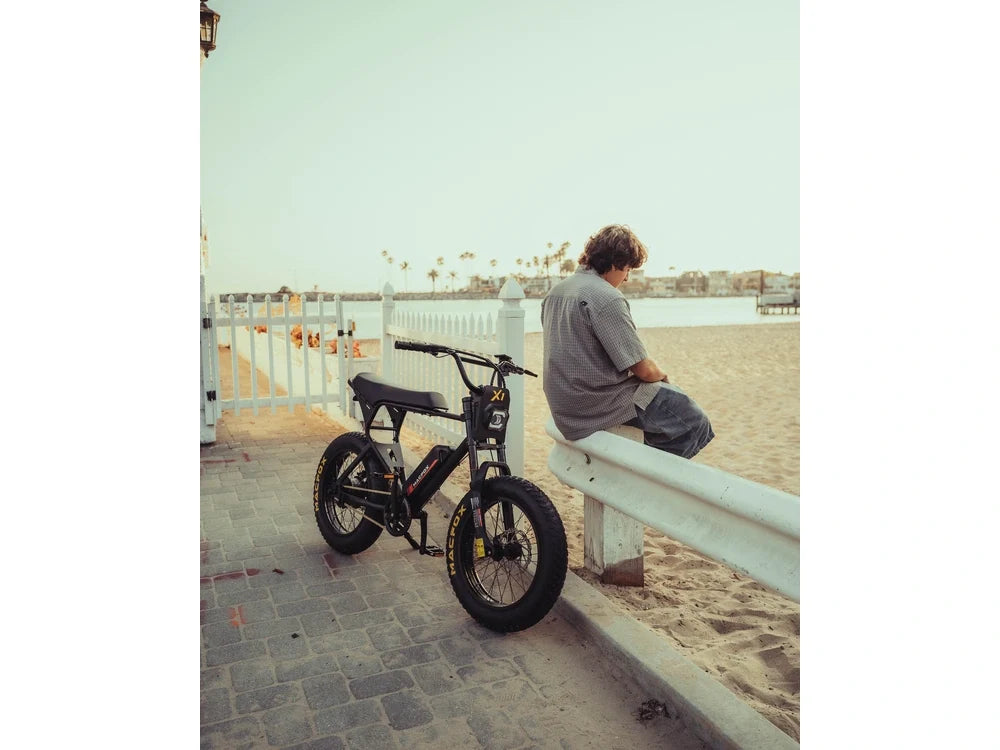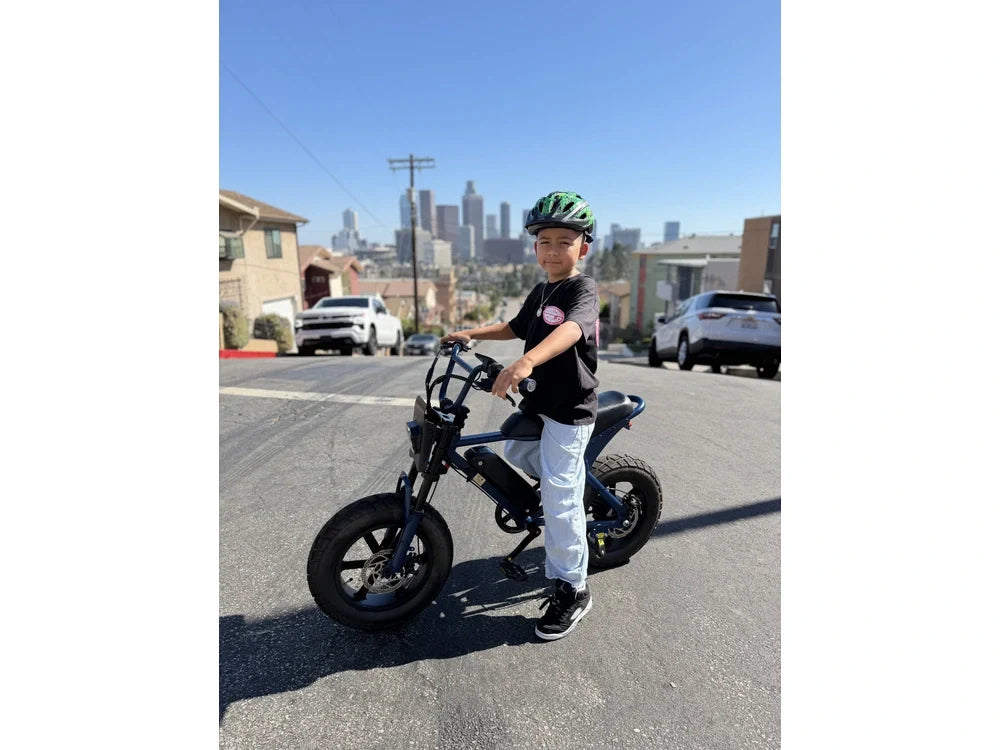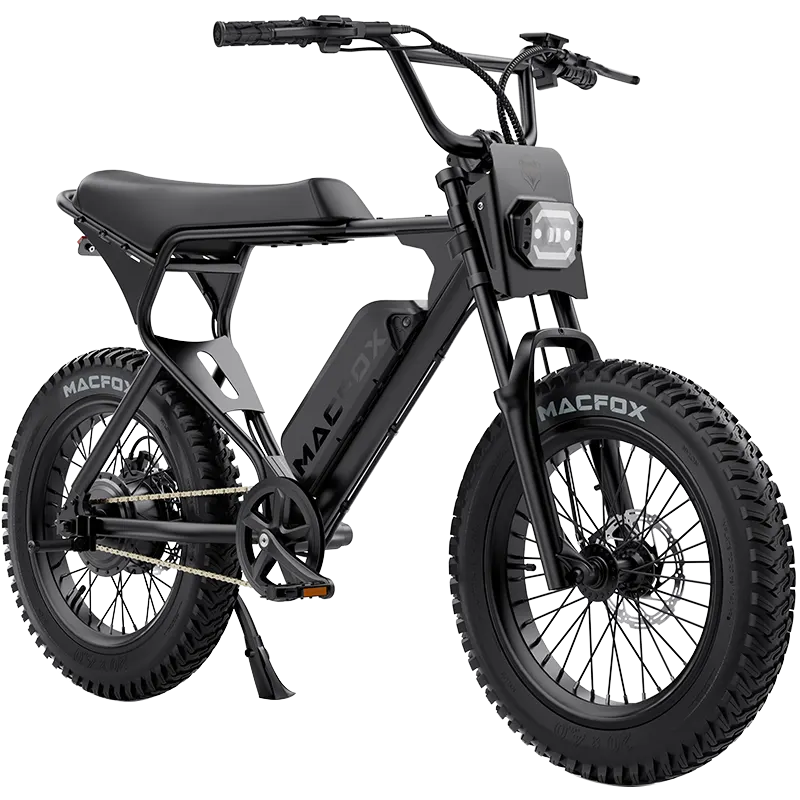

Quick Answer
ENGWE L20 may fit better if the buyer wants a step-through utility-style fat-tire bike with front and rear rack planning, 20 x 4.0 tires, a 750W motor, 48V 13Ah battery, and a confirmed source for the exact L20 version. Macfox X7 may fit better if the buyer does not need a cargo-rack platform and wants a current 20-inch wide-tire daily eBike with a front 20 x 4.5 tire and rear 20 x 5.0 tire.
This is not a simple brand-versus-brand choice. L20 is strongest when the rack setup and step-through utility shape are part of the reason to buy. X7 enters later if the buyer's real need is a wider-tire daily ride rather than front and rear rack capacity.
The clean decision starts with one question: are you carrying enough gear to need L20's utility layout, or are you mainly choosing tire feel, battery routine, storage space, and rider fit?

Start With The Exact L20 Page And Version
ENGWE USA's L20 page currently shows the older L20 at $1,399, unavailable, and out of stock. The same page points shoppers toward the newer L20 3.0, described there as a full-suspension, anti-theft, 720Wh long-range utility e-bike. That does not erase the old L20 comparison, but it changes the buyer check.
If a buyer reaches L20 through a saved product link, older review, marketplace listing, local shop page, or remaining inventory, the first job is version clarity. Confirm whether the bike is the original L20, L20 2.0, L20 3.0, or a regional listing with different motor and speed rules.
The original ENGWE USA L20 page lists a 750W brushless motor, 50 N.m torque, 20 x 4.0 fat tires, 48V13Ah battery, 25MPH max speed, 90-mile maximum mileage claim, about 6.5 hours charge time, 160mm mechanical disc brakes, Shimano 7 gears, 74.8 lb bike weight, 5.0-6.0 ft rider-height guidance, and 120 kg / 264 lb payload. Those are the numbers to use only after the exact listing is confirmed.
Why L20 Appeals To Utility-Minded Riders
L20's strongest identity is the combination of step-through frame, 20 x 4.0 tires, front suspension, front rack, rear rack, fenders, lights, and 7-speed gearing. It is not just a fat-tire shape; it is a utility-leaning setup for riders who want the bike to carry daily items without moving up to a much larger cargo bike.
That is also why the racks matter more than a basic spec table suggests. eBikeChoices measured the rack path as a real part of the bike's appeal, noting a front rack and rear rack layout, with the reviewed setup showing meaningful carry capacity. BikeRide's review roundup also points to the two-rack equipment package, fenders, brake-activated lights, and kickstand as part of the L20 value.
For a buyer, this turns the question into a load plan. Do you regularly carry bags, groceries, a child seat where legally and safely supported, or bulky items that make a front/rear rack layout useful? If yes, L20 has a real reason to stay on the shortlist.
Weight And Storage Are The L20 Reality Check
The same utility layout brings a handling tradeoff. ENGWE lists the bike at 74.8 lb, and eBikeChoices lists the reviewed bike around 32 kg. That weight can be acceptable if the bike mostly rolls from storage to the route, but it can become a poor fit if the rider must lift it often, make tight indoor turns, or store it in a narrow space.
Storage should be tested with the racks in mind. A front rack changes the front-end footprint. A rear rack, bags, child-seat hardware, or baskets can make the bike longer, wider, and less easy to move indoors. Buyers should measure the bike with the accessories they actually plan to use, not just the bare frame.
This is where many L20 shoppers should slow down. The utility features are useful only if the full loaded bike still fits the doorway, charging area, vehicle rack limit, and rider strength.
What Independent Reviews Add
eBikeChoices adds useful ride-detail context. The review describes a 48V 13Ah battery, front/rear racks, front suspension, a low-step frame, Shimano Tourney 7-speed gearing, and mechanical disc brakes. It also reports that the initial hilly test left 2 bars after just under 20 miles with a heavier rider, while a more typical pedal-assist estimate was around 35-45 miles.
That range note is valuable because ENGWE's maximum mileage claim should not be treated as a guaranteed daily result. Assist level, rider weight, stops, tire pressure, battery age, temperature, and cargo load can change the final distance. A rider using racks heavily should expect the load to affect range and braking feel.
BikeRide's roundup sharpens the inspection list. Reviewers generally liked the utility, comfort, approachable frame, battery range, and smaller-rider fit, while the recurring buyer checks were weight, brake type, assembly clarity, and final setup quality. In buyer language, that means: budget time for assembly, verify brake adjustment, inspect rack hardware, and test the loaded bike before relying on it for important trips.
Where Macfox X7 Fits After The Utility Check
X7 should not be treated as an L20 cargo-rack replacement. The fair Macfox handoff happens only after the buyer decides that front and rear rack utility is not the main reason for the purchase.
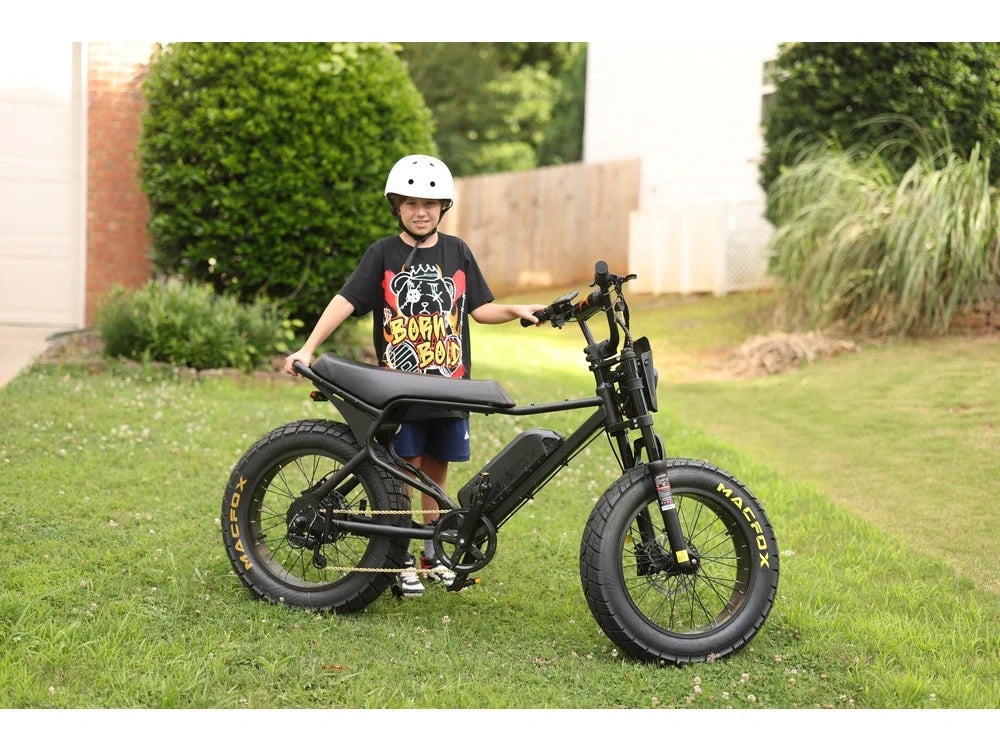
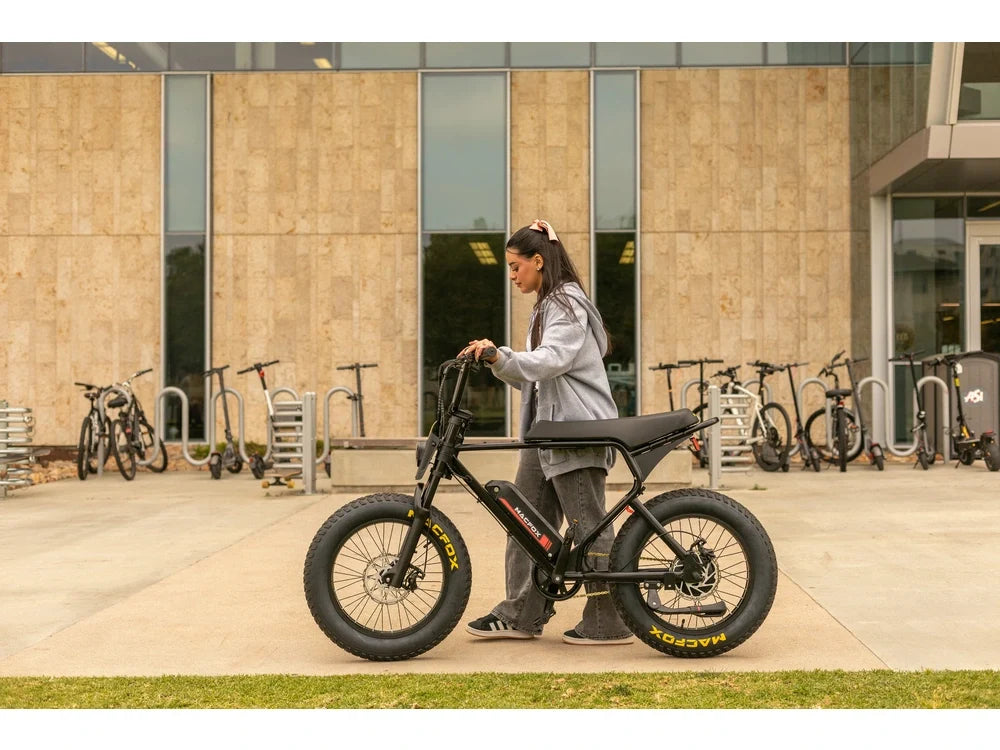
If the real need is a current 20-inch wide-tire eBike with a stronger visual stance and a simpler daily fit lane, the Macfox X7 eBike becomes the Macfox model to compare. Its front 20 x 4.5 tire and rear 20 x 5.0 tire create a different ride expectation from L20's 20 x 4.0 utility-fat-tire setup.
X7 also keeps the buying path cleaner for Macfox shoppers: active product page, 500W motor with 750W peak output, 20 mph top speed, 35-mile single-battery range, 70-mile dual-battery range, UL 2849 certification, Class 2 setup, and 5'1"+ rider guidance. That is a daily wide-tire decision, not a rack-capacity decision.
Decision Table
| Buyer Question | ENGWE L20 | Macfox X7 | How To Decide |
|---|---|---|---|
| Do you need front and rear rack planning? | Strong fit. | Different lane. | If racks are central, start with L20 or a current L20-series model. |
| Is the listing current and easy to verify? | Needs version and stock check. | Current active Macfox product. | Confirm L20, L20 2.0, L20 3.0, or regional version before comparing. |
| What tire format matters? | 20 x 4.0 fat tires. | Front 20 x 4.5 and rear 20 x 5.0 tires. | Choose L20 for utility fat-tire shape; choose X7 for wider 20-inch Macfox stance. |
| How much weight can the rider manage? | ENGWE lists 74.8 lb. | Check assembled-bike handling and storage. | Do not judge either bike by photos; move and park the real setup if possible. |
| How should range be judged? | Official max claim plus real-route estimates. | 35 miles single battery / 70 miles dual battery listed. | Use rider weight, cargo load, route length, stops, and battery routine. |
ENGWE L20 May Fit Better When
L20 may fit better when the buyer wants a step-through utility shape first. The front and rear rack layout, low-step access, 20 x 4.0 tires, front suspension, fenders, lights, and 7-speed system all support a rider who wants the bike to carry more than a small backpack.
It may also fit buyers who have already found a verified L20 listing at the right price and can confirm support, parts, charger, battery age, and speed/class rules. Since ENGWE's current USA page points toward L20 3.0, that listing check is part of the purchase, not a footnote.
The main caution is handling. The bike's weight, rack footprint, and mechanical brake setup should be evaluated with the load you expect to carry. If the loaded bike feels hard to manage in your normal storage path, the rack package may create as much friction as it solves.
Macfox X7 May Fit Better When
X7 may fit better when the buyer does not need a utility-rack platform and wants a current wide-tire Macfox model. Its 20-inch setup, wider rear tire, active product path, UL 2849 certification, and optional dual-battery range planning make it easier to judge as a daily wide-tire choice.
It also fits a buyer who wants fewer version questions. Instead of sorting through old L20 stock, L20 2.0, L20 3.0, and regional setup differences, the buyer can evaluate one current Macfox model by fit, battery, tire feel, storage, and riding rules.
The boundary should stay clear: X7 is not chosen because it replaces L20's racks. It is chosen when the rider decides racks are not the central need and a wider 20-inch Macfox stance is the better match.
Pre-Purchase Checks
- Confirm the exact ENGWE version. Check whether the listing is original L20, L20 2.0, L20 3.0, or a regional version with different motor and speed rules.
- Check stock and source. ENGWE USA marks the older L20 unavailable, so verify seller path, warranty, battery age, charger, and support before buying.
- Measure loaded storage. Include front rack, rear rack, bags, child-seat hardware if used, handlebar width, and charging location.
- Plan range under load. A rack-equipped bike carrying real weight will not always match a maximum range claim.
- Inspect assembly and brakes. Reviewers repeatedly make setup quality, brake adjustment, and rack hardware worth checking before the first loaded ride.
- Separate rack need from tire preference. Choose L20 for utility layout. Choose X7 only if the buyer mainly wants a current wider-tire daily Macfox model.
- Confirm local riding rules. Throttle use, class setting, speed limit, and passenger or child-seat rules can vary by location.
Verdict
ENGWE L20 is the better starting point if front and rear rack utility, step-through access, 20 x 4.0 tires, and a verified L20-series listing are central to the purchase. Macfox X7 is the better starting point if rack utility is not the main need and the buyer wants a current 20-inch wide-tire daily eBike with a front 20 x 4.5 tire, rear 20 x 5.0 tire, and optional dual-battery planning.
The fair choice is not about forcing the two bikes into the same role. Start with cargo and storage needs. If the rack layout matters, evaluate the exact L20 listing carefully. If the buyer mainly wants a wide-tire Macfox daily ride without the L20 utility footprint, X7 deserves the closer look.
Frequently Asked Questions
Is ENGWE L20 still available?
ENGWE USA currently marks the older L20 page unavailable and out of stock, while pointing shoppers toward L20 3.0. Buyers should confirm the exact listing and version before comparing.
Is ENGWE L20 a cargo bike?
It is better described as a utility-leaning fat-tire e-bike with front and rear racks. It can carry daily items, but buyers should confirm rack limits, total payload, local rules, and safe loading.
Does Macfox X7 replace the rack function of L20?
No. X7 should not be chosen as a rack-capacity replacement. It belongs in the comparison only when the buyer wants a current 20-inch wide-tire Macfox model instead of a utility-rack setup.
Which bike has wider tires?
L20 uses 20 x 4.0 fat tires. X7 uses a front 20 x 4.5 tire and a rear 20 x 5.0 tire.
Which bike is easier to judge in 2026?
X7 is easier to judge as a current Macfox product. L20 needs a version, stock, seller, and support check because the older USA product page is currently out of stock and points to L20 3.0.