
For most e-bikes, 3,000 miles is the point where the bike should be inspected carefully, not automatically written off. Under 1,000 miles is usually low mileage, 1,000 to 3,000 miles is normal use, 3,000 to 5,000 miles is high enough to check the battery, tires, brakes, and drivetrain, and 5,000+ miles depends heavily on maintenance history.
The real answer is condition first, odometer second. A well-maintained commuter with 4,000 miles, a healthy battery, fresh brake pads, and service records can be a better buy than an 800-mile e-bike that sat unused with a neglected battery. If you are comparing current electric bikes, use mileage as one inspection signal, not the only buying rule.
What Counts as High Mileage on an E-Bike?
High mileage for an e-bike usually starts around 3,000 miles, but the number is only useful when paired with battery health, charging habits, rider weight, terrain, weather, tire condition, and maintenance records.
| Odometer Reading | Mileage Category | What It Usually Means |
|---|---|---|
| Under 1,000 miles | Low mileage | The bike may have light use, but still check battery storage, charger, tires, and brake feel. |
| 1,000-3,000 miles | Normal used e-bike range | Expect routine wear on tires, brake pads, chain, and cables depending on the route. |
| 3,000-5,000 miles | High mileage inspection zone | Battery range, drivetrain wear, wheel condition, and brake service records matter more than the number alone. |
| 5,000+ miles | Heavy-use e-bike | Can still be useful if maintained, but price should reflect likely battery, tire, brake, and drivetrain work. |

Is 3,000 Miles a Lot for an E-Bike?
3,000 miles is a lot only if the bike was poorly maintained or used hard. For a daily commuter, 3,000 miles can simply mean one to two years of regular riding. For a bike that was stored badly, ridden in heavy rain, overloaded, or rarely serviced, 3,000 miles can expose expensive problems.
A common used-bike scenario is a seller showing a clean display with 3,200 miles but no charger photo, no battery range estimate, and no service notes. That is not automatically a bad bike, but it is not enough information. Compare the asking price with Macfox's used e-bike value guide before treating the mileage as a bargain.
How Many Miles Does an Electric Bike Last?
An electric bike can last for many years when the frame, battery, motor, controller, wheels, brakes, and drivetrain are maintained as a system. The battery is usually the most expensive wear item, while tires, brake pads, chains, and tubes are normal replacement parts.
If your real question is range per charge instead of lifetime mileage, use Macfox's electric bike battery life guide and long-range electric bike guide. For riders who mainly care about bigger route margins, the long-range electric bike category is the better shopping path.
| Part | What Mileage Can Reveal | What to Check Before Trusting the Bike |
|---|---|---|
| Battery | Range drop, longer charging time, voltage sag under load. | Ask for real range, charging behavior, storage history, and whether the charger is original. |
| Motor | Noise, heat, weak climbing, inconsistent assist. | Test under load, not only on a flat parking-lot roll. |
| Tires and tubes | Tread wear, cracking, flats, sidewall damage. | Budget for replacement if tread is low or the rubber is old. |
| Brake pads and rotors | Weak braking, squeal, rotor rub, long stopping distance. | Inspect pad thickness and test stops at safe low speed. |
| Drivetrain | Chain stretch, skipping, noisy pedaling, worn freewheel or cassette. | Check chain wear and shifting under light load. |
| Frame and wheels | Loose spokes, rim dents, cracked mounts, headset play. | Look for crash marks, wheel wobble, and battery mount movement. |
Condition Beats Odometer
Mileage tells you how much the bike was used. Condition tells you how it was used. A high-mileage commuter that was charged correctly, kept indoors, and maintained on schedule can be less risky than a low-mileage bike with a swollen battery, missing key, mismatched charger, or no proof that it runs under load.
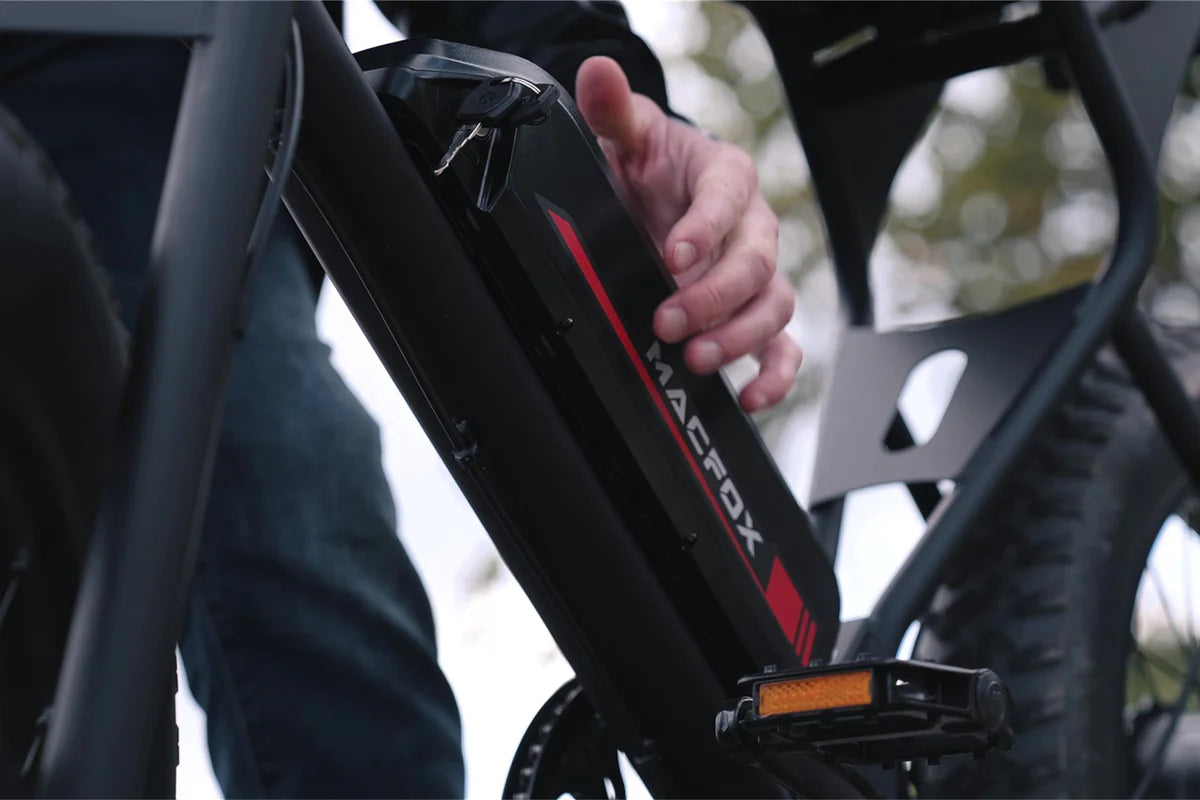
When we inspect a higher-mileage e-bike, the practical checks are simple: confirm the battery locks firmly, the charger works, the display powers on without error codes, the brakes stop cleanly, the tires are not cracked, and the bike still holds a predictable range on a normal ride. Macfox's e-bike battery care guide and e-bike maintenance cost guide are the right follow-up pages if the mileage looks acceptable but ownership cost is unclear.
Buying a Used High-Mileage E-Bike
Used high-mileage e-bikes can be worth buying when the price leaves room for wear parts. They are risky when the seller hides the battery, cannot show the charger, has no key, refuses a test ride, or prices the bike close to a new model with warranty support.
| Used Listing Clue | Better Reading | Decision |
|---|---|---|
| 4,000 miles with receipts, charger, key, and recent tires | High use, but maintenance is visible. | Inspect battery range and price against replacement costs. |
| 800 miles, no charger, stored for a year | Low mileage does not remove battery risk. | Treat it as a battery-health problem until proven otherwise. |
| 3,200 miles, rough tires, weak brakes, cheap price | May only need normal wear parts, but the discount must be real. | Price tires, pads, tubes, and service before buying. |
| 5,000+ miles, no service history, motor noise | The odometer and symptoms point in the same direction. | Walk away unless the repair budget still makes sense. |
Before choosing used over new, compare the risk with Macfox's new vs used e-bikes guide and estimate near-term repairs with the bike tire cost guide and e-bike brake pad replacement guide.
Macfox Fit: New Bikes vs High-Mileage Repairs
If your current e-bike already needs a battery, tires, brakes, drivetrain parts, and wiring diagnosis, compare the total repair path with a new Macfox model before spending piece by piece.
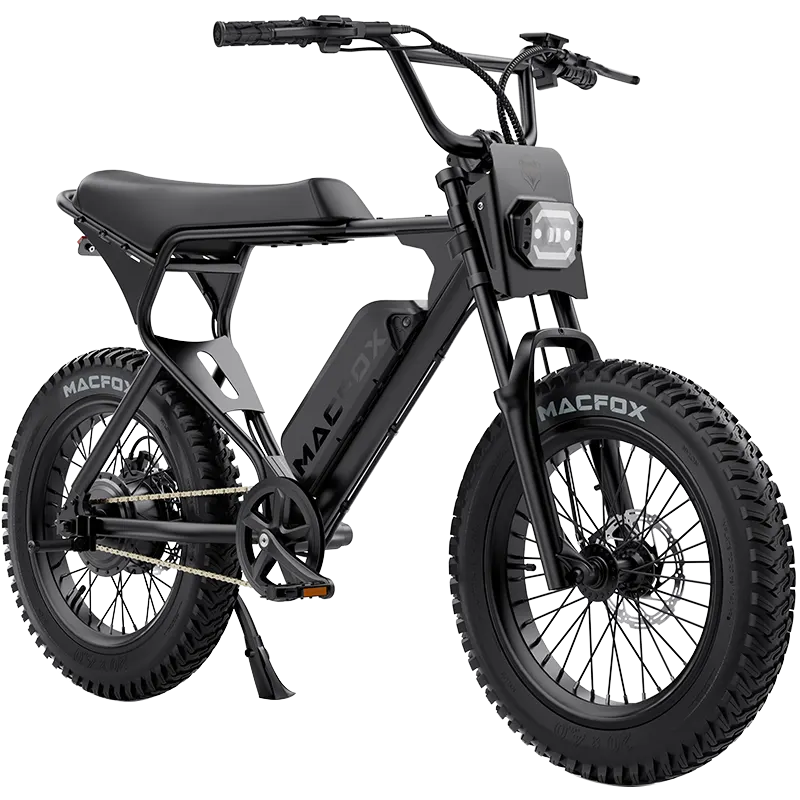
The Macfox X1S commuter e-bike is the practical fit for daily local riding, school routes, errands, and short to medium commutes where predictable ownership matters more than chasing a used-bike bargain. The Macfox X7 fat tire e-bike is the stronger comparison point when a rider wants a wider tire stance and a more planted feel on rough pavement or mixed local surfaces.

How to Make an E-Bike Last Longer
- Charge correctly: use the supplied charger, avoid heat, and do not store the battery fully drained.
- Keep tires inflated: soft tires increase drag, heat, flats, and battery use.
- Replace wear parts early: worn chains, pads, and tires can damage more expensive parts.
- Listen for changes: new motor noise, brake rub, wheel wobble, or loose battery movement should be checked quickly.
- Do not overload the bike: rider weight, cargo, road vibration, and hills all increase stress.
- Plan charging time: if charge time suddenly changes, compare it with Macfox's e-bike charge time guide and inspect the battery before a long ride.
FAQ
Is 3,000 miles a lot for an e-bike?
3,000 miles is enough to inspect the bike carefully, but it is not automatically too much. Battery health, service history, tire condition, brake wear, and real range matter more than the number alone.
What is high mileage for an e-bike?
For most e-bikes, 3,000 to 5,000 miles is high enough to require a serious condition check. Over 5,000 miles can still be usable when the bike has been maintained and priced correctly.
How many miles does an electric bike last?
An electric bike can last many years, but parts wear at different rates. Tires, brake pads, chains, and tubes are normal replacements. Battery condition is usually the biggest long-term cost.
Should I buy a used e-bike with high miles?
Only if the bike has a healthy battery, working charger, clear ownership, solid brakes, safe tires, and a price that leaves room for near-term maintenance. Avoid listings that hide battery or charger details.
Is low mileage always better?
No. Low mileage helps only when the battery was stored correctly and the bike is complete. A low-mileage e-bike with a neglected battery can be riskier than a well-maintained bike with more miles.
When should I replace a high-mileage e-bike instead of repairing it?
Consider replacement when the battery, motor, brakes, tires, and drivetrain all need work at once, or when the repair cost approaches the value of a newer e-bike with warranty support.